Where the medium and the message meet
02_About■ About
\ ˈjȯrj ˈbrigz
We are consumed by the way film builds beliefs, reaffirms the stories we tell about ourselves, and shapes who we choose to believe and trust.
We are living in the golden age of media, and the noise is the proof of it. Every brand is asking for people’s attention, and people have to get something back for giving it. Getting that balance right takes more than the tools. That’s what we obsess over.
■ What we do
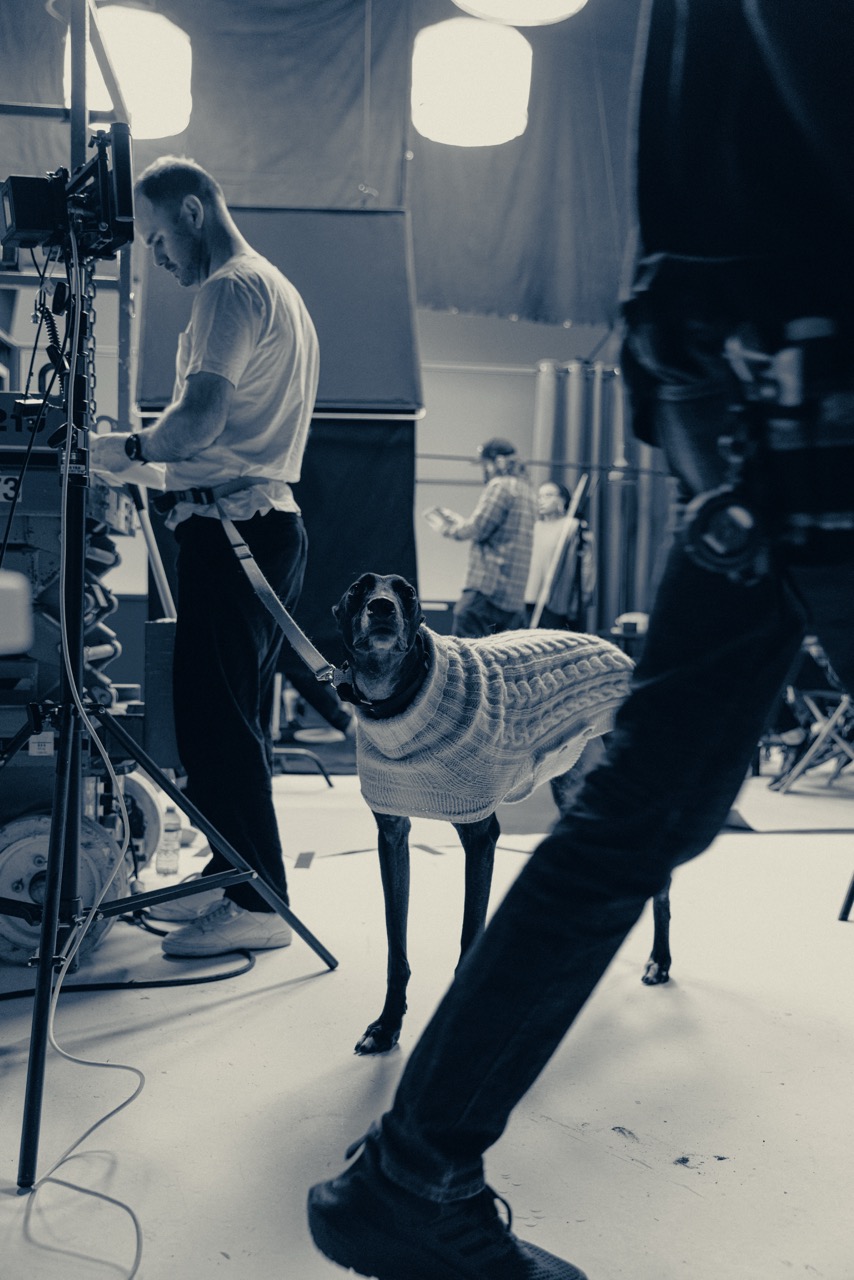
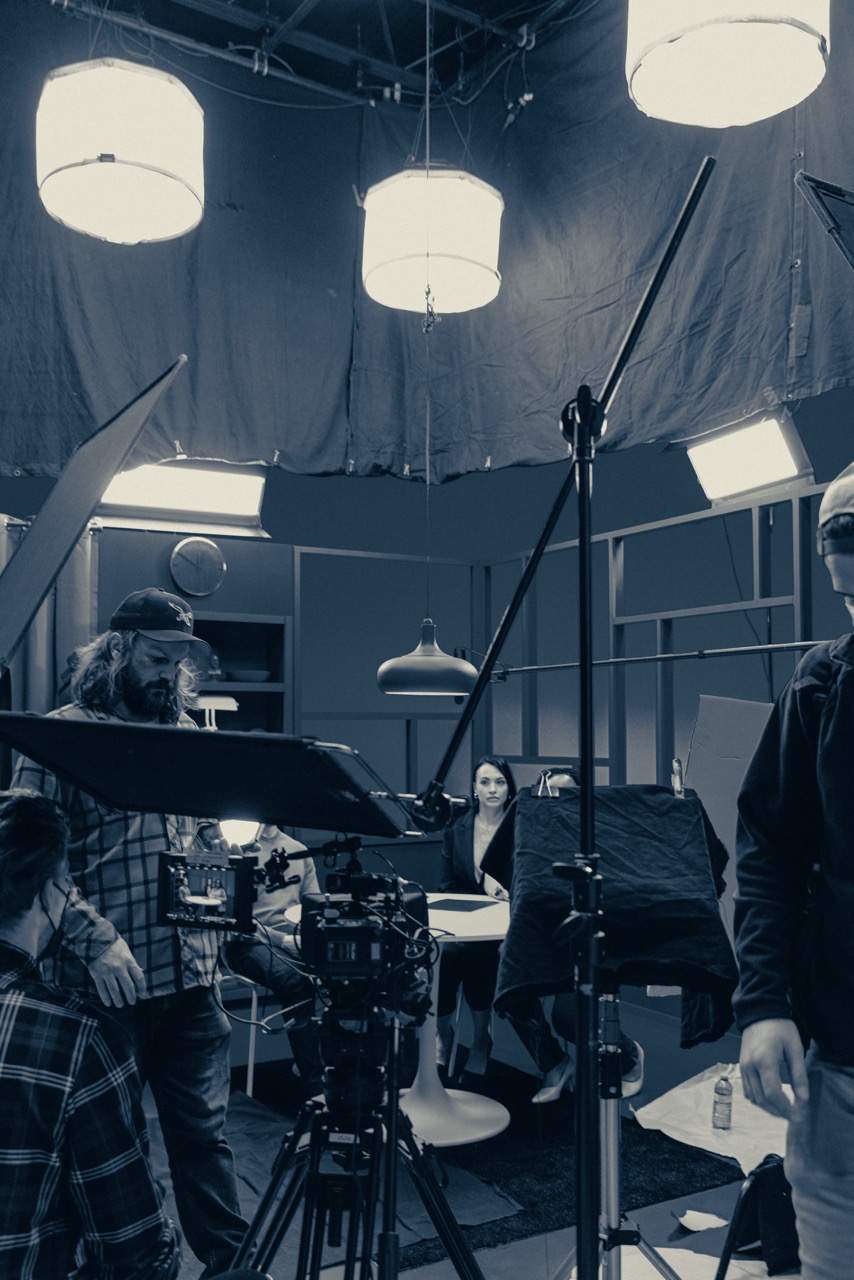
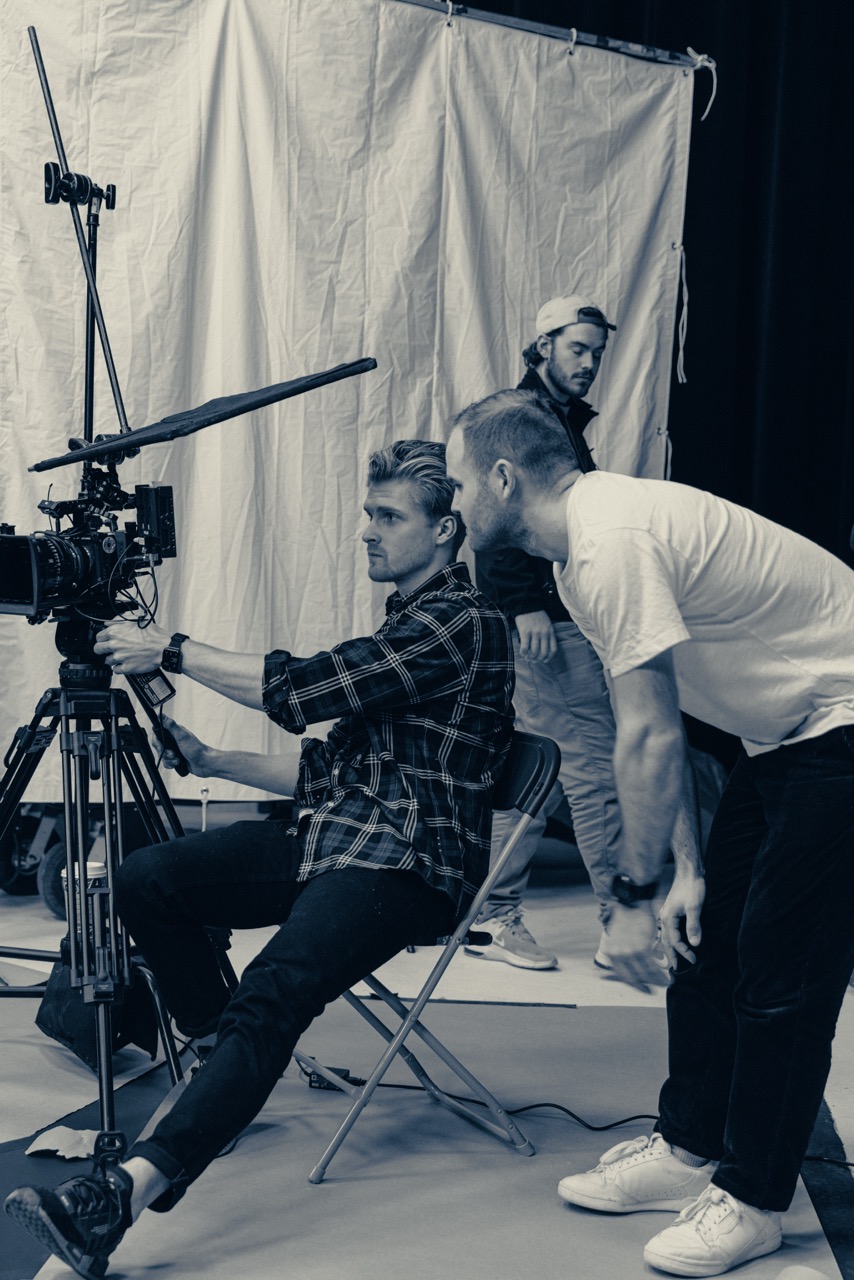
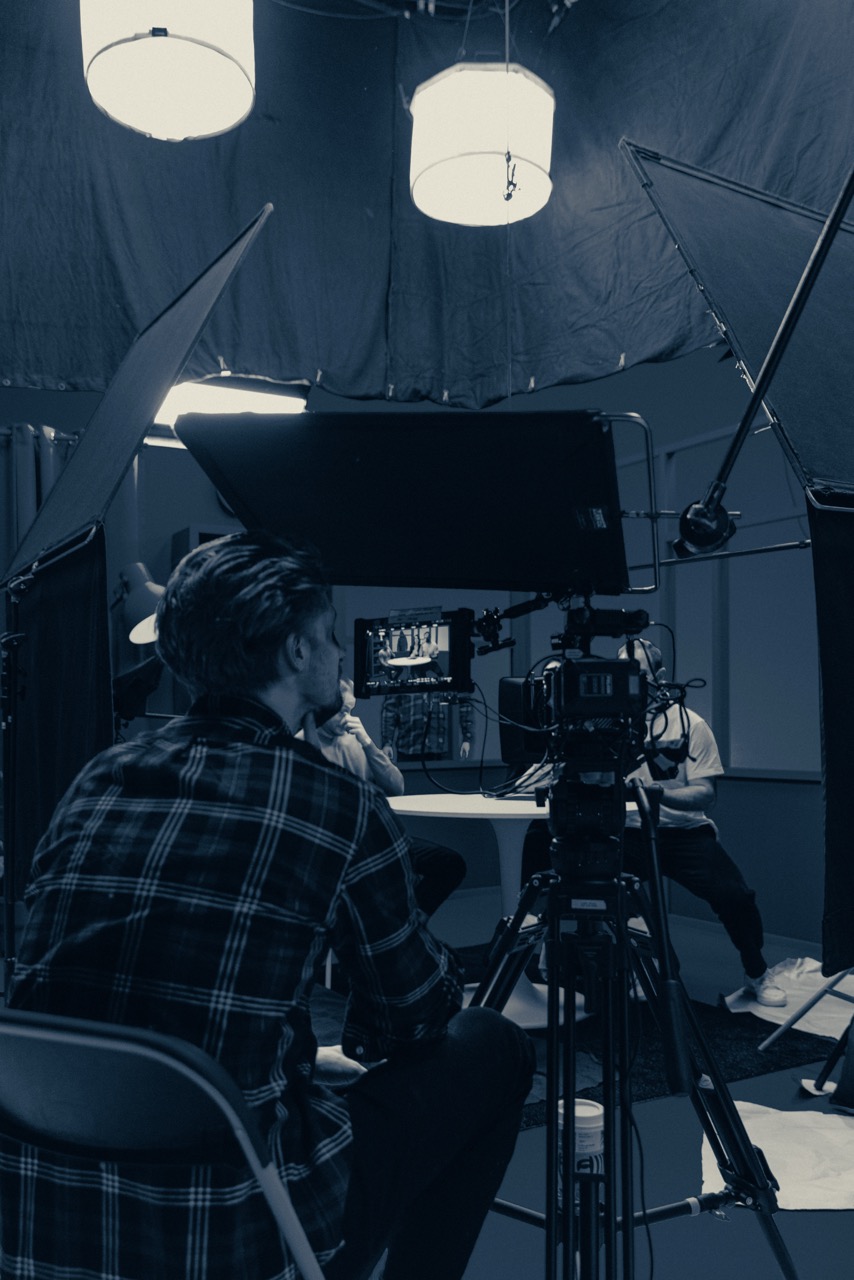
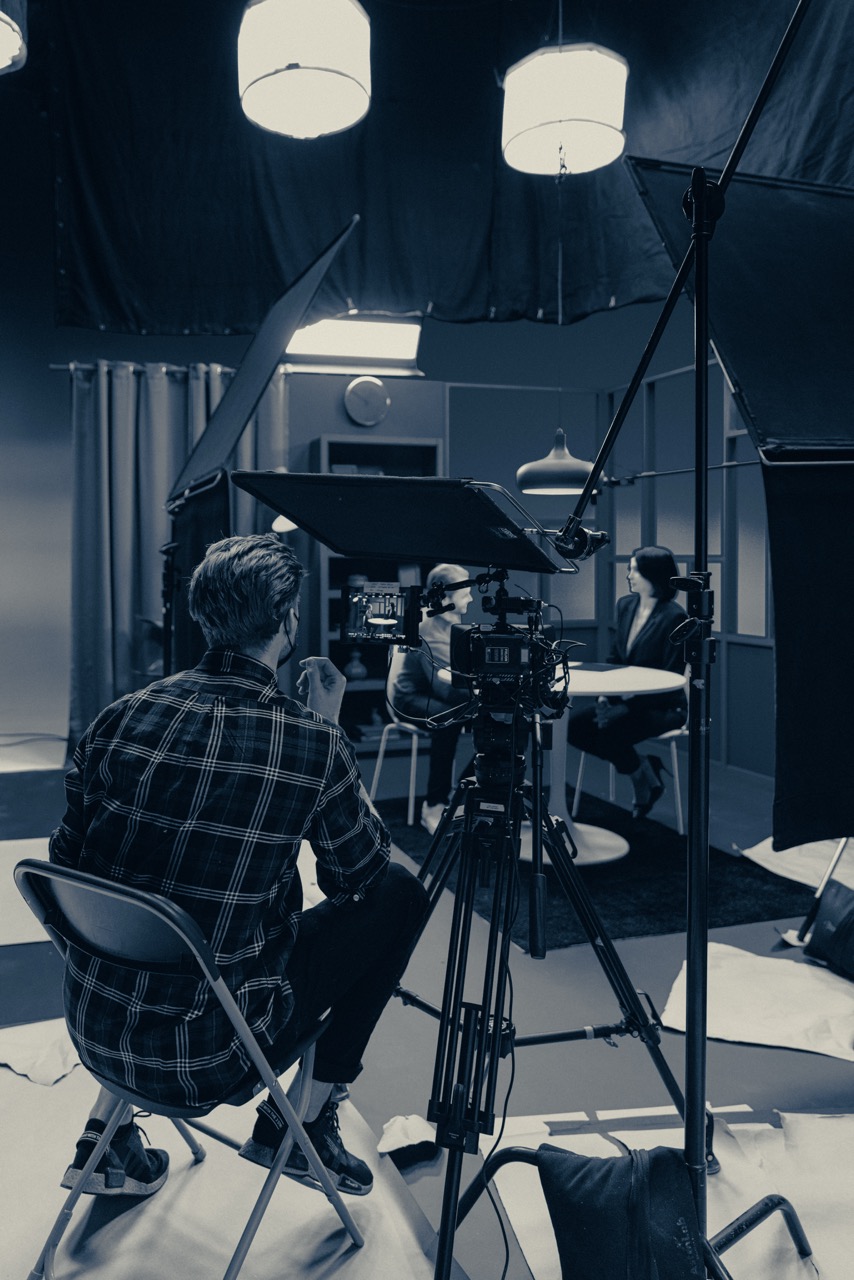
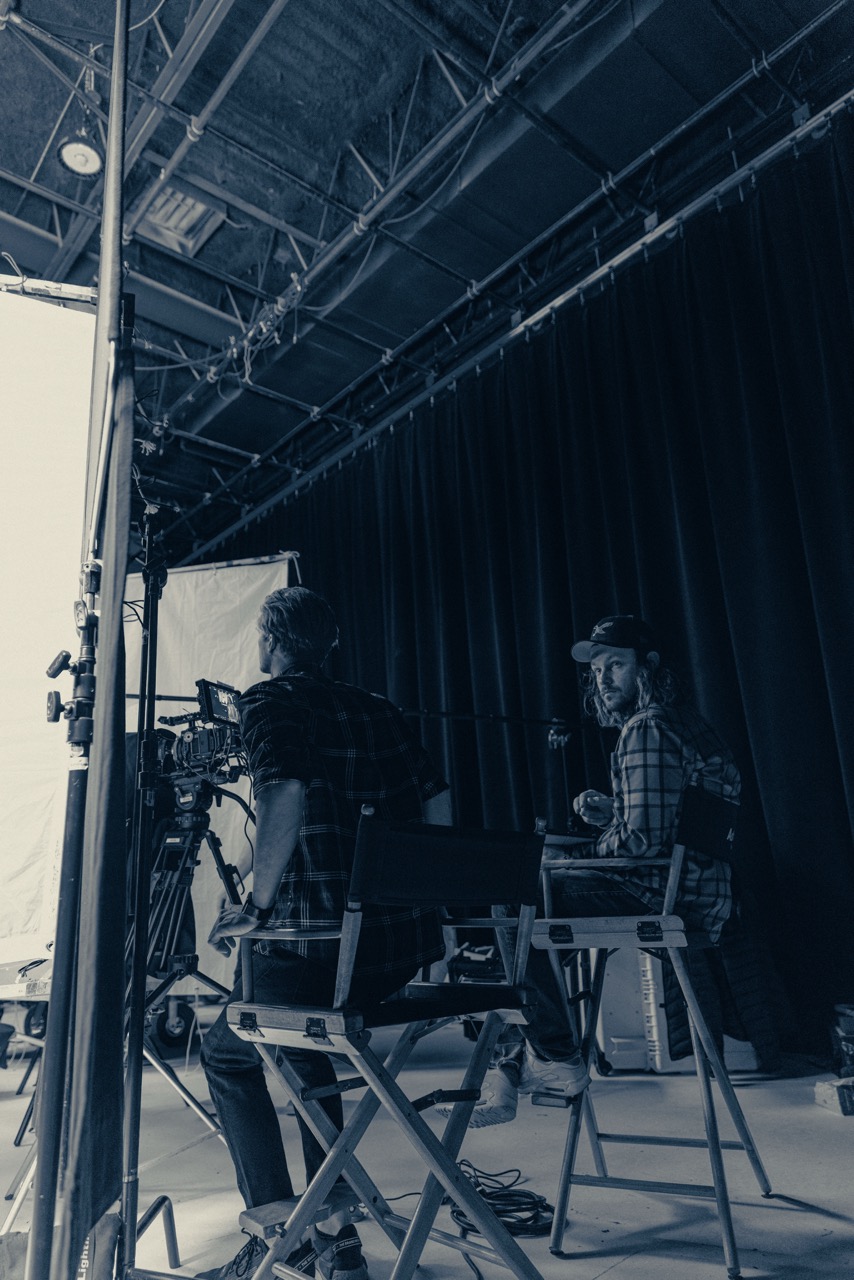
We work like part of your team, without the bureaucracy. We help you figure out what the work needs to do, then we make sure it does.
■ How we work
■ Where we are
We work from two of the strongest film hubs in the world, so wherever you are in North America or Europe, we’re close by. It also gives us perspective on people, and on how what they watch is changing across continents. And with Europe up before North America, the work gets more attention across the day.
Canada
Czechia
Last updated: 23 November 2026
■ Who we areGeorge Briggs is a film studio in Toronto and Prague.
This page is for anyone who visits the site, wherever you are.
Questions about your information go to our Privacy Officer at info@georgebriggs.ca.
■ What we collectIf you send us a project or a message, we get what you type: your name, email and company, plus how you heard about us, what you need, your budget and timeline.
To stop spam, Cloudflare checks the form and holds your IP address for about an hour.
To see what’s working, Cloudflare counts page visits: which page, where you came from, your browser and country. No cookies.
Google Analytics and Google Ads stay off until you say yes to them.
If you came from one of our ads and say yes, Google Ads notes that, and whether you got in touch.
If you’re signed in to Google and say yes, Google may connect your visit to your Google account, under your own Google settings.
Films play from Mux, our video host, which sees your IP address like any website does.
Fonts and code come from our own site, so no one else sees your visit when a page loads.
■ What we don’t doWe don’t sell data.
We don’t show ads on this site.
We don’t make automated decisions about you.
■ WhyYour message: to reply and scope the work.
The spam check and visit counts: to keep the site working and see what’s useful.
Google Analytics and Google Ads: only with your yes, and you can take it back any time.
Google Ads: to see which of our ads bring people here and lead to a message.
You don’t have to send us anything, but without an email we can’t reply.
■ Who else sees itCloudflare hosts the site, checks the form and counts visits.
Google Workspace delivers your message to our inbox.
Google Analytics and Google Ads, only if you say yes.
Mux plays the films.
All five are in the United States. They rely on the EU-US Data Privacy Framework (with its UK and Swiss extensions) or standard contractual clauses to move information there.
■ How longMessages: 2 years, then deleted.
Google Analytics: 14 months.
Google Ads cookies: up to 90 days.
Form IP addresses: about an hour. Cloudflare and Mux keep their own logs under their own policies.
■ CookiesNo cookies unless you say yes to Google Analytics and Google Ads. Saying no is as easy as saying yes, and you can change your mind under Cookie settings in the INFO sheet.
■ Your sayYou can ask to see, correct or delete what we have, take back your yes, or object. Write to info@georgebriggs.ca and we’ll reply within 30 days.
If you’re not happy with our answer, you can go to the privacy regulator where you live.
■ ChangesWhen this page changes, the date at the top changes.
Who better to tell Nissan’s story
than the people who drive it?
We knew where to find them.
Nissan’s best proof
is its owners.
There is no stronger signal for a brand than the voice of its customers. It’s reserved for the select brands that have built that kind of relationship. Nissan’s rich heritage and roots in so many communities meant its owners didn’t need any convincing to celebrate the brand they cherished. AutoTrader brought the idea to share those stories on its platform, and we were passed the baton.
■ ChallengeAdvocacy, unscripted.
Owners who love a brand aren’t just customers; they’re advocates, and that can’t be fabricated. Audiences are hyper-aware of this, and if they smell an ad they won’t watch, so brands need to give up some control to earn authenticity. So we had to find people who both represent Nissan and have something meaningful to say about the brand. But where do you find owners worth watching?
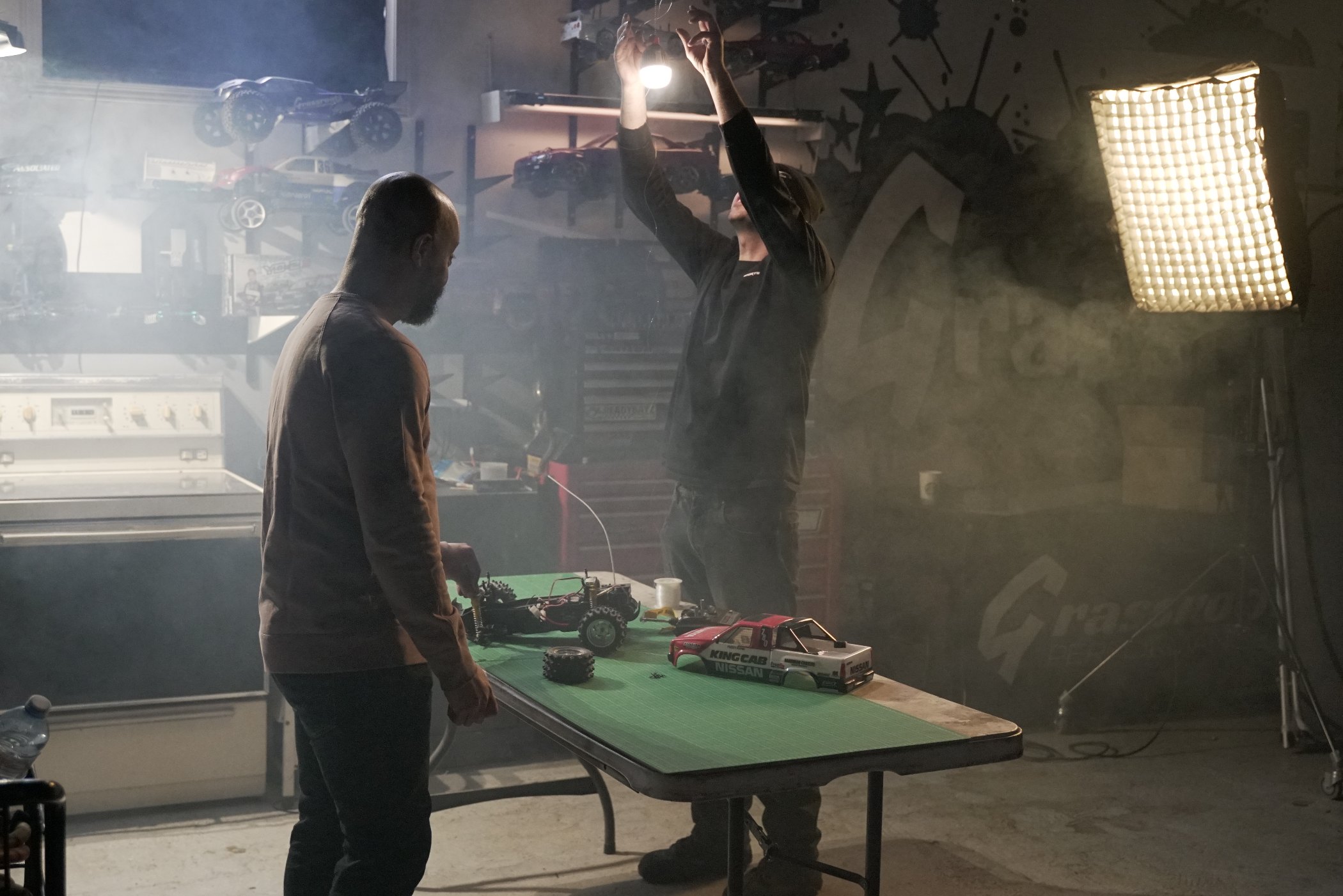
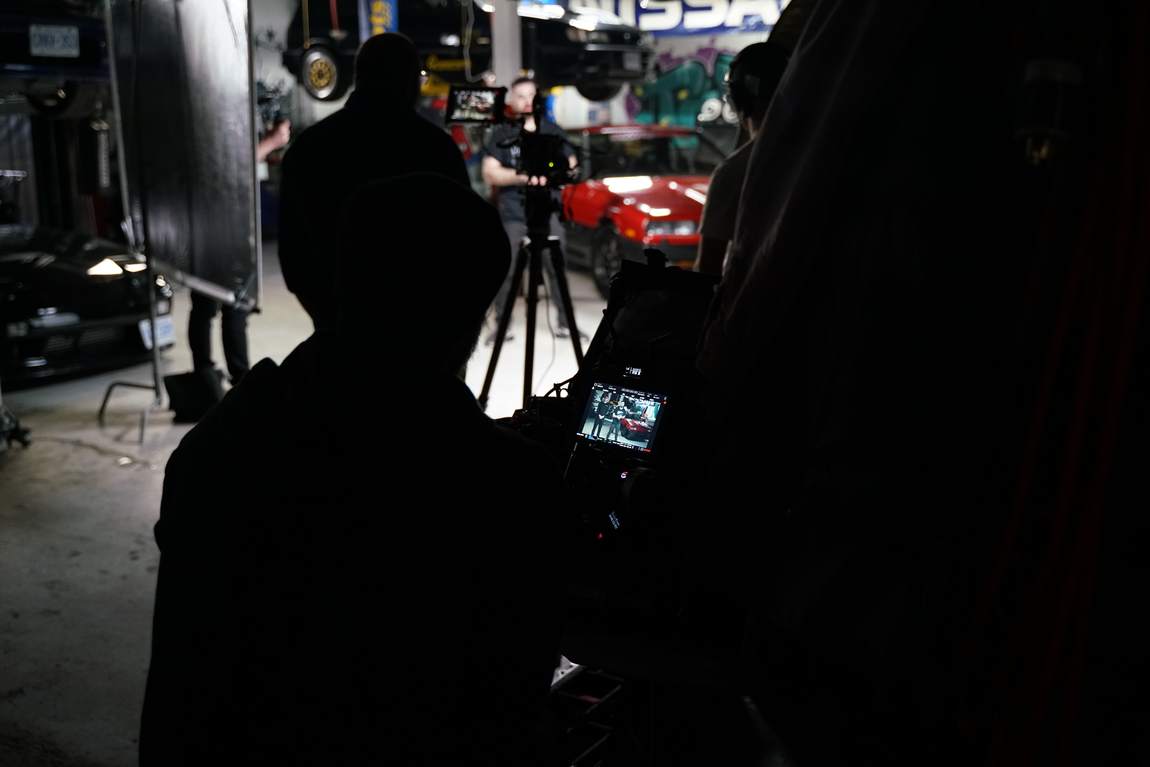
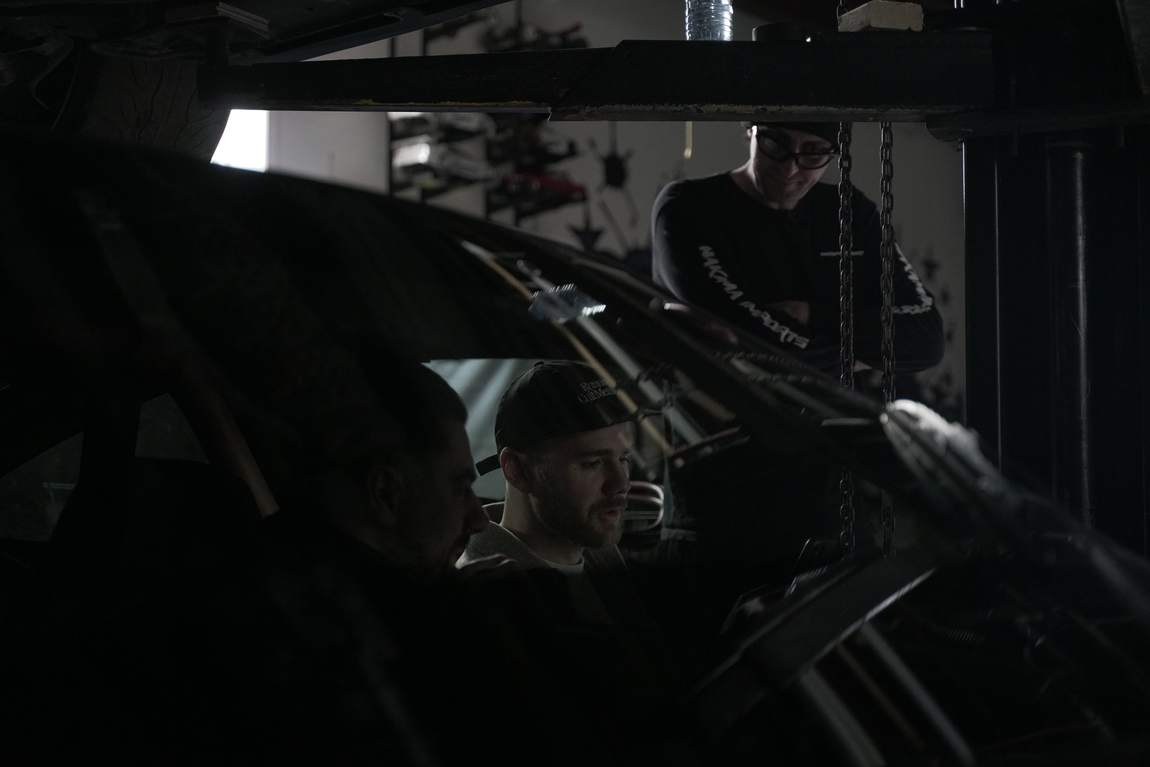
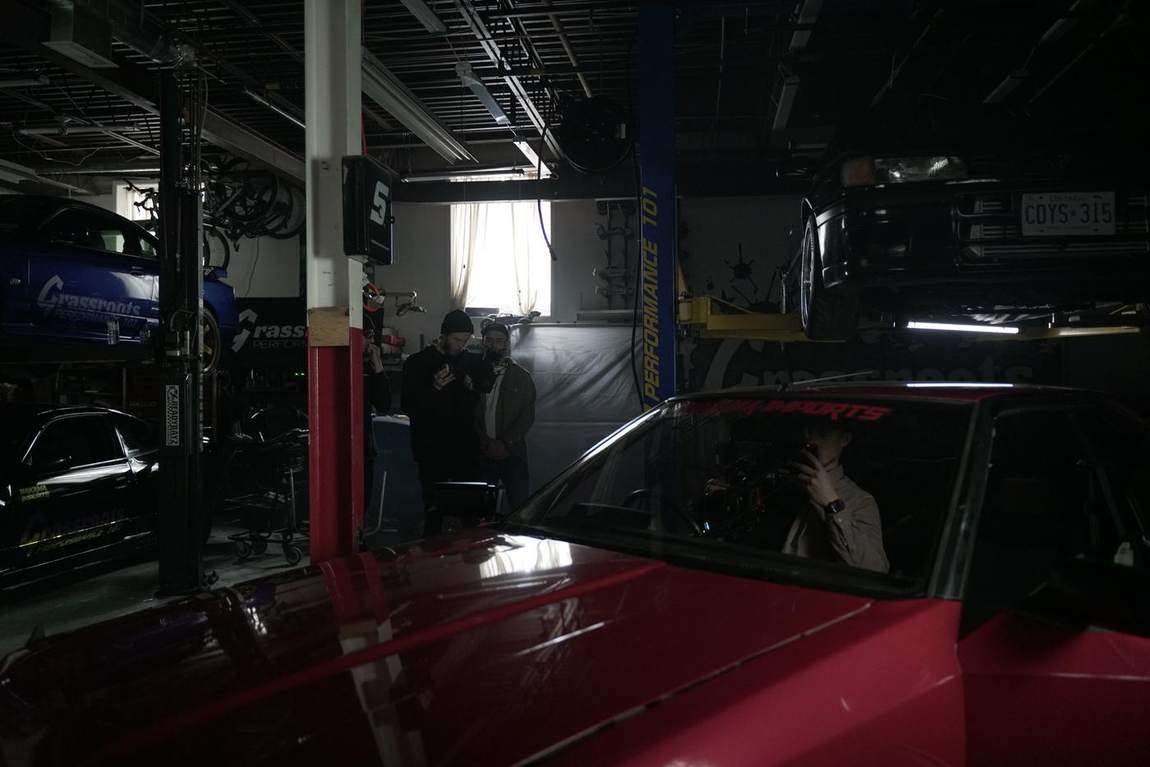
We’re car people. We knew where to find the communities on and offline, from the forums to the garages. We reached out to owners, learned about their lives and their connection to Nissan, and shared our love for cars...probably a little too much.
We could pick up which stories would carry the essence of Nissan, which led to five films. The main character is the owner. Their Nissan shows up the way it does in their life, from restoring it to escaping into the mountains.
Explore their storiesThe Heart
The Adventure
The Legacy
The Thrill
The Endurance
The right owners
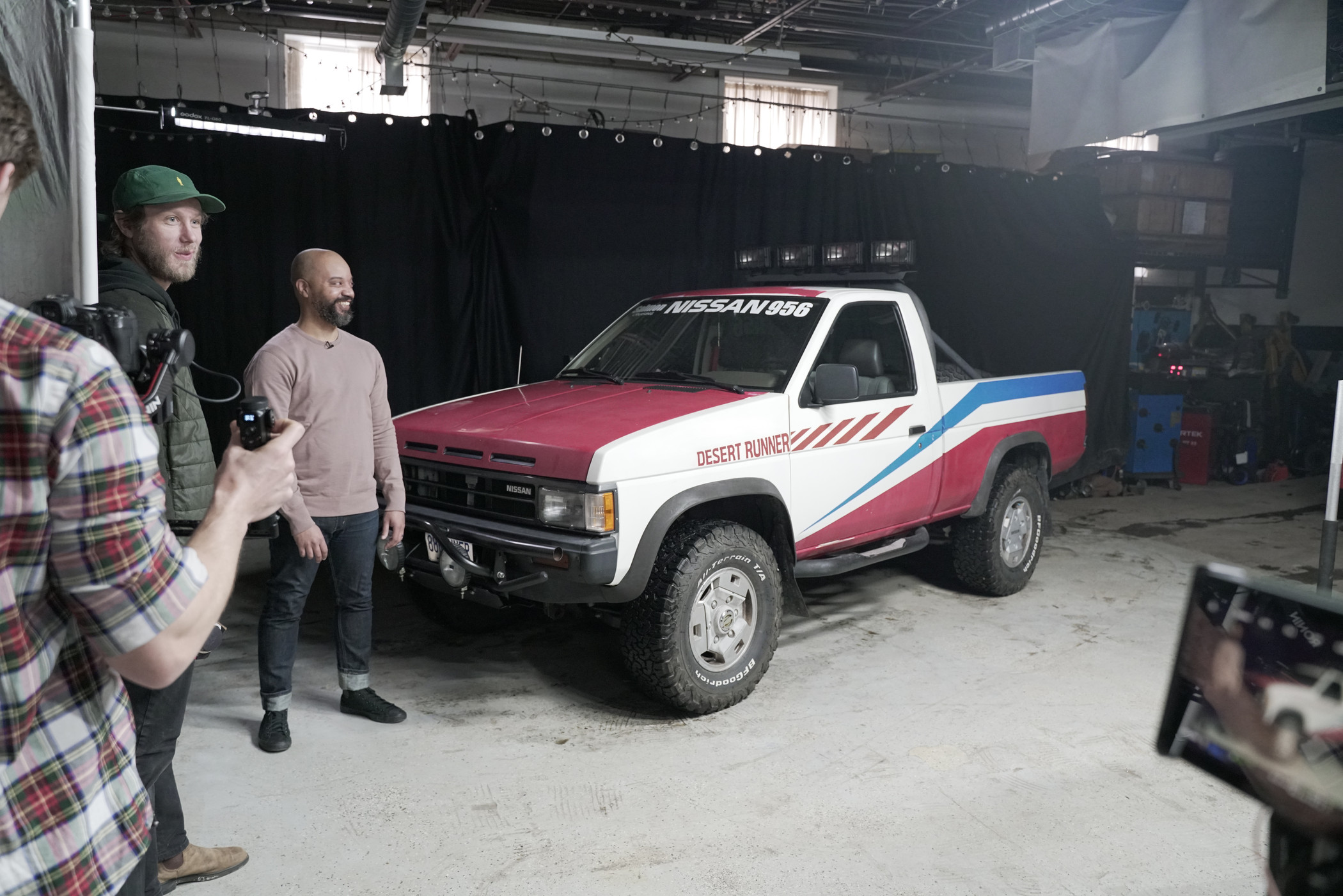
Before we searched, we worked with AutoTrader and Nissan on what mattered to the brand right now. Then we looked at the people who love it. The essence sat between the two. We wanted people with extraordinary lives where Nissan is a character, not just owners, and we dug until we needed to know what makes them tick. A vintage Nissan truck, bought because they’d owned the toy version, told us we were getting warmer.
Real experiences
We built each interview around their real experiences, not an invented life or purpose. Ask people about something they love and they open up.
In their habitat
We let their quirks and personality come through, in their own environment. The owner is the main character. Their Nissan is the sidekick.
The films resonated because they were true. Nissan showed up as what it actually means to the people who drive one, in their own words, and enthusiasts recognized it. Retention held across the series, and a year later the agency was still putting the films to work.
Have a challenge you’re solving? We’re here to talk through it.
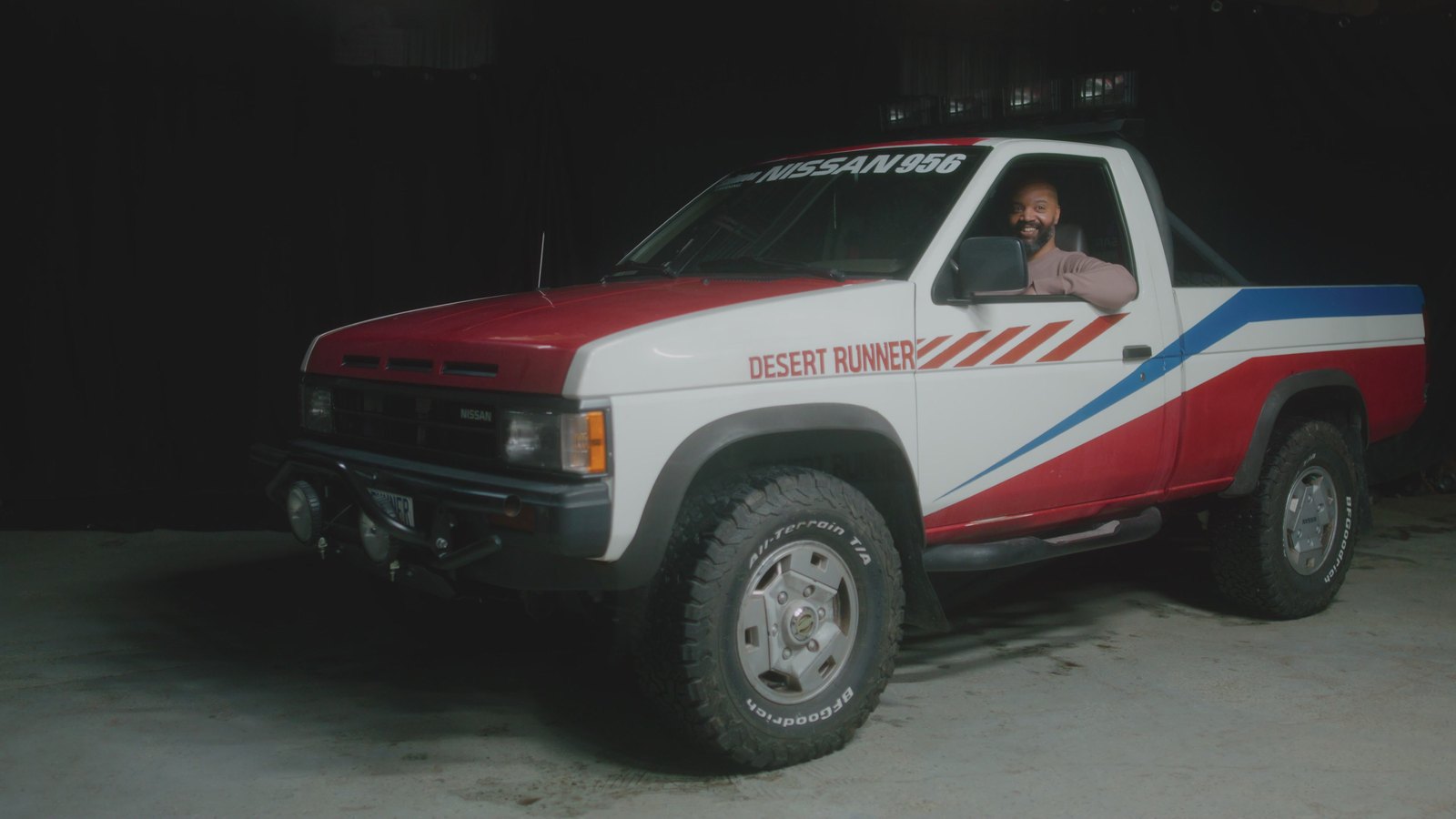
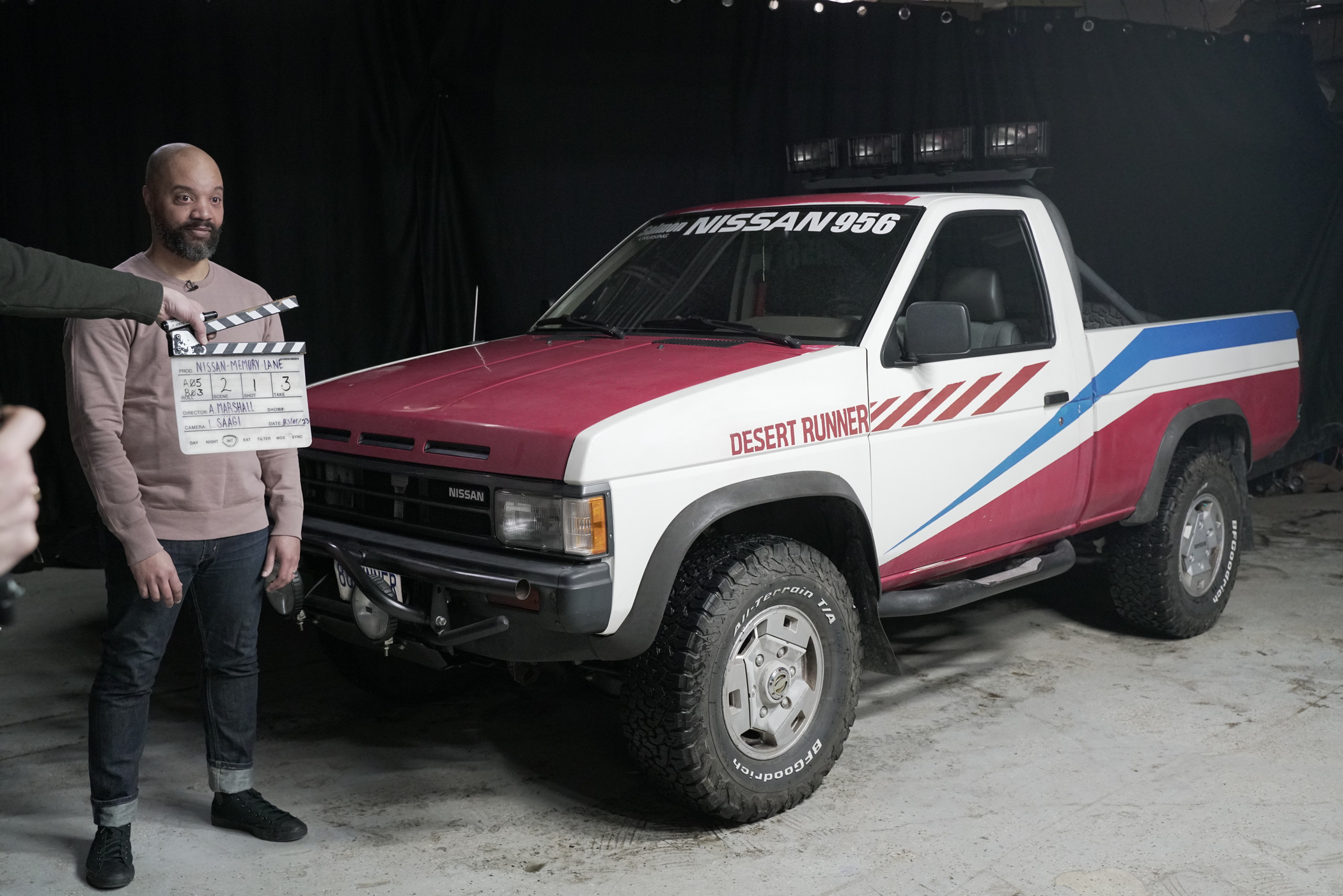
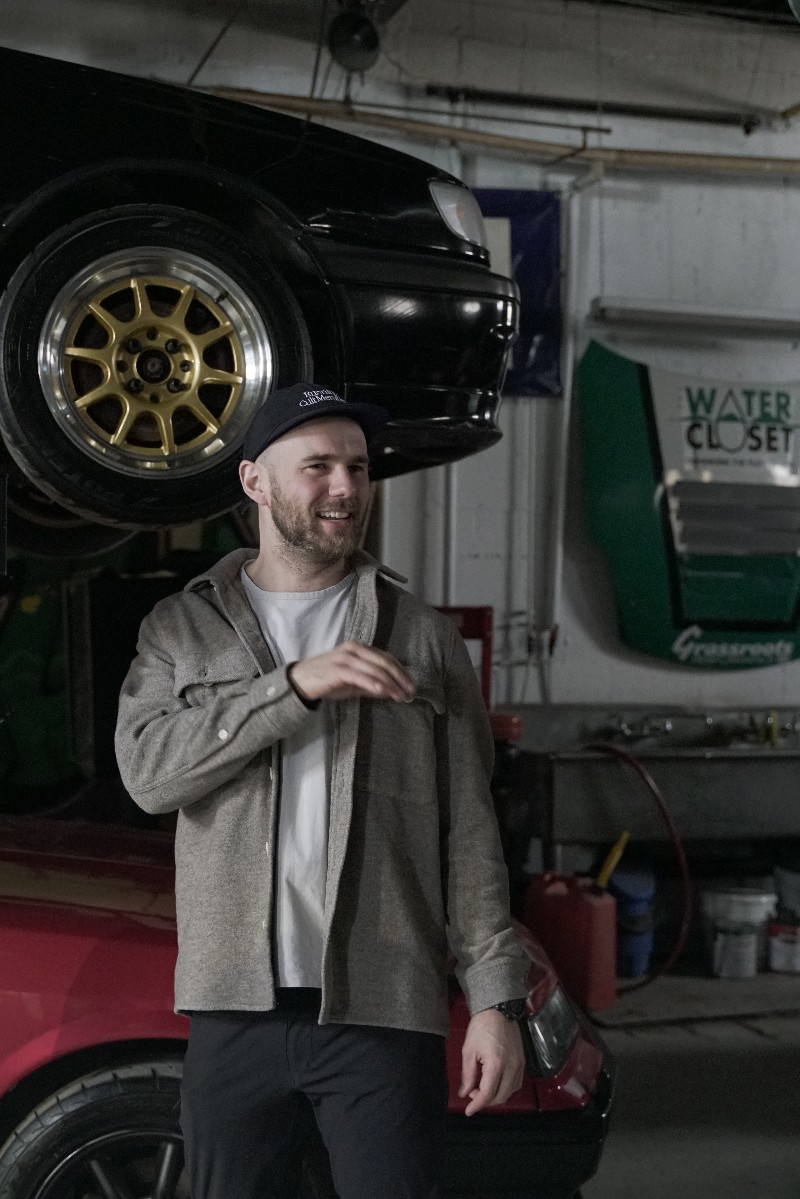
Start a project ↗Some people buy the model version of their vehicle, and then there is Daine, who bought the vehicle of their toy.
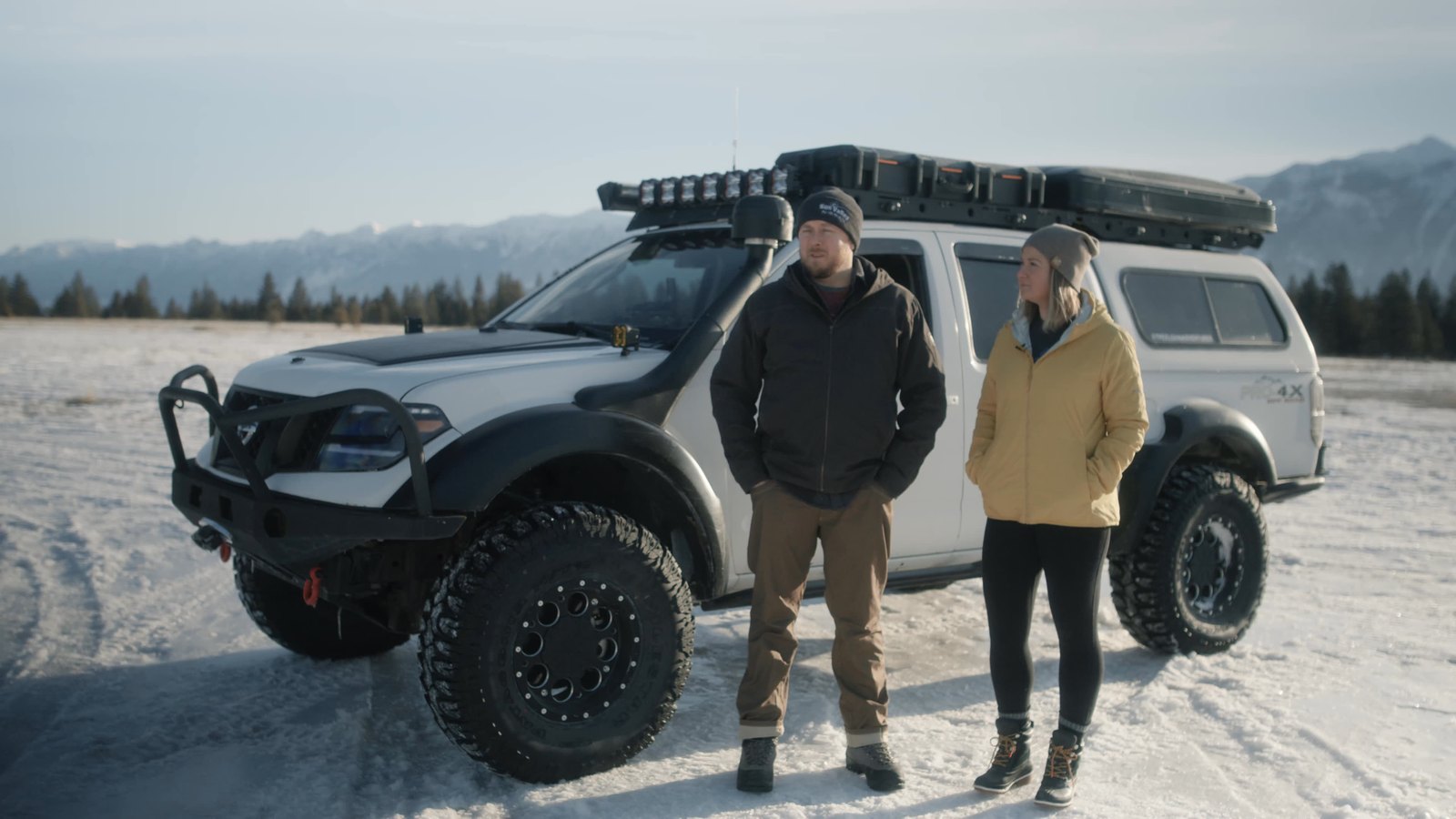
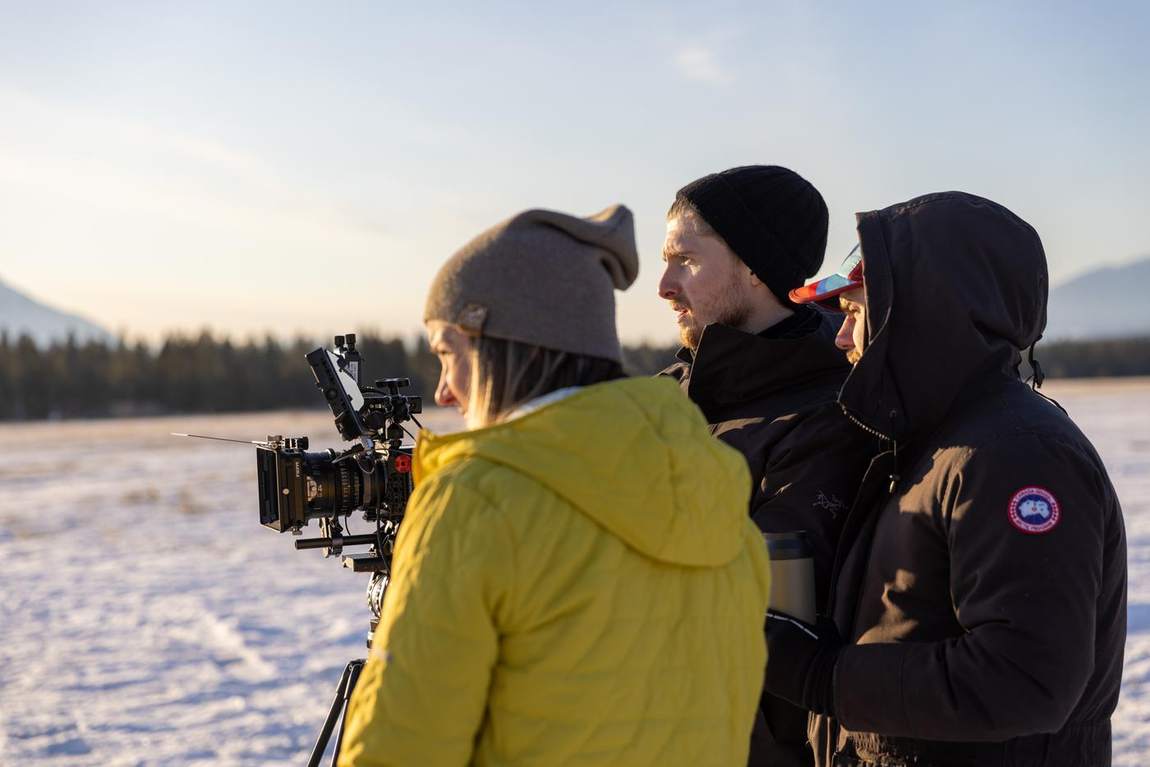
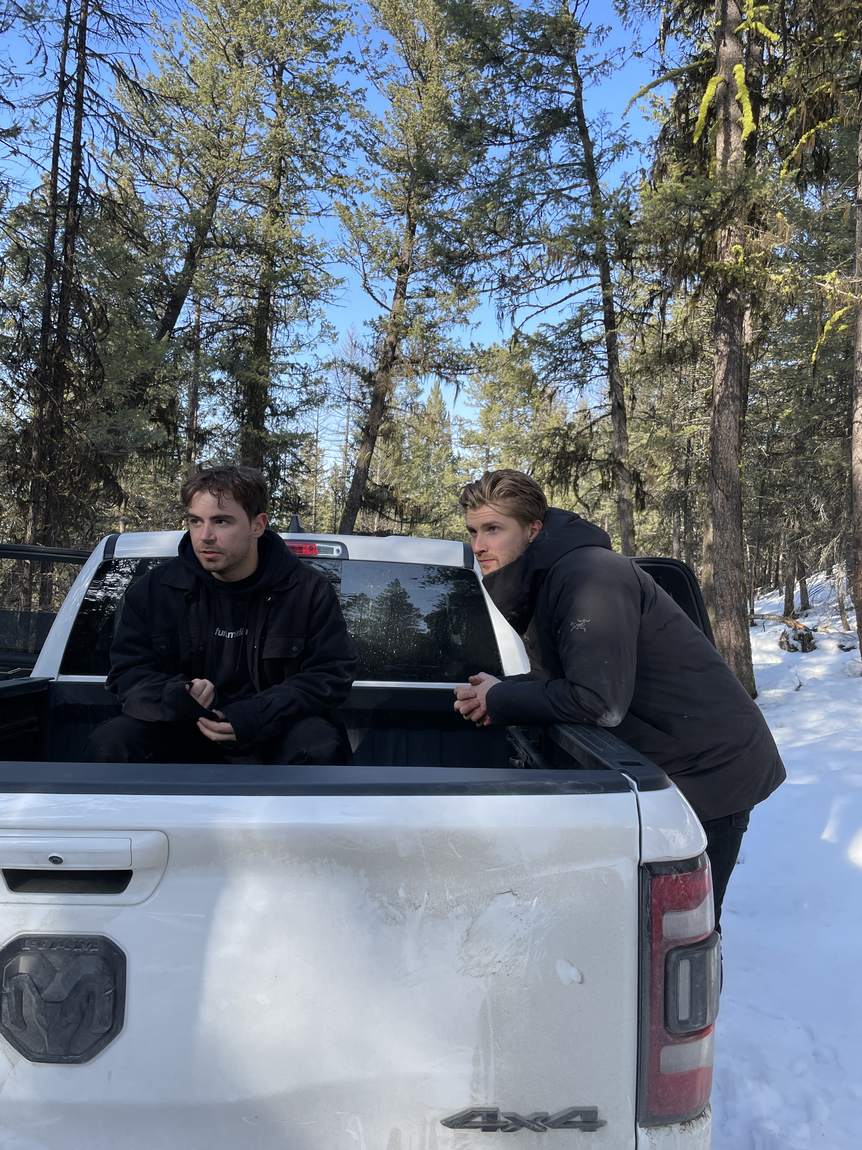
The ones who took “I’m going to go live in the woods” literally.
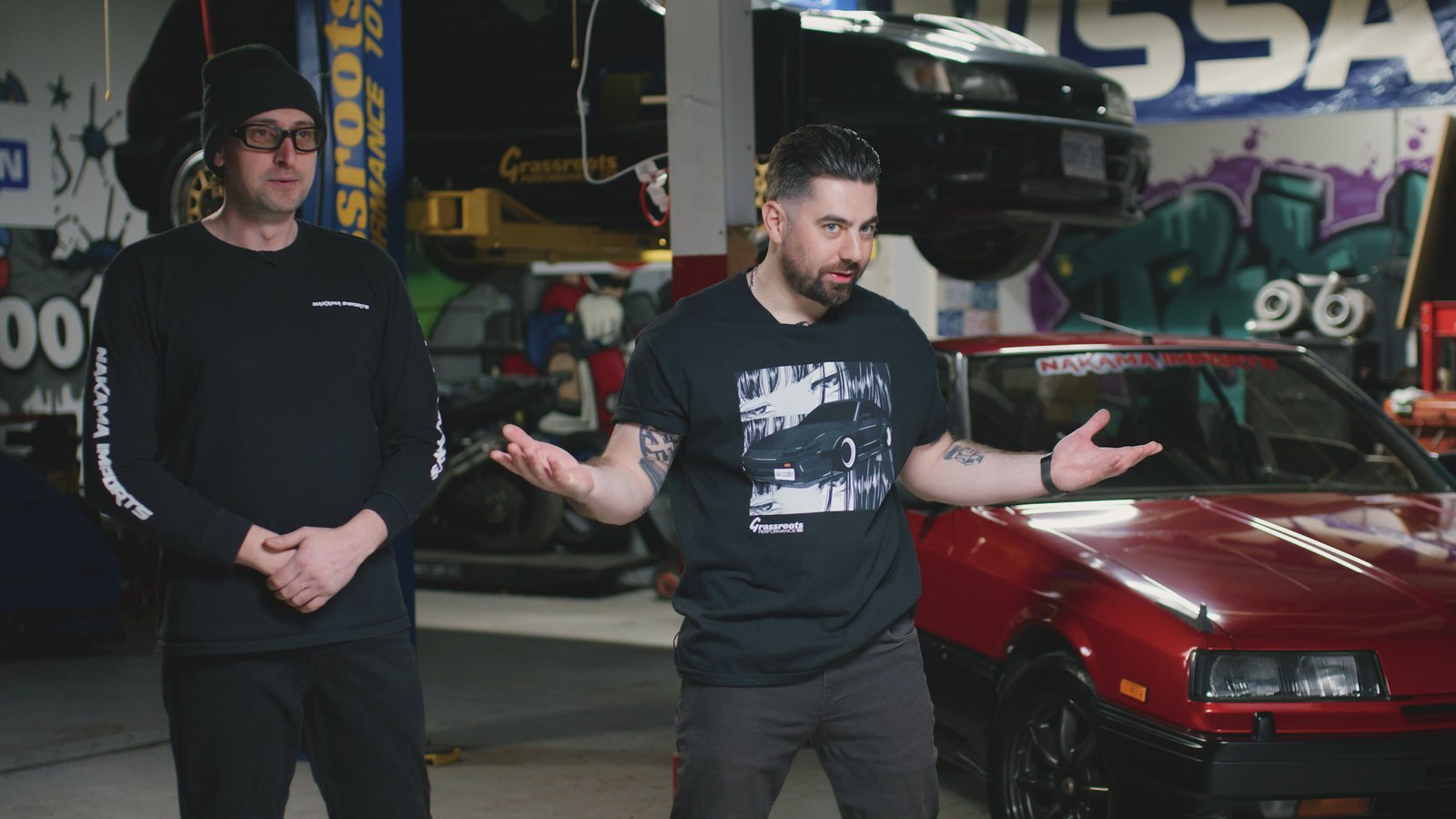
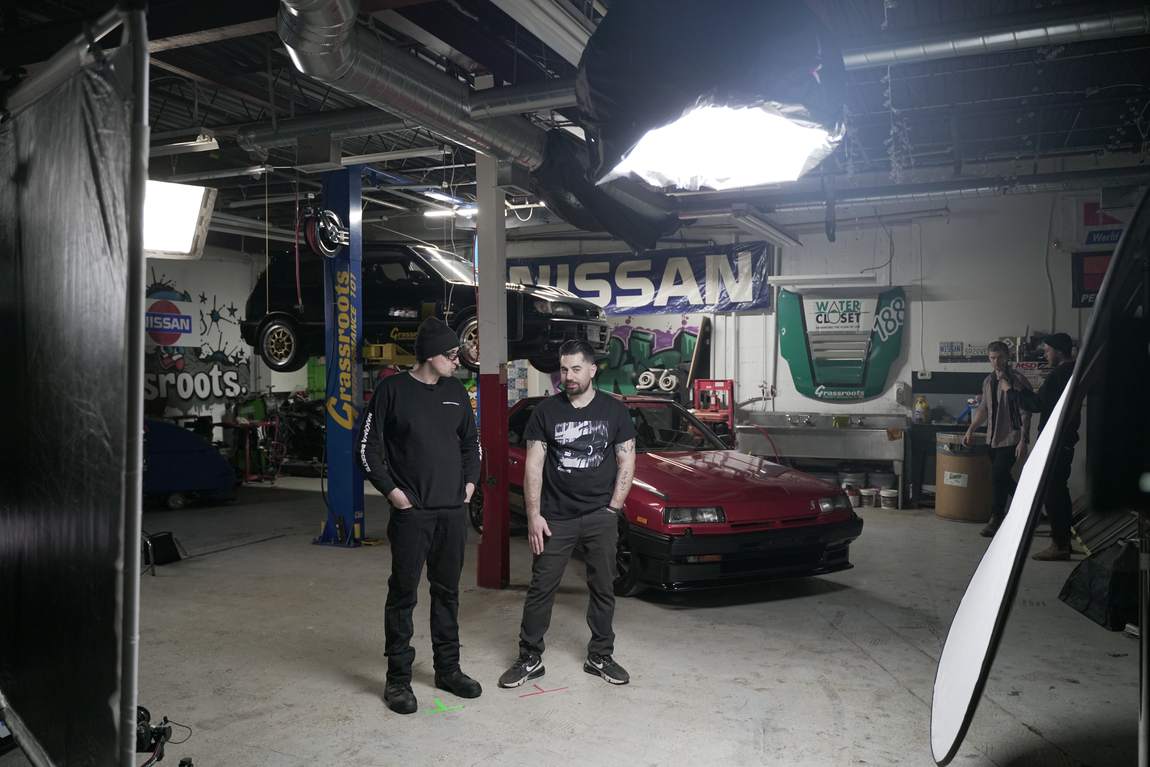
There are enthusiasts, and then there are Paul and Alex, who lost count of how many Nissan classics they have owned over the years.
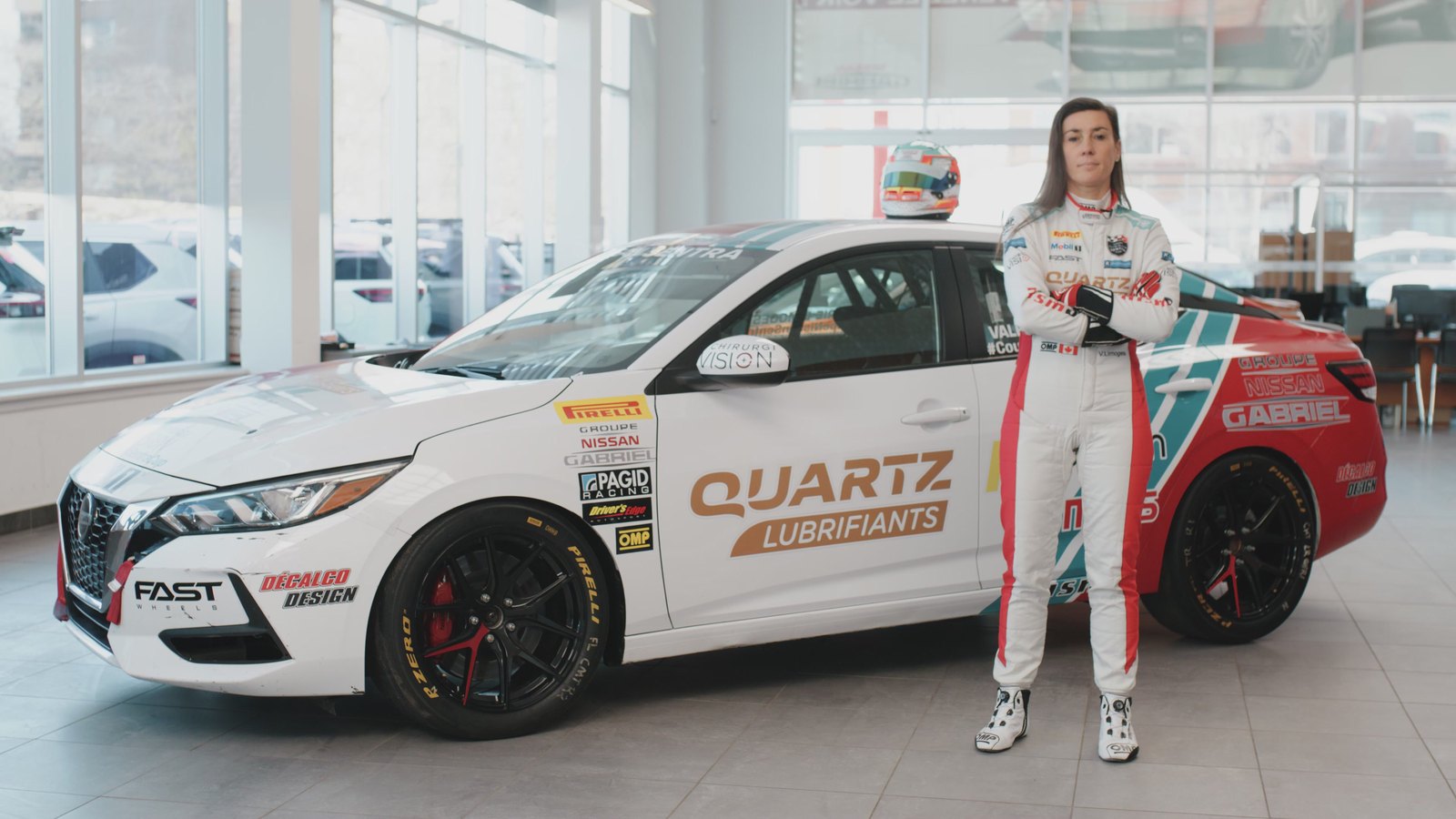
Do not underestimate Valérie with a family sedan.
Few people can say they’ve put just as many miles on their bike as on their vehicle.
Paul and Alex won't just invite you into their shop to talk about Nissan...they will also cook for you.
How we spend our days,
is of course, how we spend our days
The incremental
work nobody sees
We celebrate people for their results, with little thought for the resilience and commitment it took to get there. It’s forgivable. We chalk it up to talent, sacrifice or luck. But the one thing people who succeed have in common is that they’ve built the habit of showing up, day in and day out.
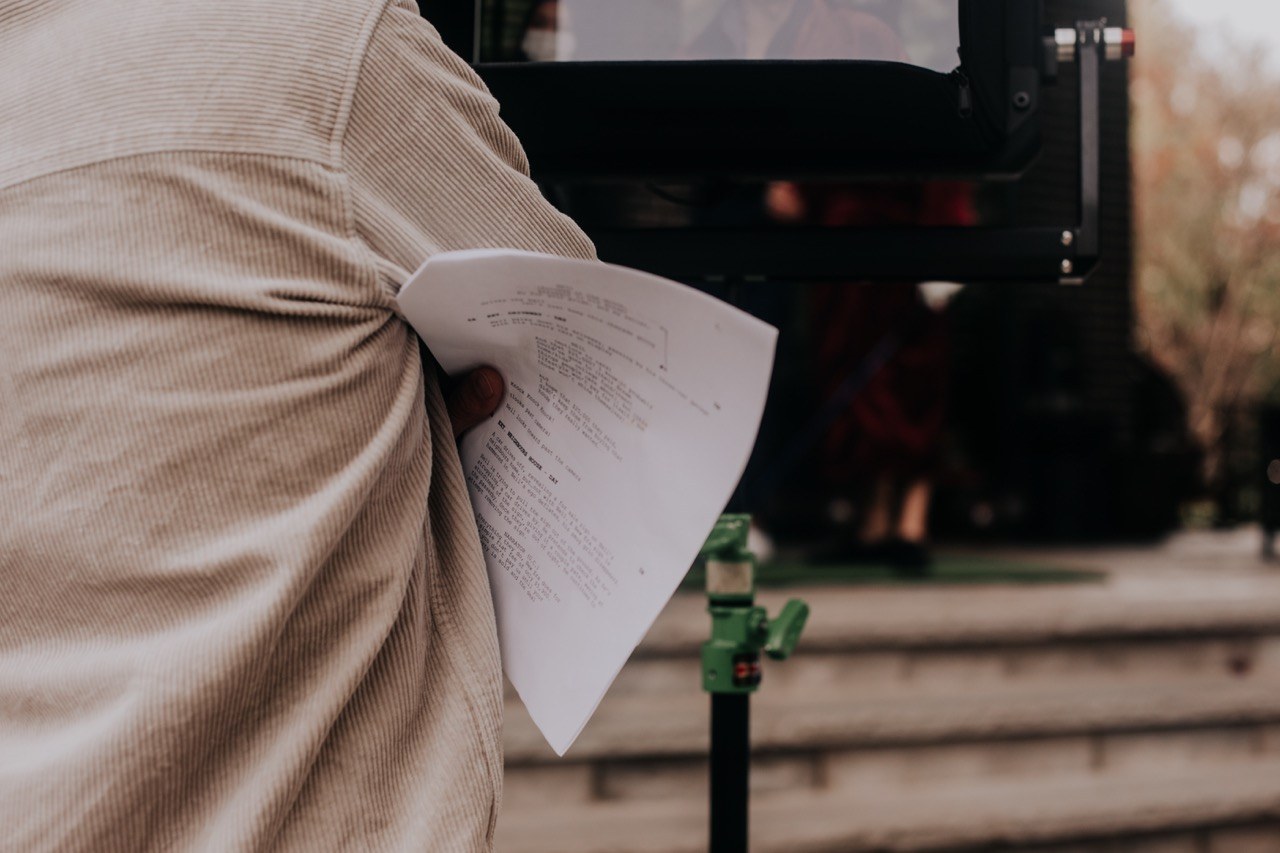
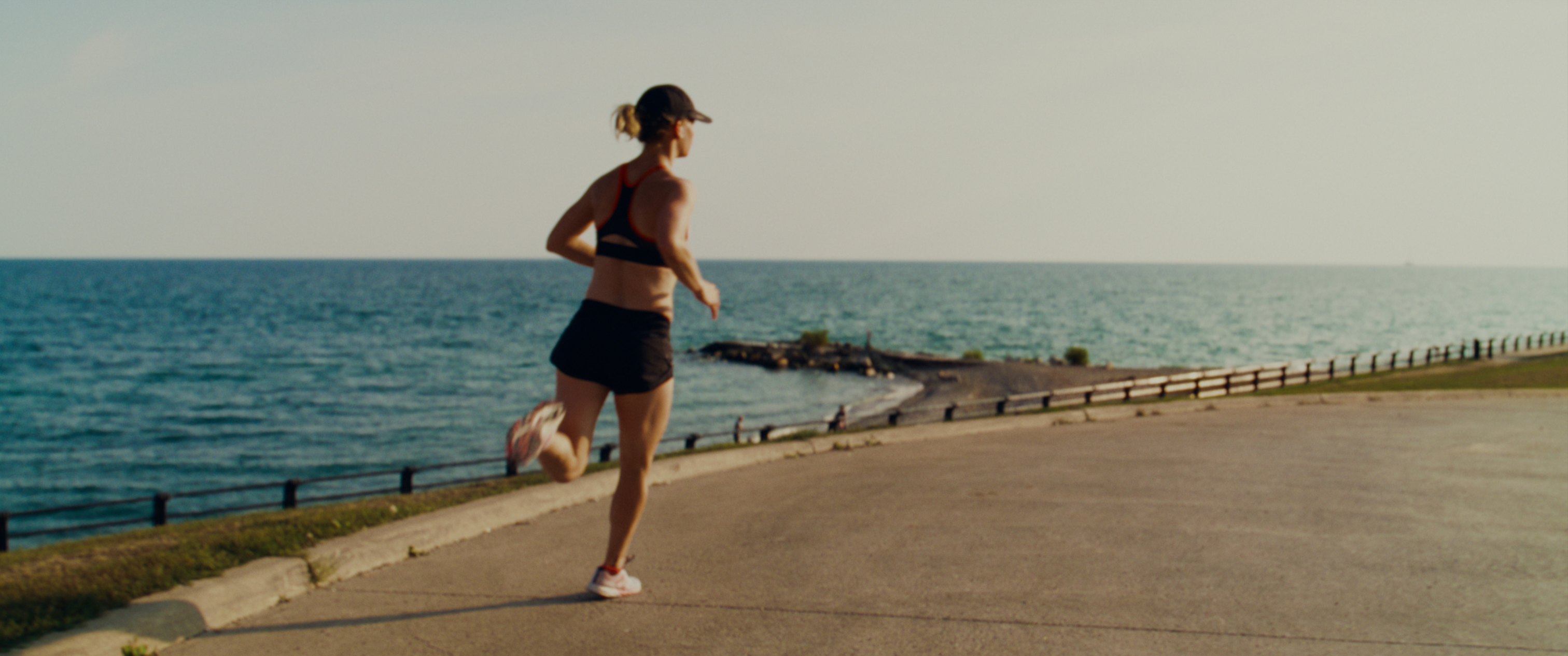
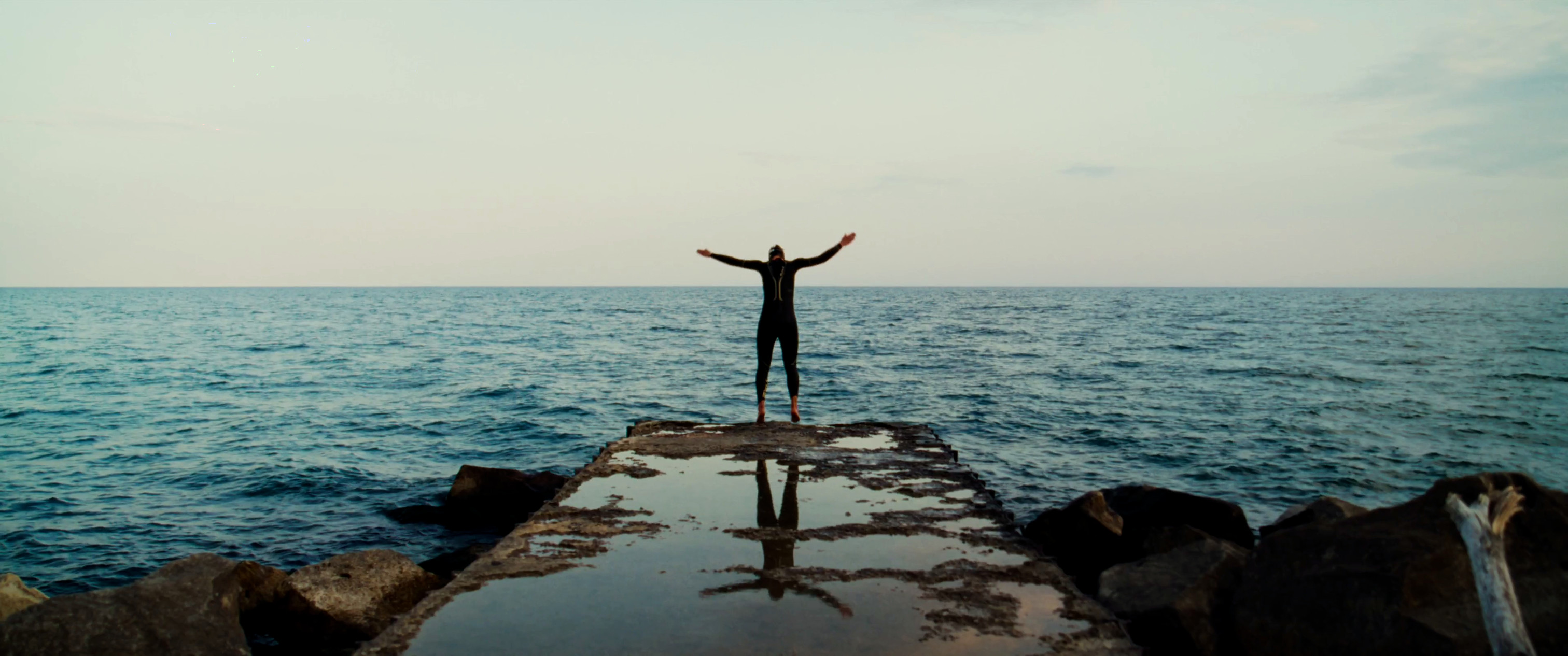
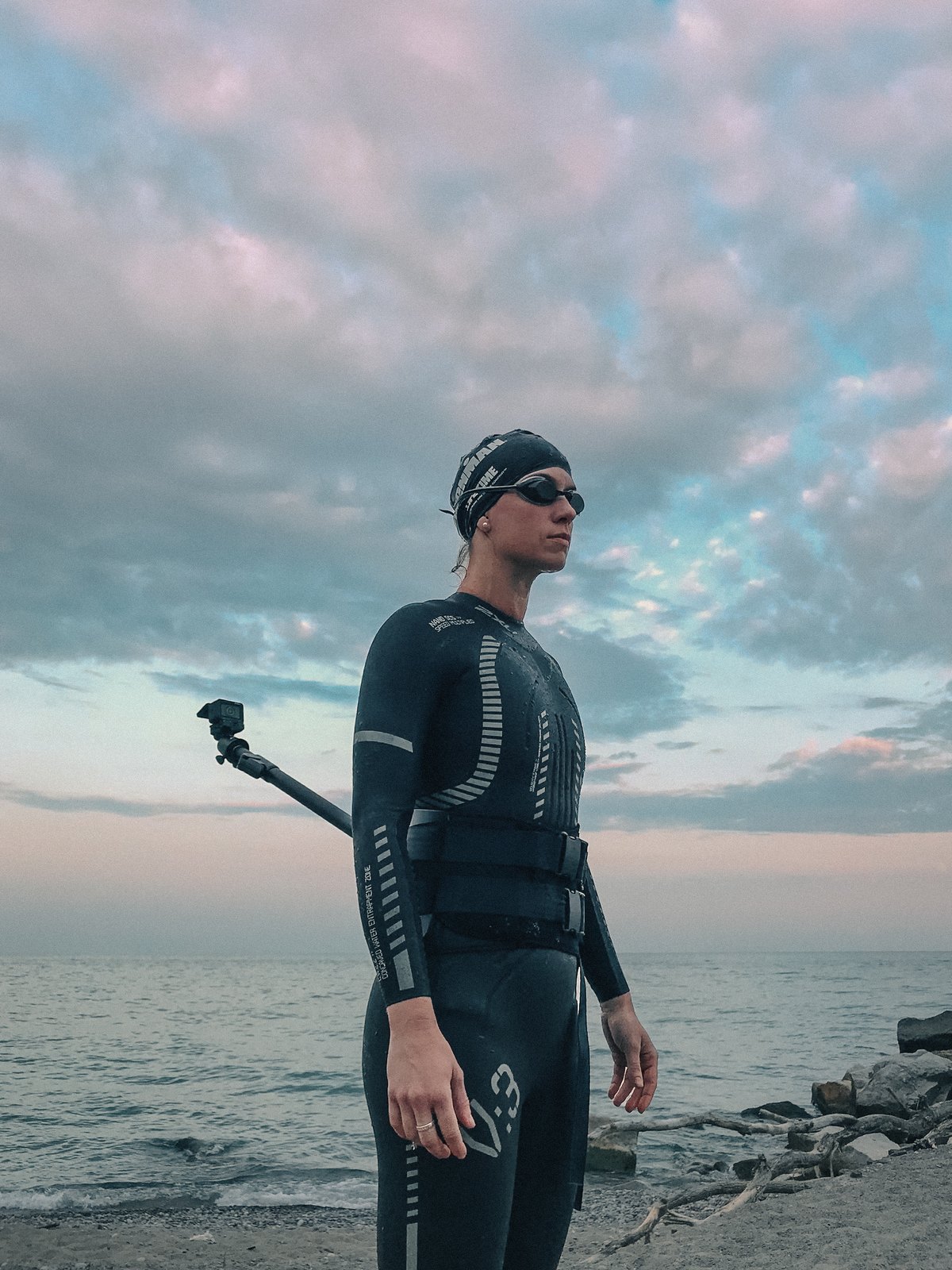
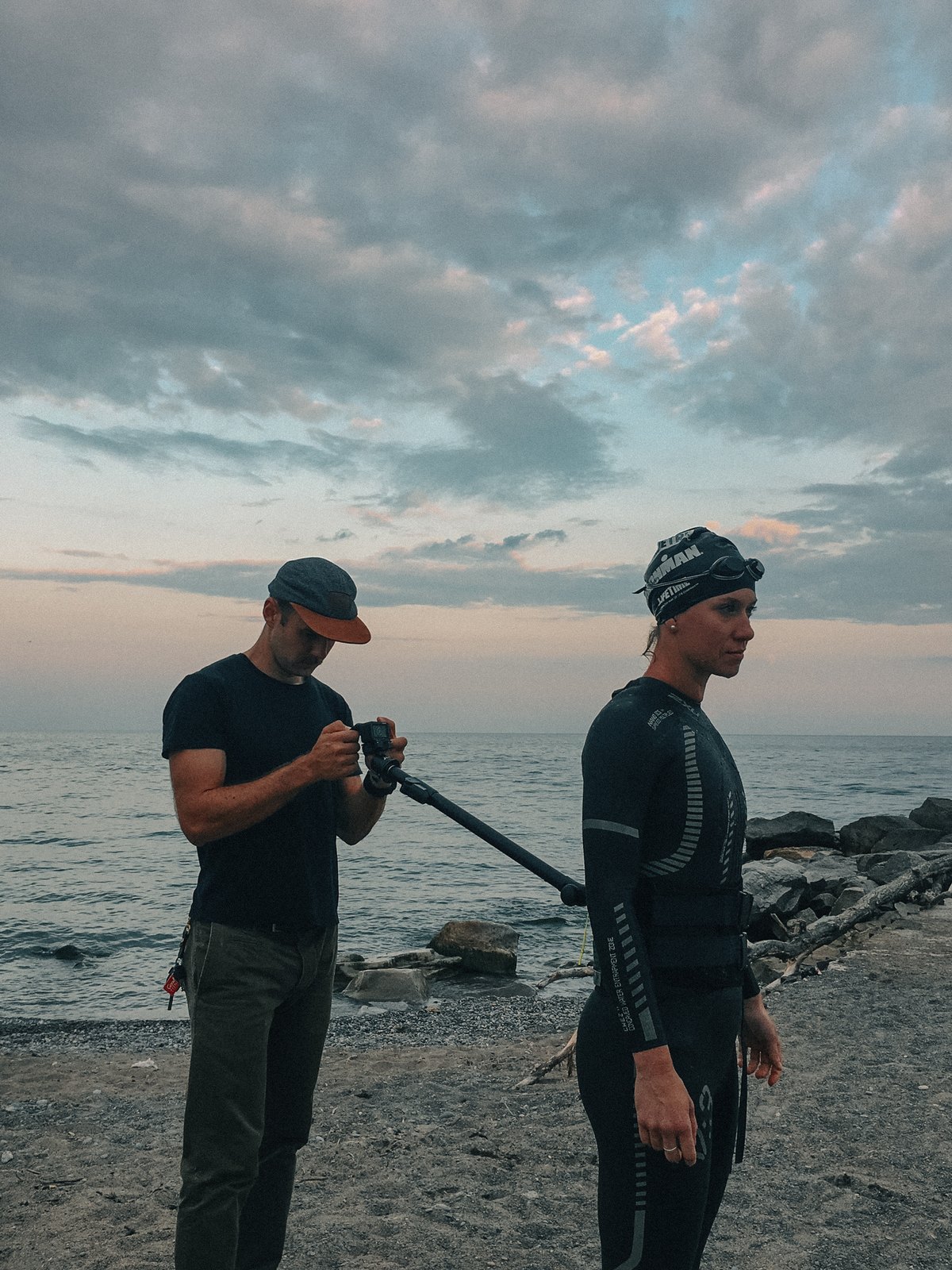
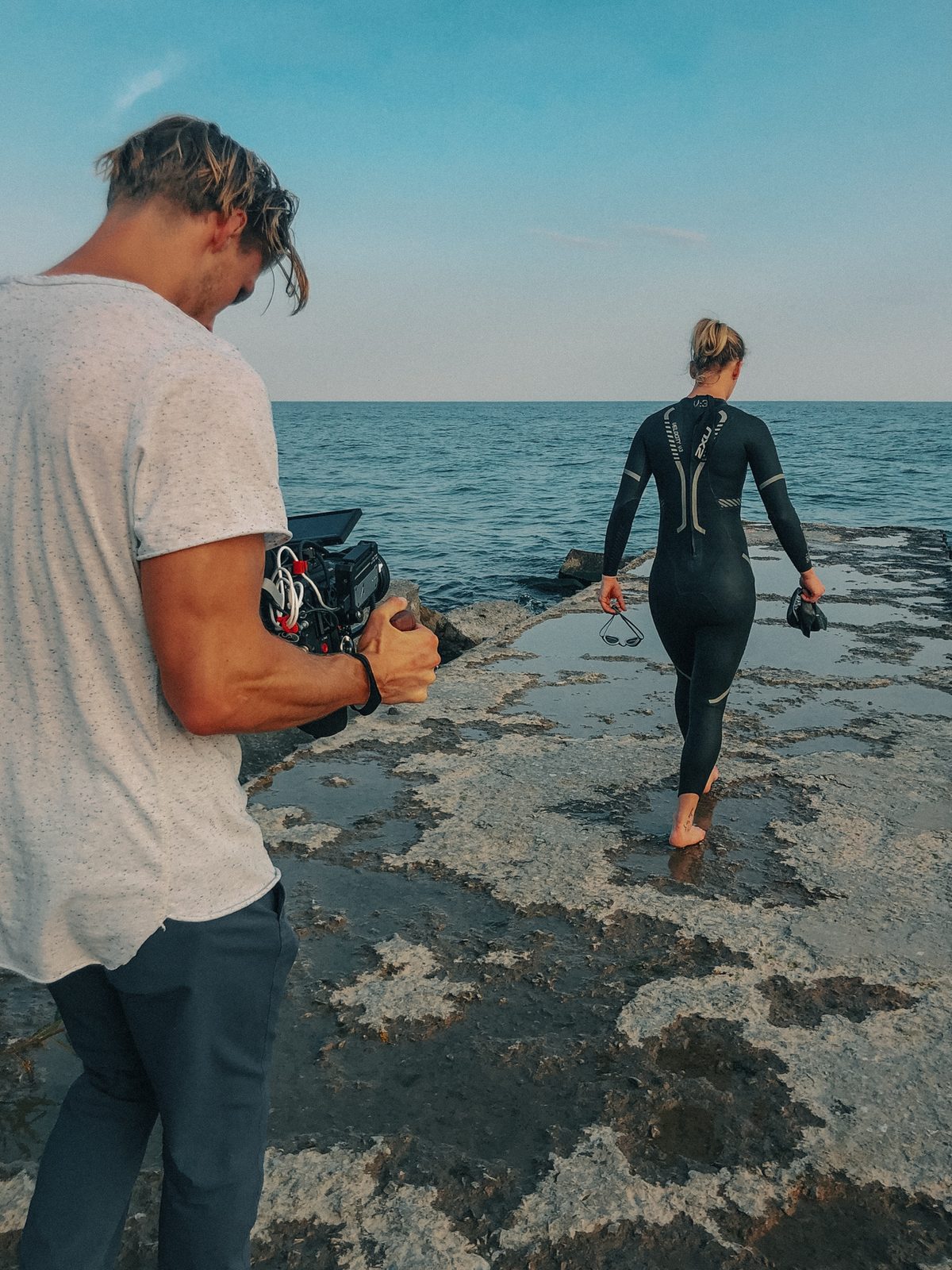
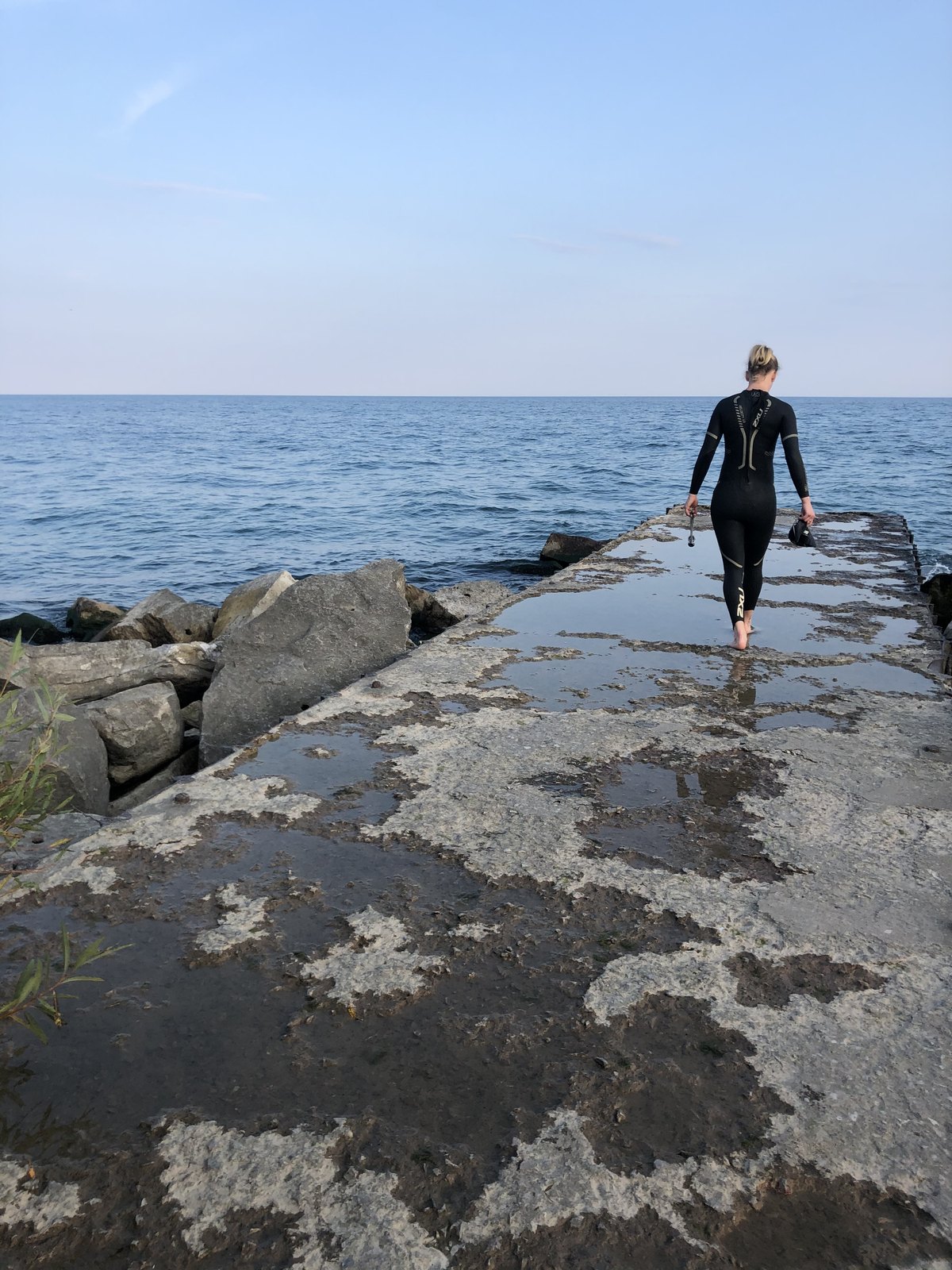
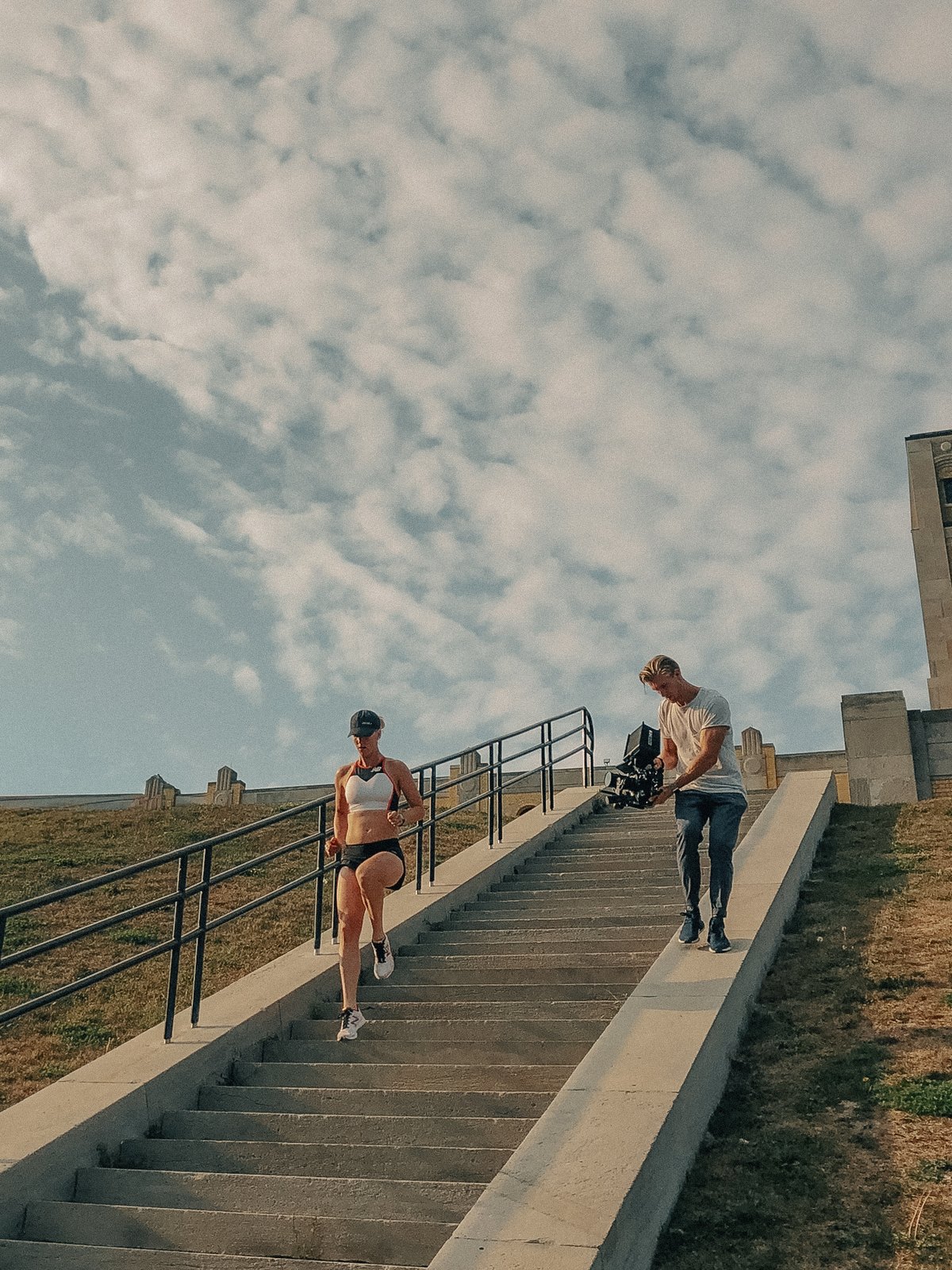
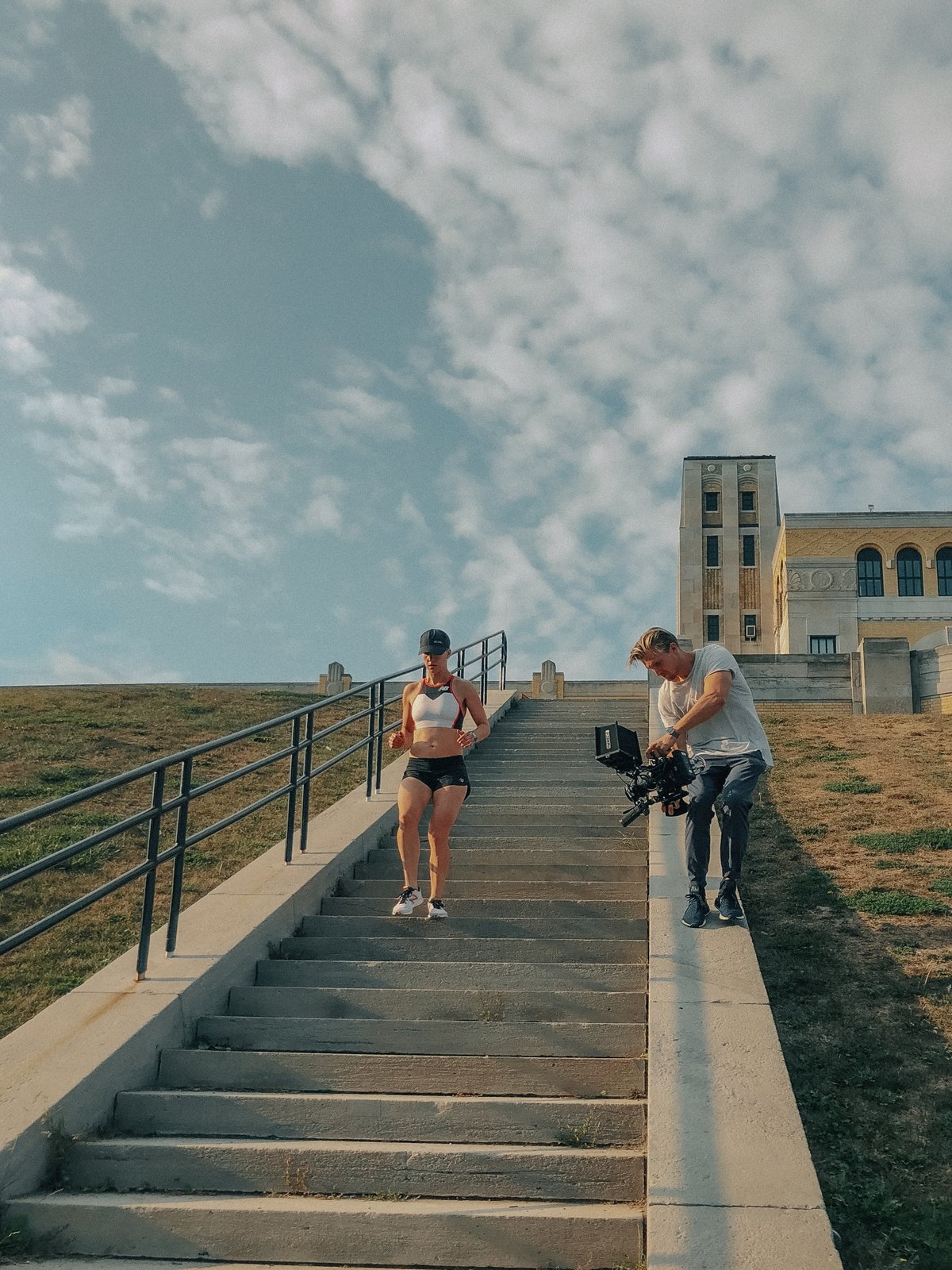
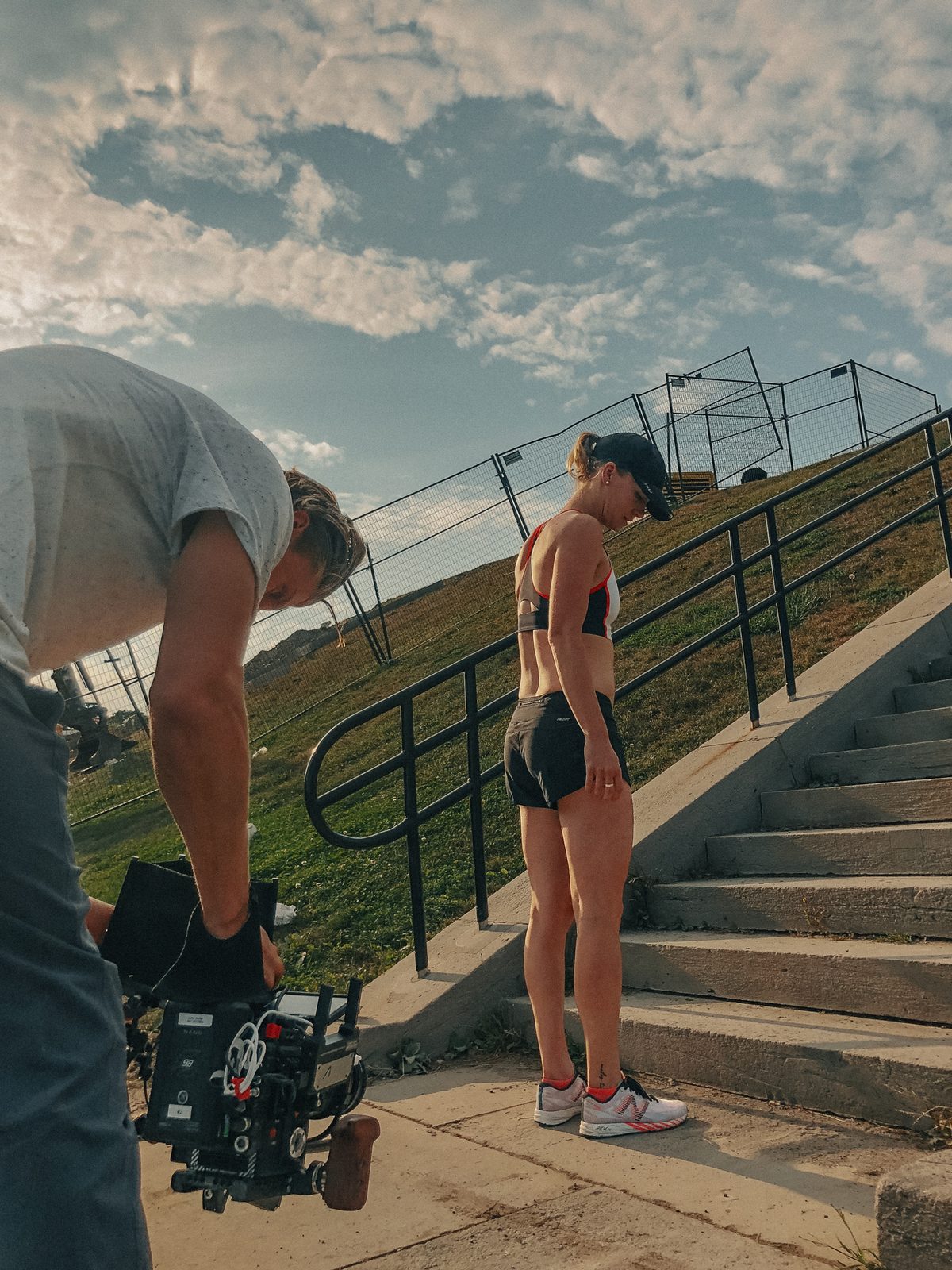
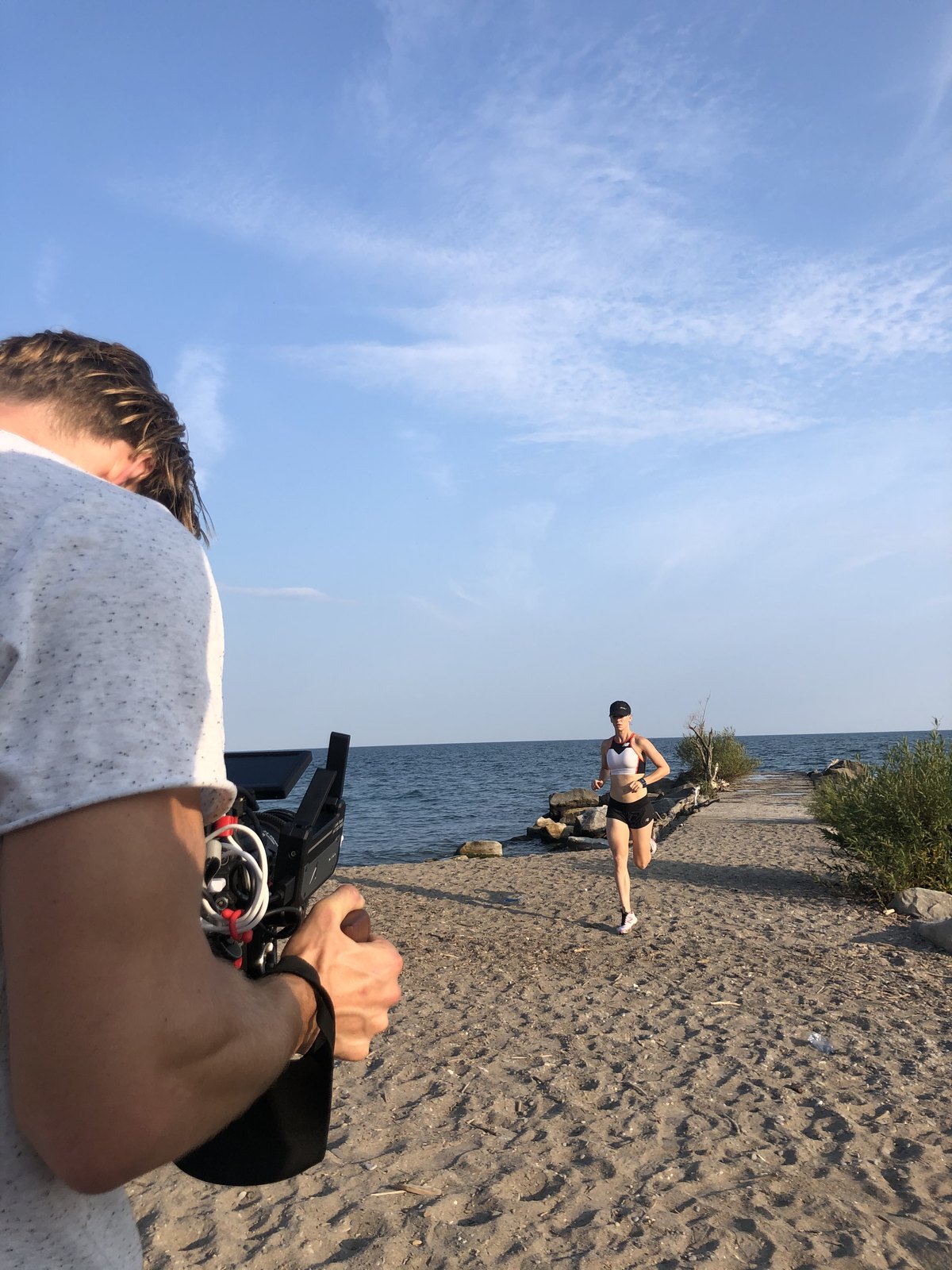
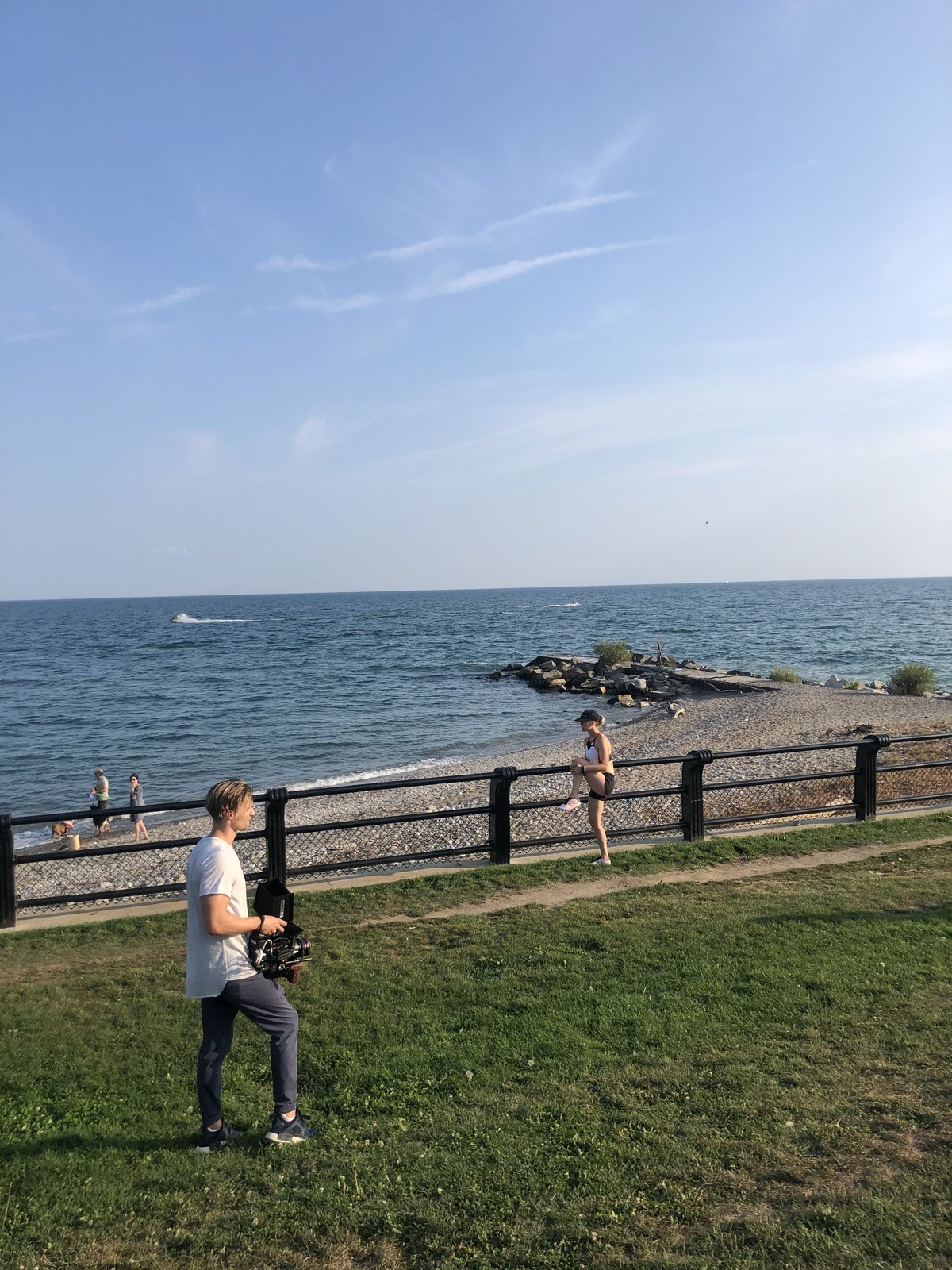
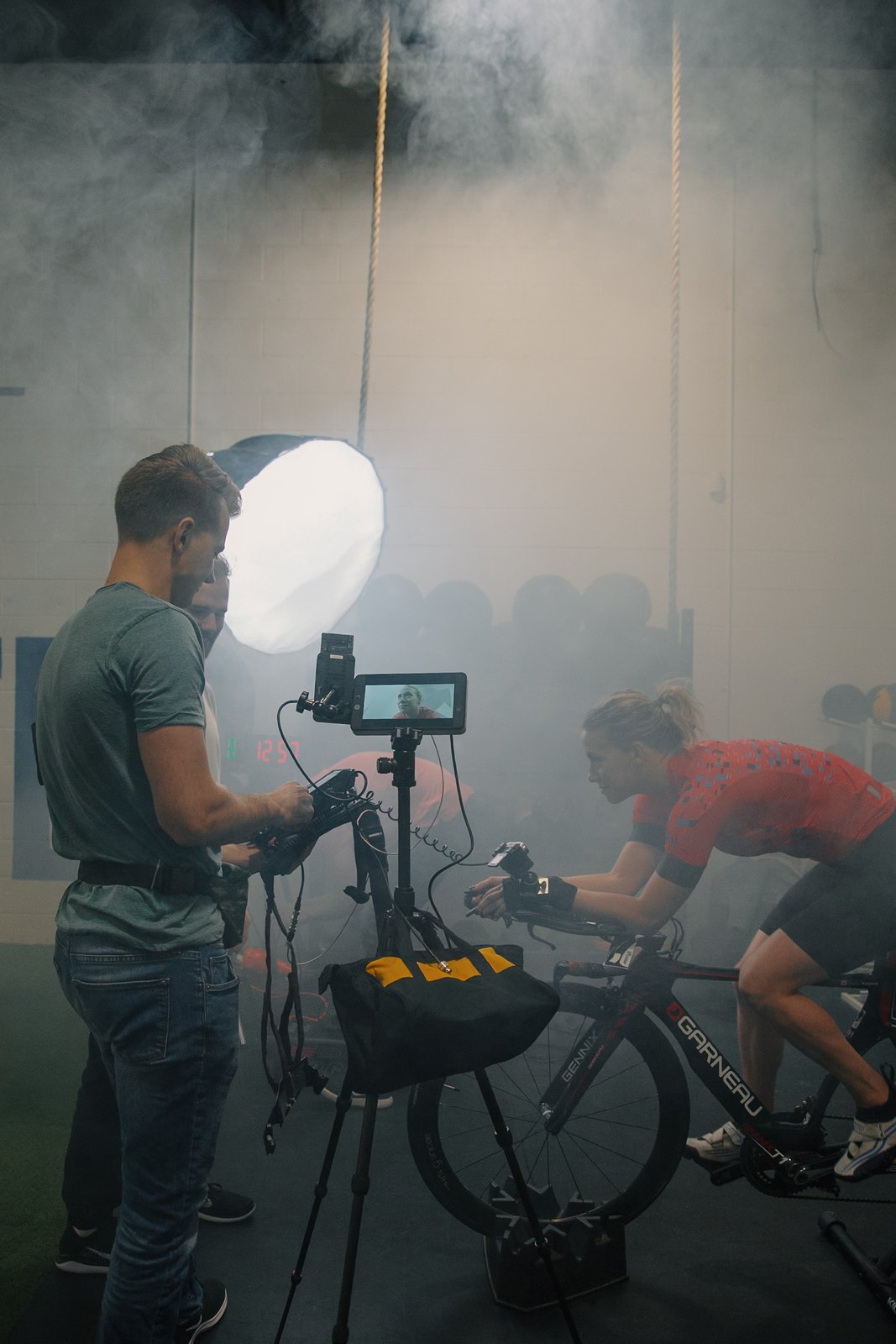
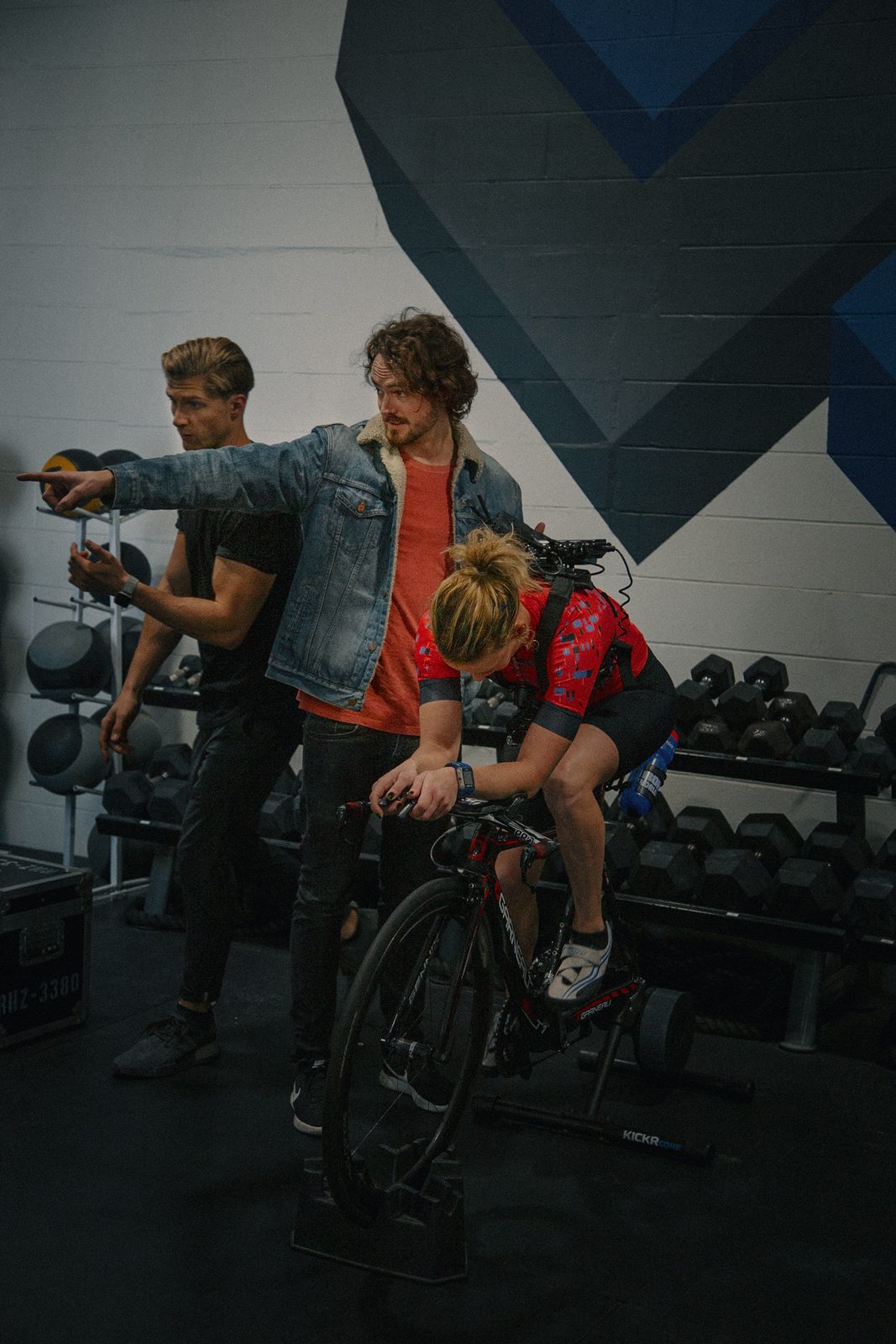
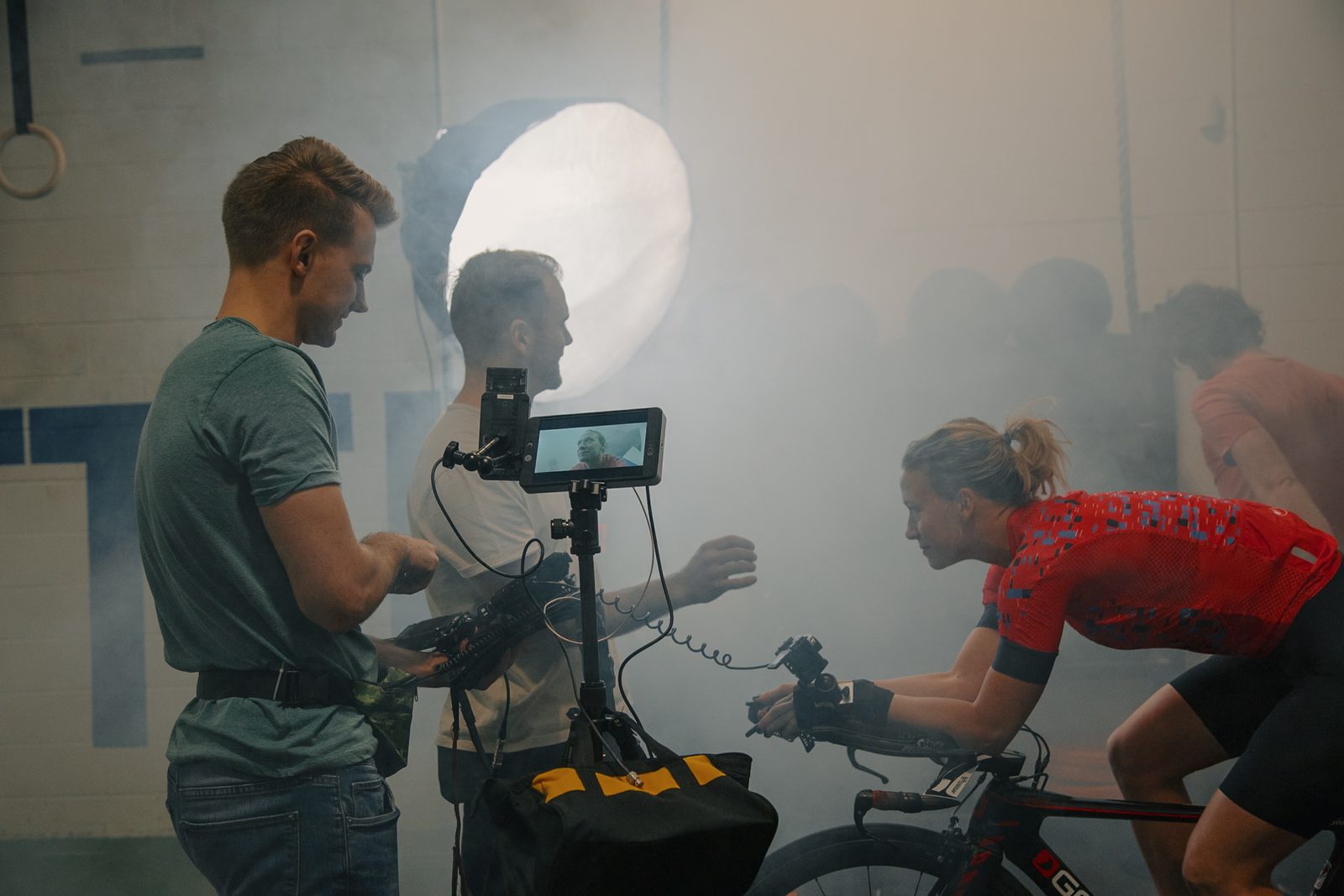
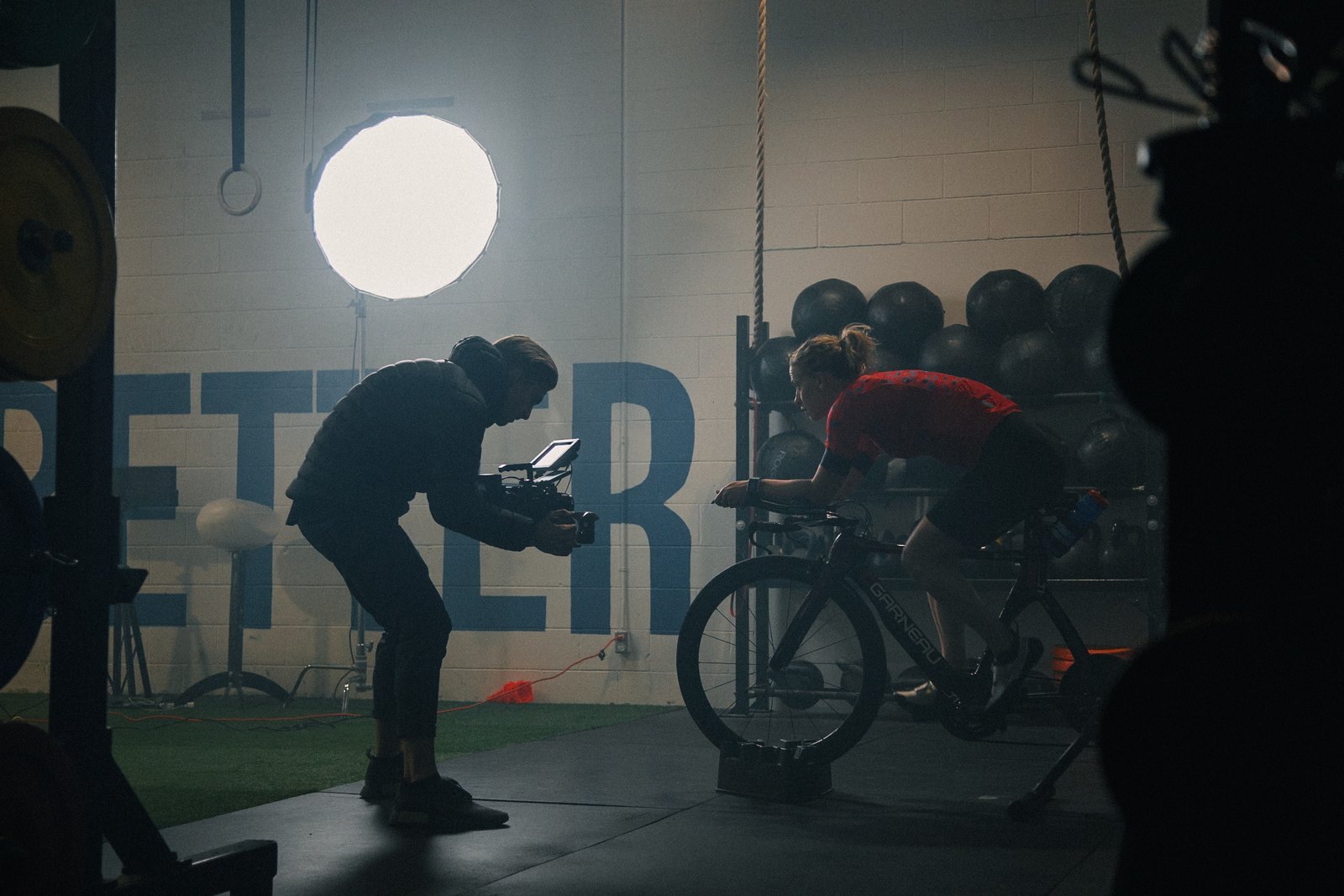
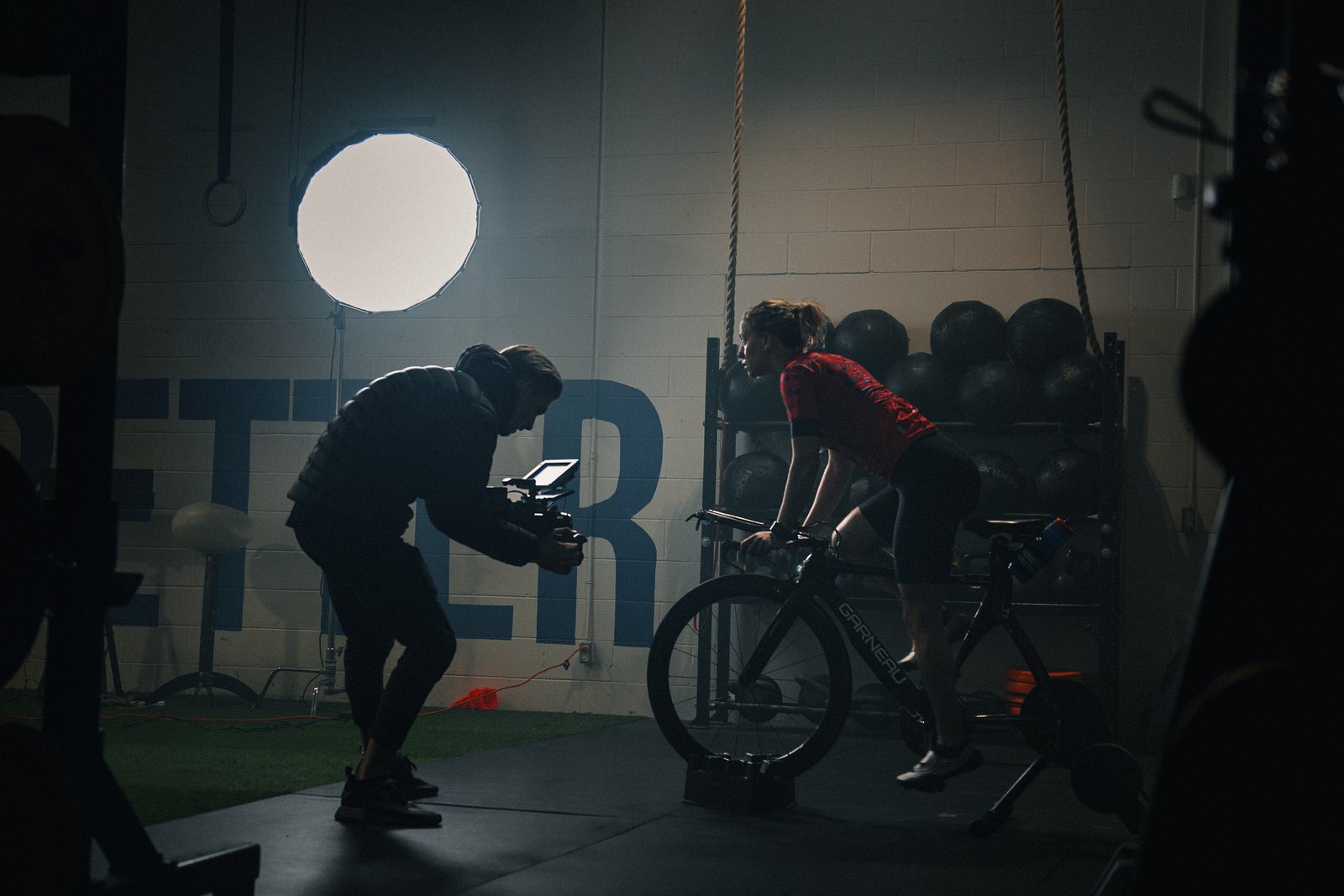
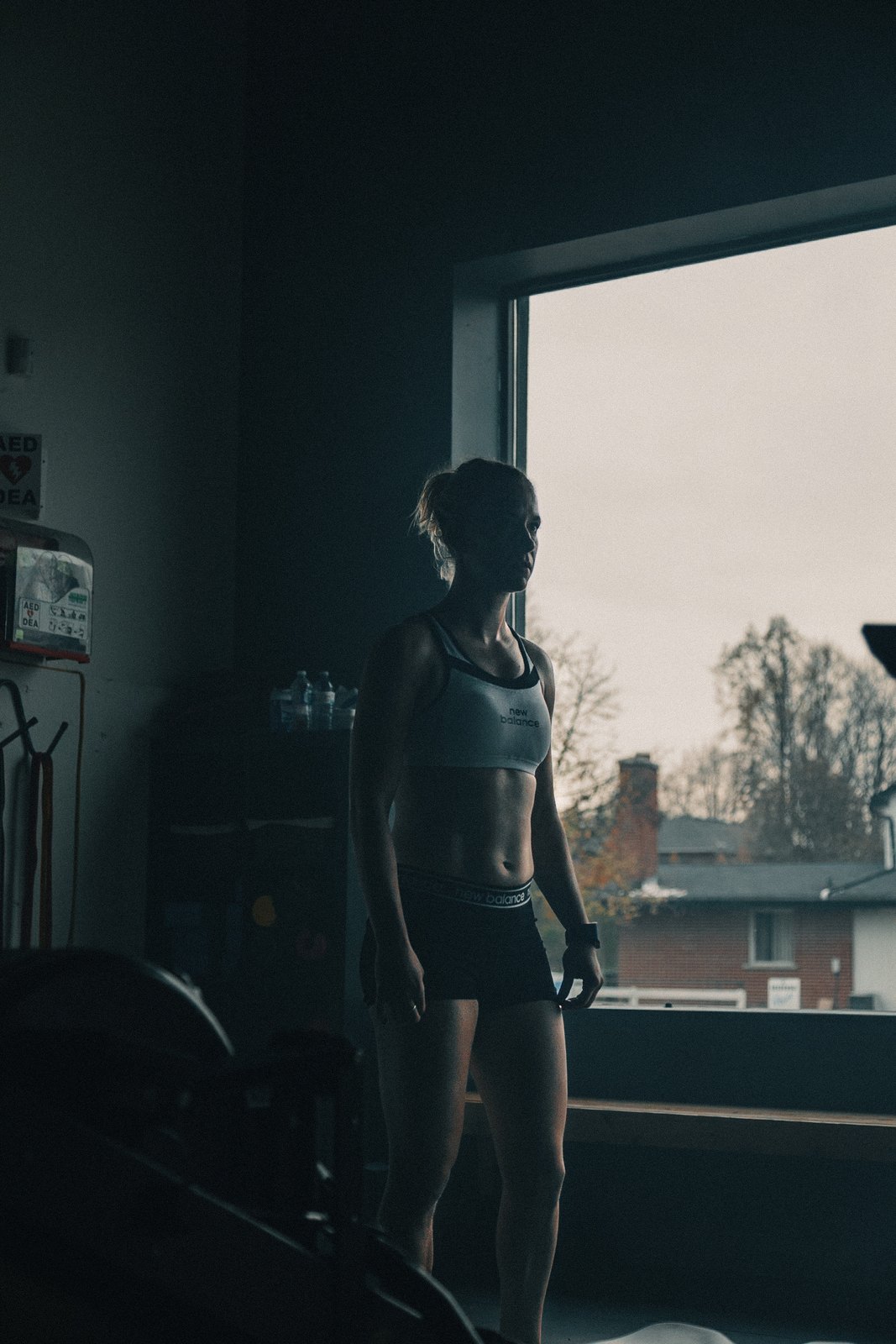
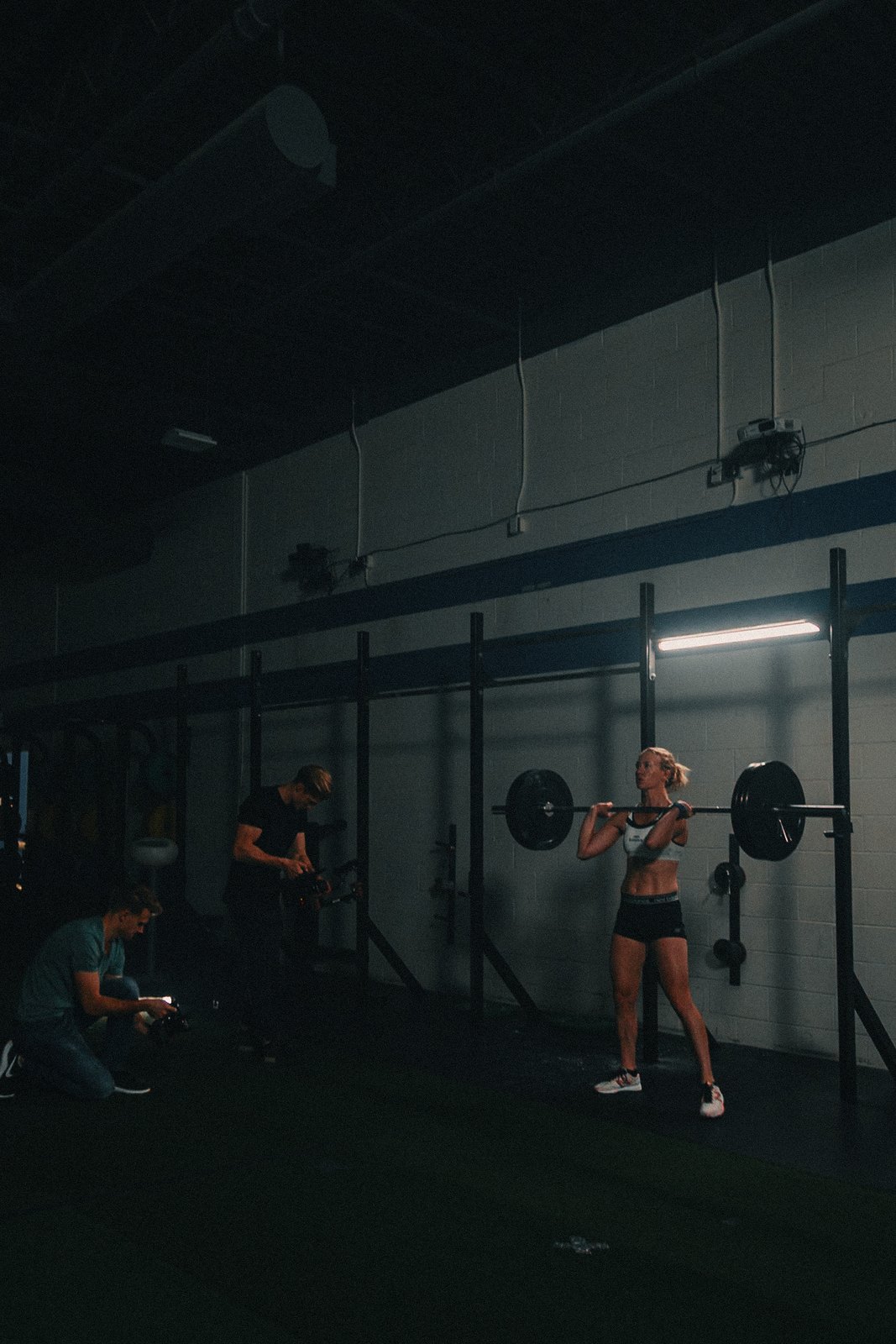
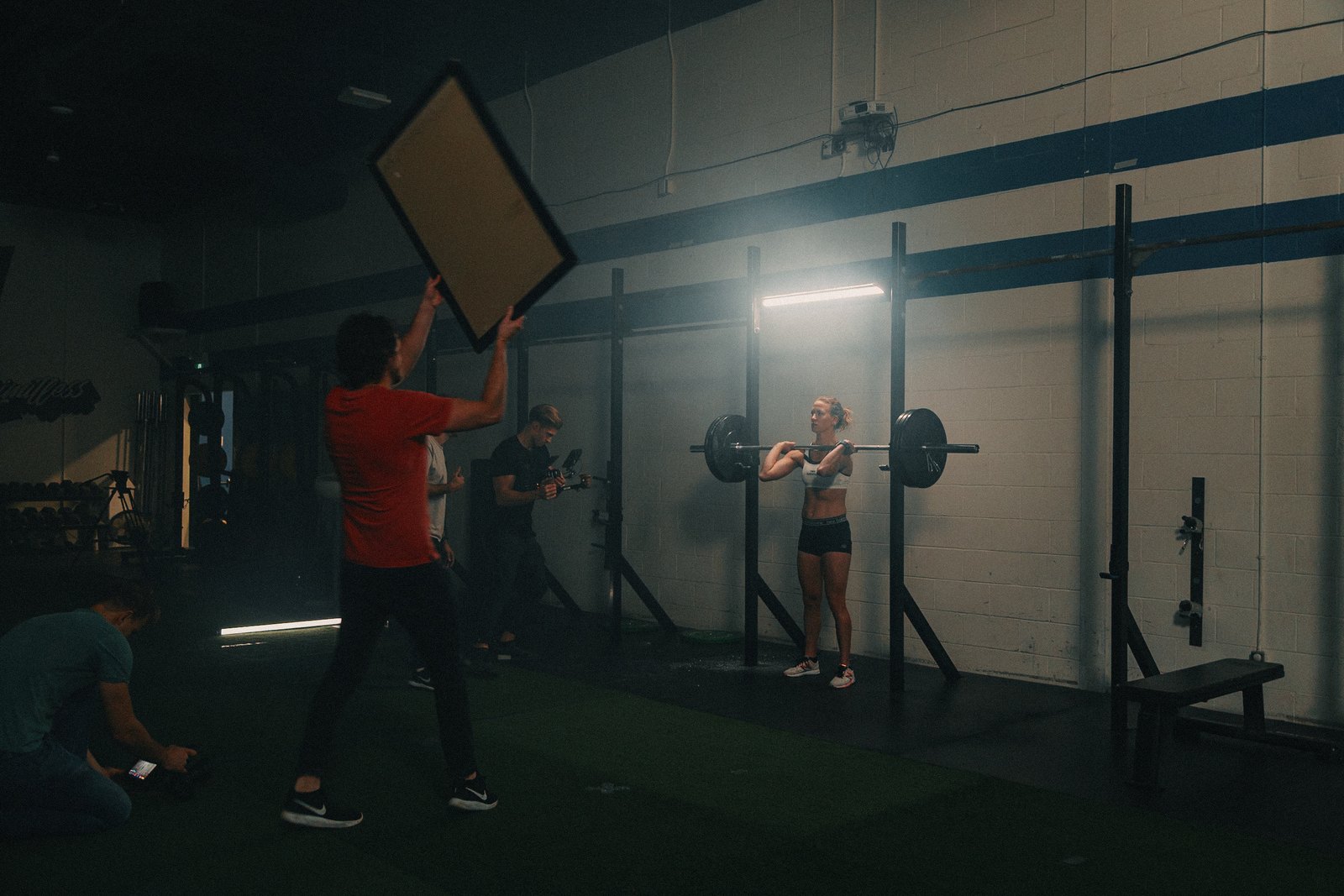
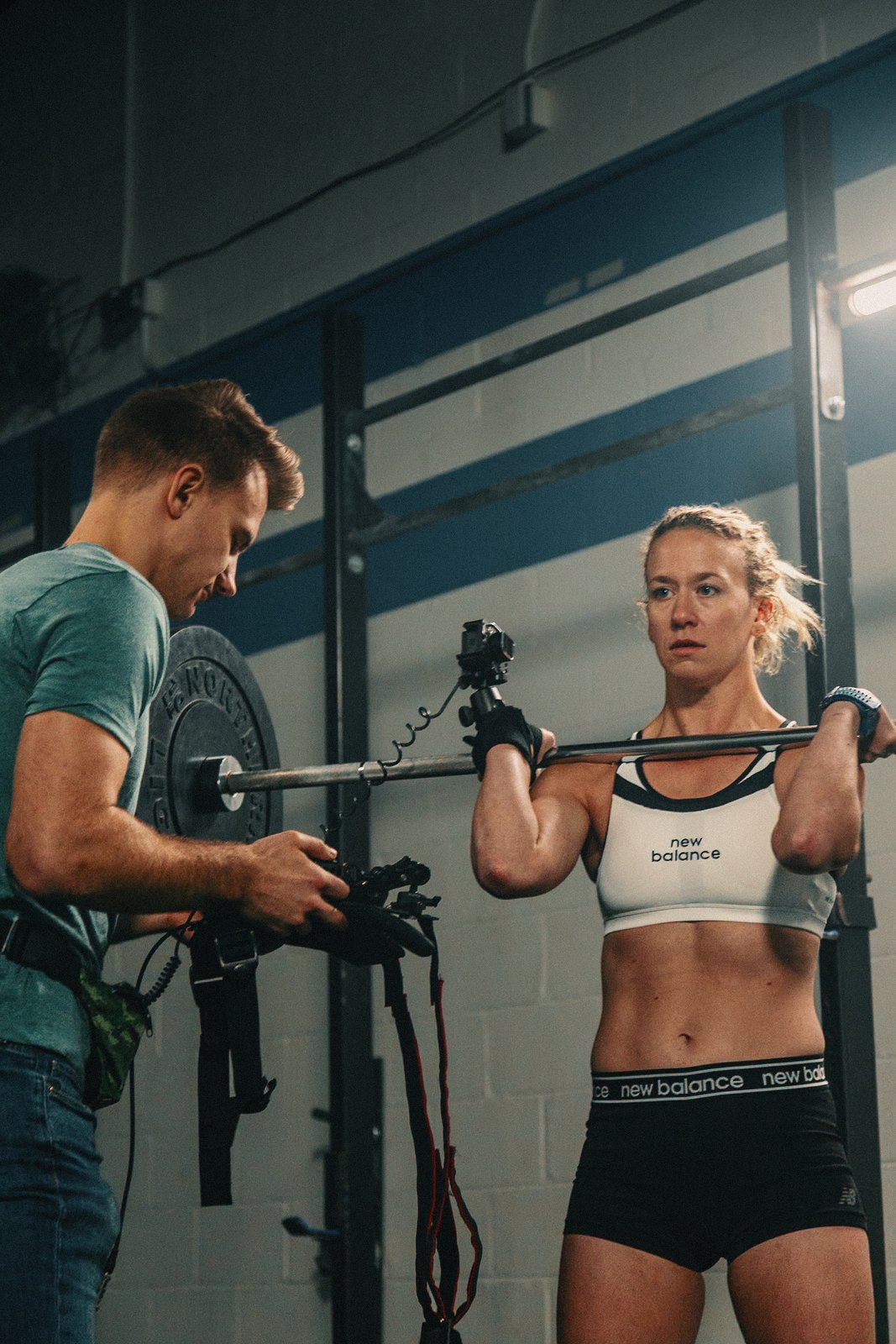
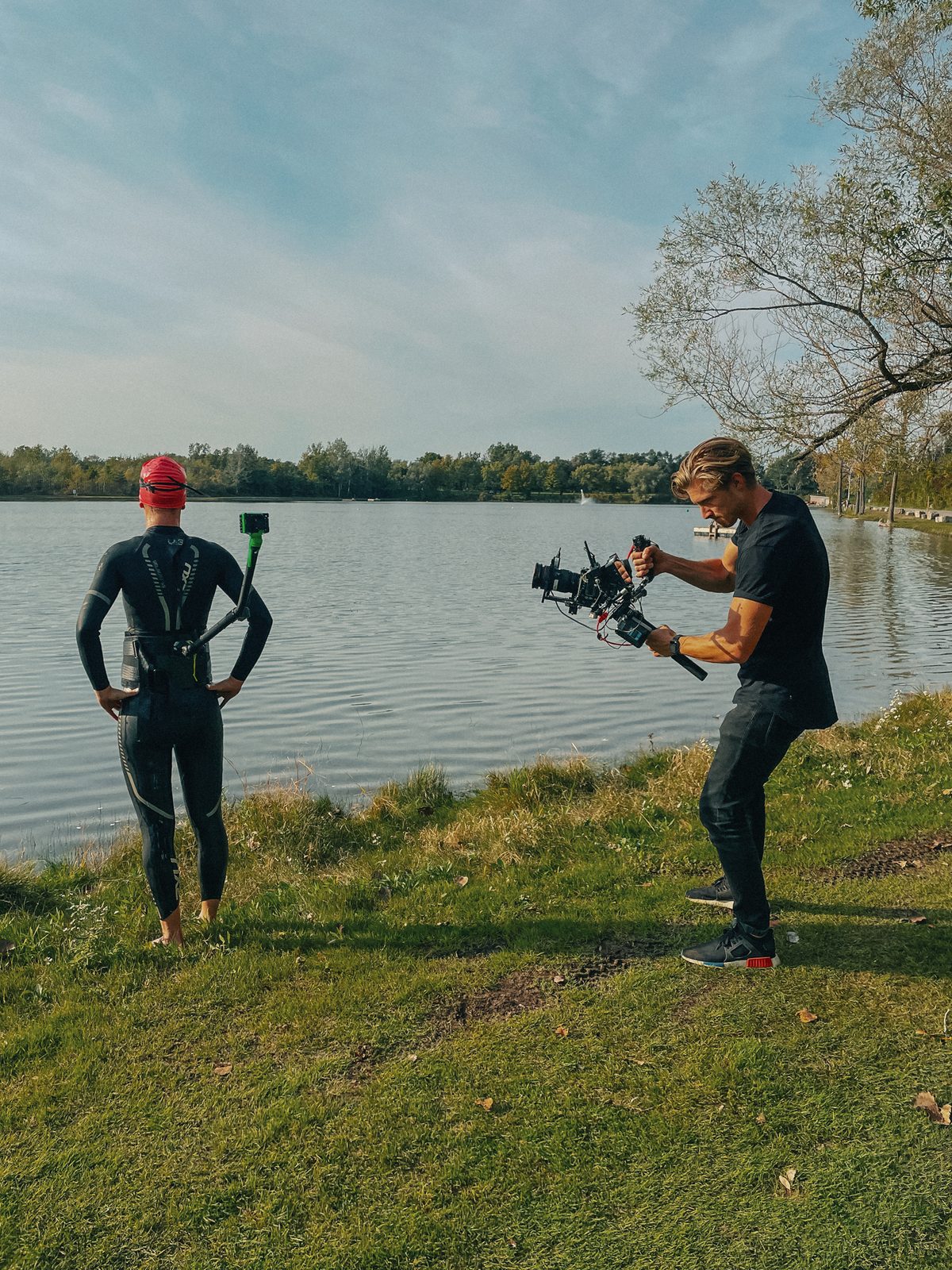
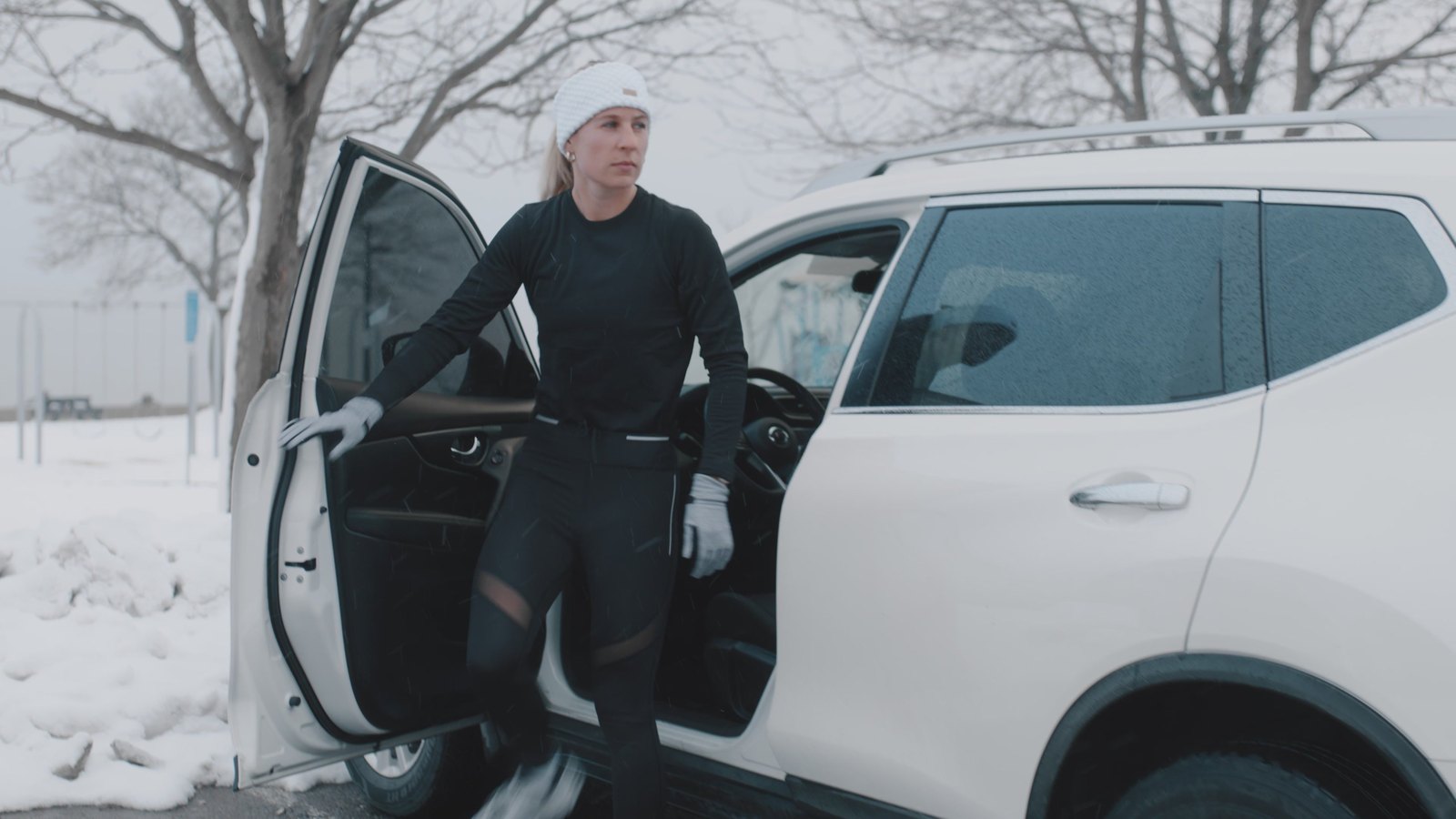
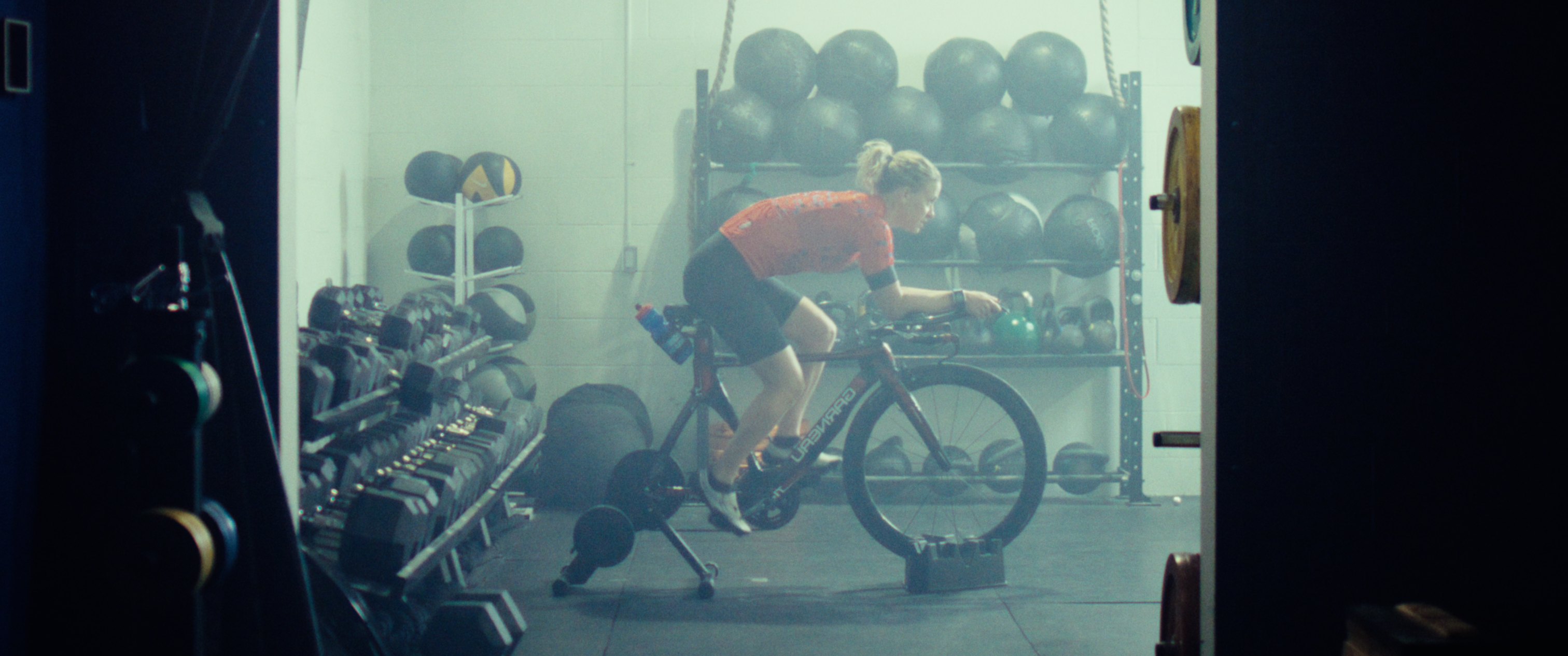
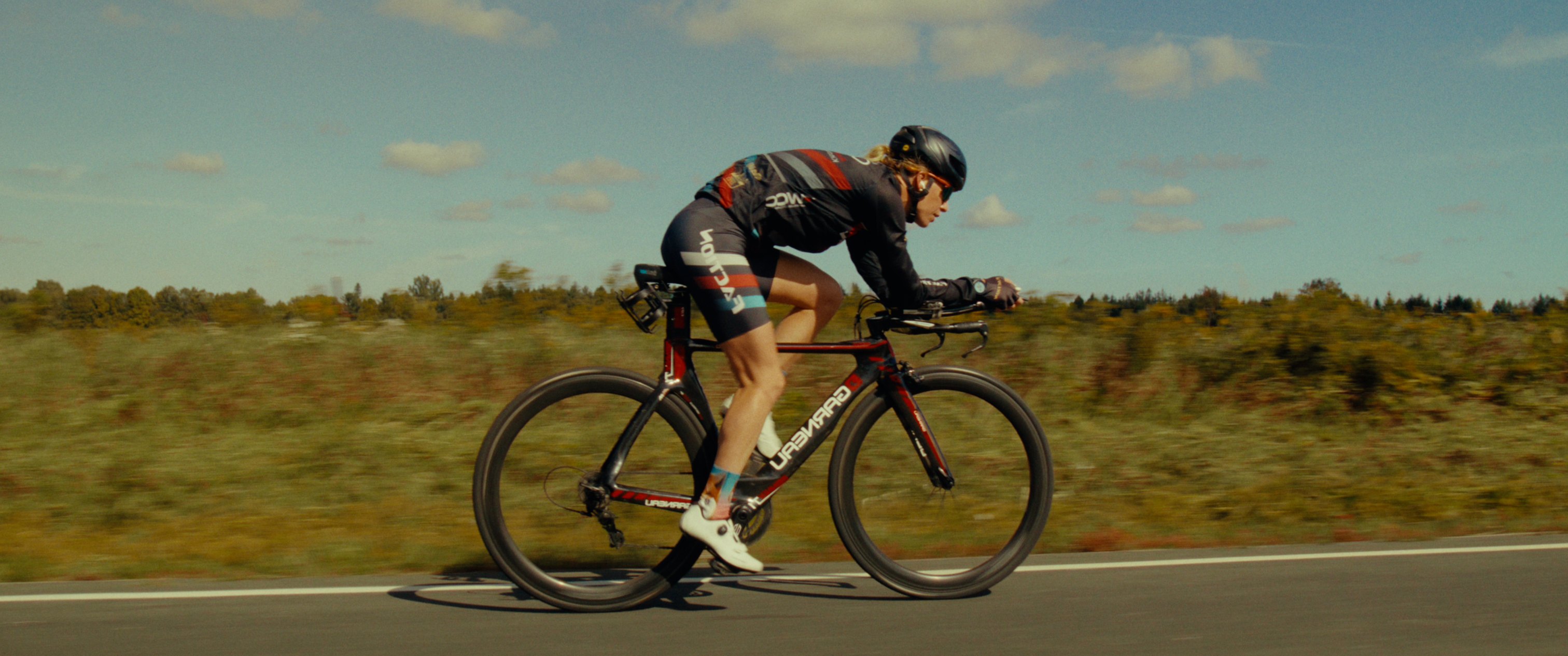
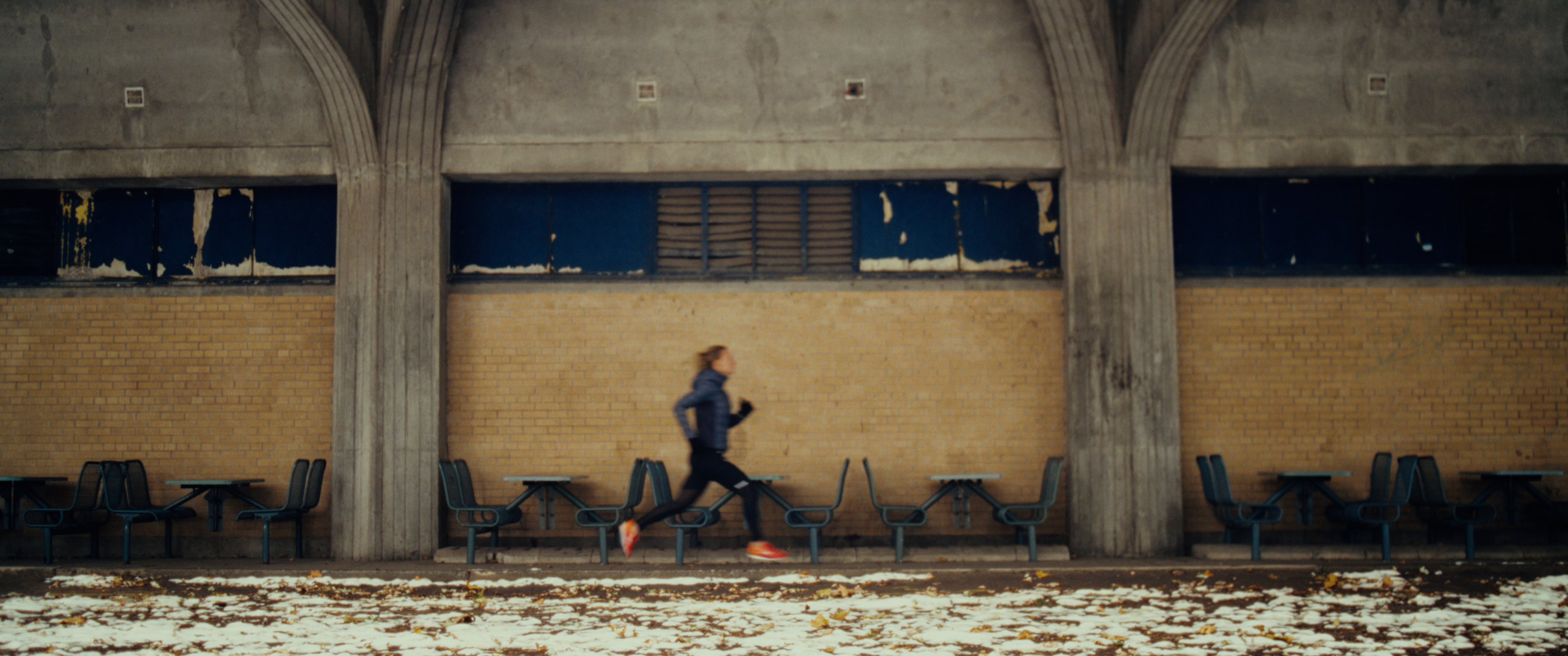
What better metaphor for that than sport? As athletes ourselves, we wanted to show this mentality, and how it goes beyond physical transformation to become a way of being.

Nothing built to endure
happens overnight
This film is about the habit of just showing up, what it does to our mentality, and where that leads over time. The idea was never to glorify grit or intensity. It was to show the compounding effect of that one principle.
Endurance sport makes that effect easy to see, because progress only ever comes in increments. No single session changes anything. Kept day in and day out, they change everything, first how we train, then how we think, and eventually who we are.
Feeling of proximity
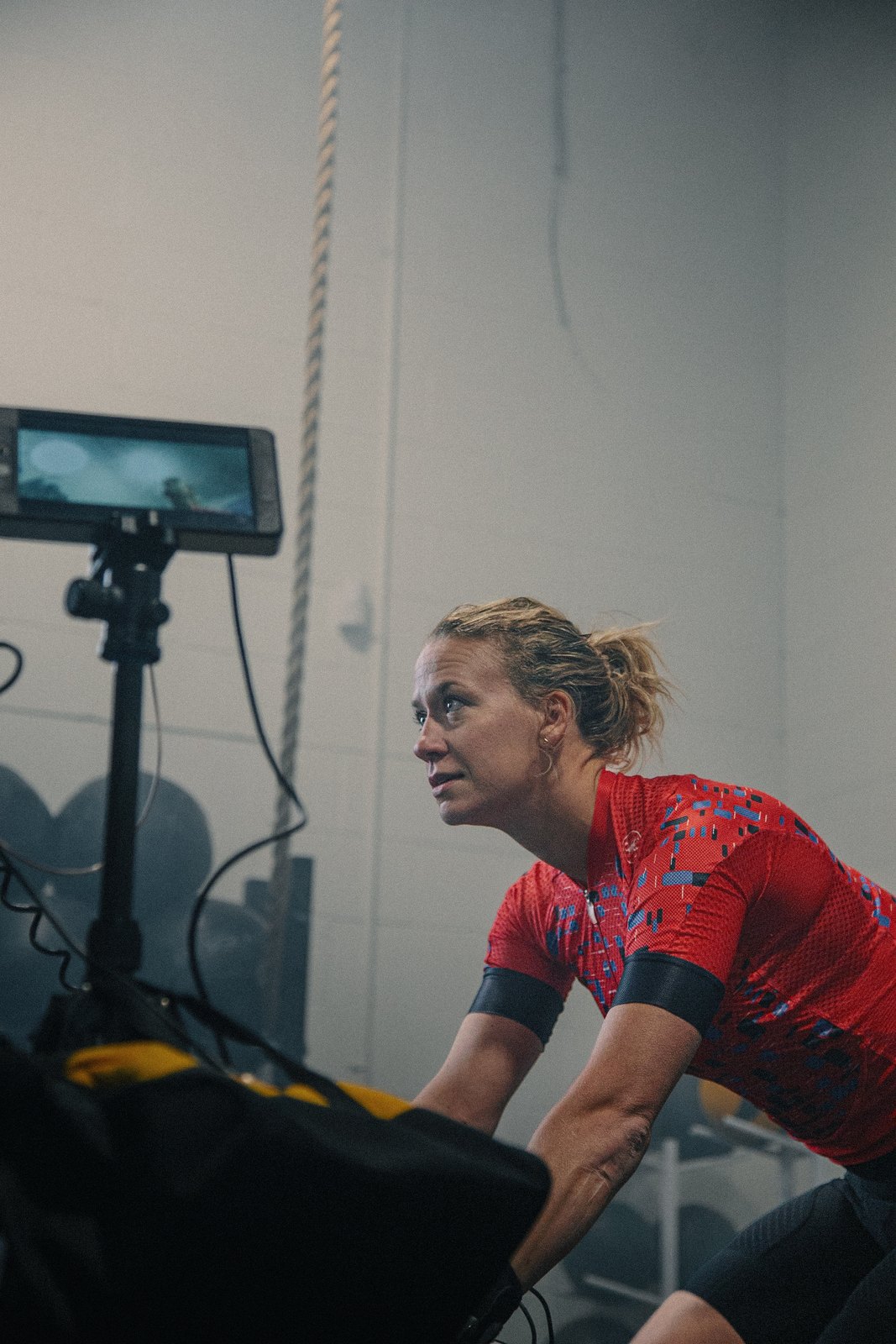
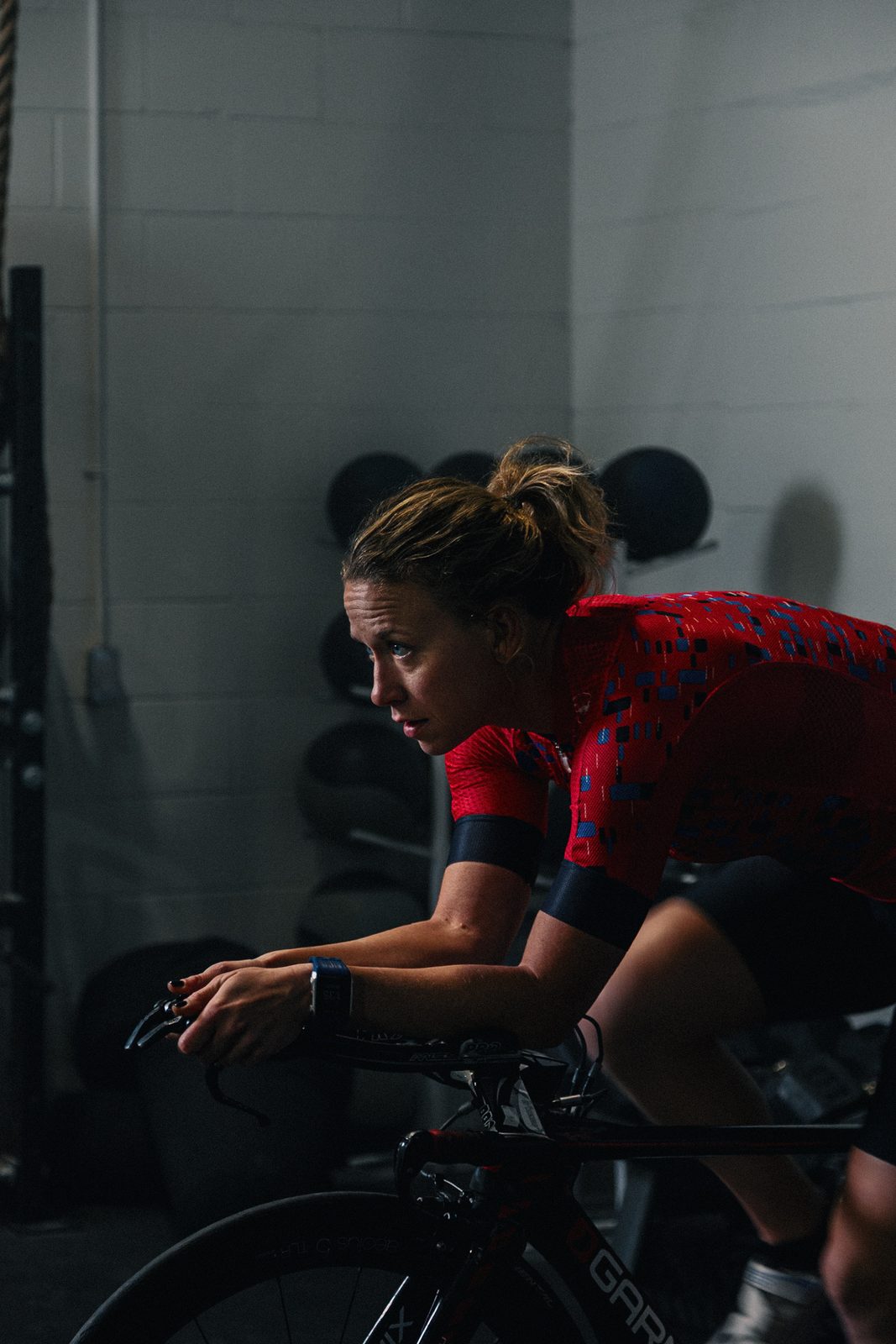
We wanted to immerse the audience in the feeling of the earth, air and water. We carried this idea throughout the film with the reuse of framing, specifically shots locked to the athlete, to convey her experience through training. The audience is brought into the fold, into the moments, to allow them to feel the athlete’s efforts. The moments on the swim, bike and run were intentionally designed to feel almost like a collection of memories one would play back when the moment gets tough.


Feeling of environment
There is no praise in the midst of building. We often only see the results of those efforts. The efforts themselves are what we wanted to convey, through isolation, harsh conditions and chaotic moments, with the use of pacing between pause and chaos, sound, and strong imagery to capture work and reflection. We intentionally flickered through the intense moments and held on the pause to convey this.


Feeling of time
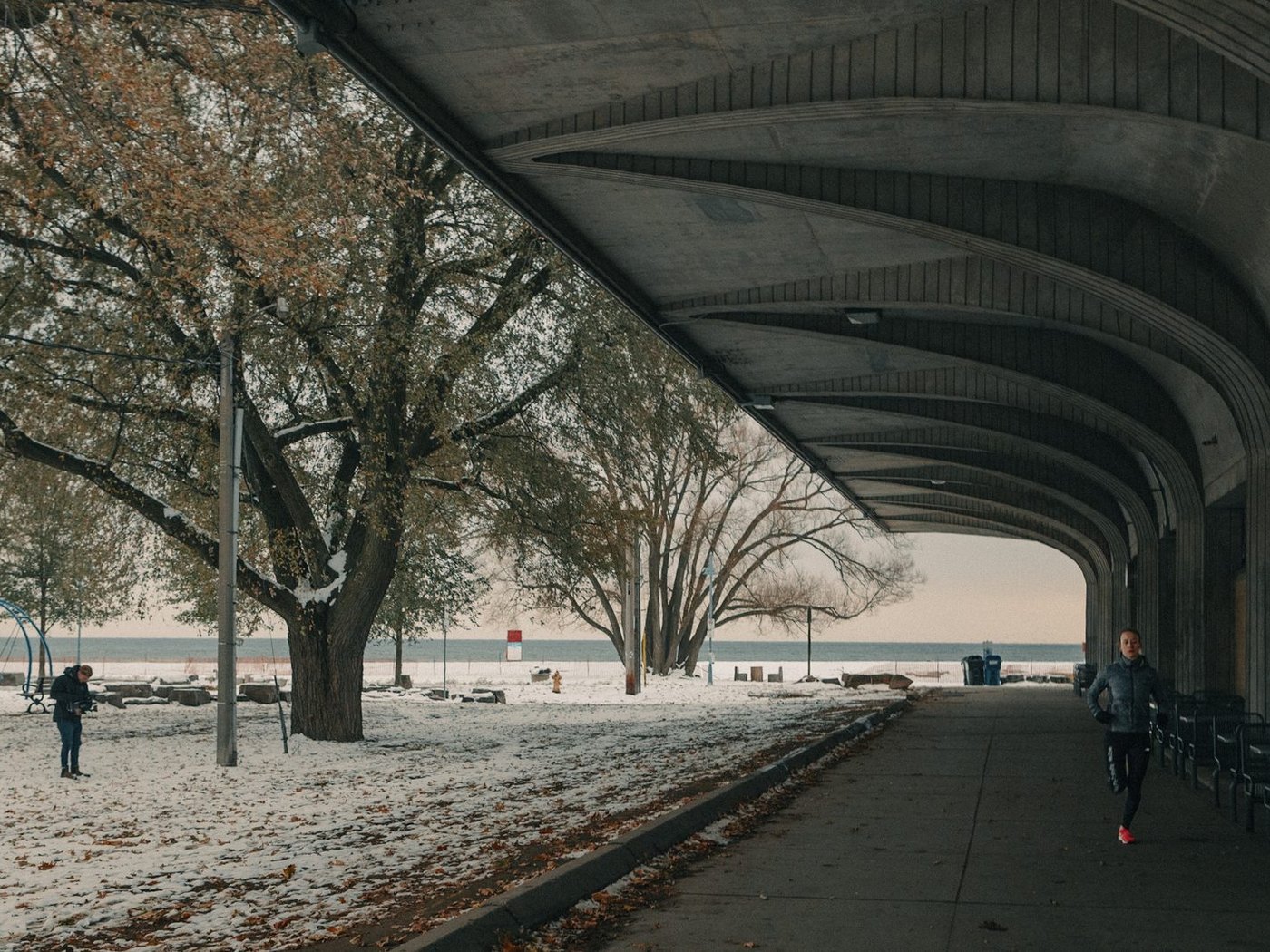
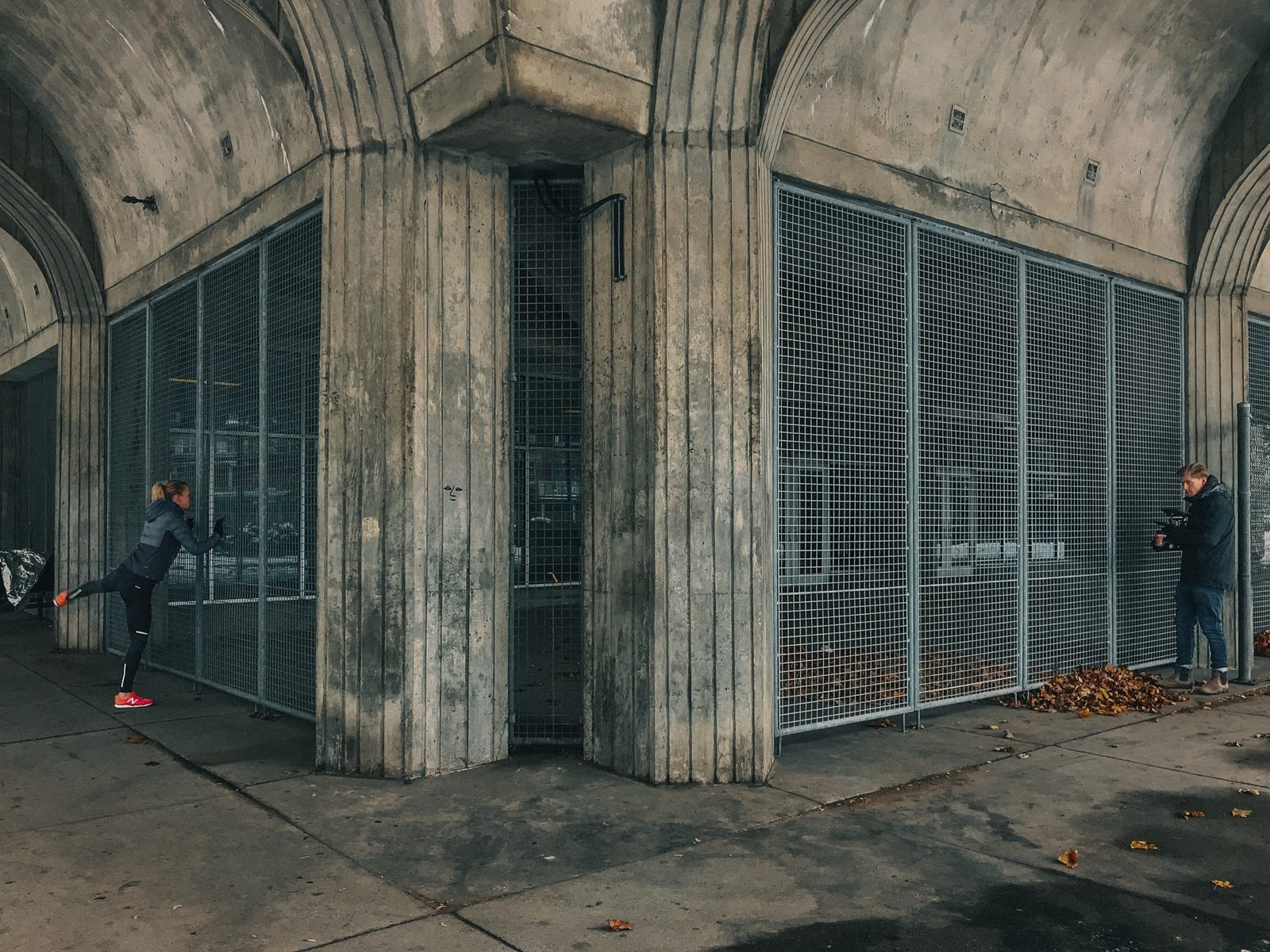
Just like endurance training, we did not rush the making of this film. The very essence of making it took patience and time to be intentional with every aspect. To convey the compounding of habit, we intentionally chose to film across the seasons, using the exact same framing and locations to show the extent of how time cannot be cheated when it comes to progress.


Feeling of habit
The idea was not to celebrate the result, but to show the result is merely a benchmark in the continuation of the journey. Change happens not in the reflection of one day, but in the reflection looking back at the incremental decisions and changes we make. It’s the habitual nature of building this mindset that cascades into building a more resilient version of yourself.


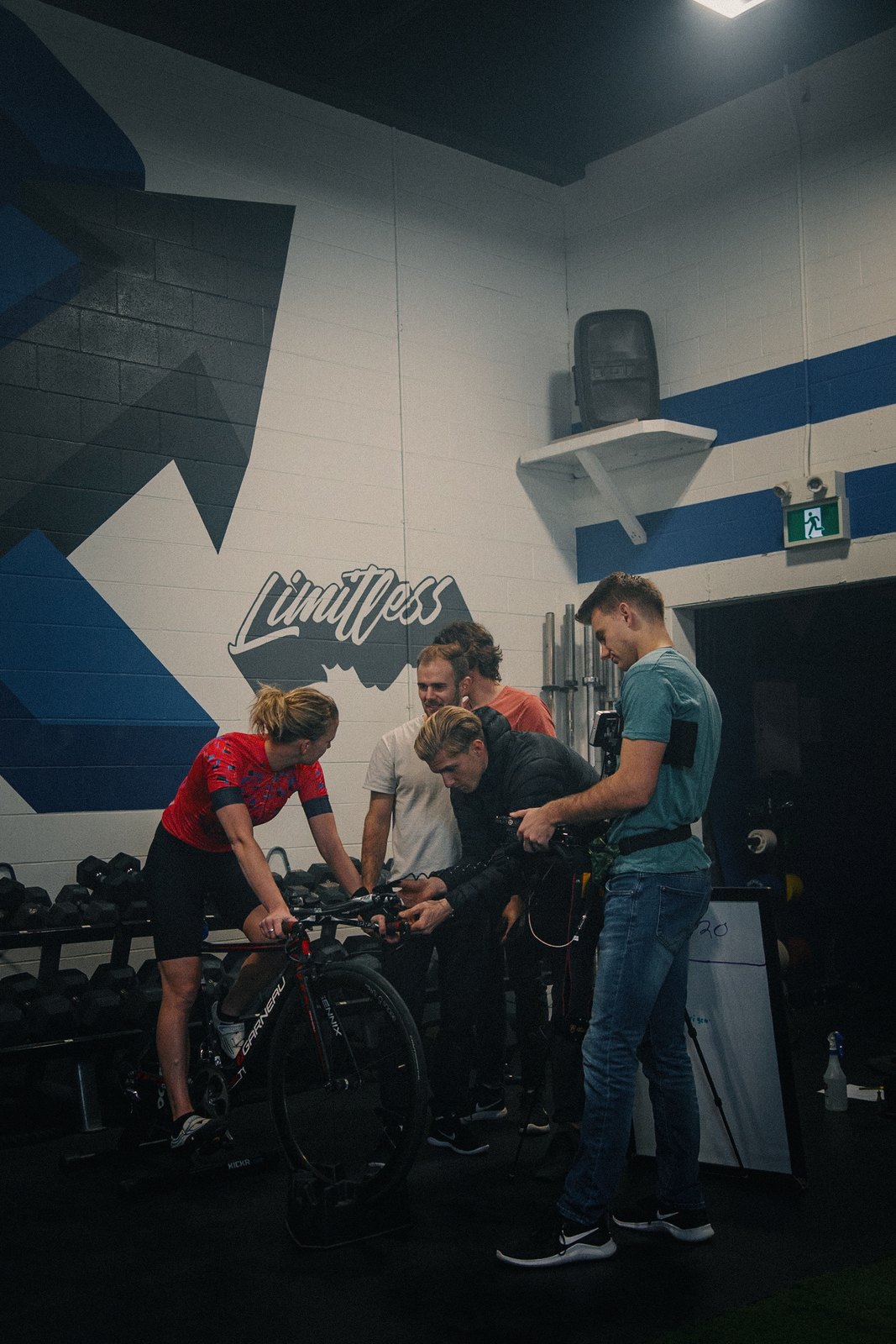
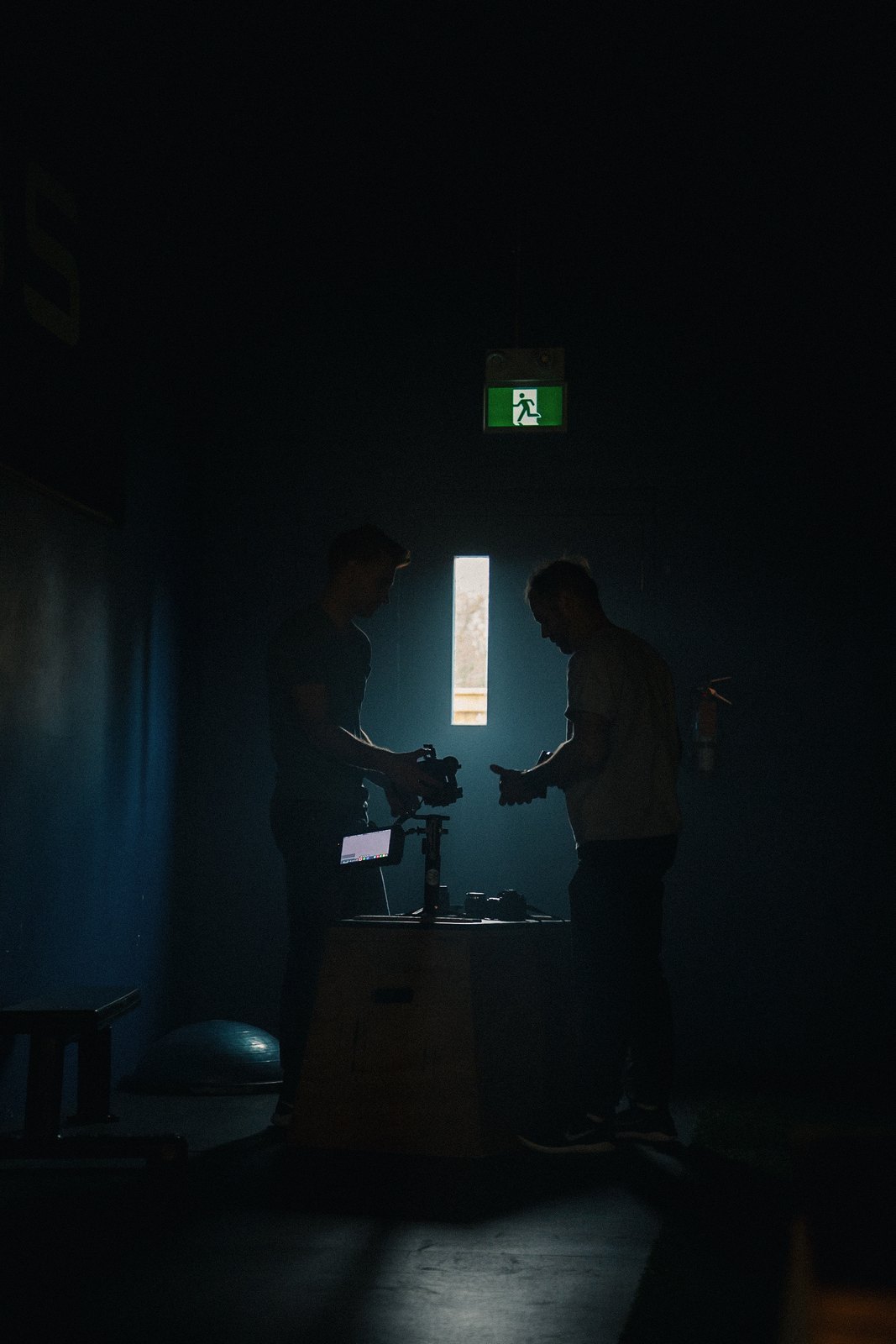
With no due date, time was on our side to make this film in the very spirit of the message we were conveying.


The making of this film had the very same impact on us as the message we wanted to share.


From Cannes
to the World Cup.
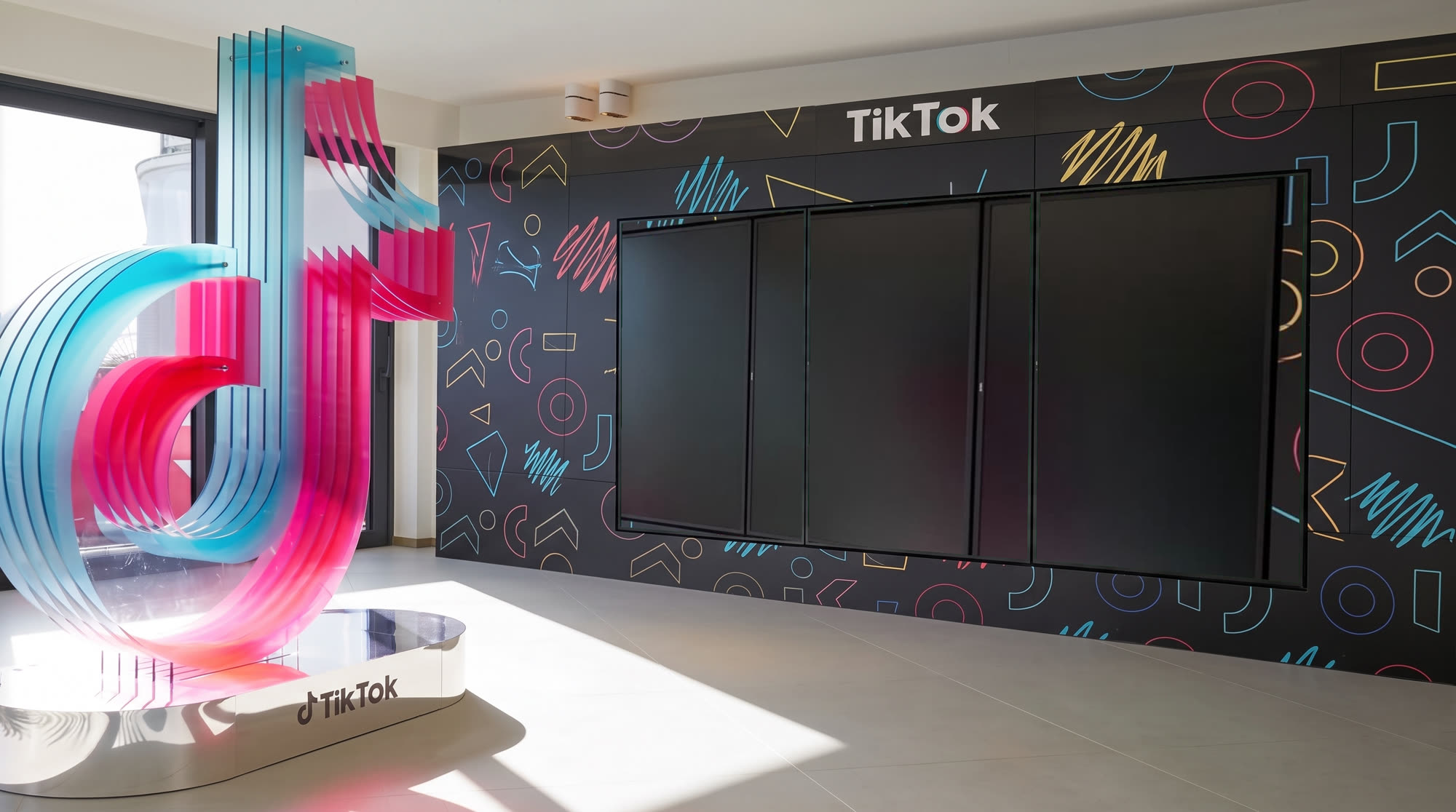
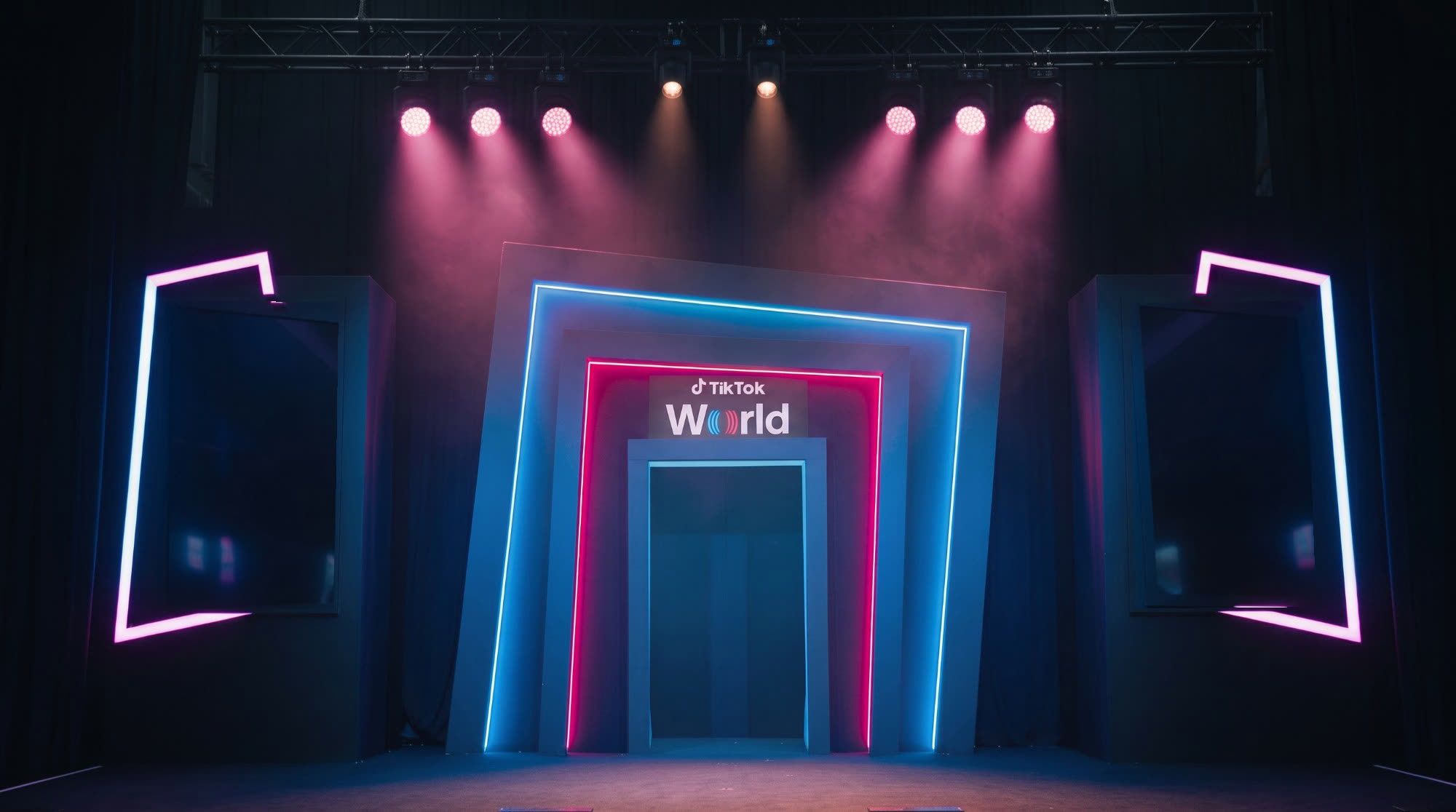
As one of the leading global social media platforms, TikTok has no shortage of content from its users. It has an active and engaged community which needs to be communicated both internally to fellow teams as well as externally to brands both existing and potential. Over the years TikTok has trusted us to develop the needed assets to communicate their value globally across stakeholders, brands and agencies. From their own TikTok World summits, to Cannes, to the World Cup, we have delivered everything from out of home content, case studies, and marketing material to show the value TikTok brings to their partners.
First brief
Partnership Sizzle, TikTok CanadaTikTok Canada needed to show partners why Canadian culture lives on TikTok. The film went on to carry their partnership events through the spring.
Gone global
Partnership Sizzle, TikTok GlobalWord of our work for TikTok Canada spread, and we were tasked with developing a global version for Cannes, which was then adopted across local markets.
On the floor
Cannes MVP quote screensThe same week, TikTok’s US marketing team brought us in for their booth at Cannes. We made the quote screens that ran on either side of the main display.
Beside the stage
TikTok World CanadaAt TikTok World Canada, the brief was to turn ad proof points into something people could walk up to. We animated a touchscreen journey where attendees picked their own path through auto and travel, ending on a giveaway.
Lights down
Automation CinemaIn a screening room at the same event, we edited three episodes, each in one of TikTok’s native formats, into a single film that people sat down to watch.
Global Representation
Creator Studio SizzleKristin introduced us to Creator Studio, TikTok’s in-house production team. We built the films they use to sell their services across TikTok, cut from their own work around the world.
World stage
Unilever at the World Cup with TikTokFor the World Cup, Unilever and TikTok needed one film to show what their partnership did around the world. We shaped it from creator footage across markets.
When TikTok stands in front of the industry, the work speaks for them. Their own summit, Cannes, a World Cup partnership with Unilever. Each one put TikTok’s reputation in front of the people it needs to win, and each one came to us.
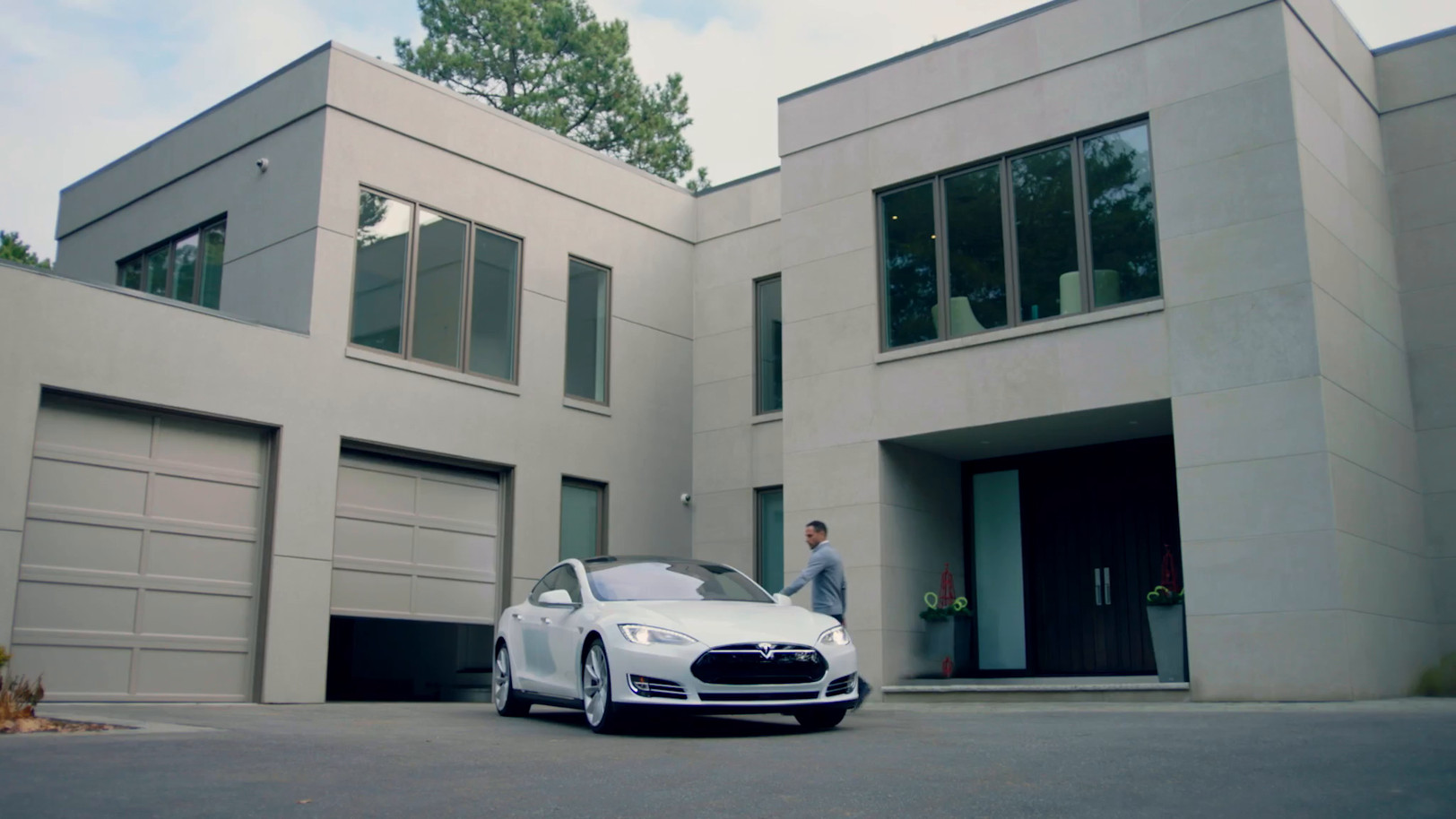
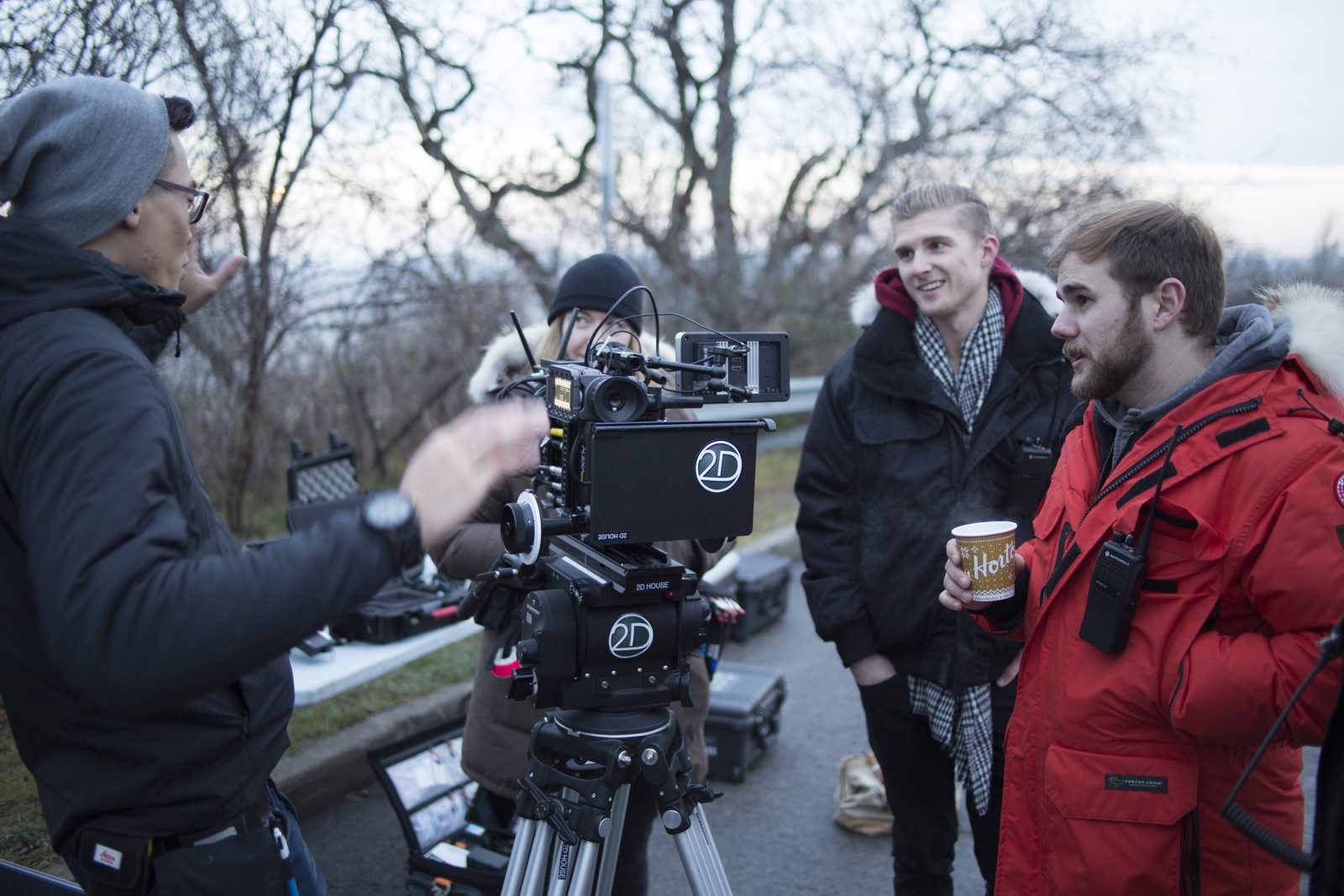
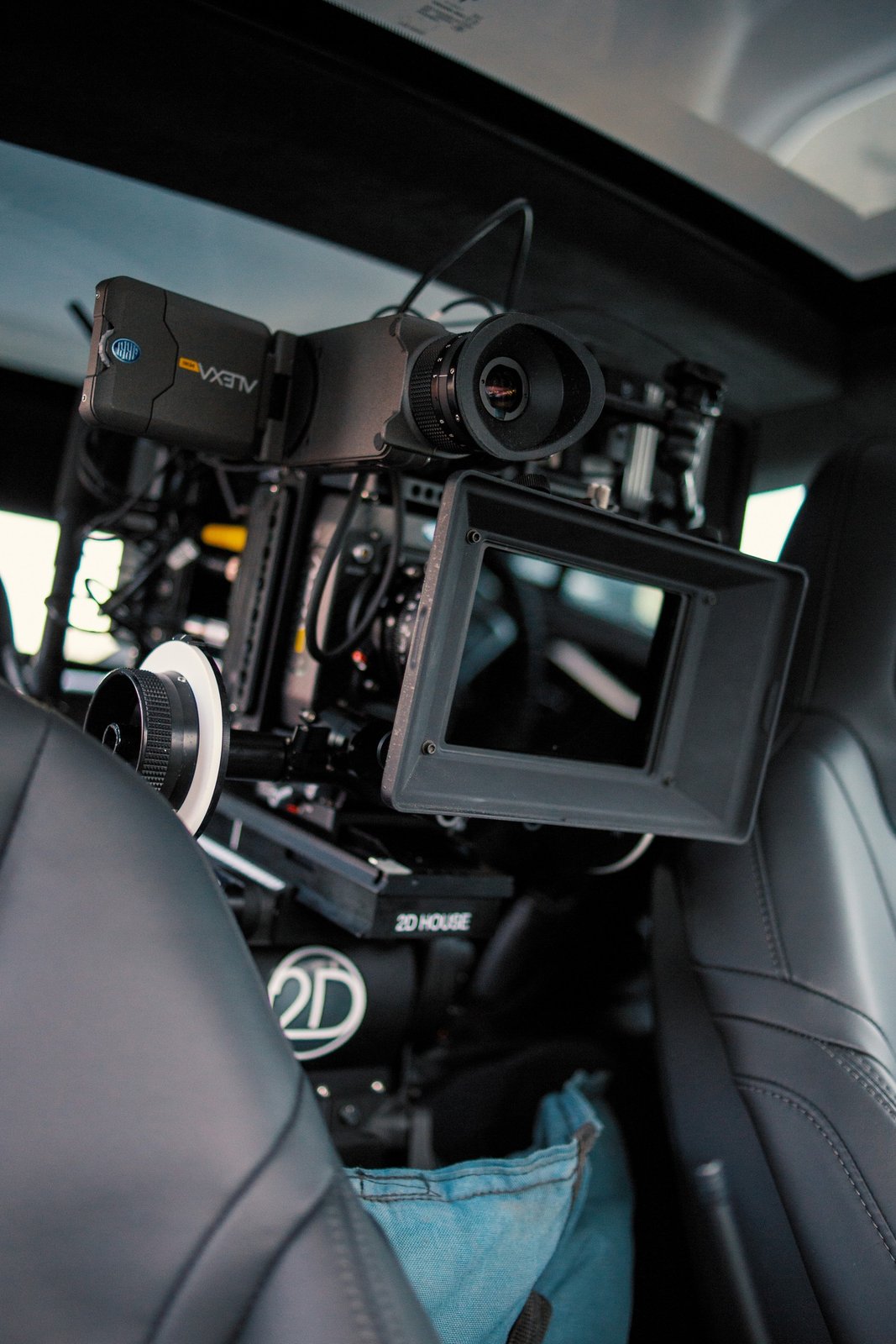
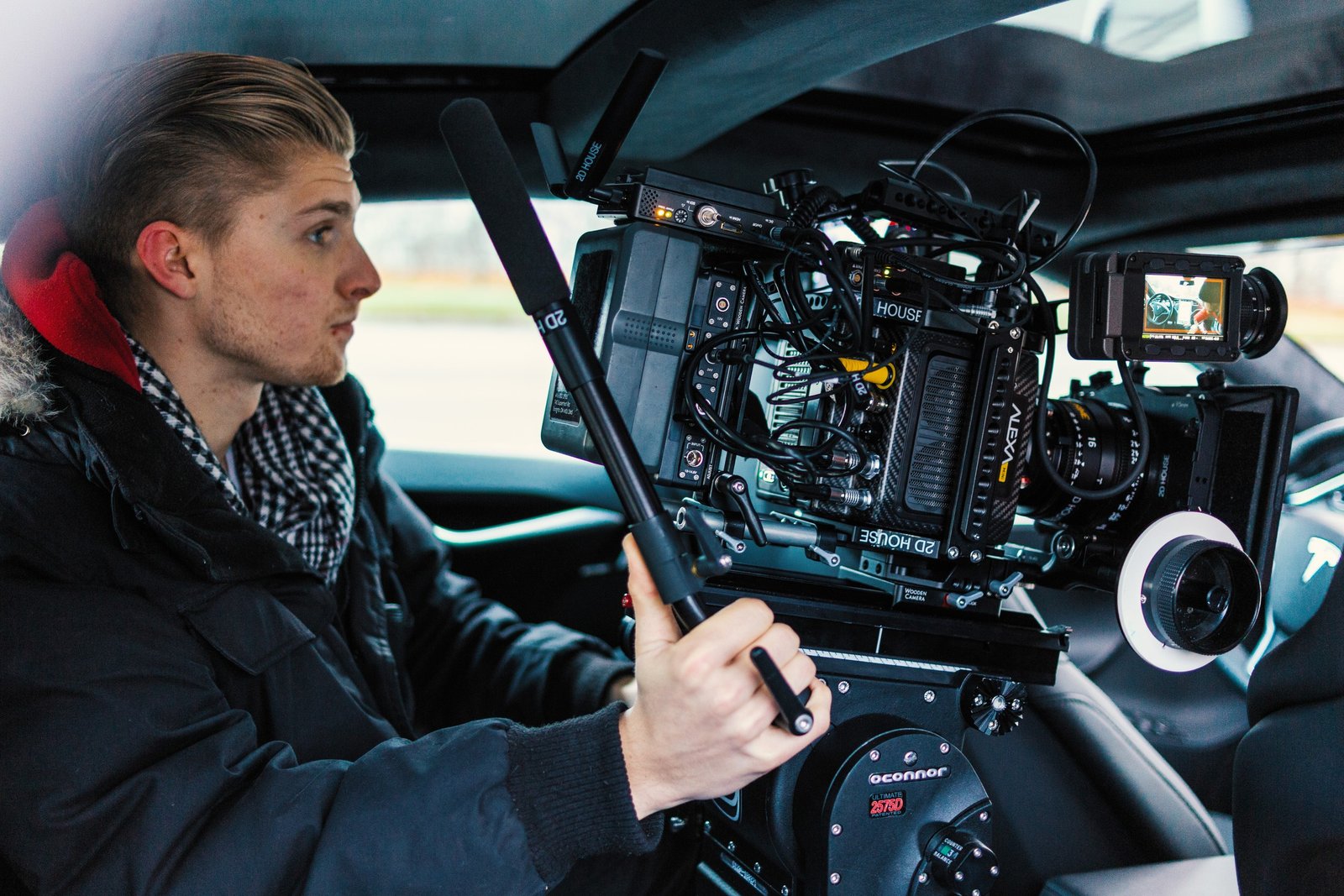
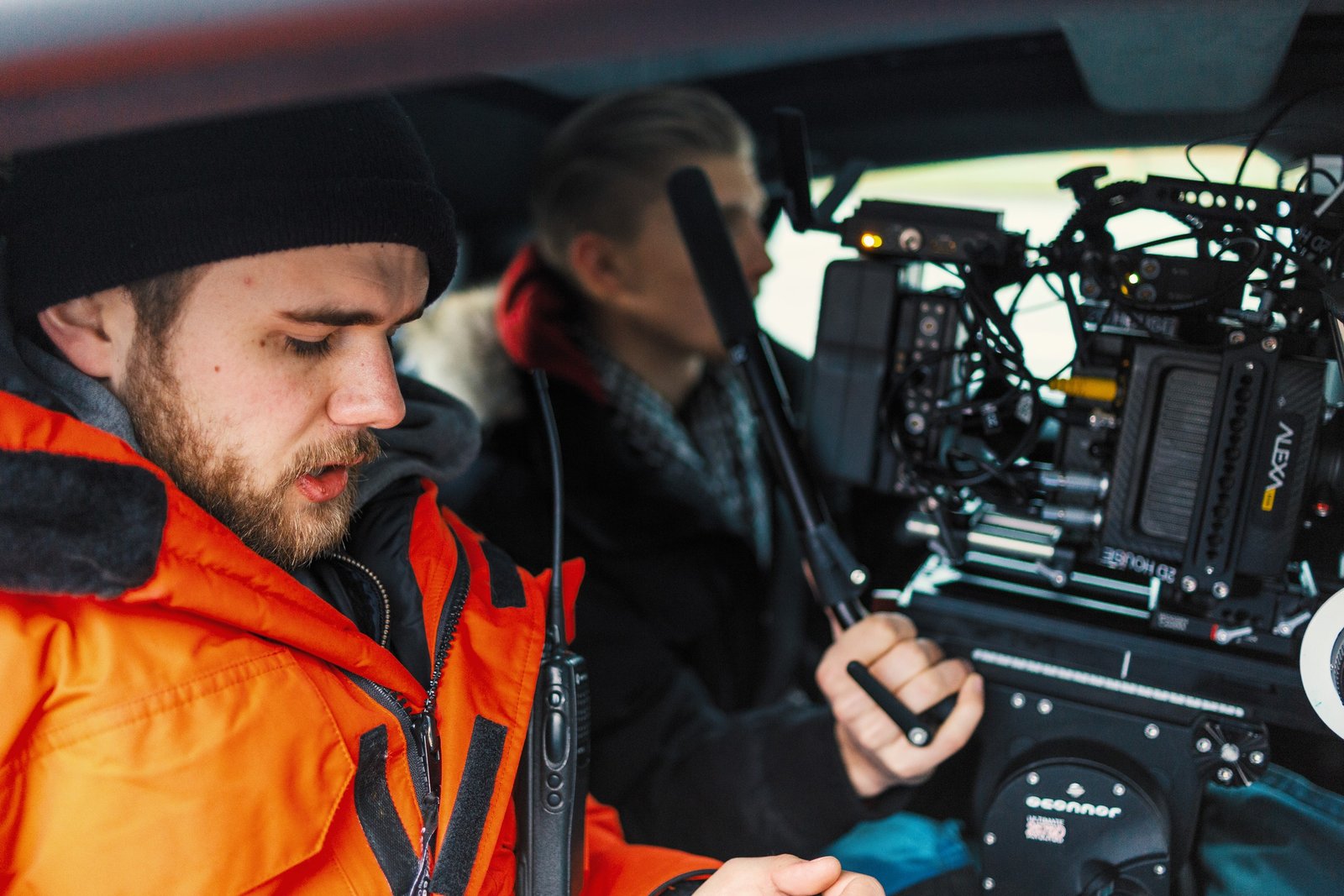
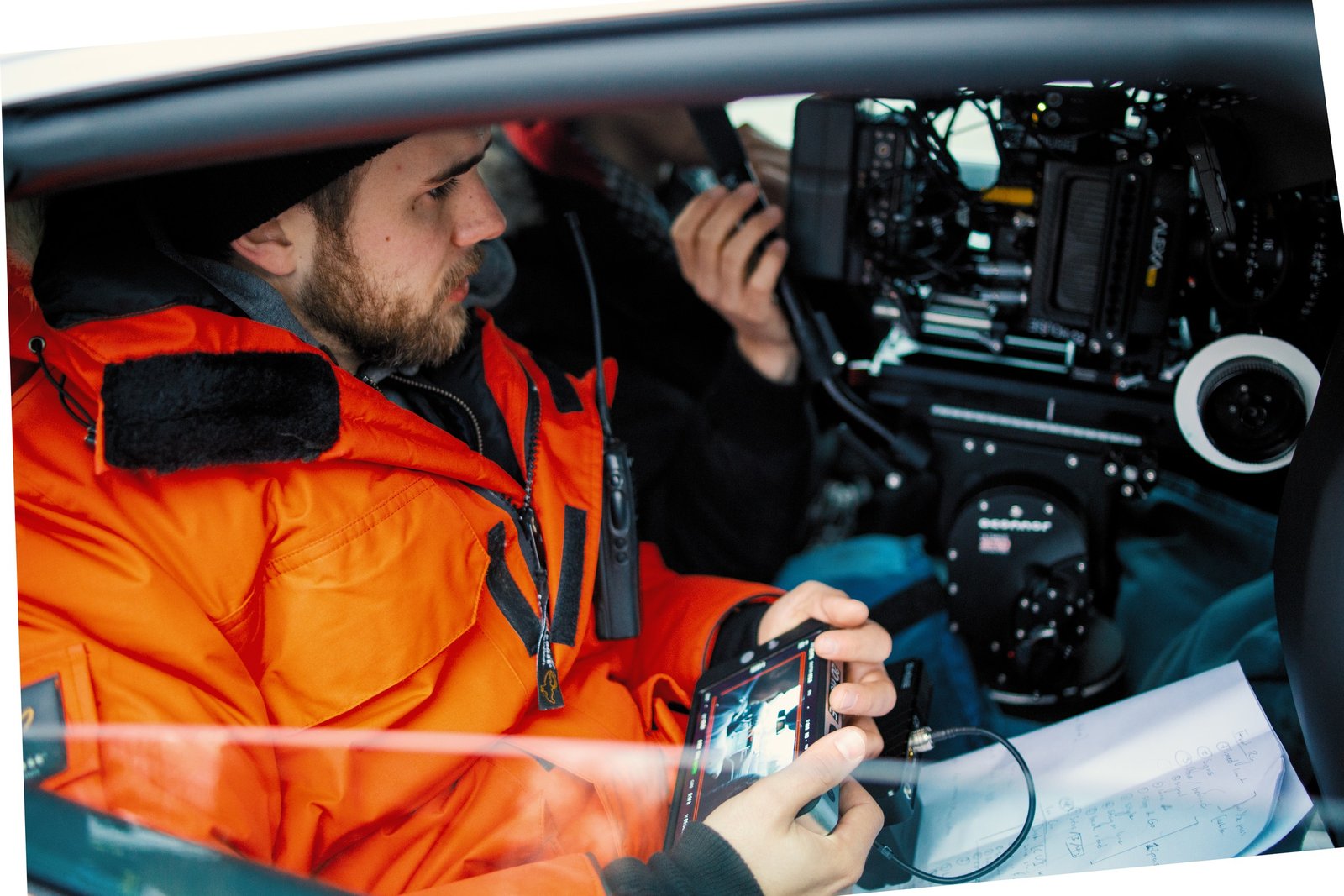
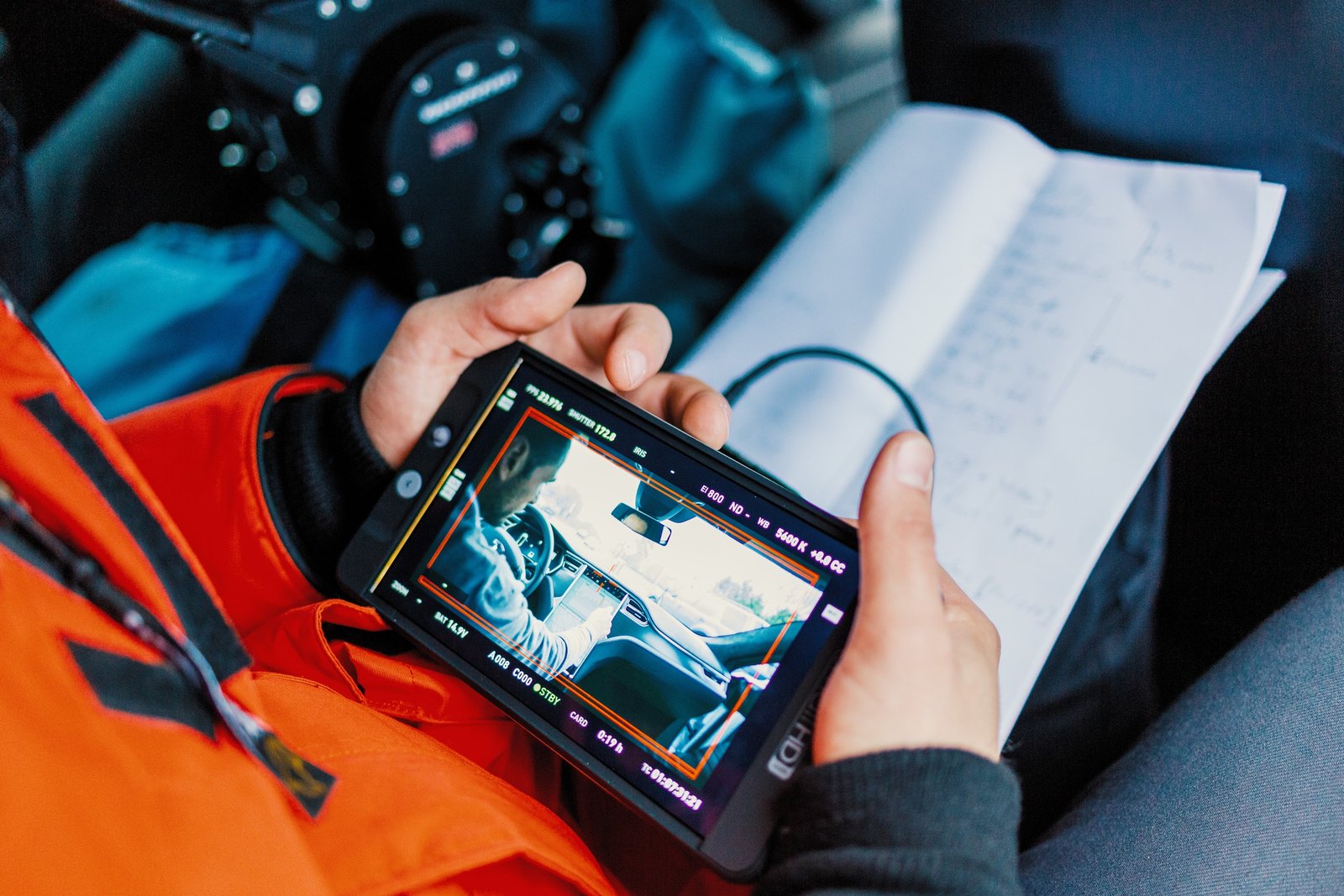
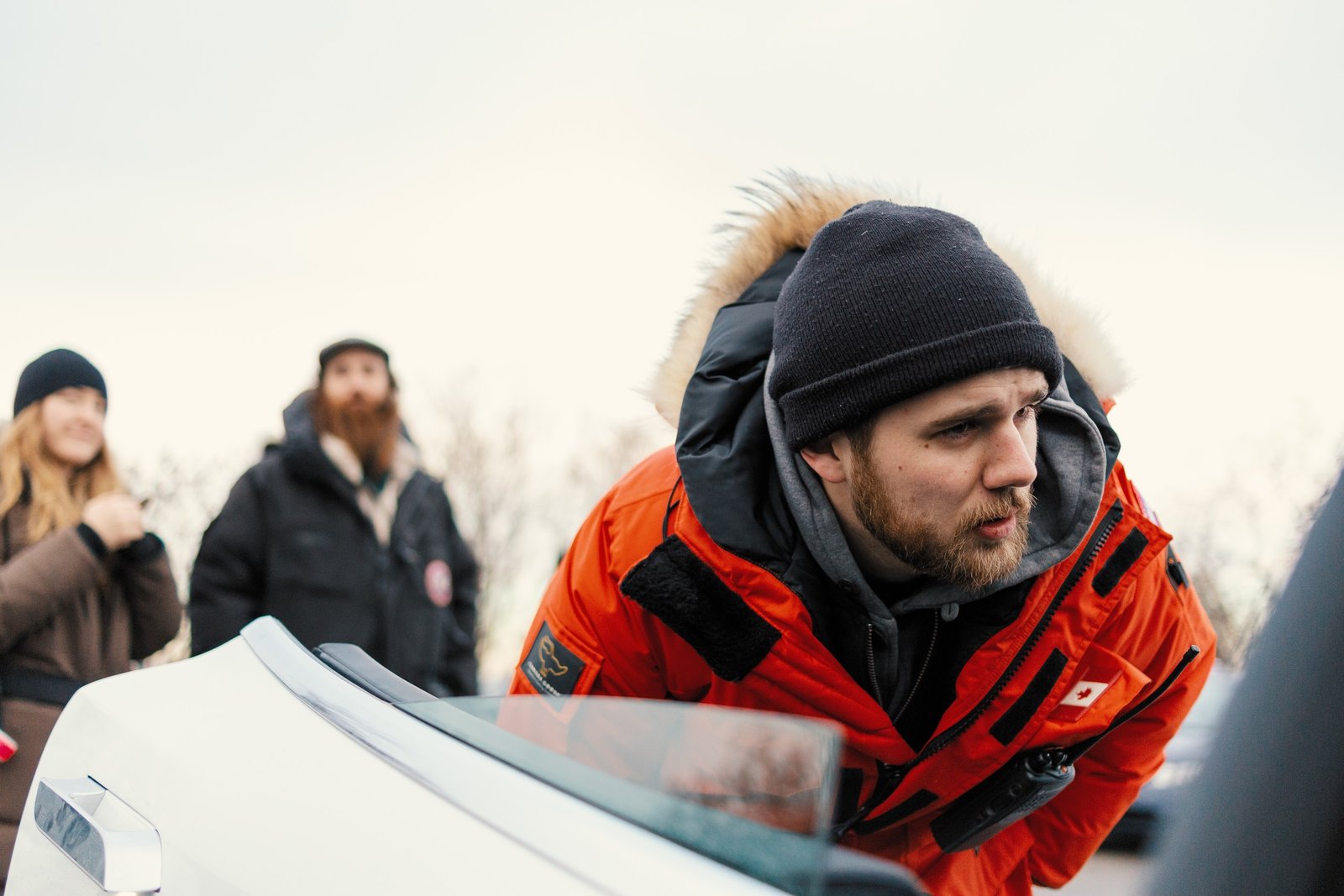
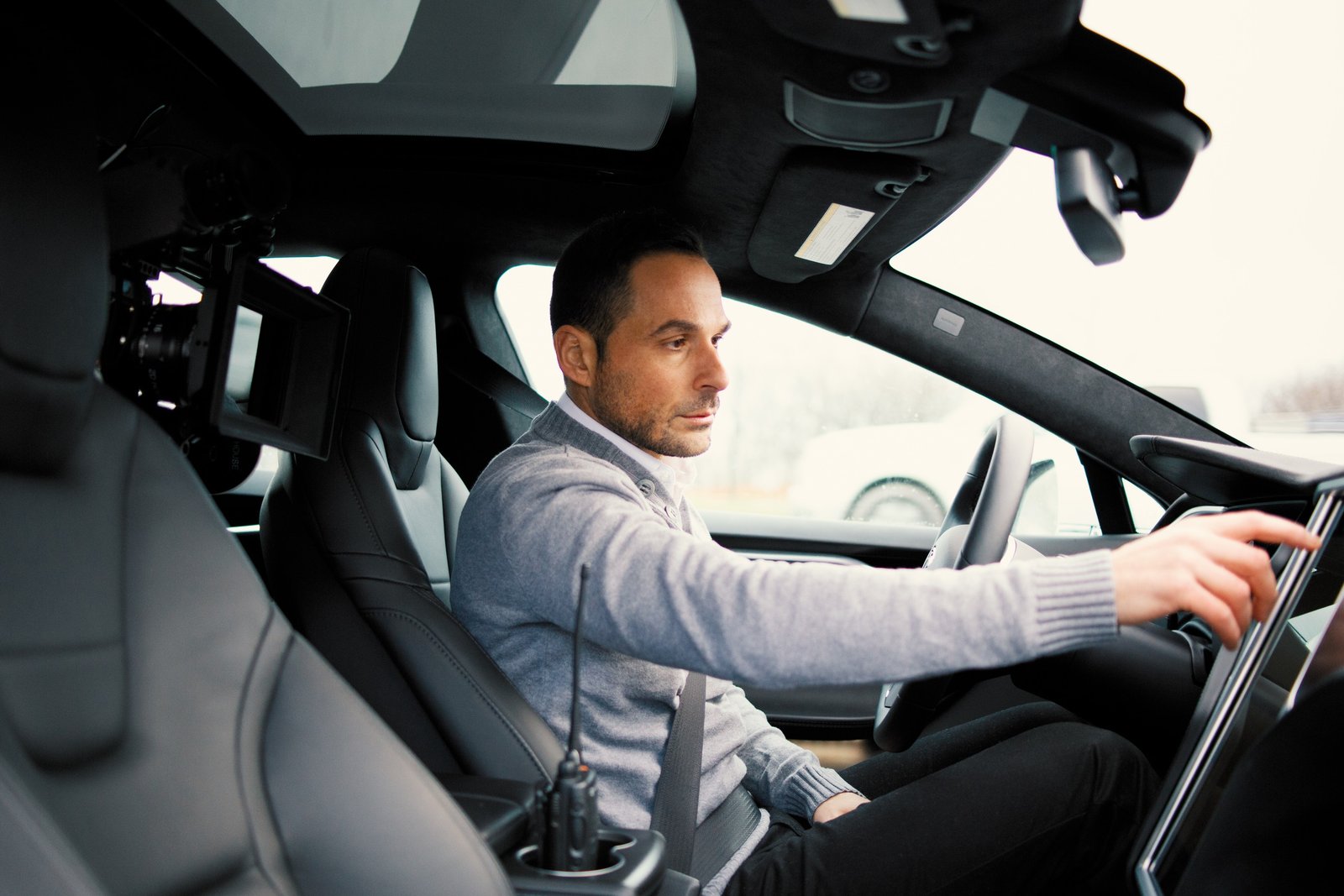
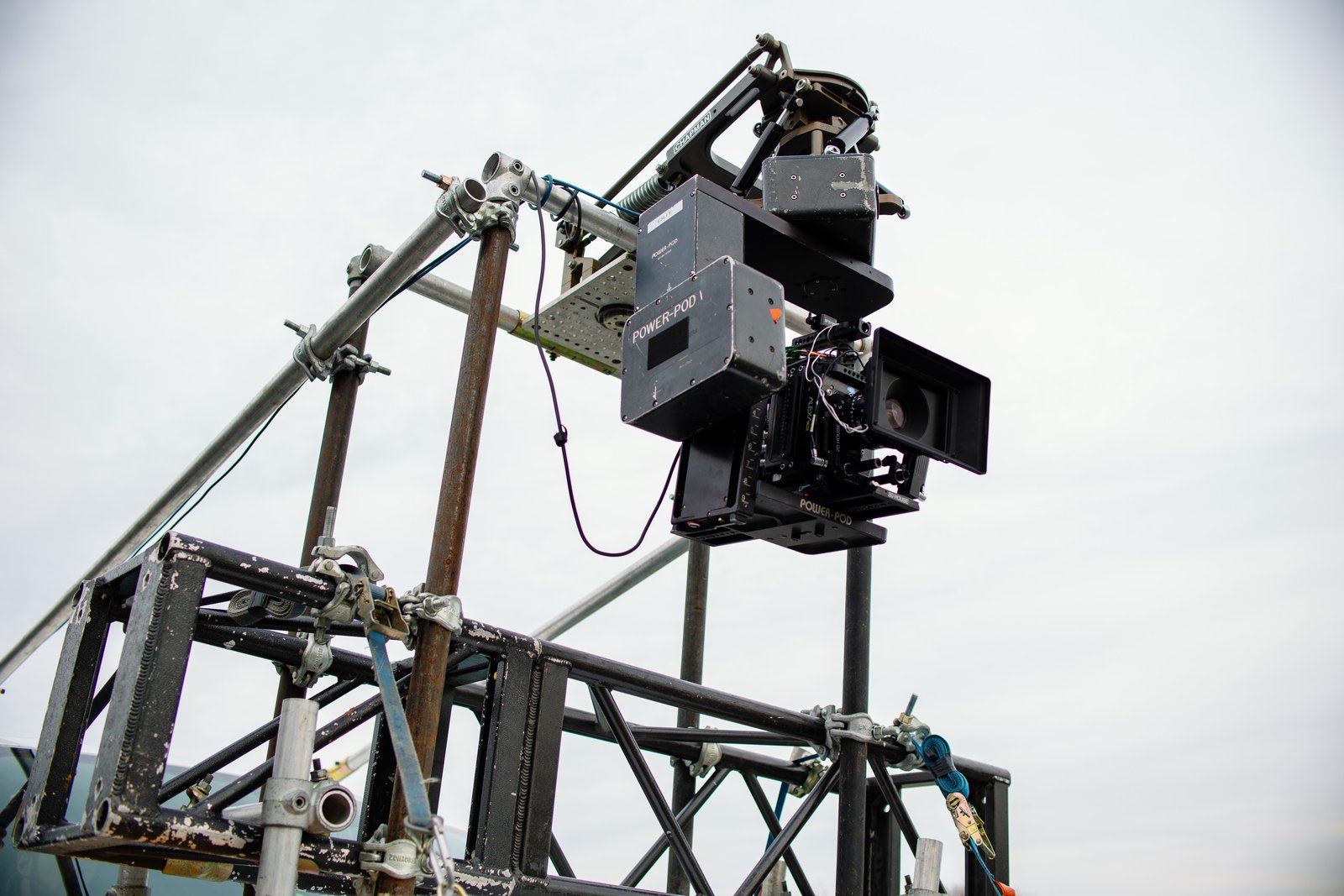
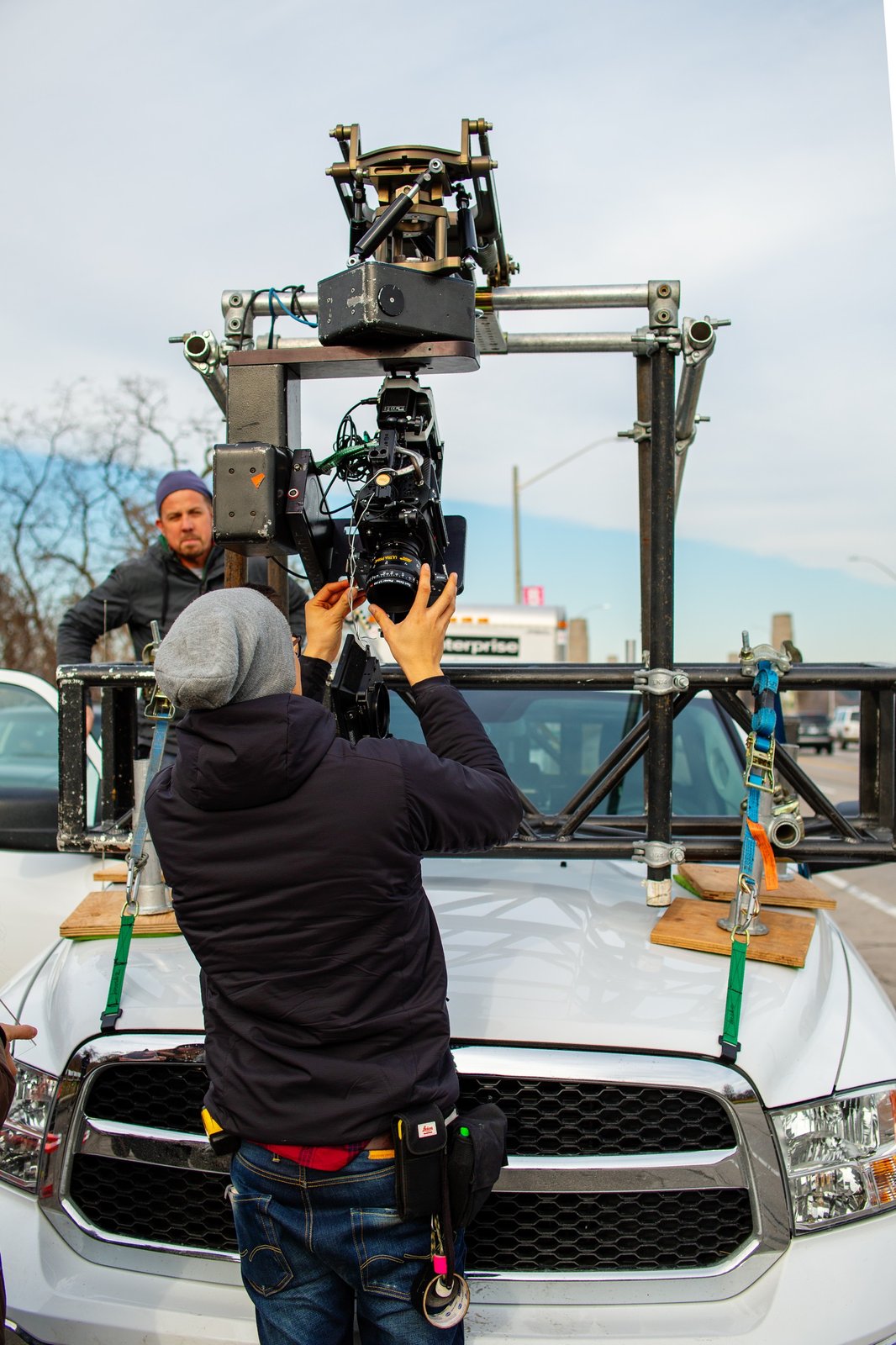
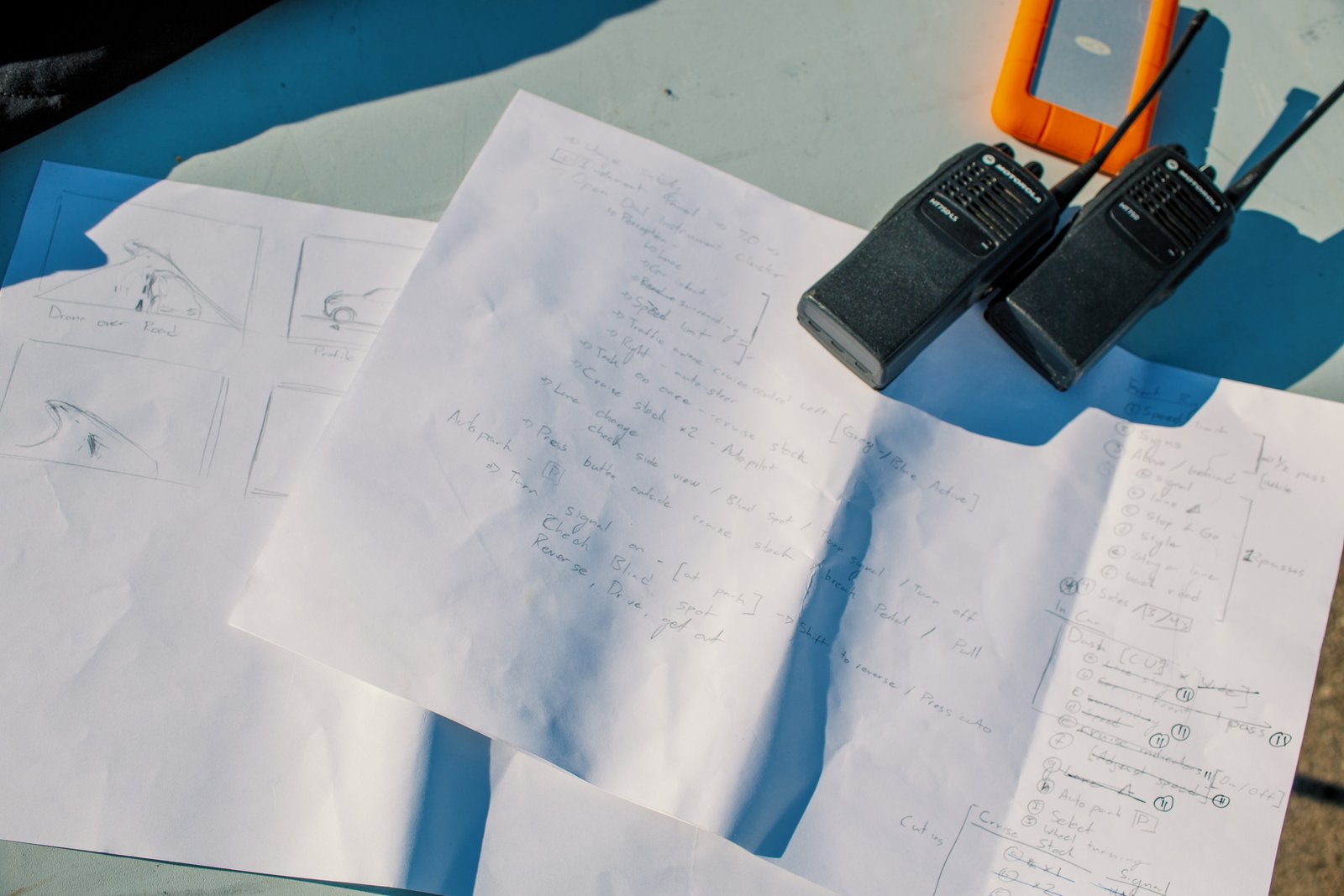
Tesla introduced Autopilot to the world. We made the film.
Let Autopilot explain itself.
If you’re told your car can now drive itself on the highway, one question comes before any other: is it safe? Tesla knew that, and safety was the core of its Autopilot message. Tesla believes the car speaks for itself once people understand it. So the film had to show how Autopilot works and how it reads the road around it.
■ ChallengeTrust is harder than features
Explaining a feature is easy. Getting someone to trust it is not. Autopilot asked drivers to let go of something they cared about, and anything that felt like a pitch would only make that harder. The film had to let people watch the car noticing the lane, the car ahead and the curve coming up, and then step back.

See what the car sees
Show the world the way the car sees it. Put Autopilot’s perception on the road, inside a typical commute, and the film doesn’t have to argue. The driver stays in control, and the audience can see why.
Making it clear
A new technology only earns trust when people understand it. Every decision in the film was made to keep Autopilot simple to read and hard to misread.
Autopilot’s perspective
We placed the car’s perception on the road, so the viewer can check what the car sees against what they would see.
No room for doubt
Anyone watching should be able to explain Autopilot to someone else afterwards. So each feature is shown so clearly there’s only one way to understand it.
The film was made so anyone could explain Autopilot after seeing it, and that’s what happened in public. CNN, CBS News, Fortune and The Verge all used it or wrote about it, and for many people it became the way they first saw Autopilot work.
“if Tesla ever made a Super Bowl ad,
this would be it.” - The Verge
Have a challenge you’re solving? We’re here to talk through it.
Start a project ↗The story needed to be strong enough that you could watch it on mute. Most people do anyway.


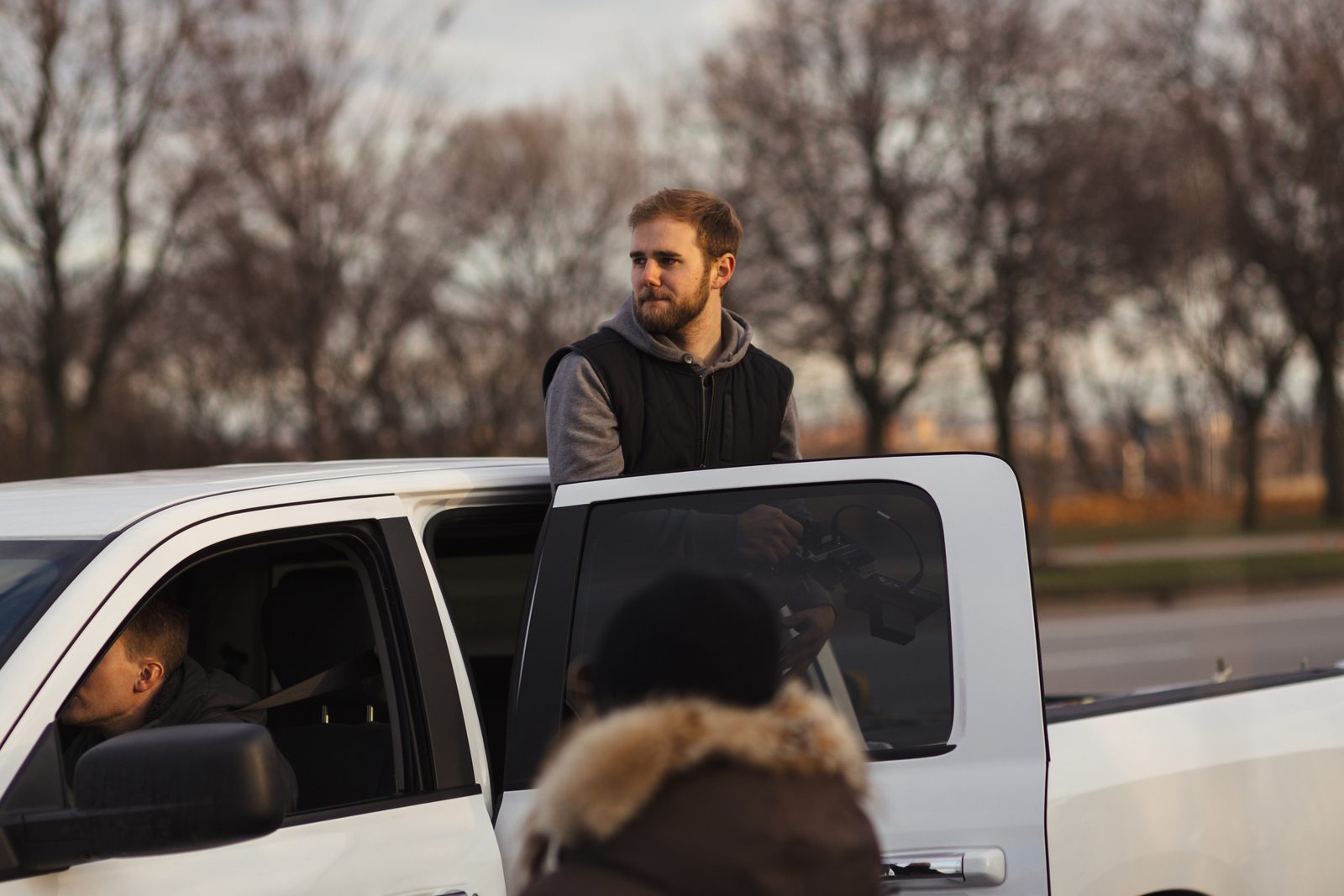
First automotive campaign. Every headache taught us something we still use.


A brokerage disrupting the industry needs a disruptive idea to break the status quo.
The quiet tax on selling a home
Every seller has felt it: the more their home is worth, the more of it goes to the agent. New Era Real Estate was built to offer the full service for one flat fee instead. They needed to show sellers why the commission matters.
■ ChallengeEveryone knows. Nobody changes it.
Sellers know they’re overpaying. The industry knows it too, and likes it that way. New Era is a better way to sell a home. The hard part was showing it.

Meet the agent you paid
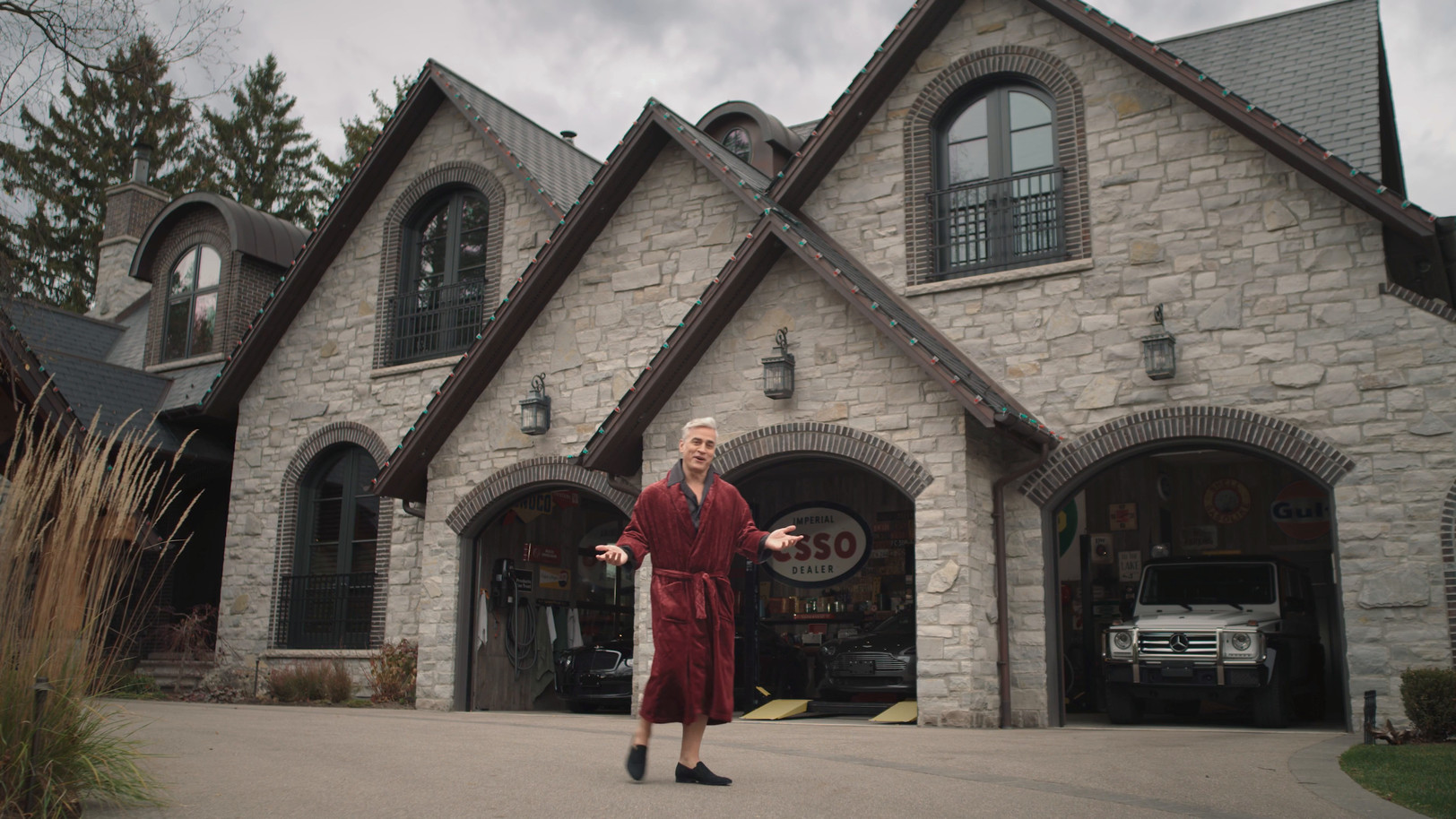
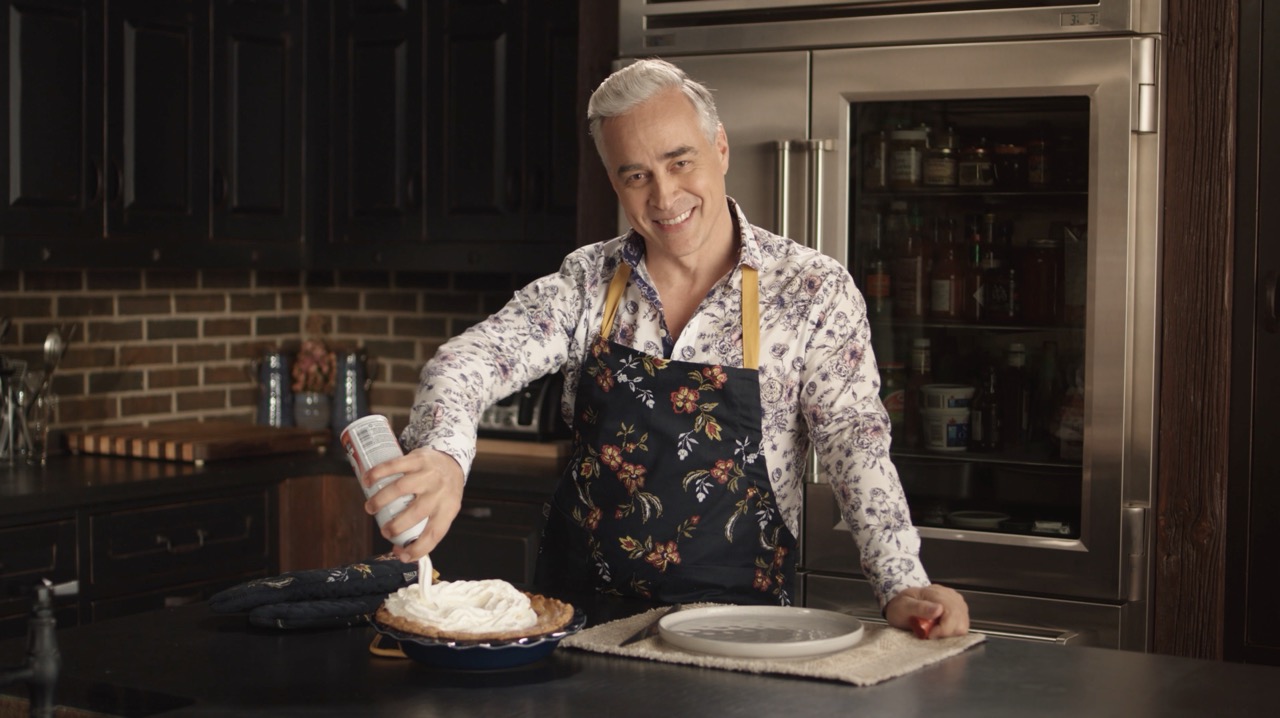
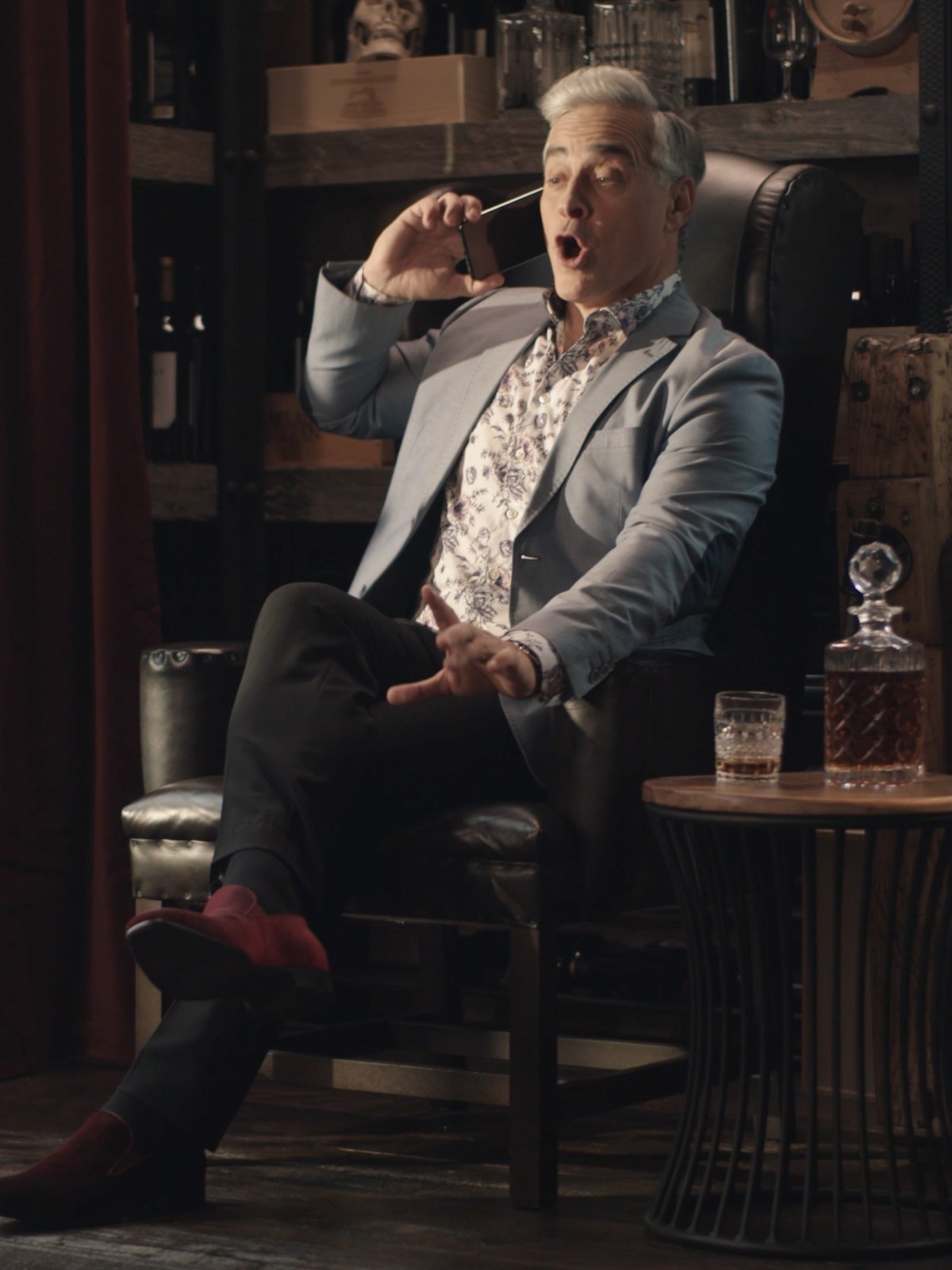
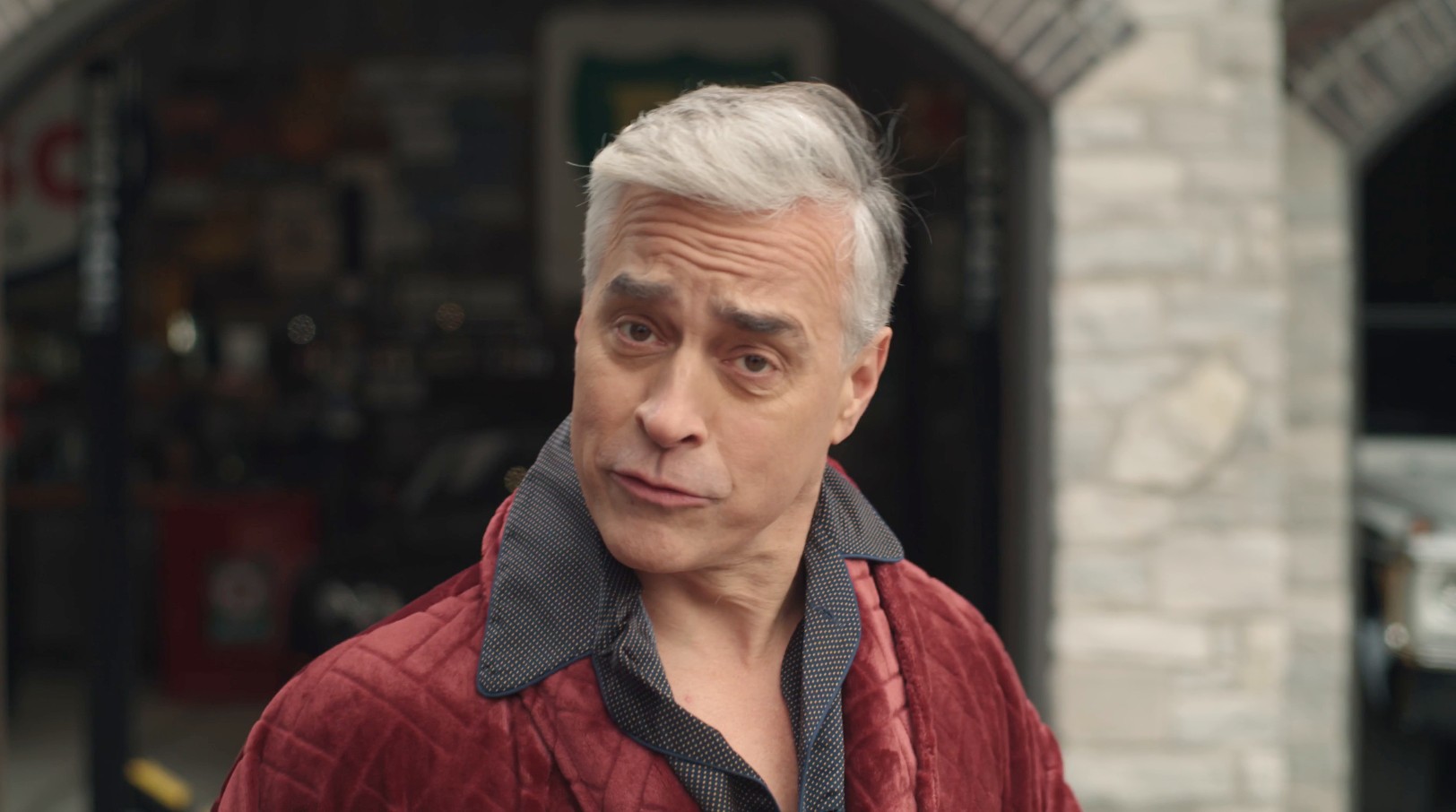
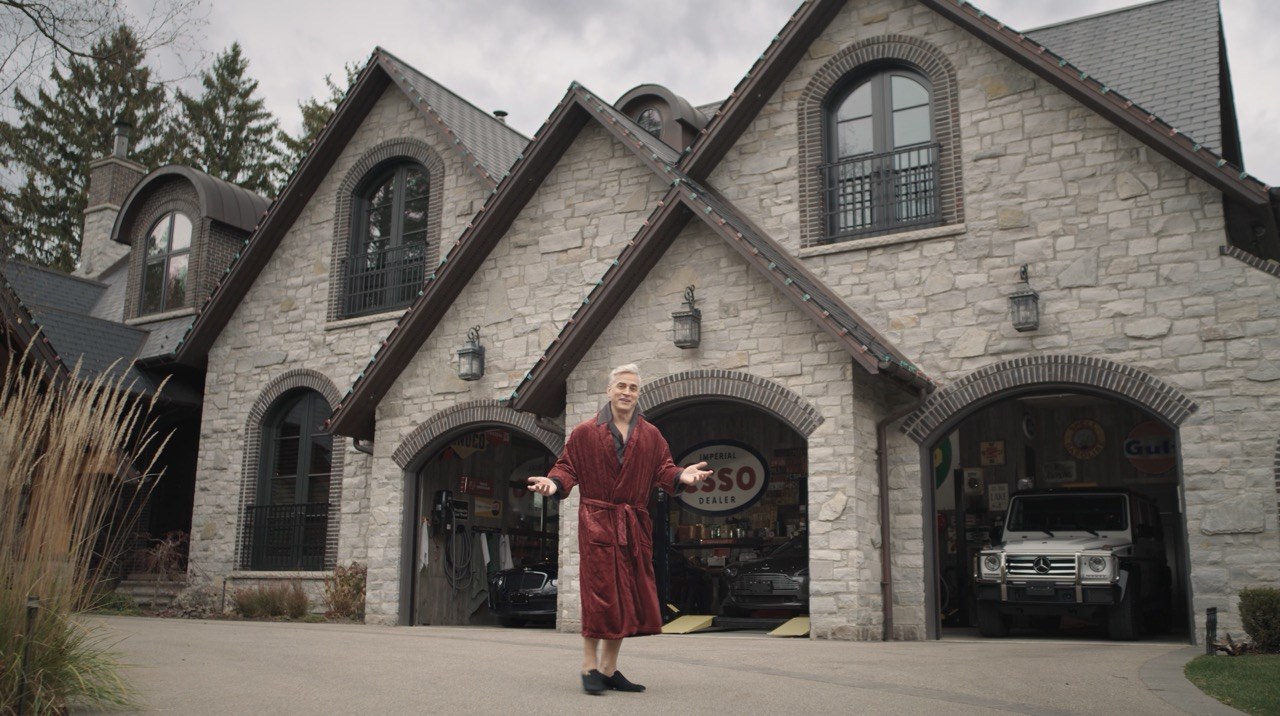
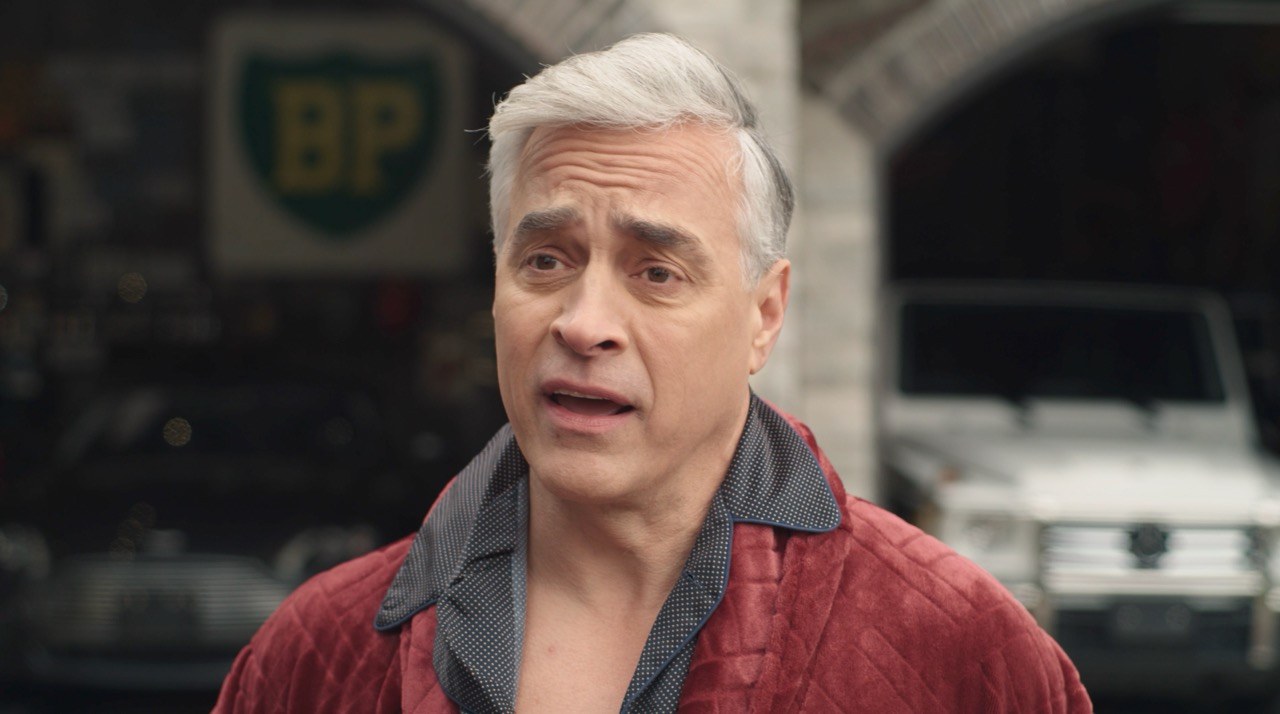
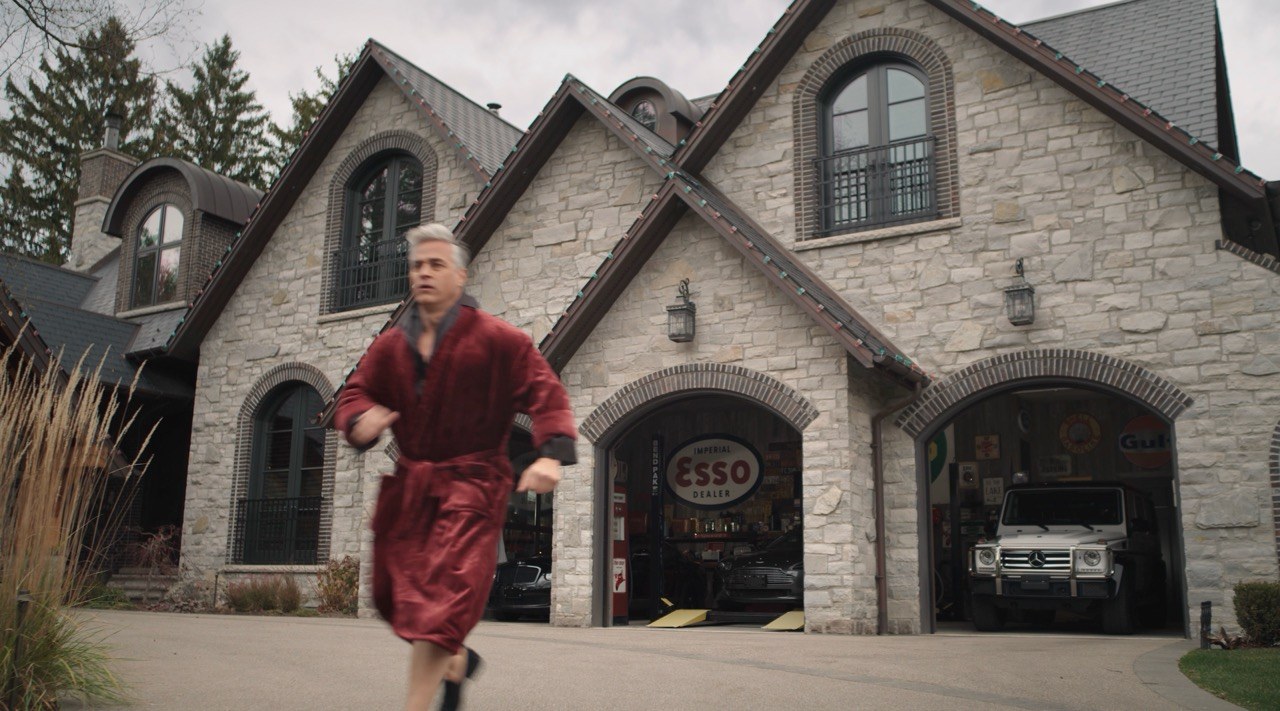
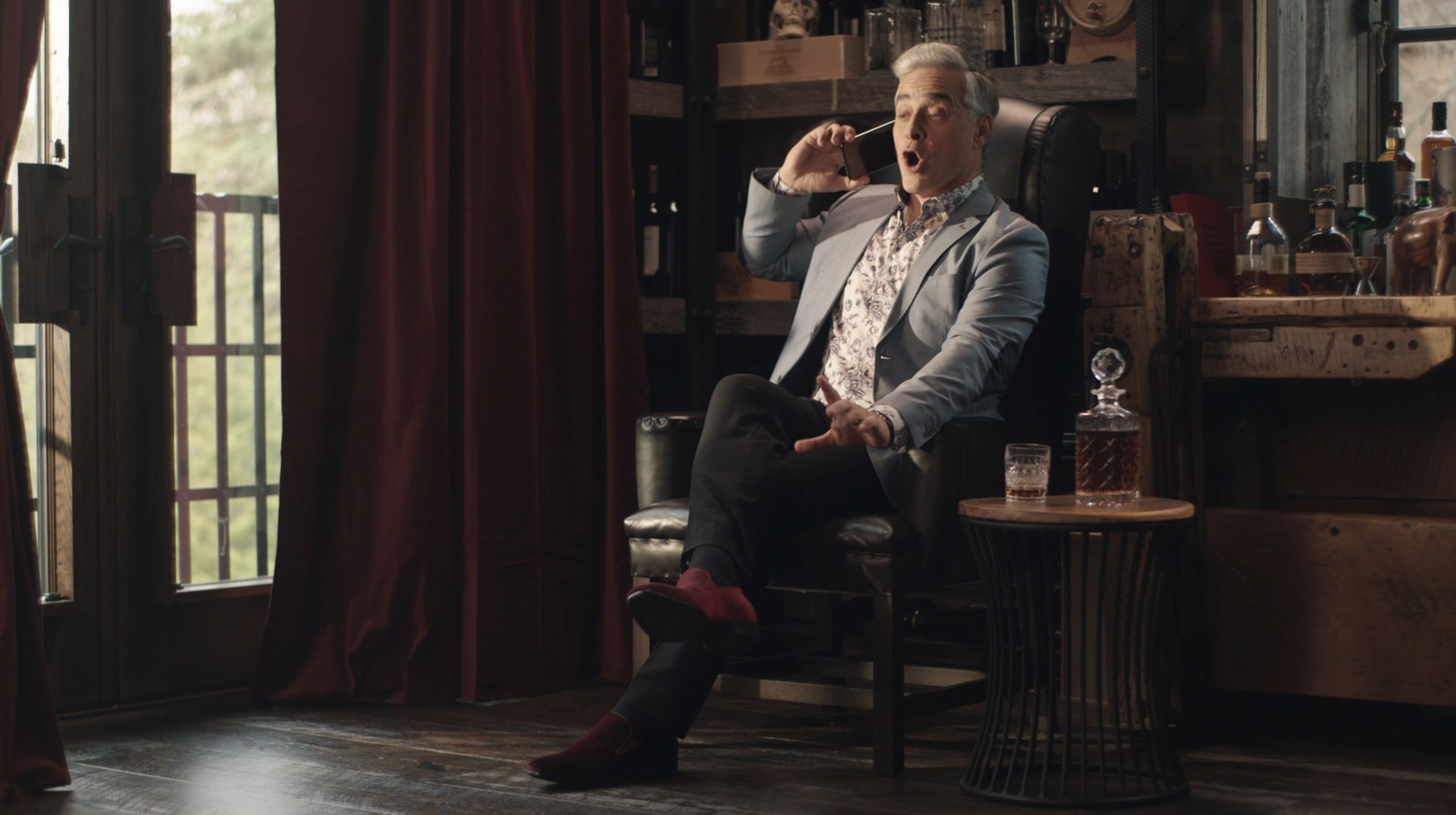
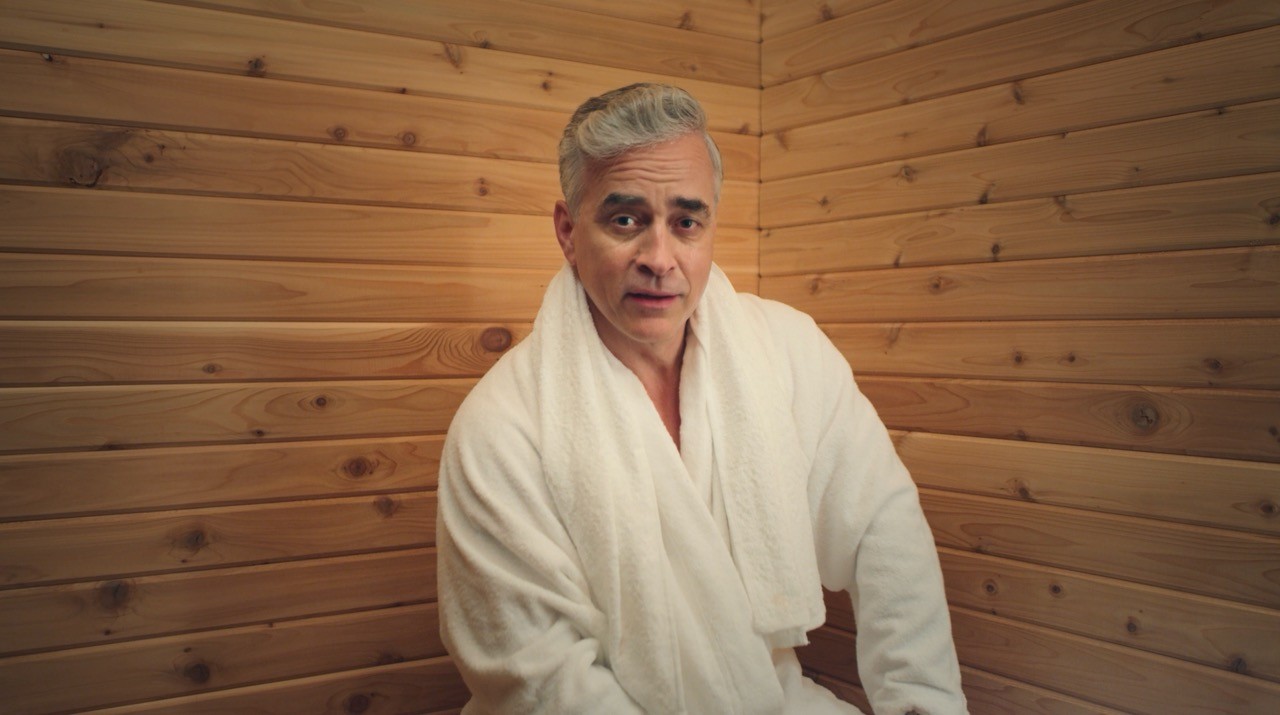
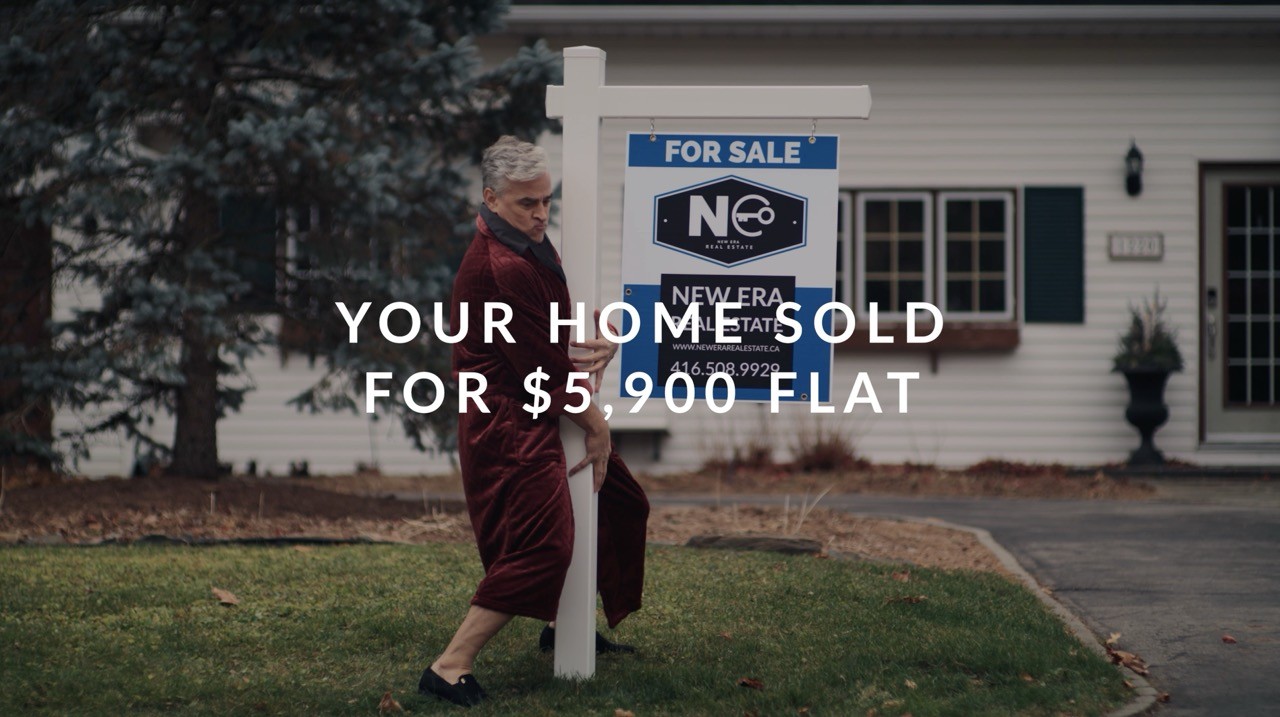
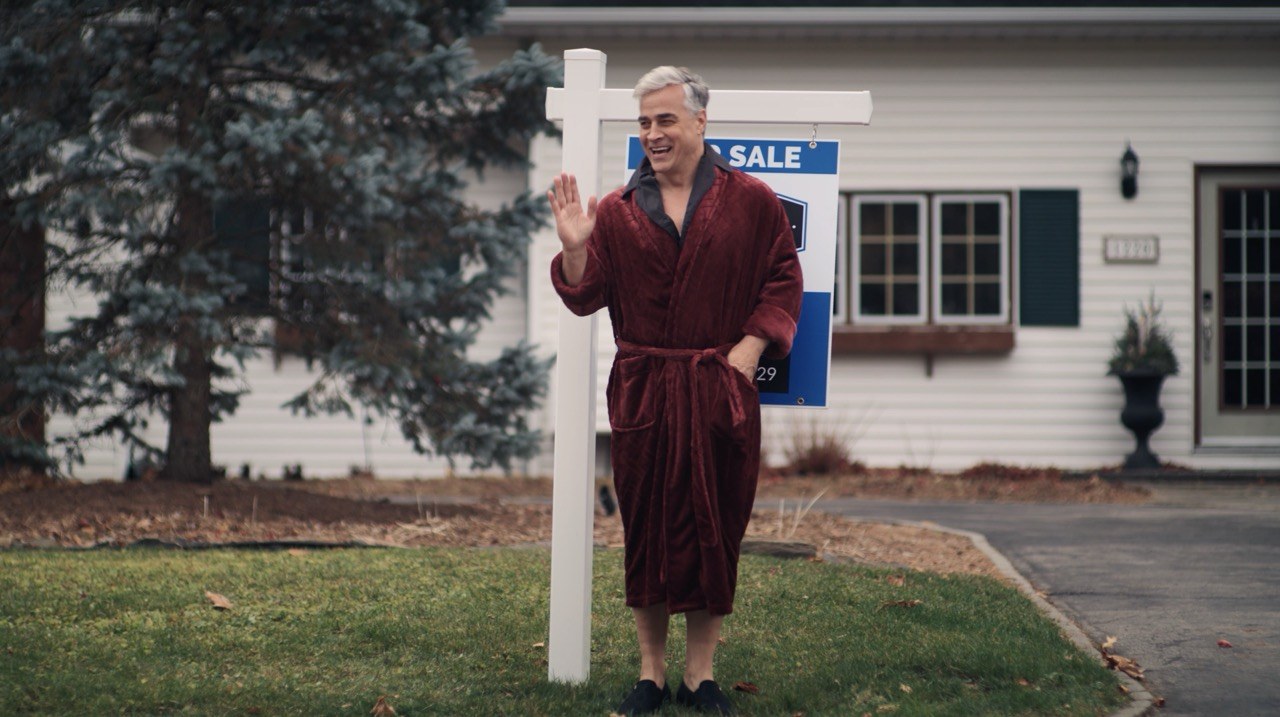
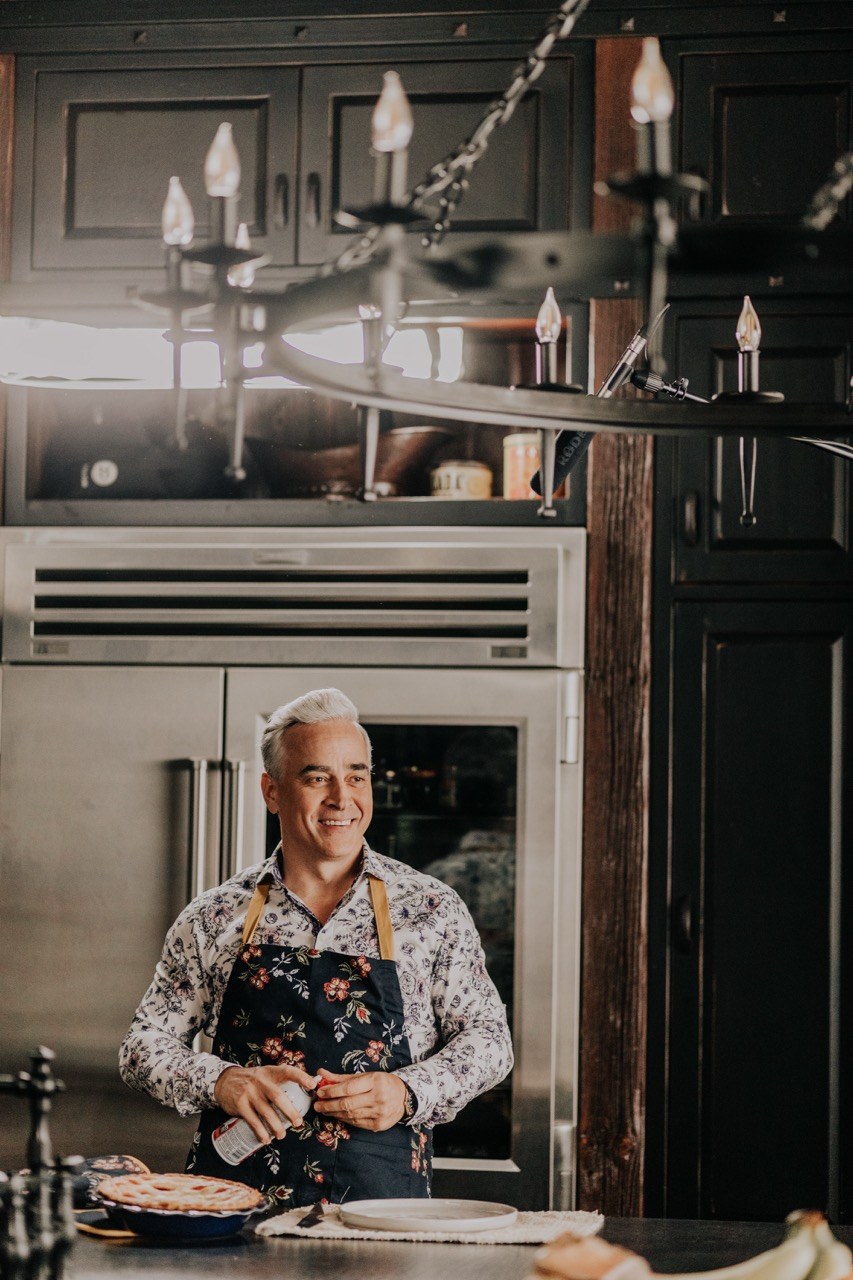
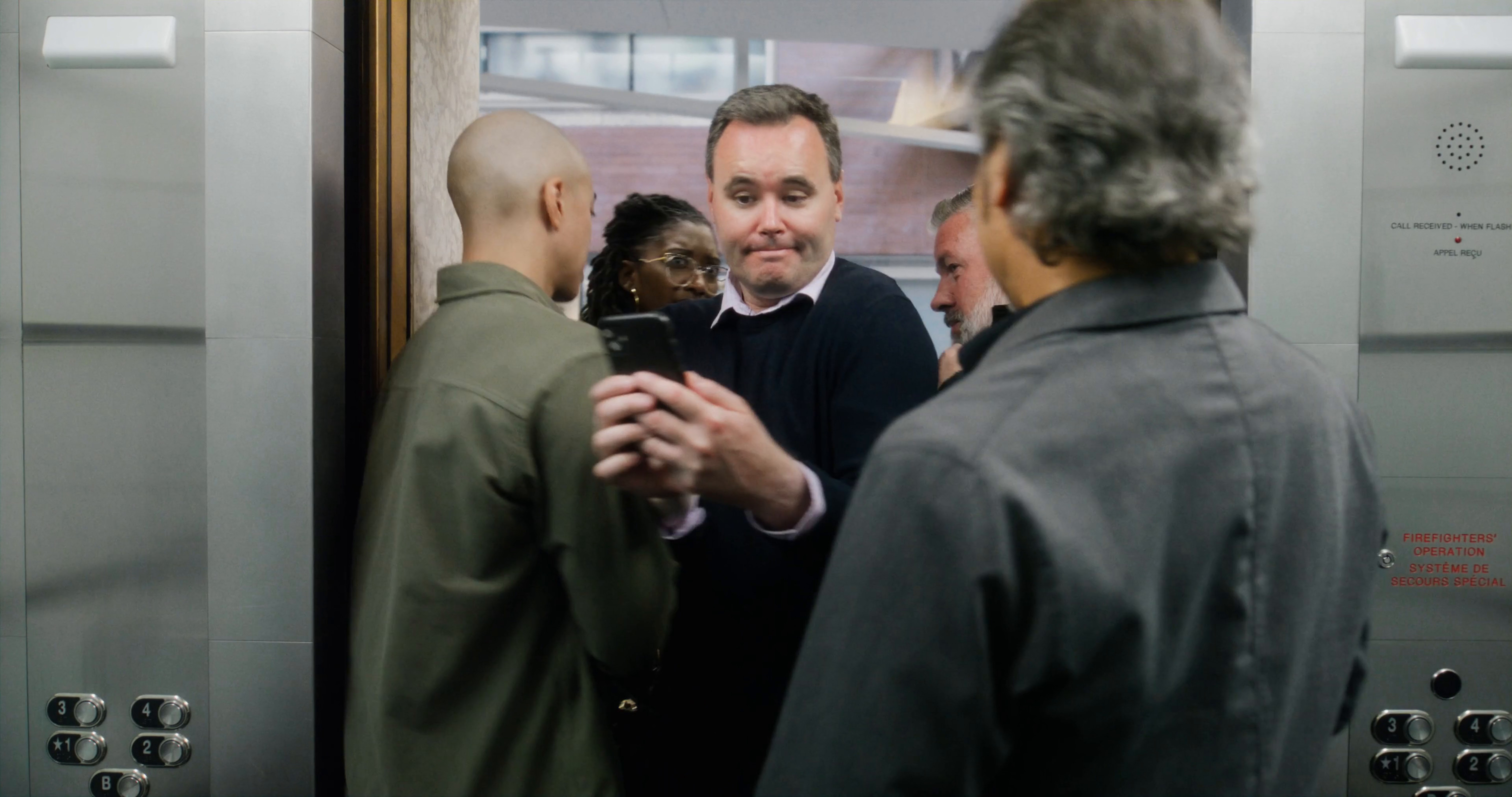
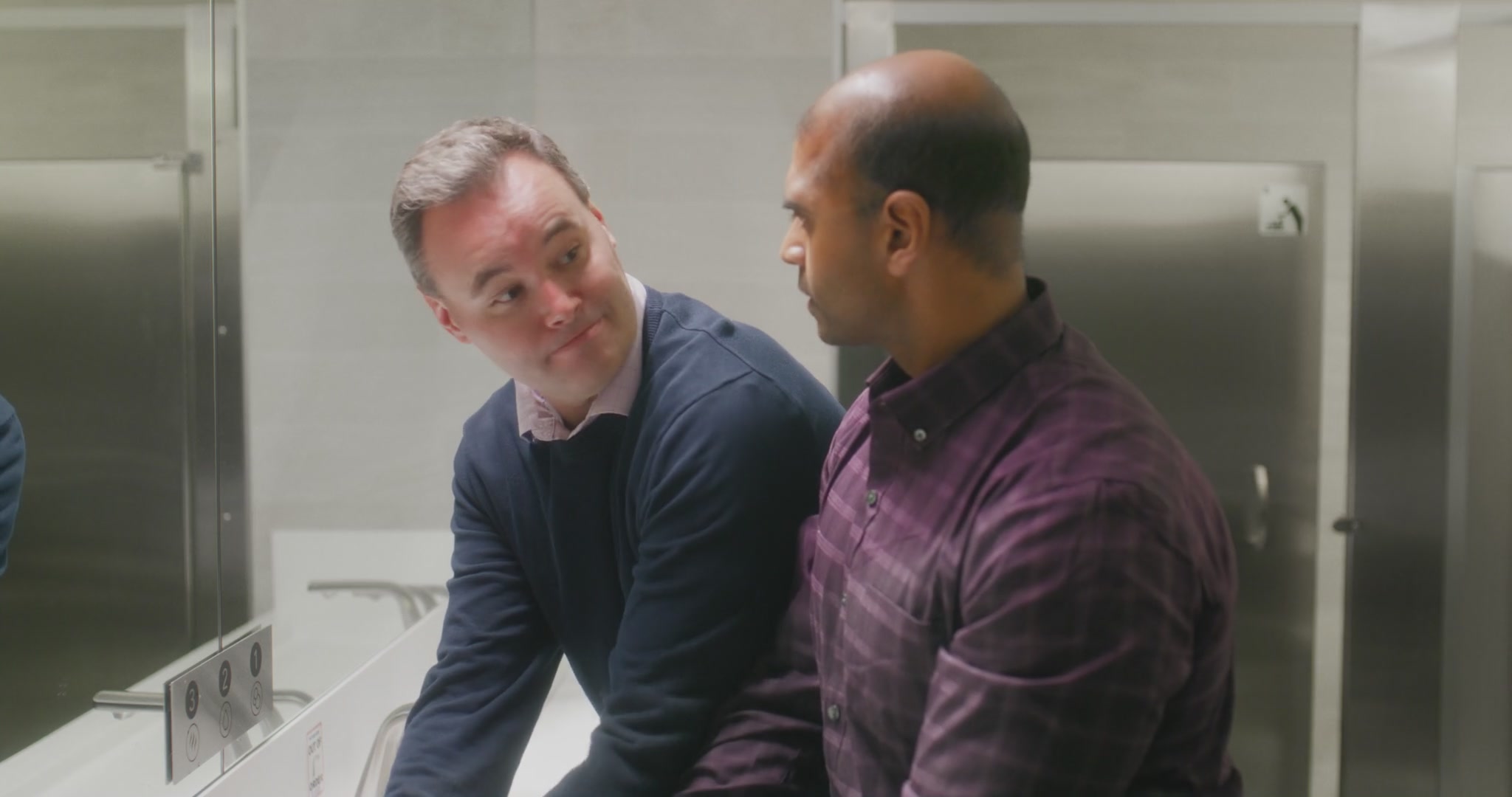
Instead of selling the home or the savings, we introduced sellers to the person their commission really pays for: an agent who’s charming, comfortable and entirely pleased with the arrangement. He talks to the seller directly, thanks them, and makes New Era’s case without meaning to.
Finding the edge
Satire only works if you mean it. A commission rises with the price of a home, not with the work behind it. We wrote for the seller who already suspects that, and held one boundary: agents earn their place, but their fee doesn’t add up. That let us go further rather than softer. The idea leans into the greed, plays it straight, and has the agent speak directly to the seller.
The character
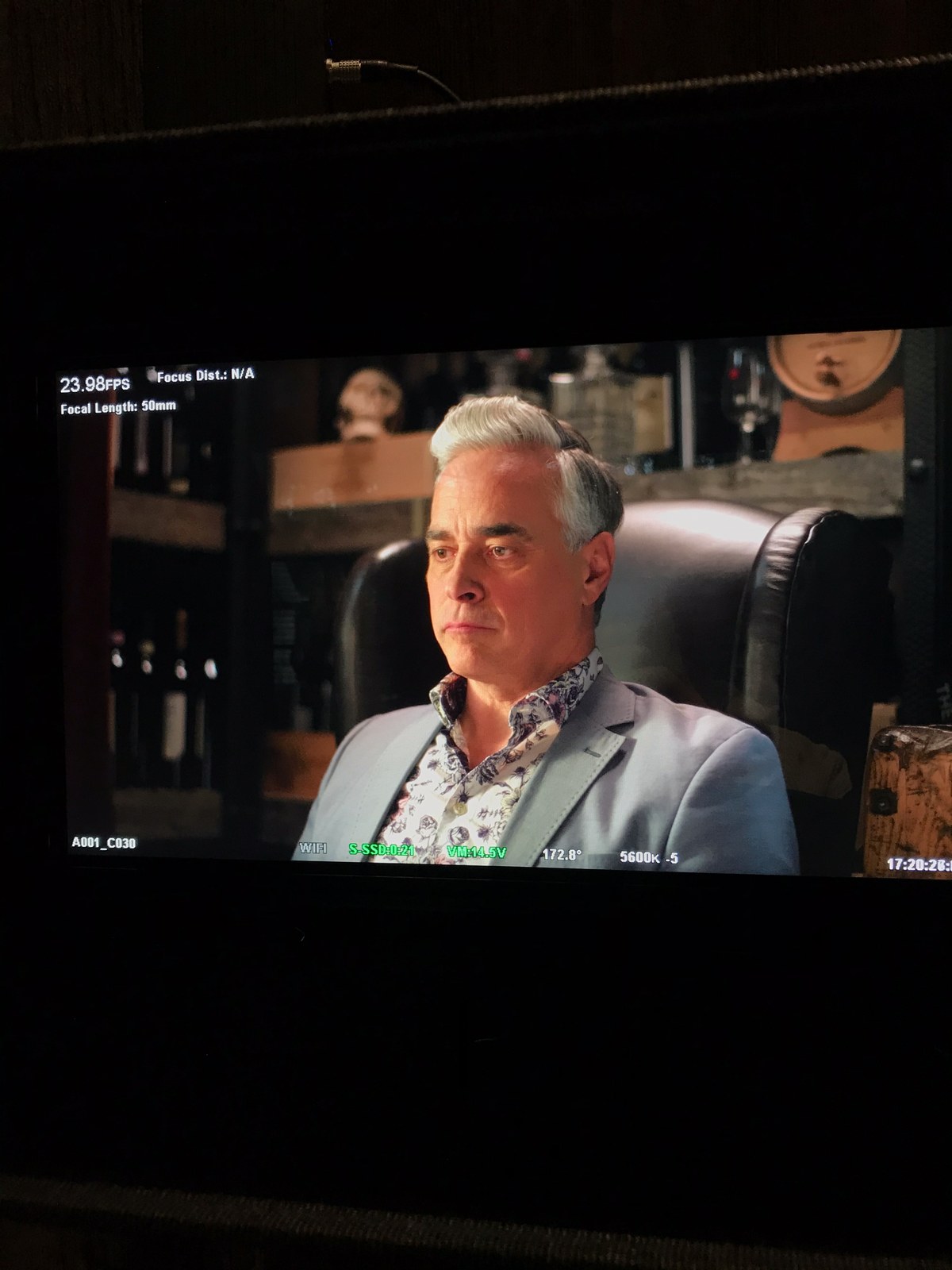
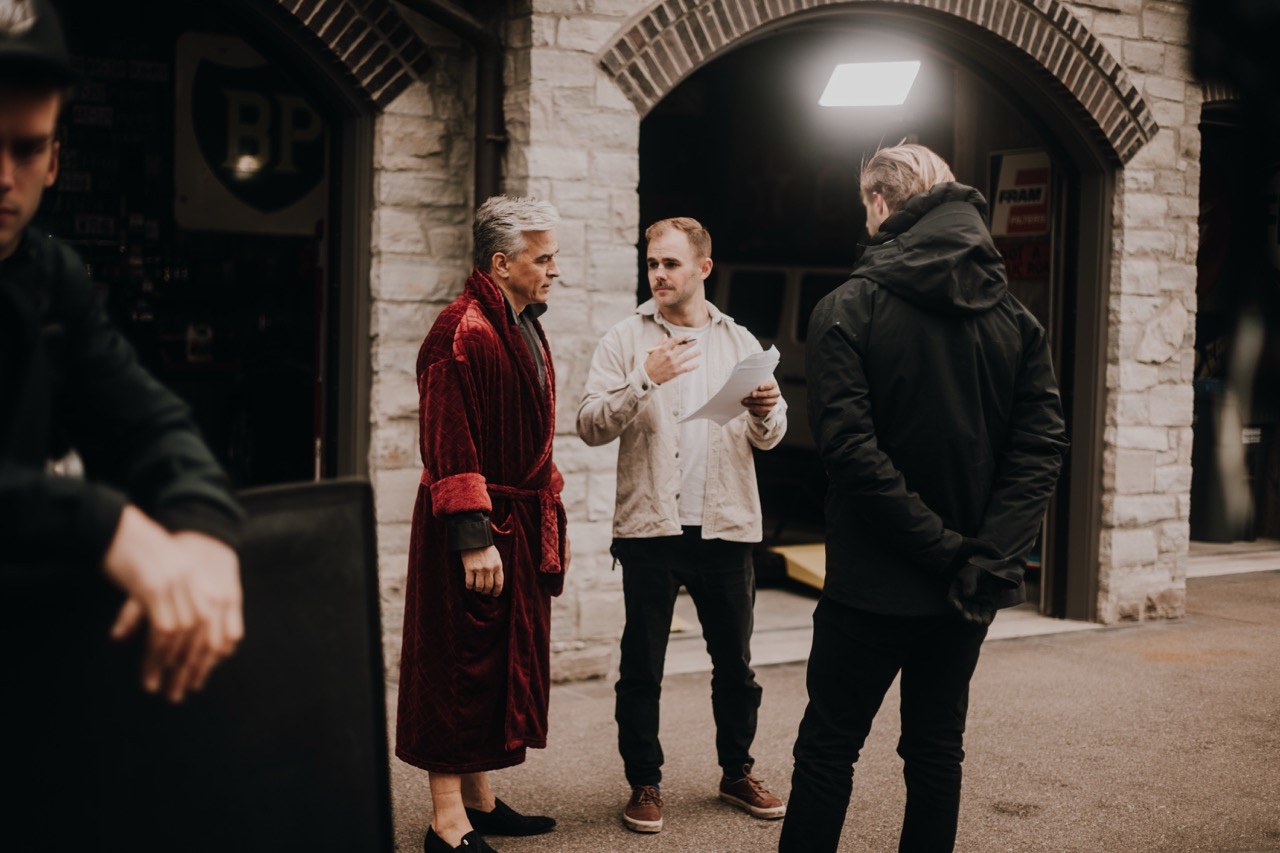
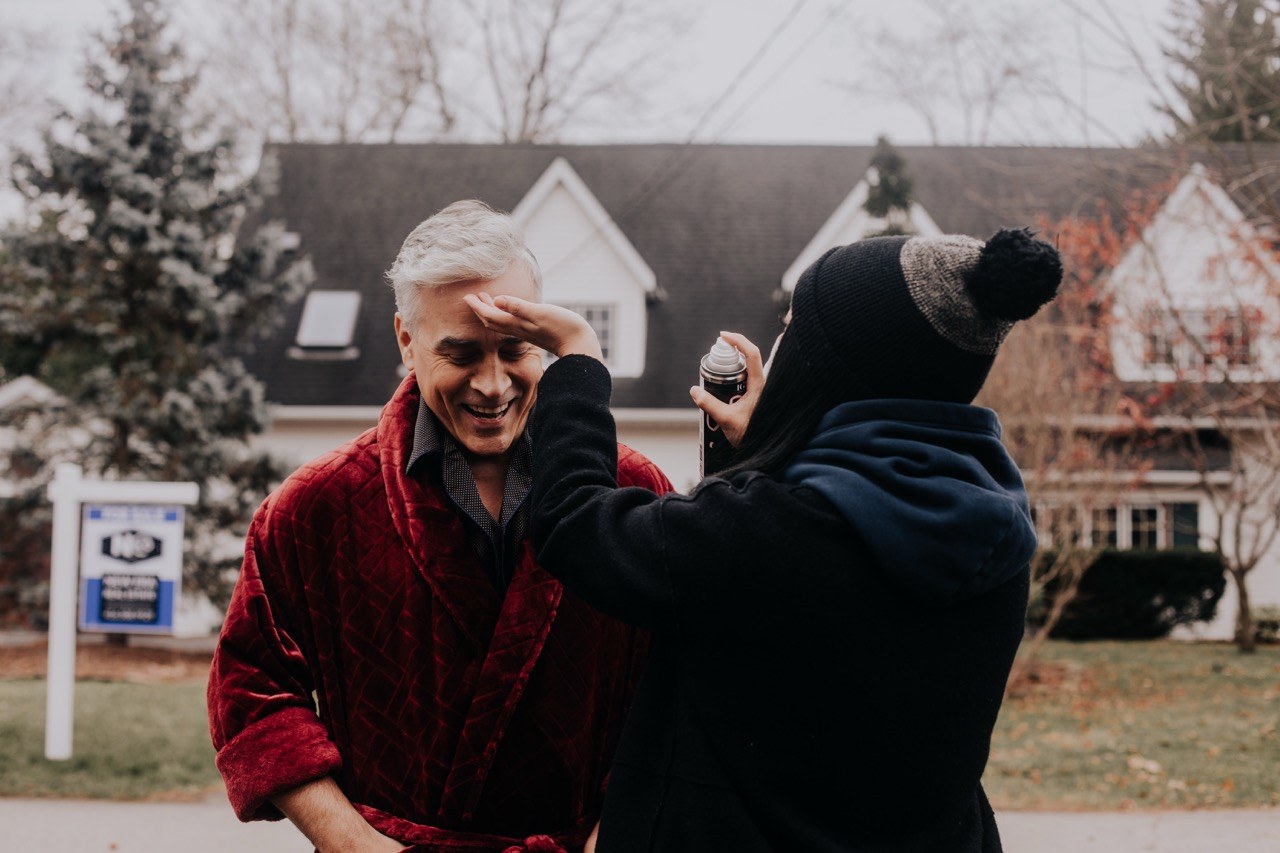
He’s entitled, pompous, and completely charming about it. An actor who understood that on the first read shaped the script as much as it shaped him, improvising through rehearsal until the character was his.


The lifestyle
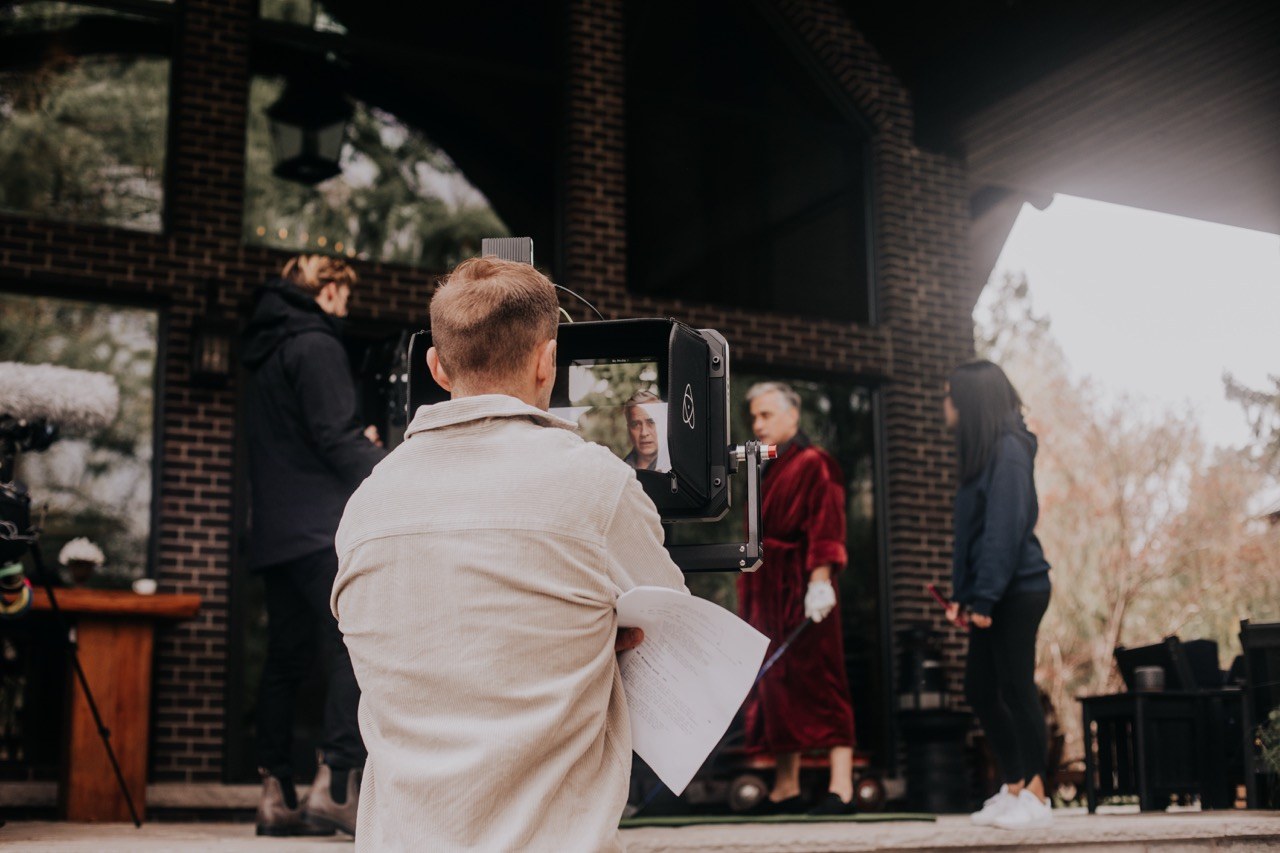
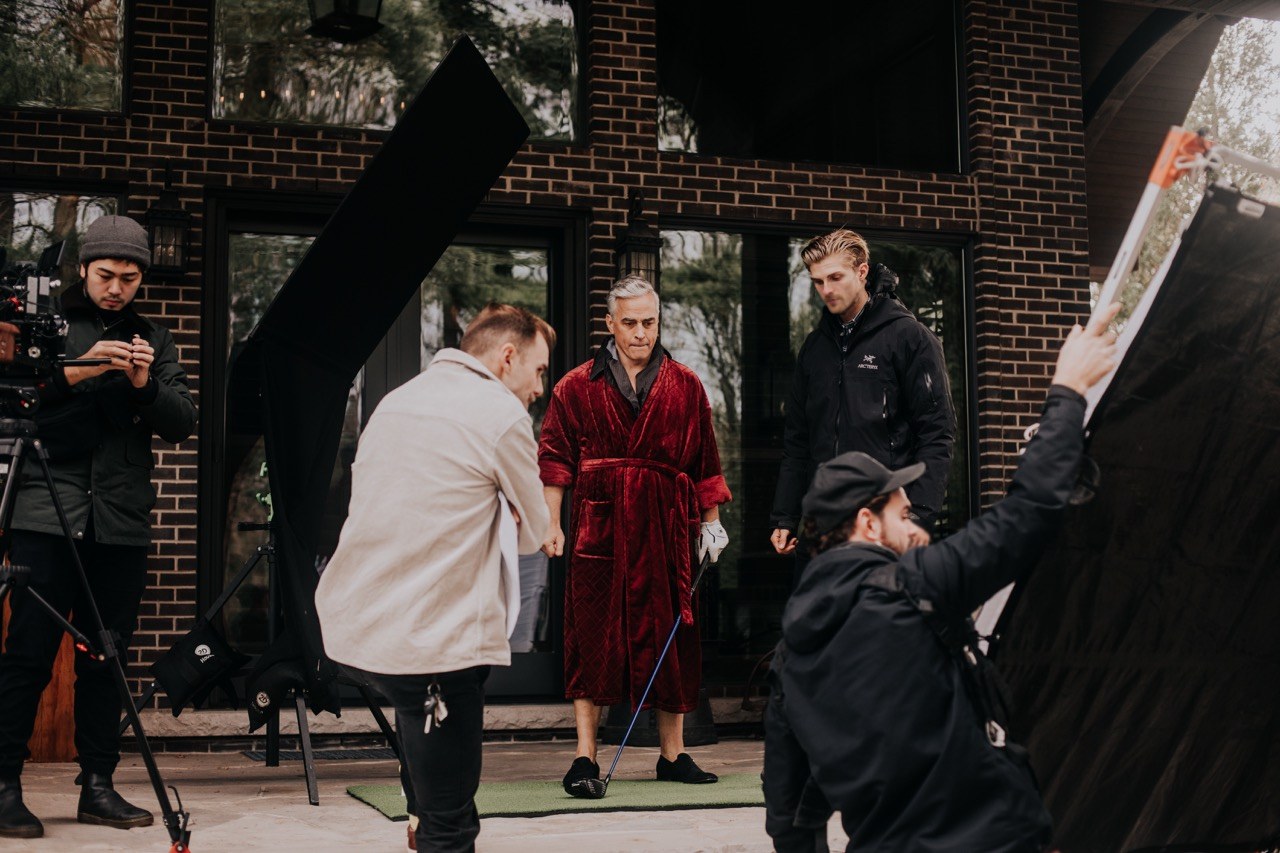
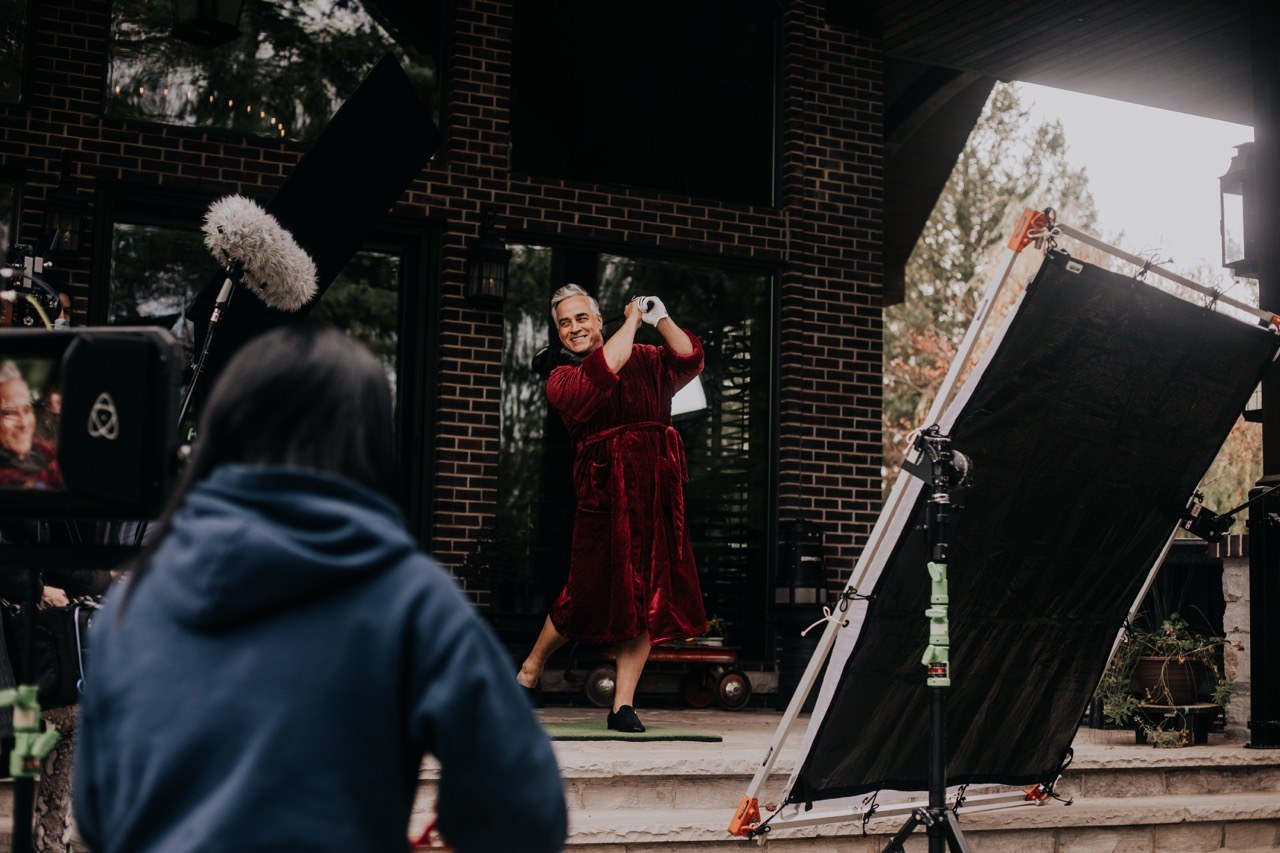
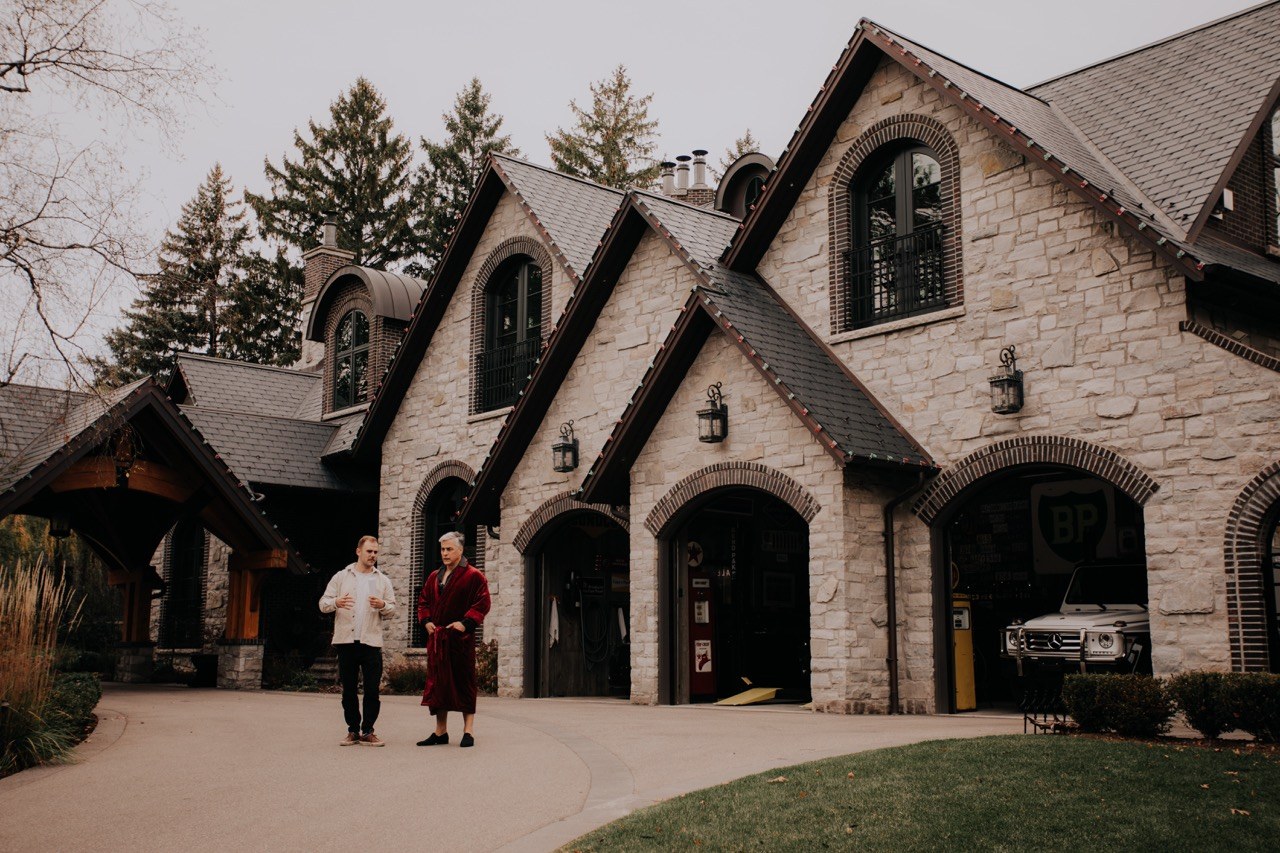
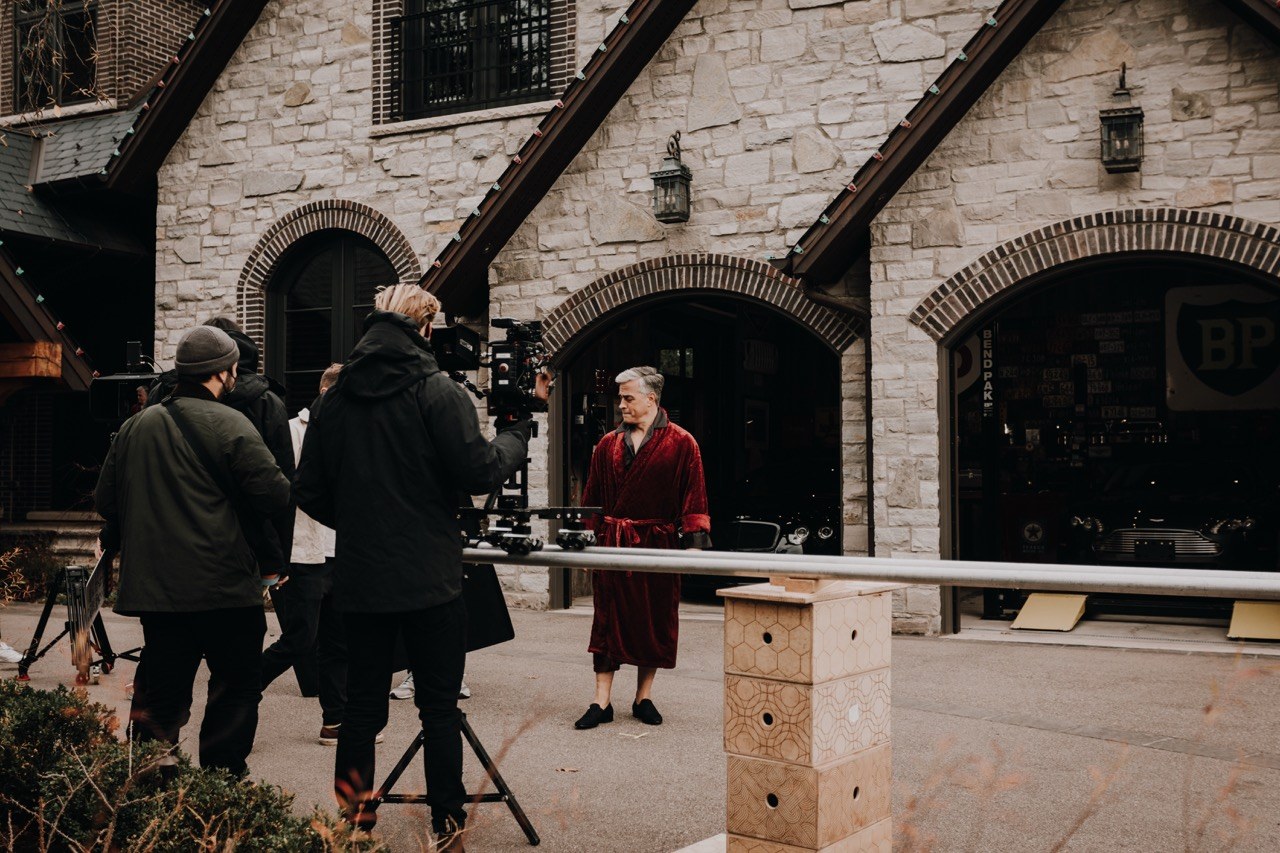
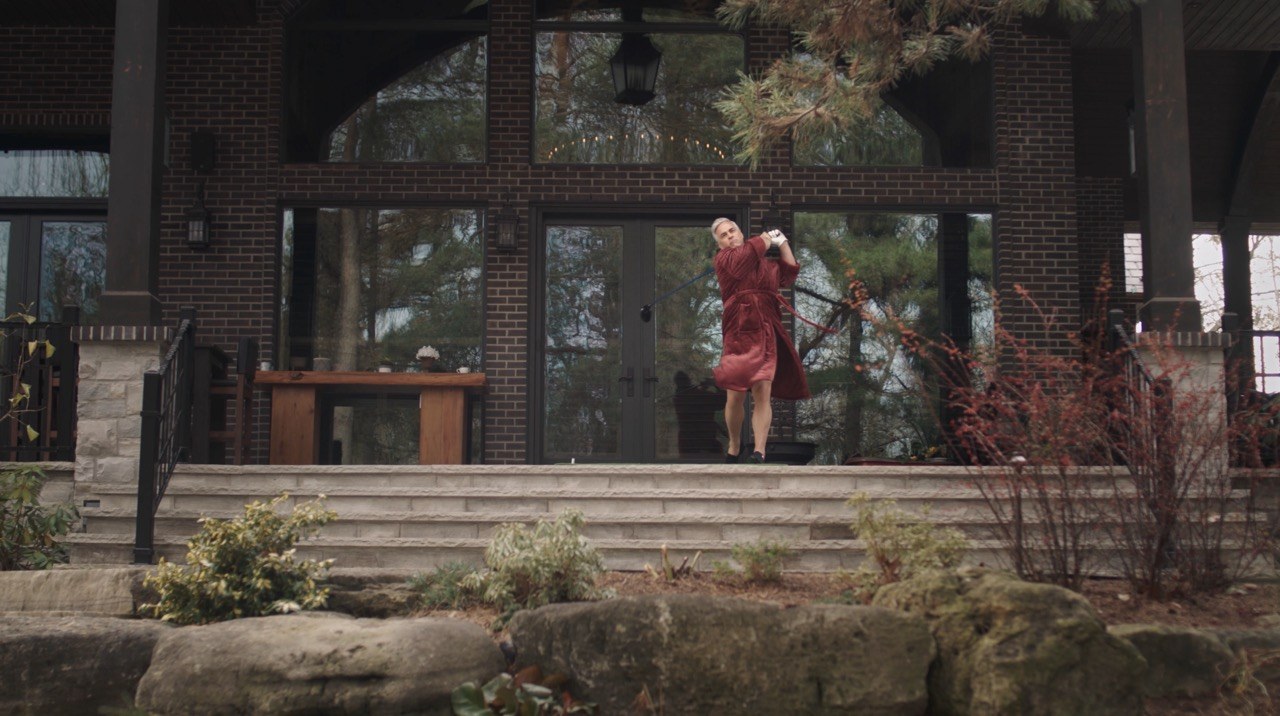
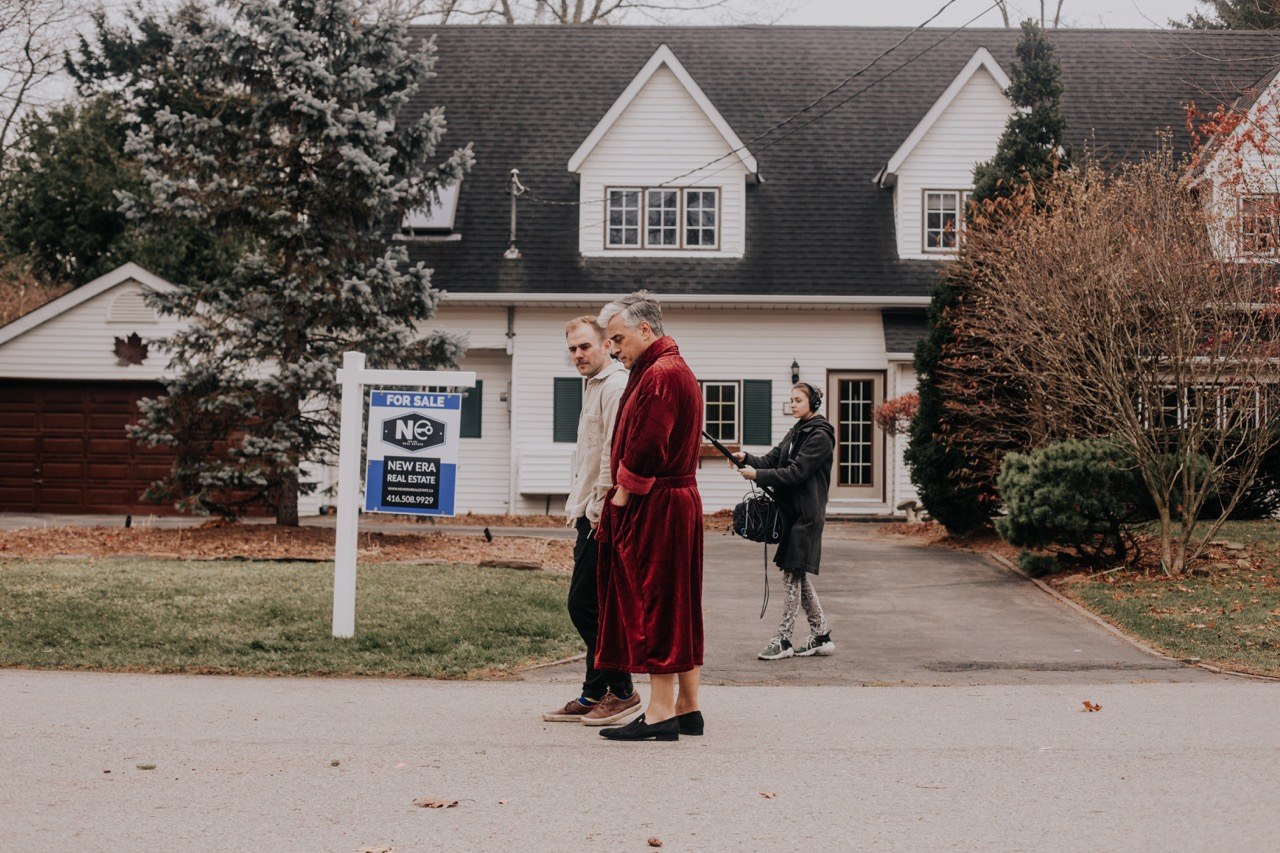
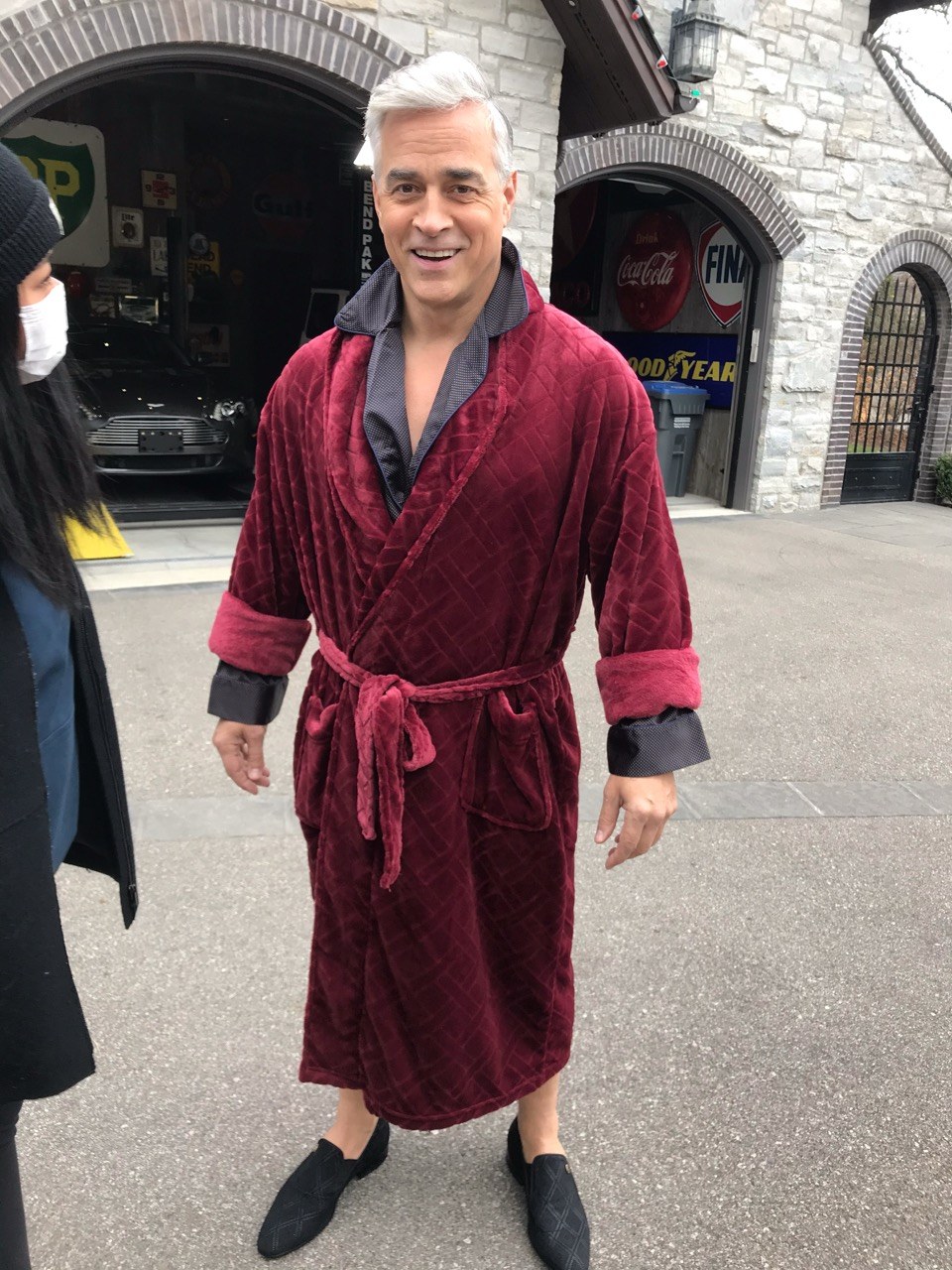
Everything about his lifestyle answers the seller’s question about where the money goes: the house, the cars, the velvet robe. Every detail was chosen to sell him, and planned well enough that the day itself was just a matter of shooting it.
A flat fee is hard to remember. An agent bragging about his commission isn’t. The campaign gave New Era’s offer a face, and it became a cornerstone of their marketing.
Have a challenge you’re solving? We’re here to talk through it.
Start a project ↗Scripting
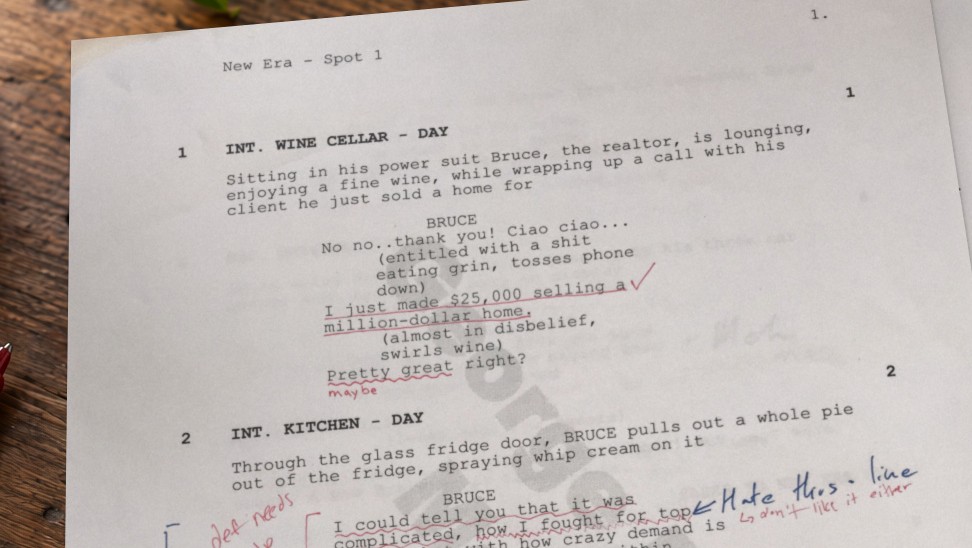
There’s a fine line between satire and bashing the agents who sell homes. Getting the script spot on was the foundation for making sure the idea landed.


Casting
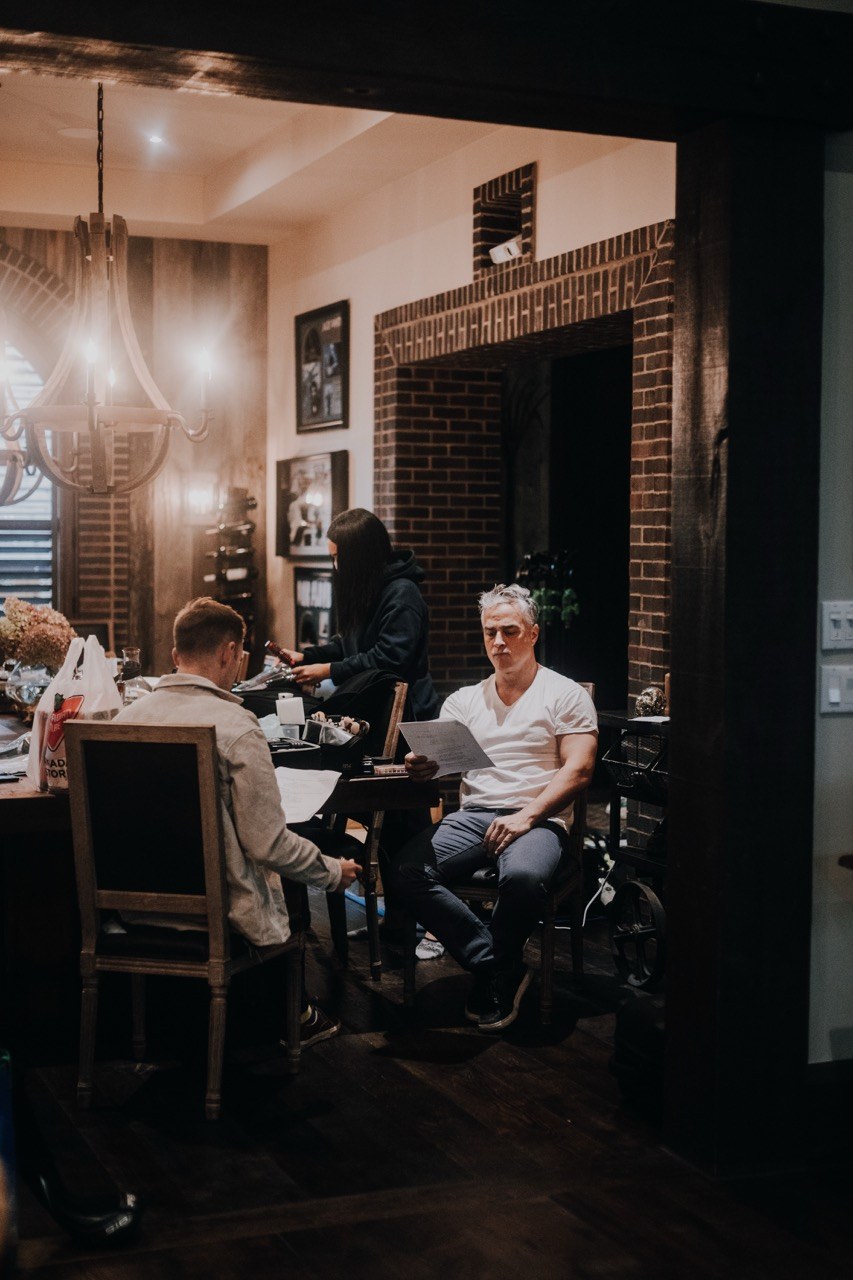
We needed more than a lead actor; we needed someone who could read between the lines and embody the role. Randy didn’t just act; he became the agent.
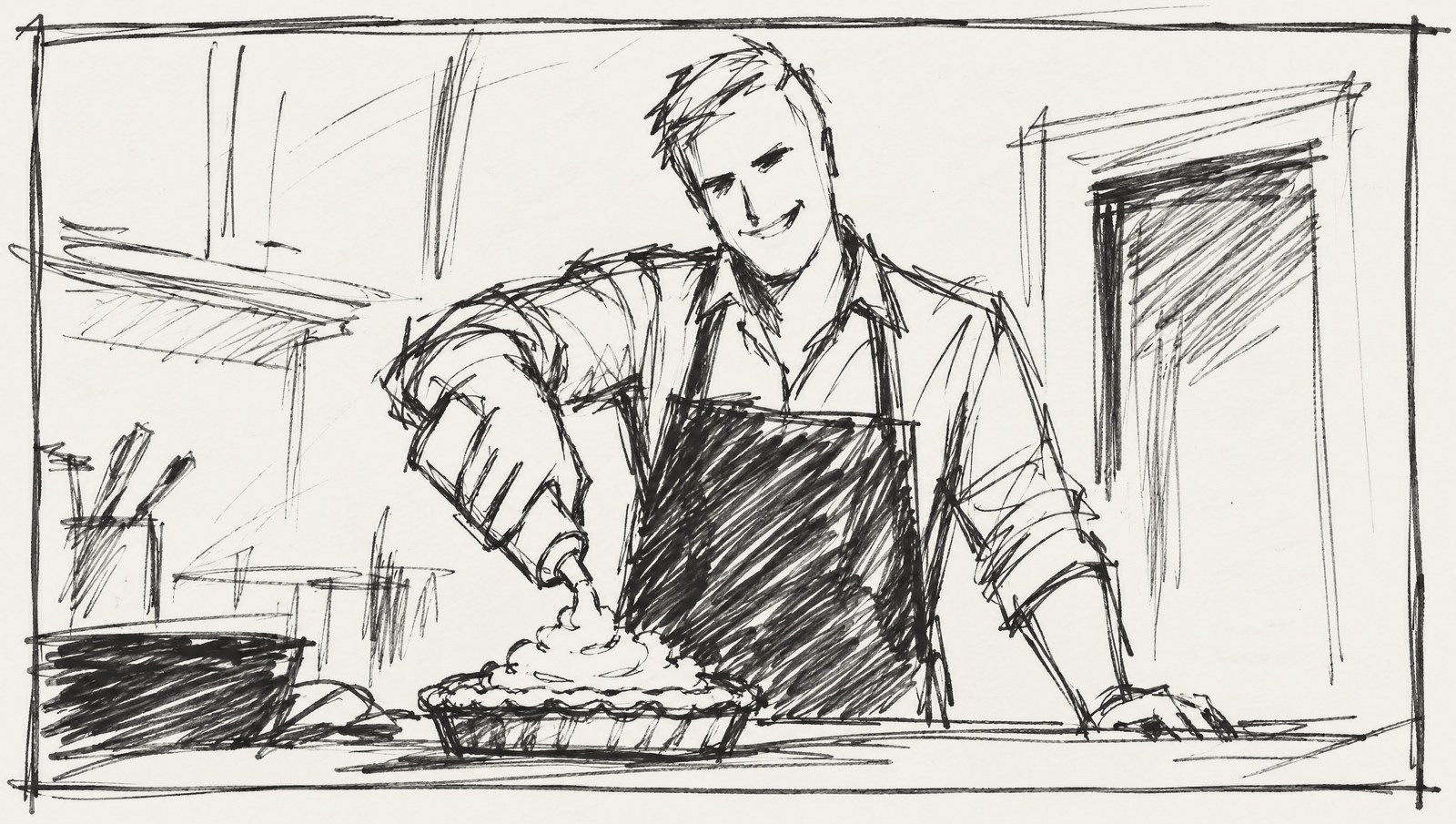
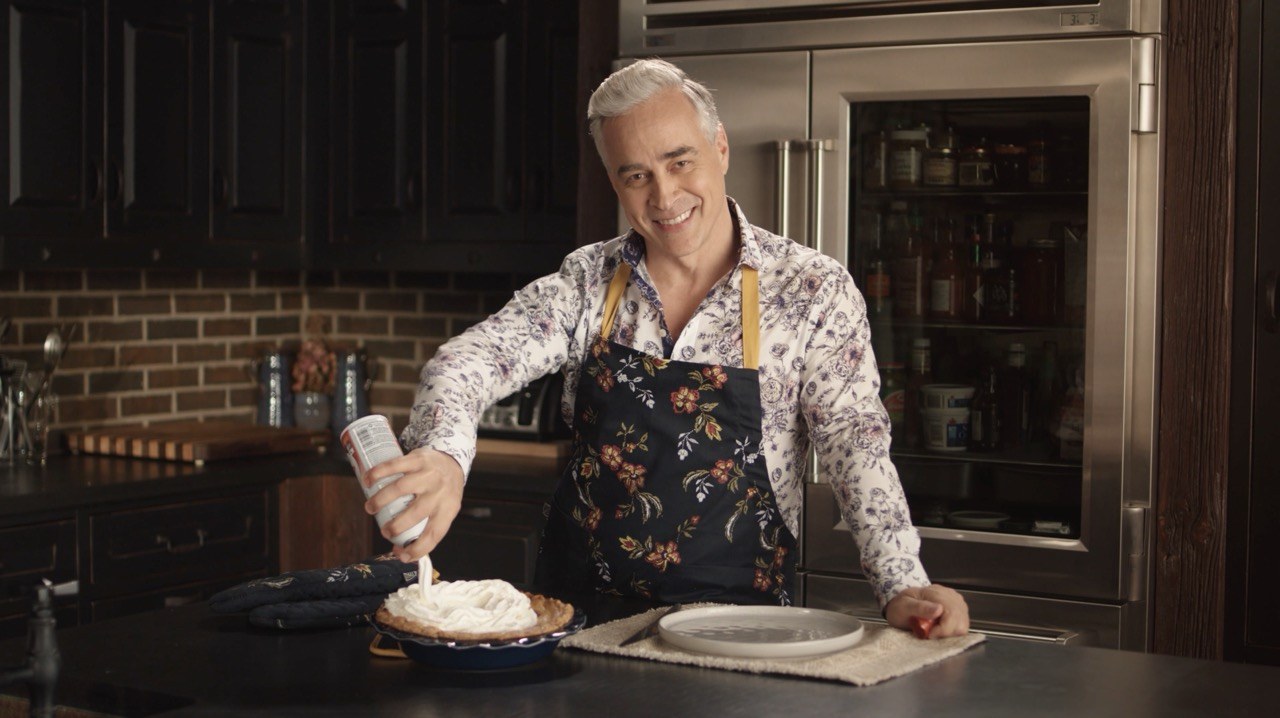
Storyboarding
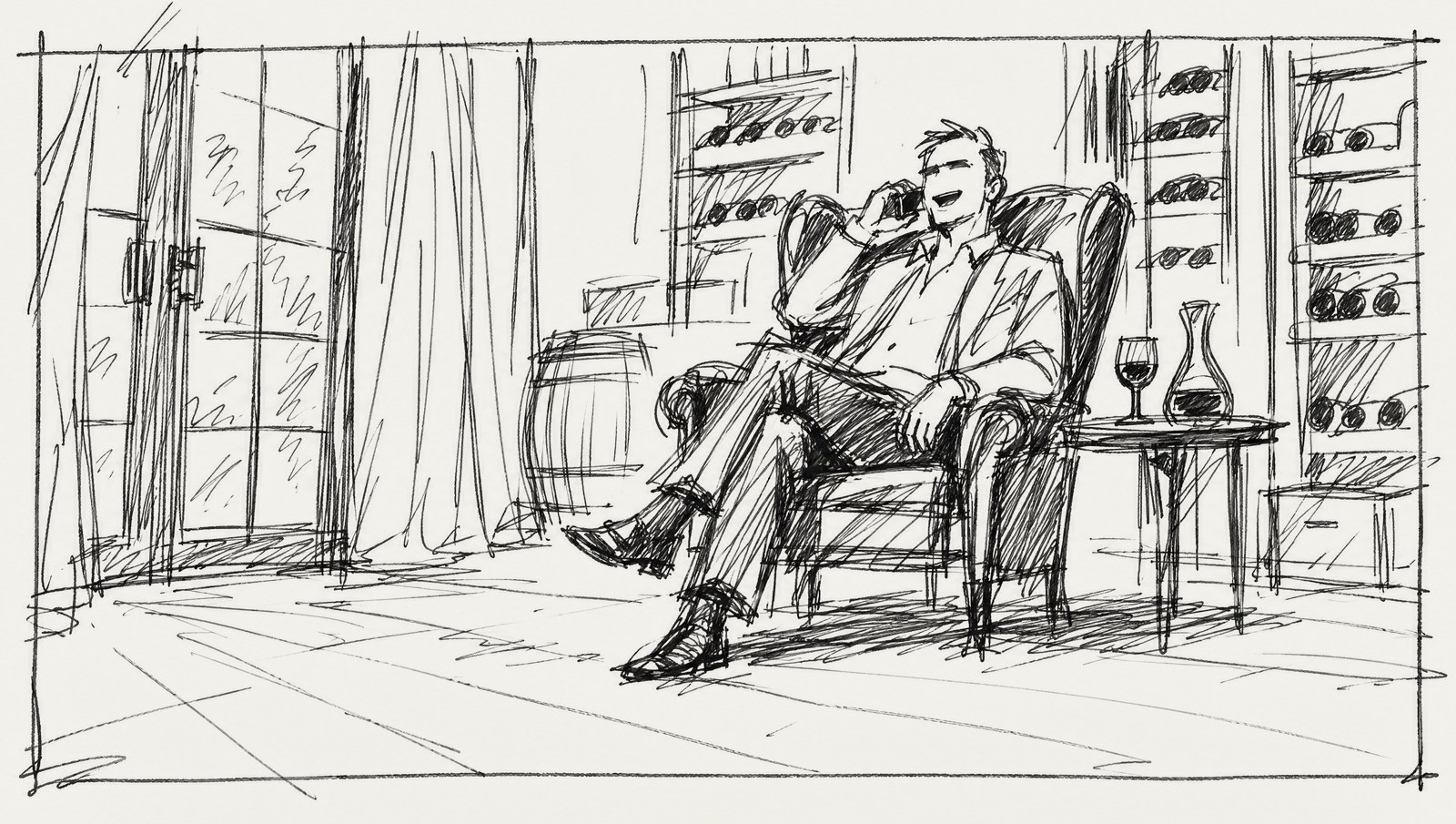
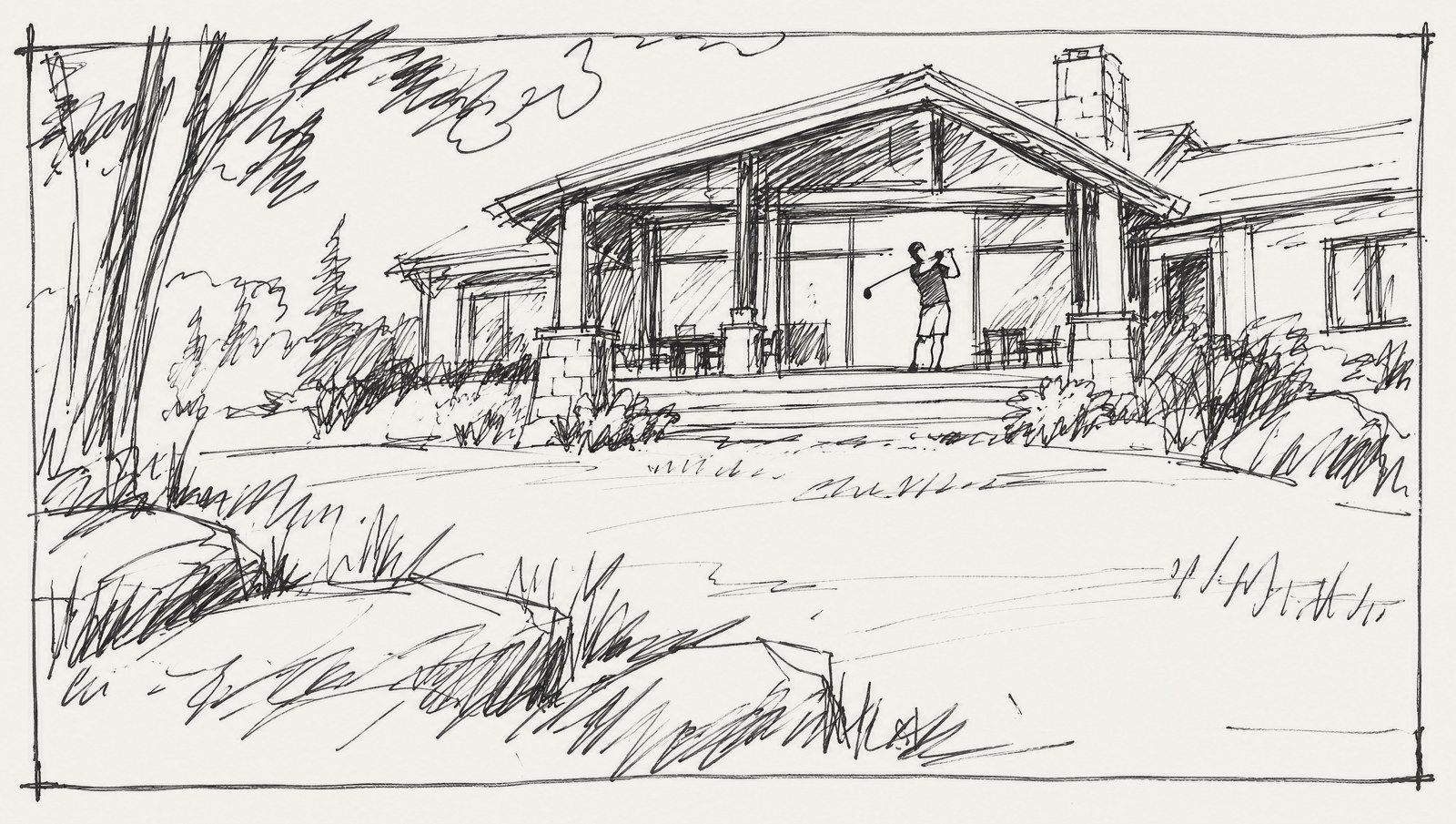
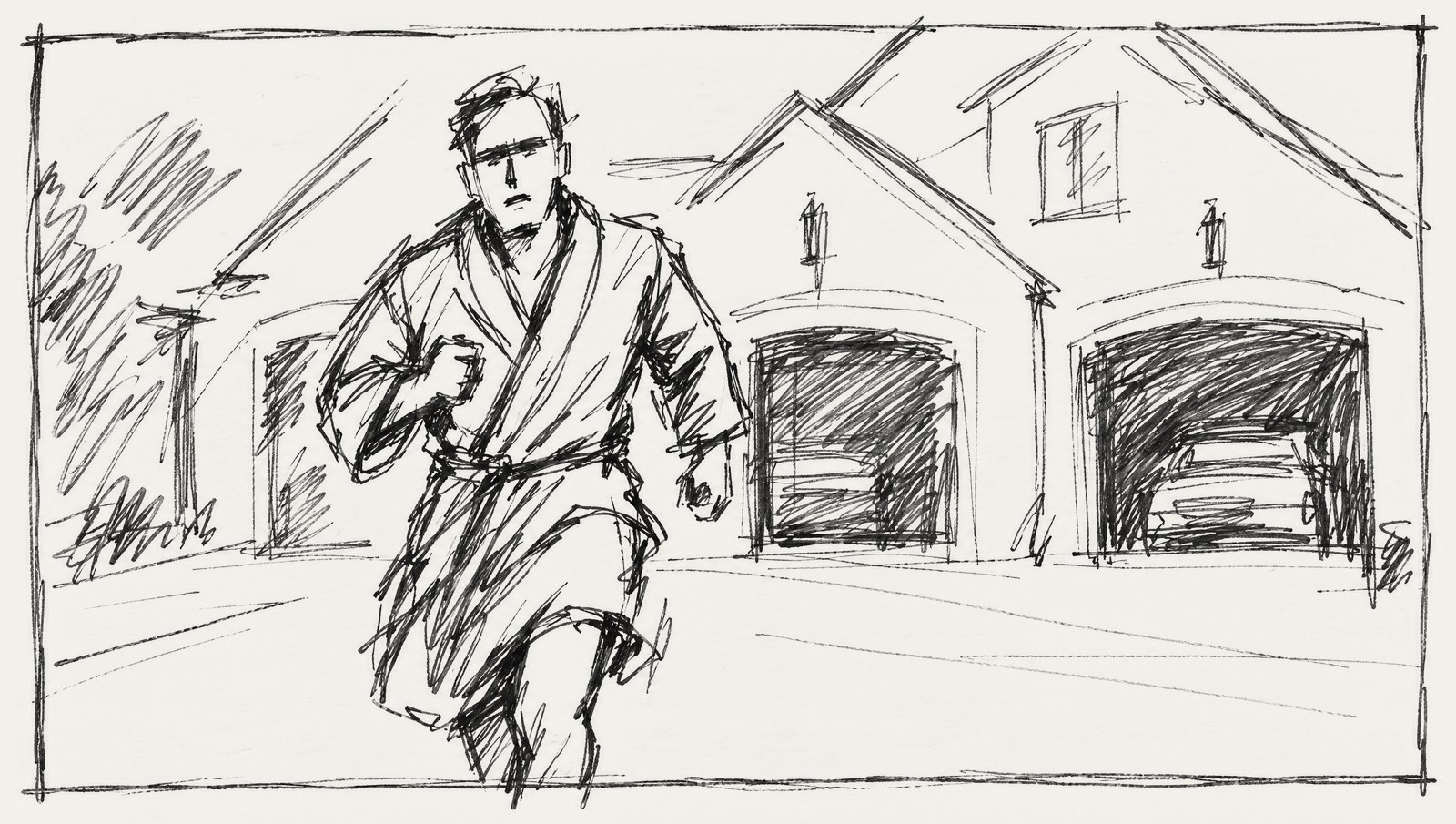
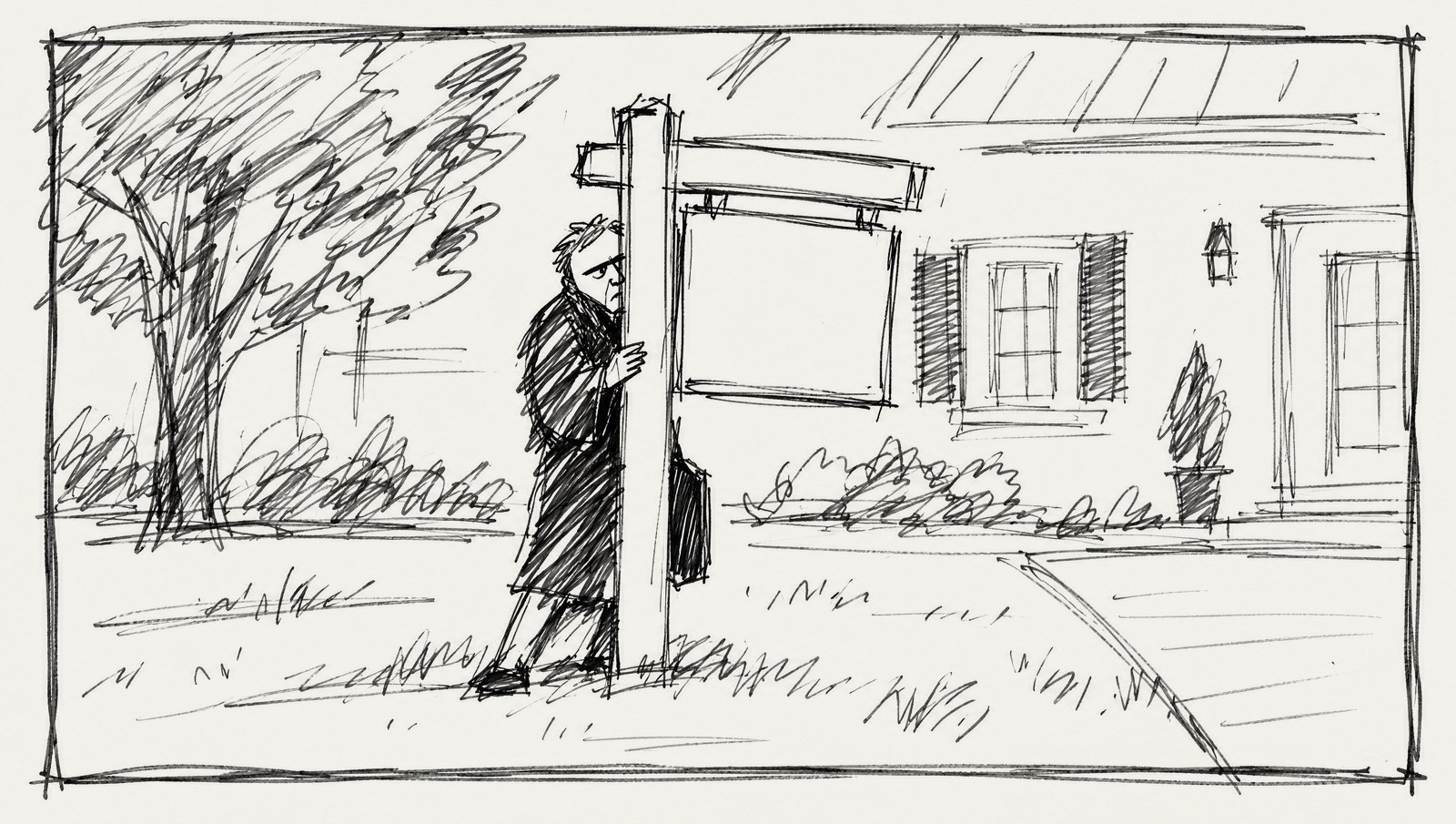
Show what can’t be said. The visuals had to carry a lot of weight to show the audience the agent was who he said he was. Every detail was planned, from the whipped cream to the golf balls breaking windows.


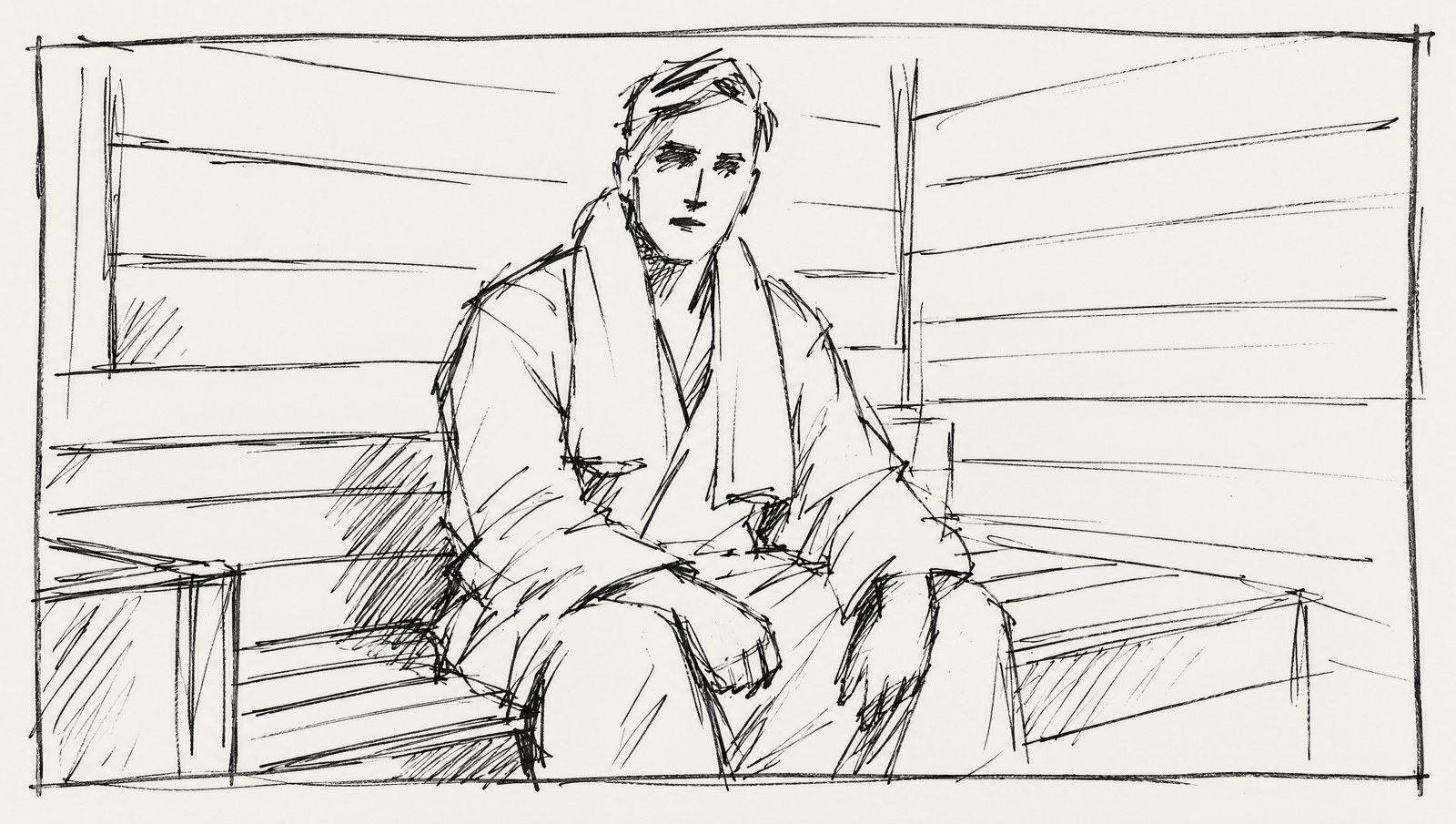
Previs
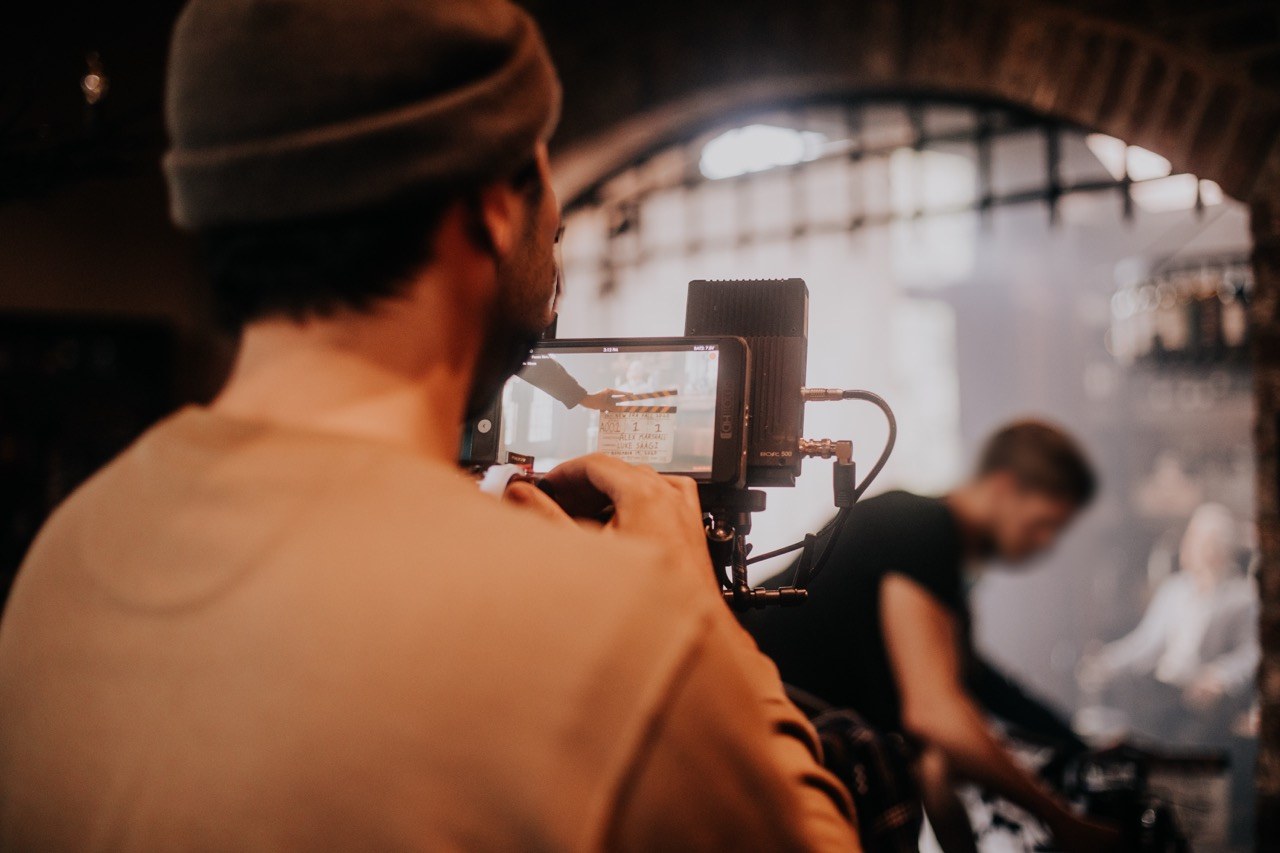
With everything in place, we needed to test the environment and see the comedic moments play out. Every scene and moment was visualized before the shoot day.
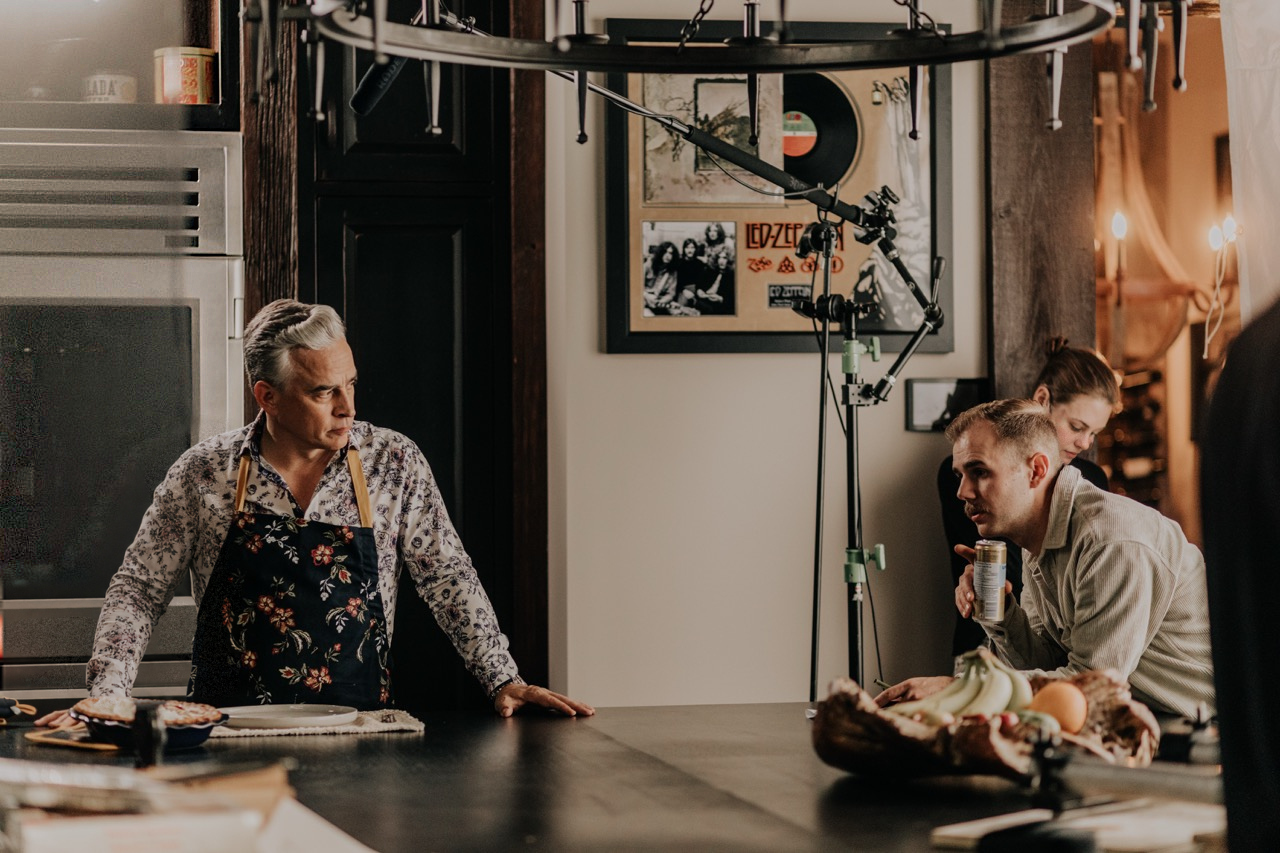
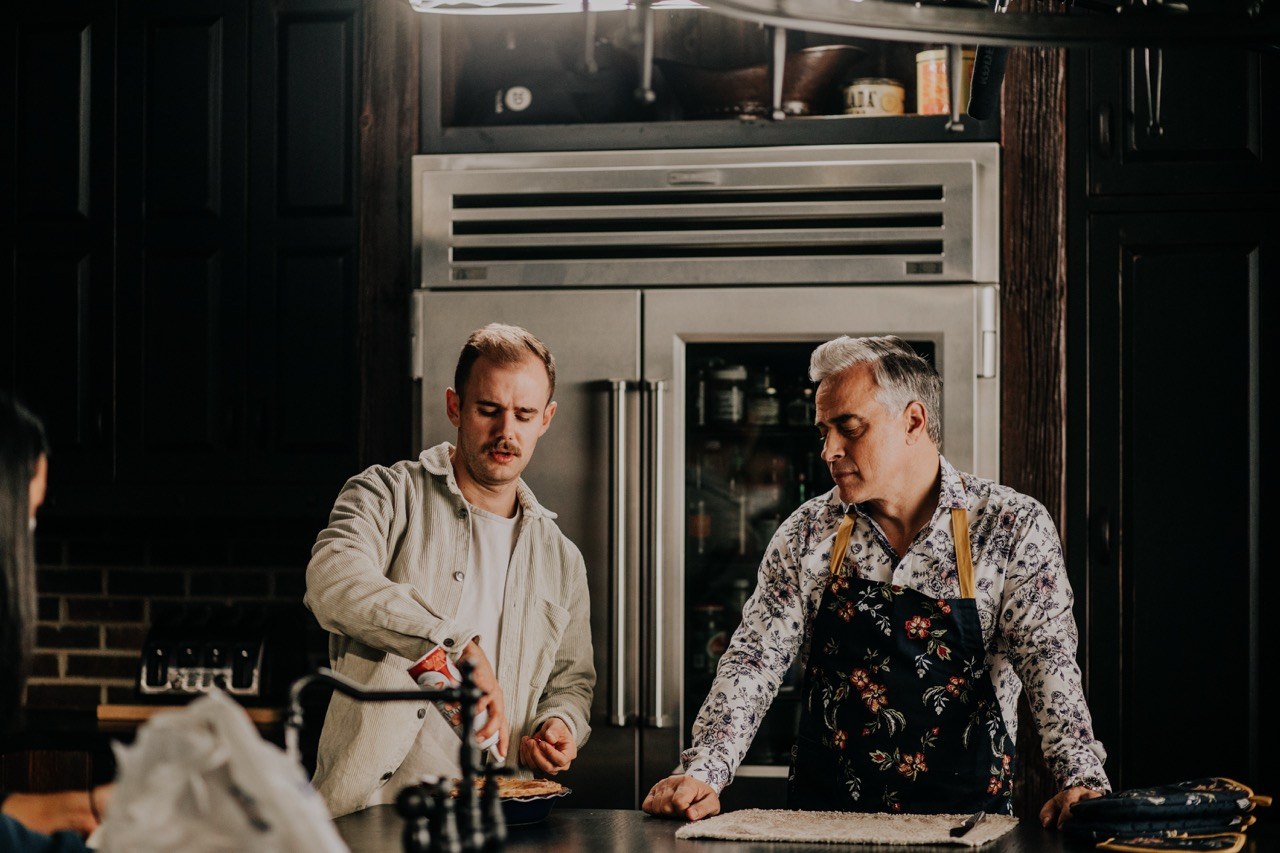
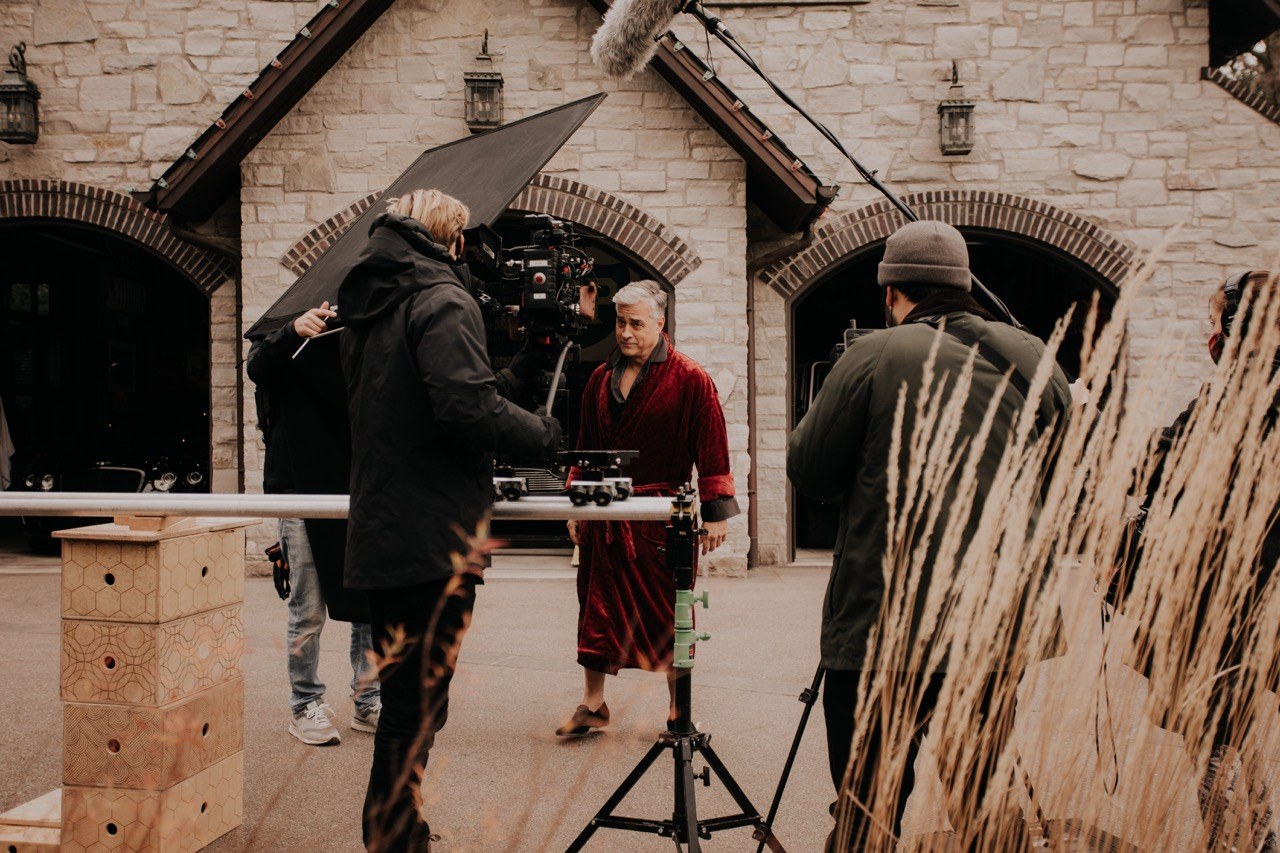
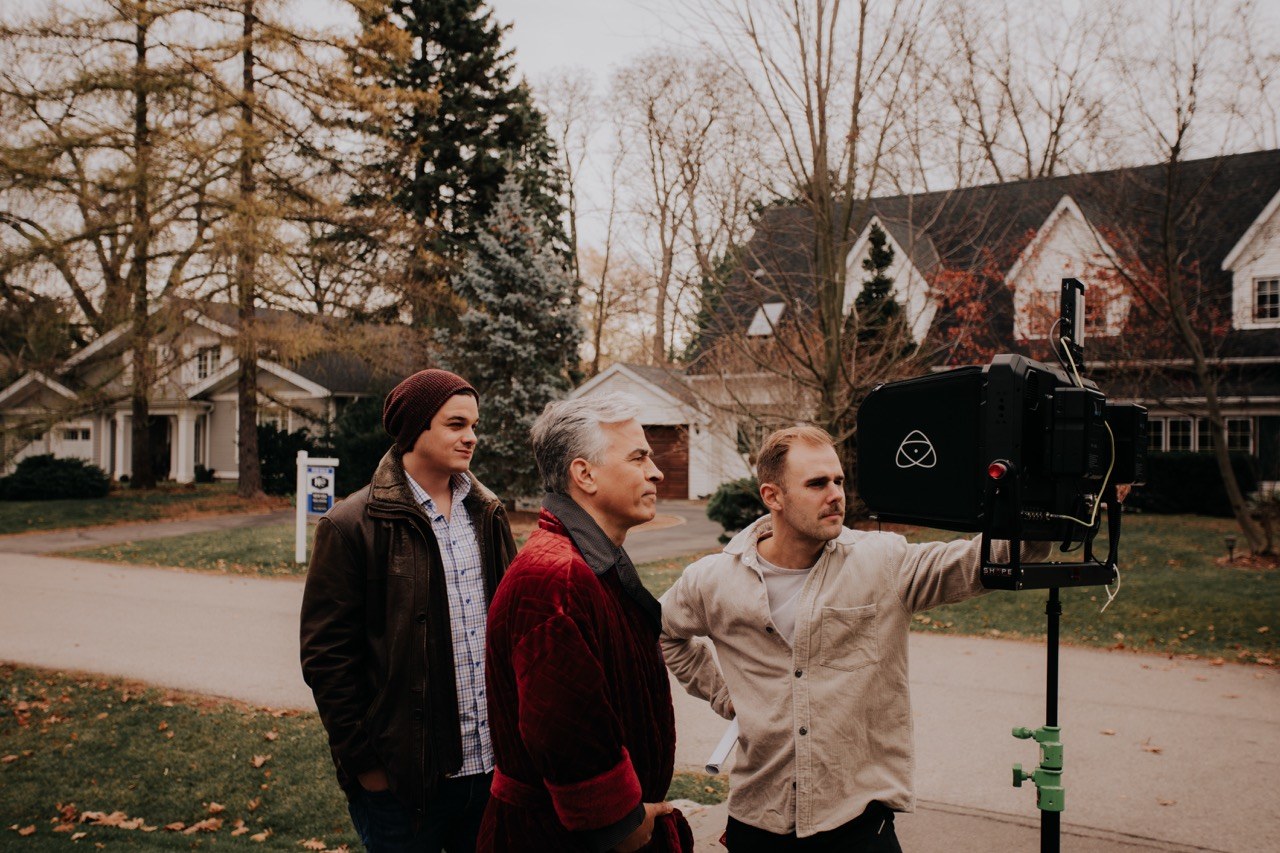
One of the most fun days on set. Randy is a genius with improv.


“Quite on set!” is really hard to enforce when everyone is laughing


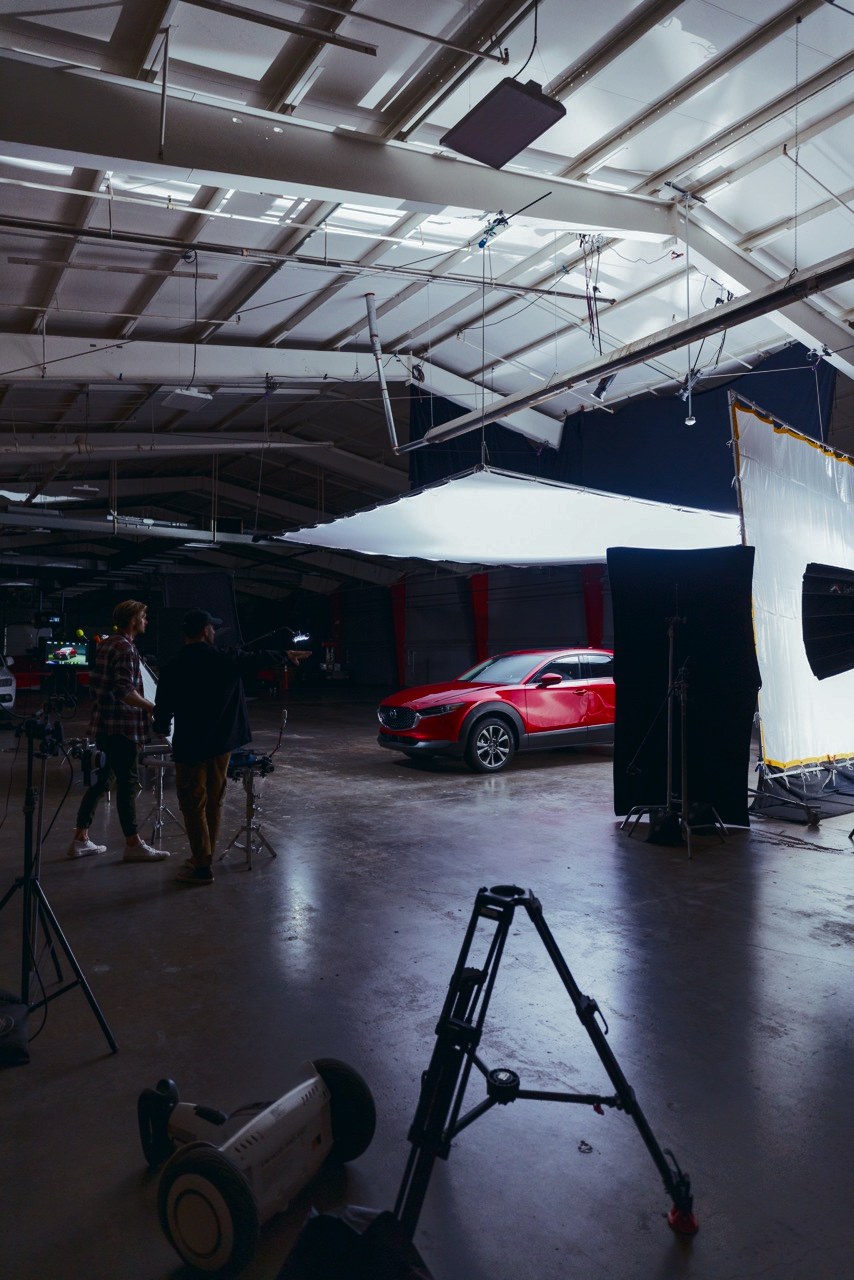
Mazda’s design brought to life
through light, one line at a time.
The soul of motion.
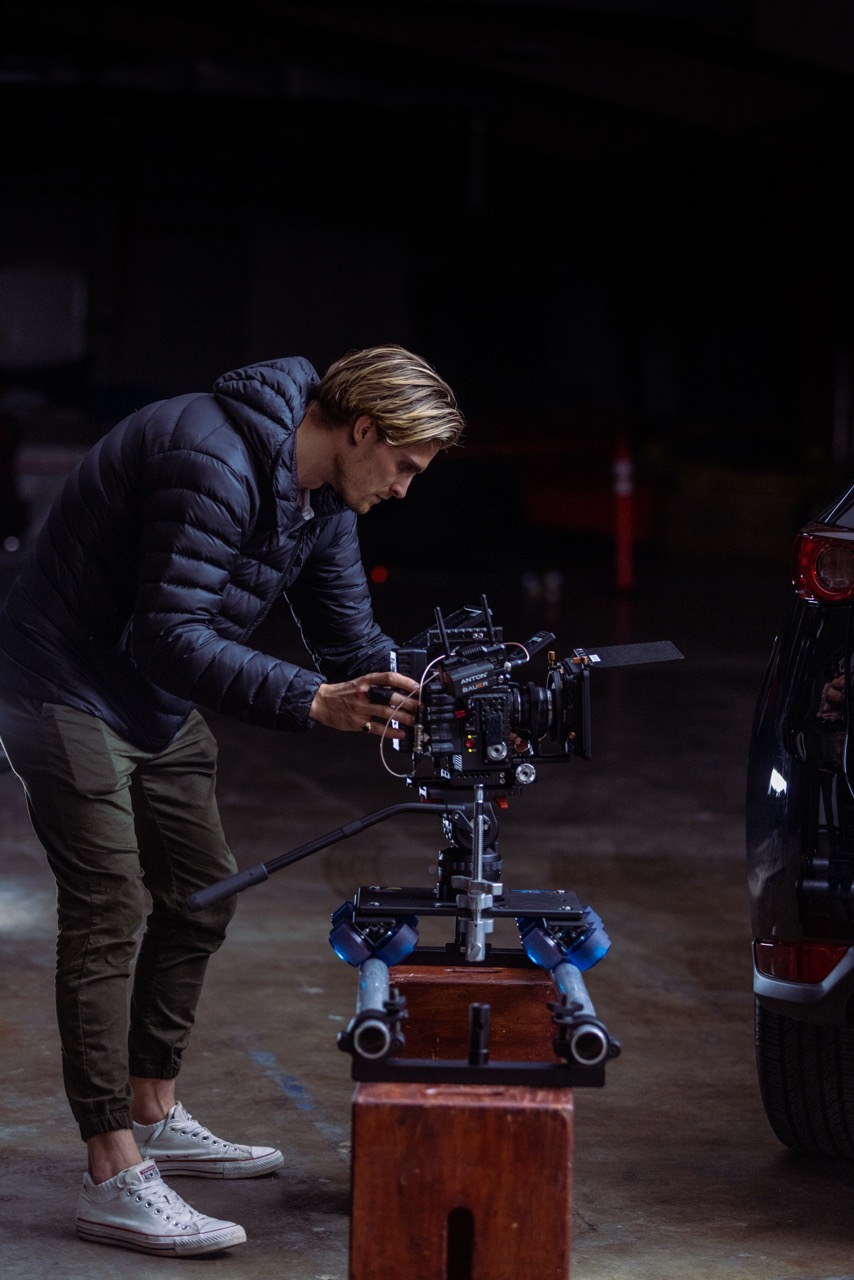
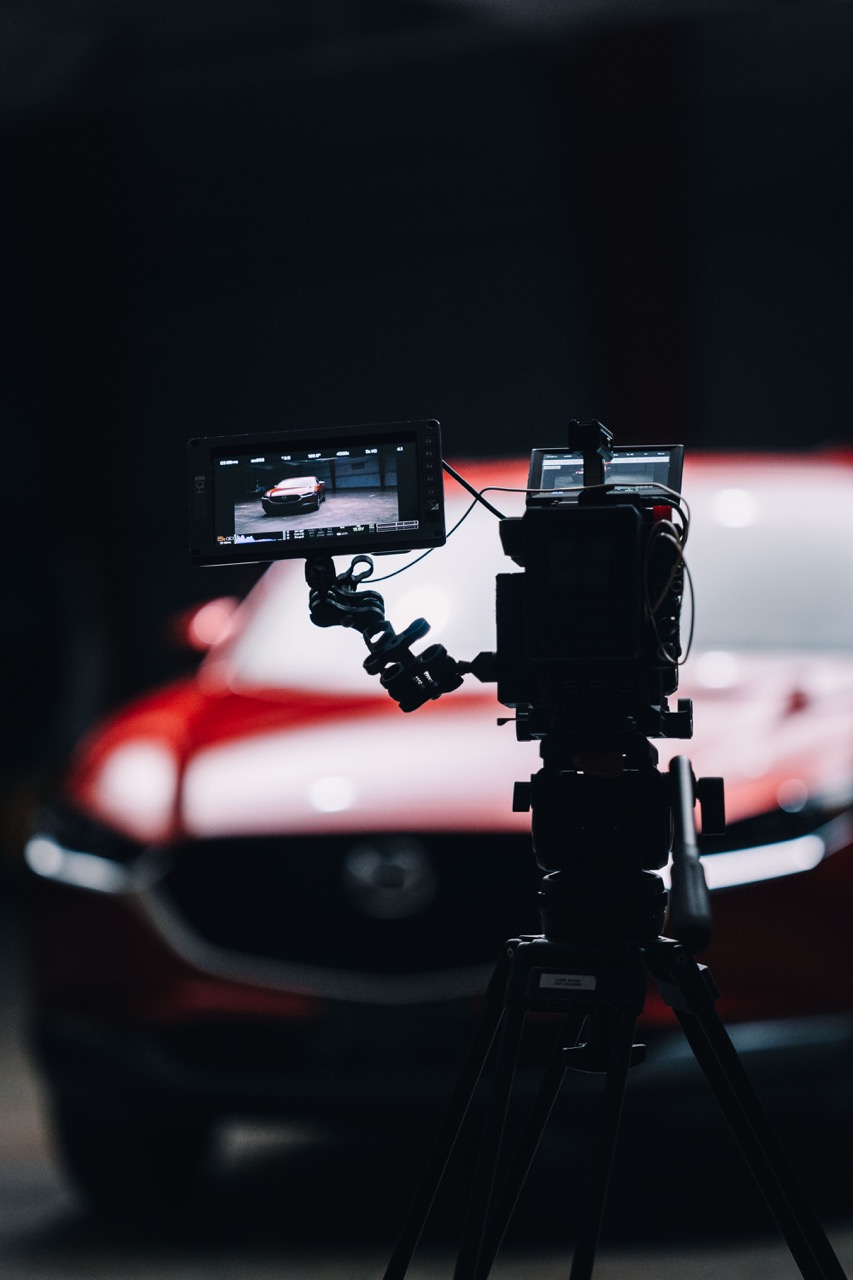
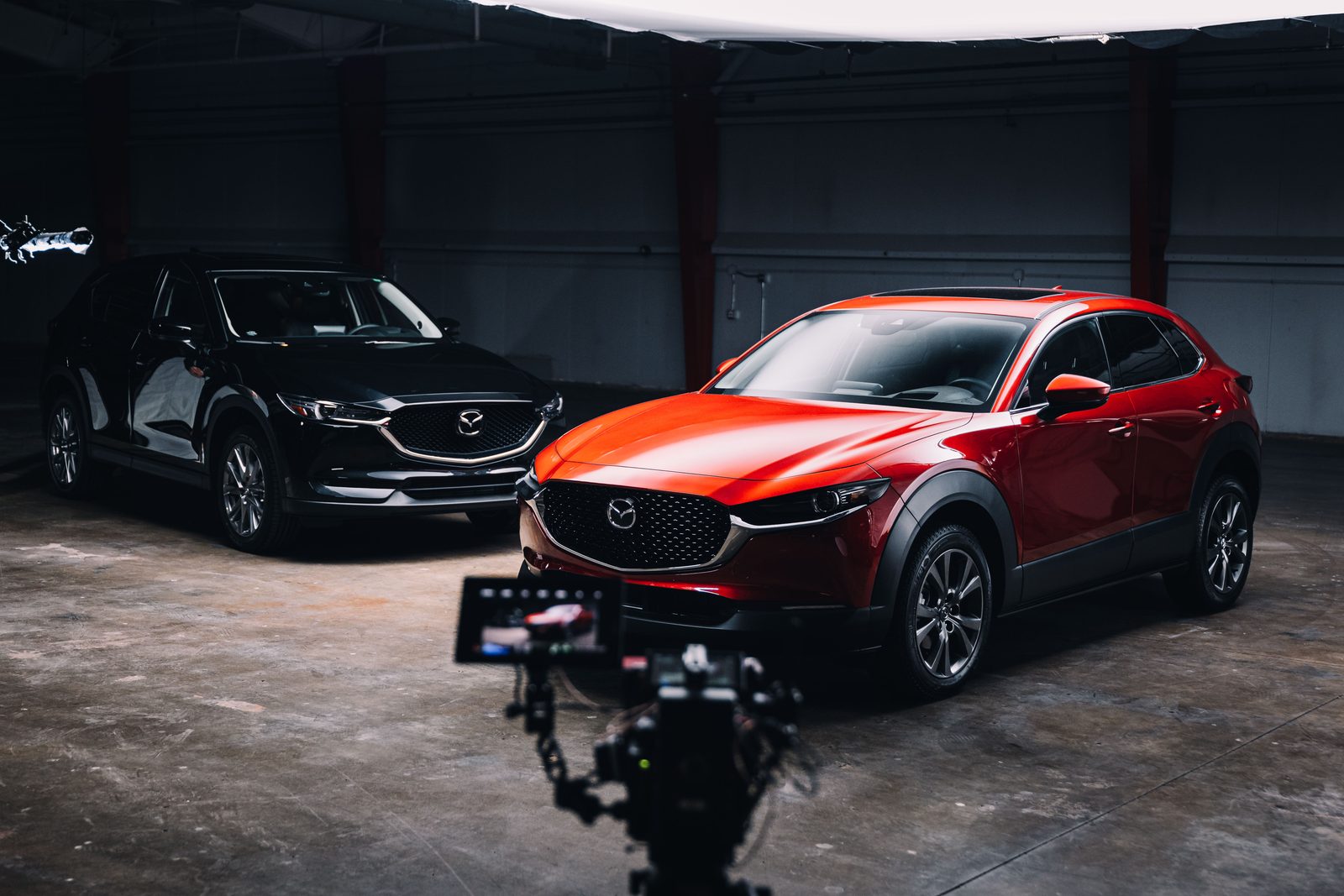
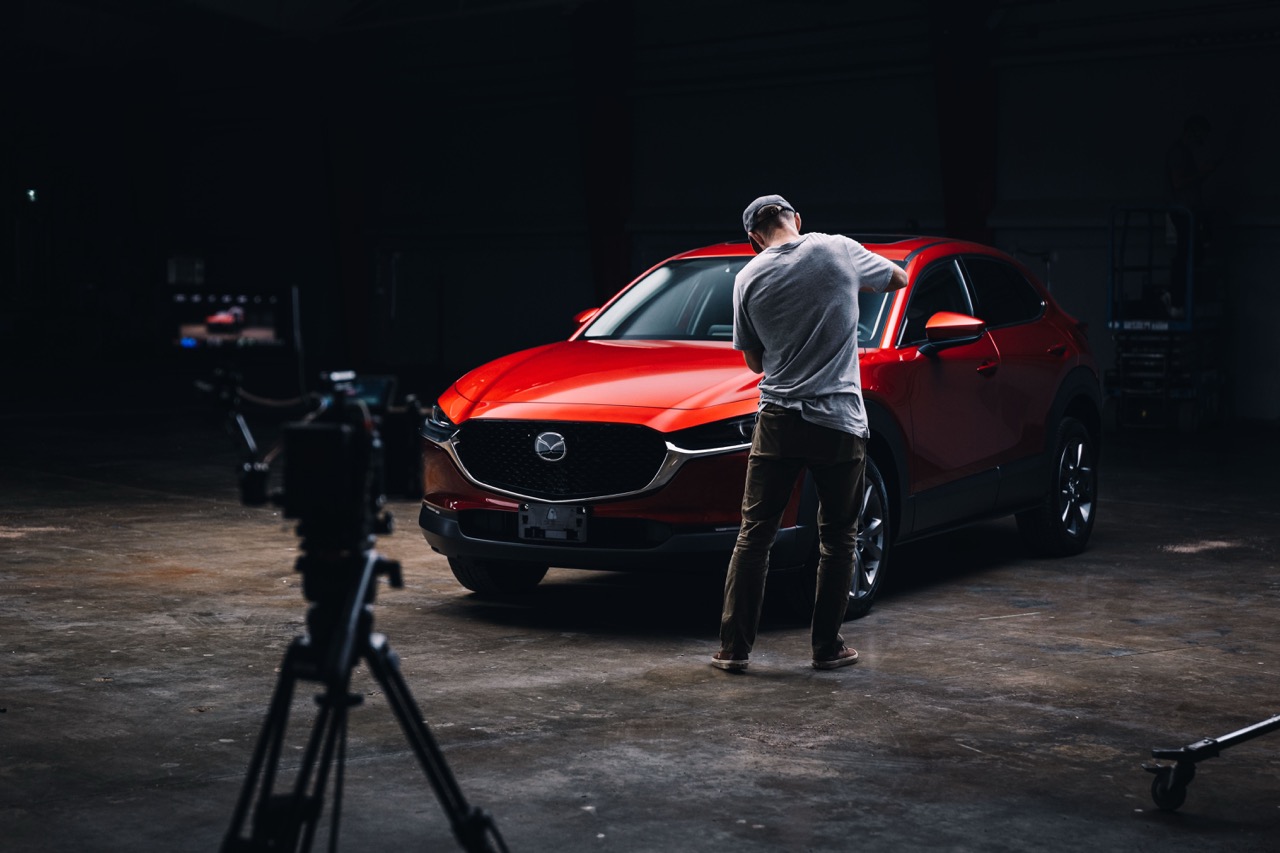
Mazda’s design philosophy, Kodo, is the soul of motion: a car that carries the energy of movement even standing still, revealed in the way light travels across its body. For a Mazda Canada campaign around the CX-5 and CX-30, AutoTrader wanted visuals that unfolded as readers scrolled through two long-form features, in the spirit of an Apple product page. They brought us the brief and asked how we would approach it.
■ ChallengeHow do you understand
design from afar?
Design is something you interact with, and a screen gives the viewer one frame and a few seconds. The work had to strip everything back to the design itself, and find a way to let it move.
Follow the light.
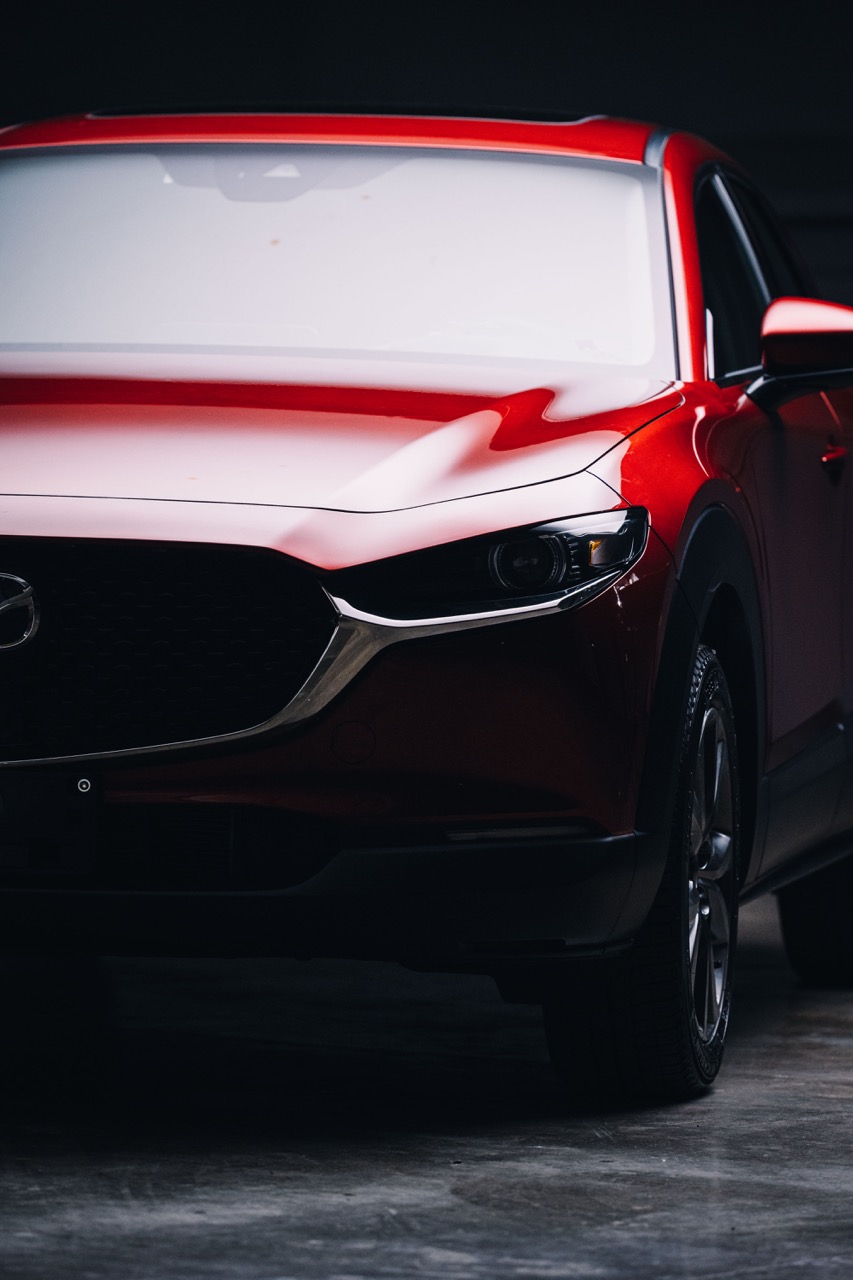
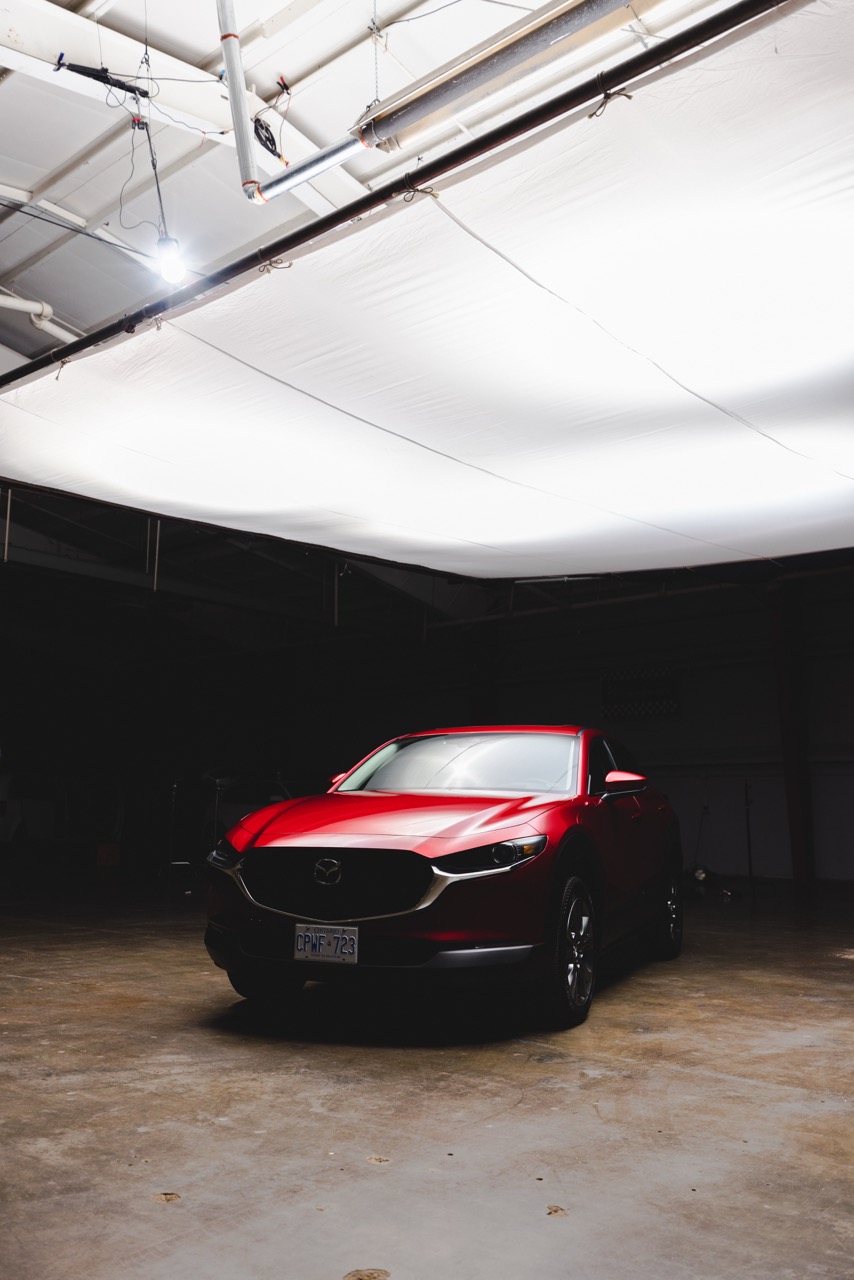
Light became the motion. The concept was to let the light pass across every design element to reveal the design the way your eye would find it in person. Every piece loops without end, giving the viewer as long as they want to look.

The idea was simple.
Making it look effortless wasn’t.
Following the light only works if the light has somewhere to go. Every decision that followed was about giving it the right darkness, the right surface and the right pace, so the design could do the talking.


Shaped by the light
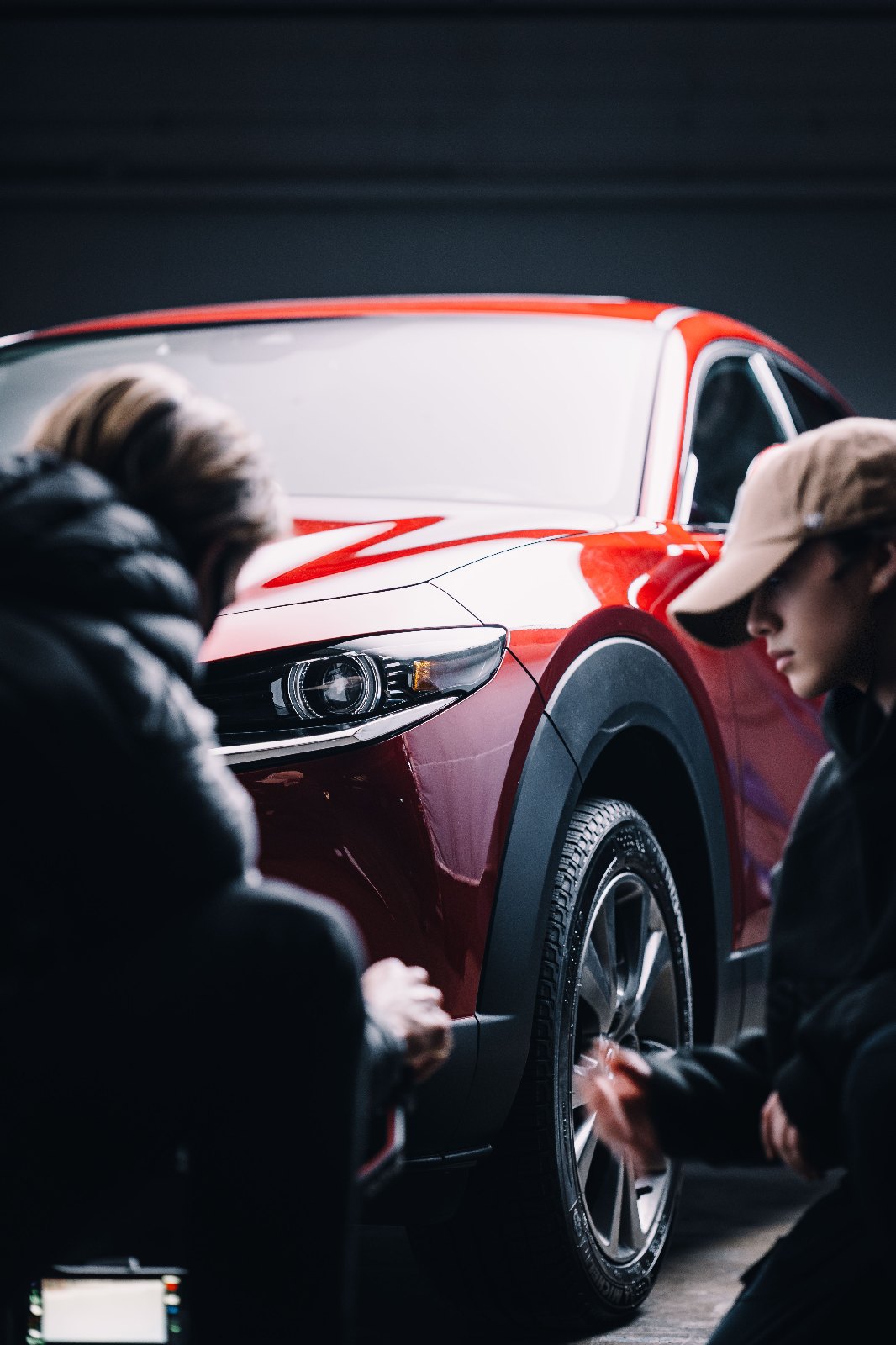
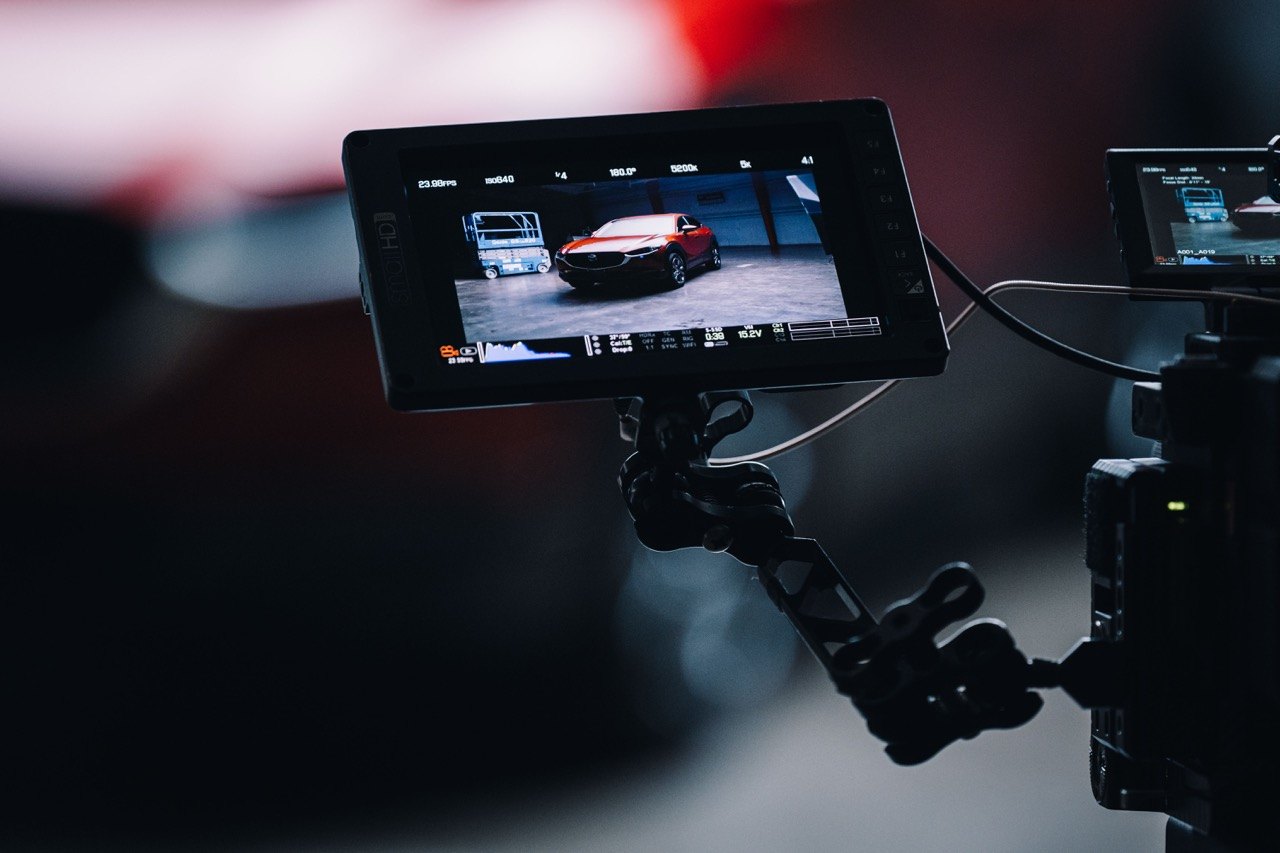
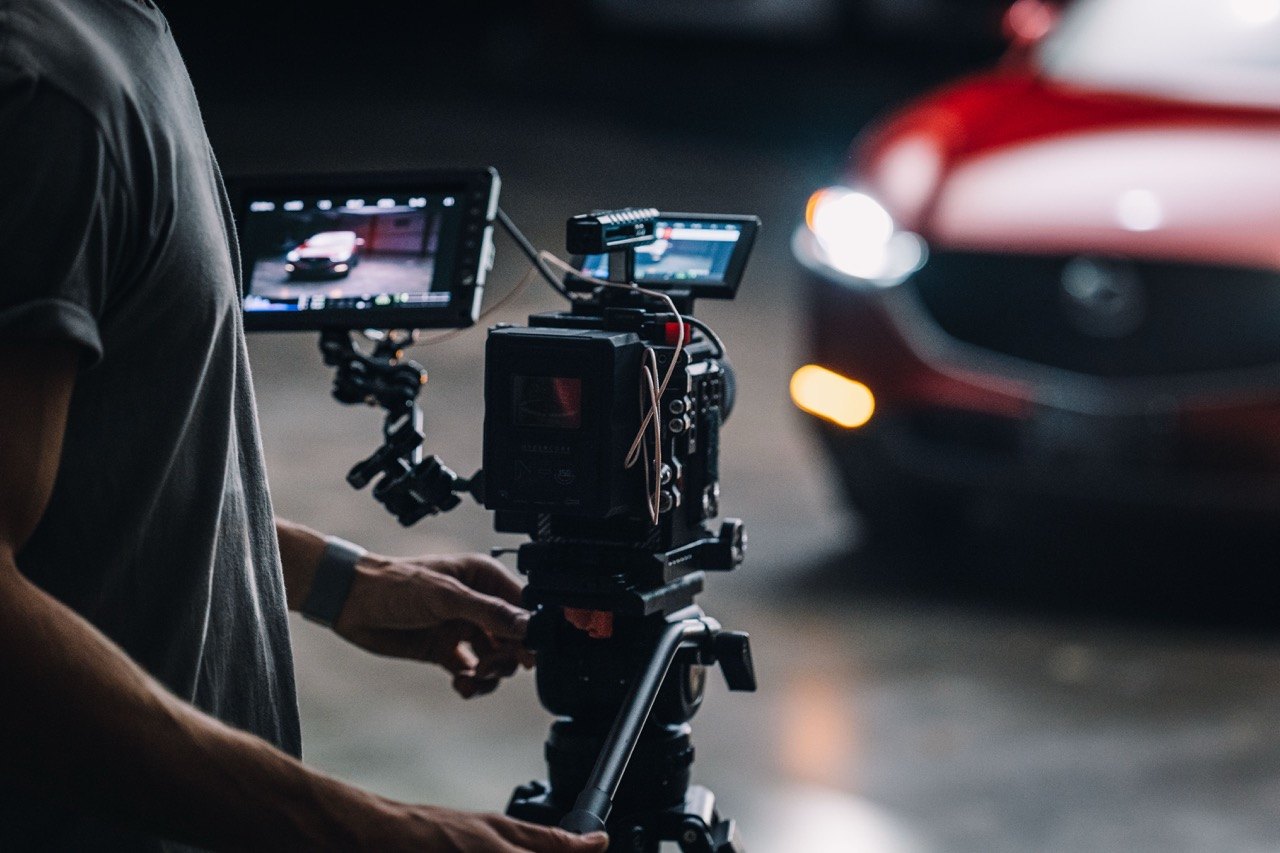
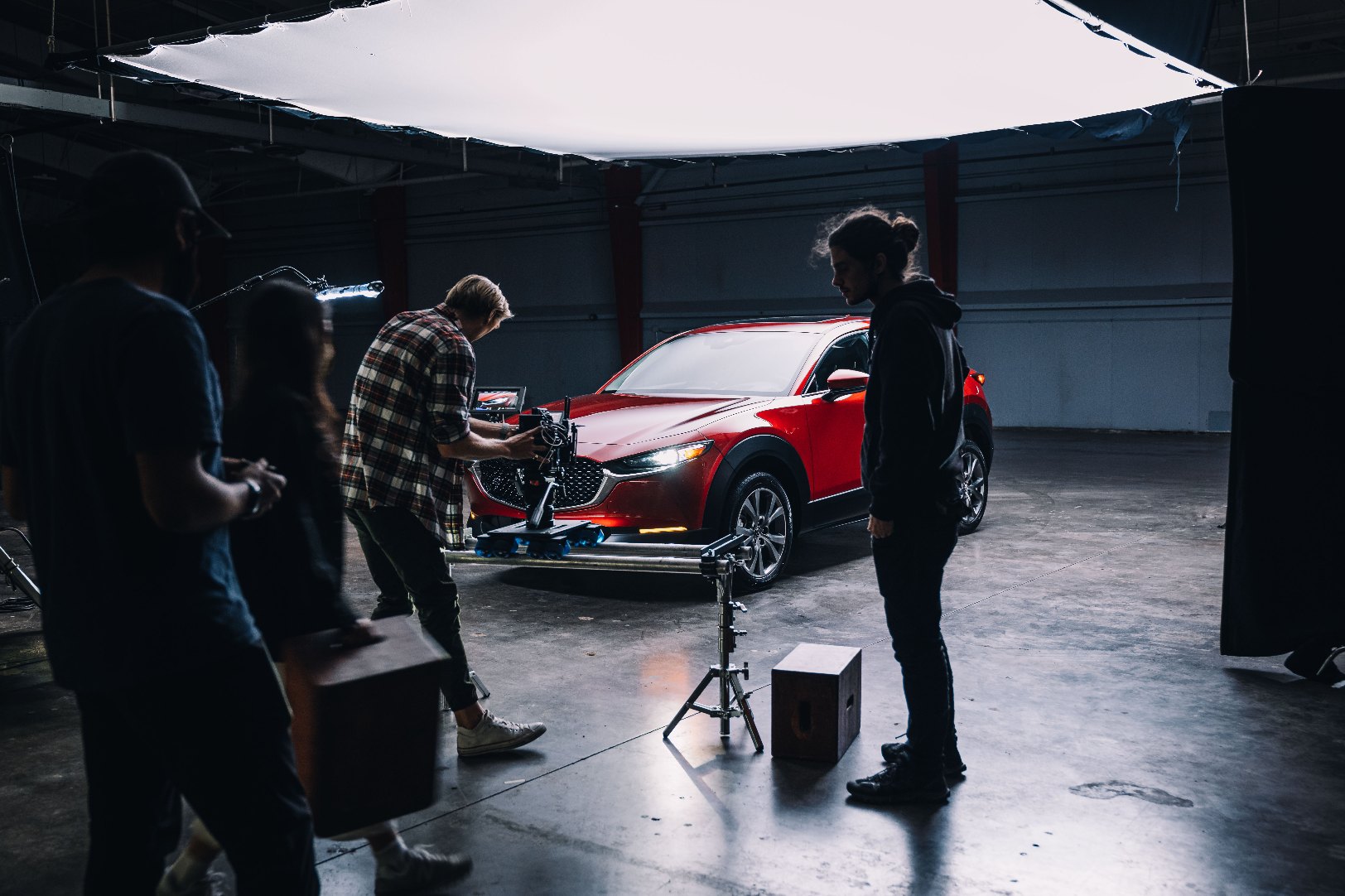
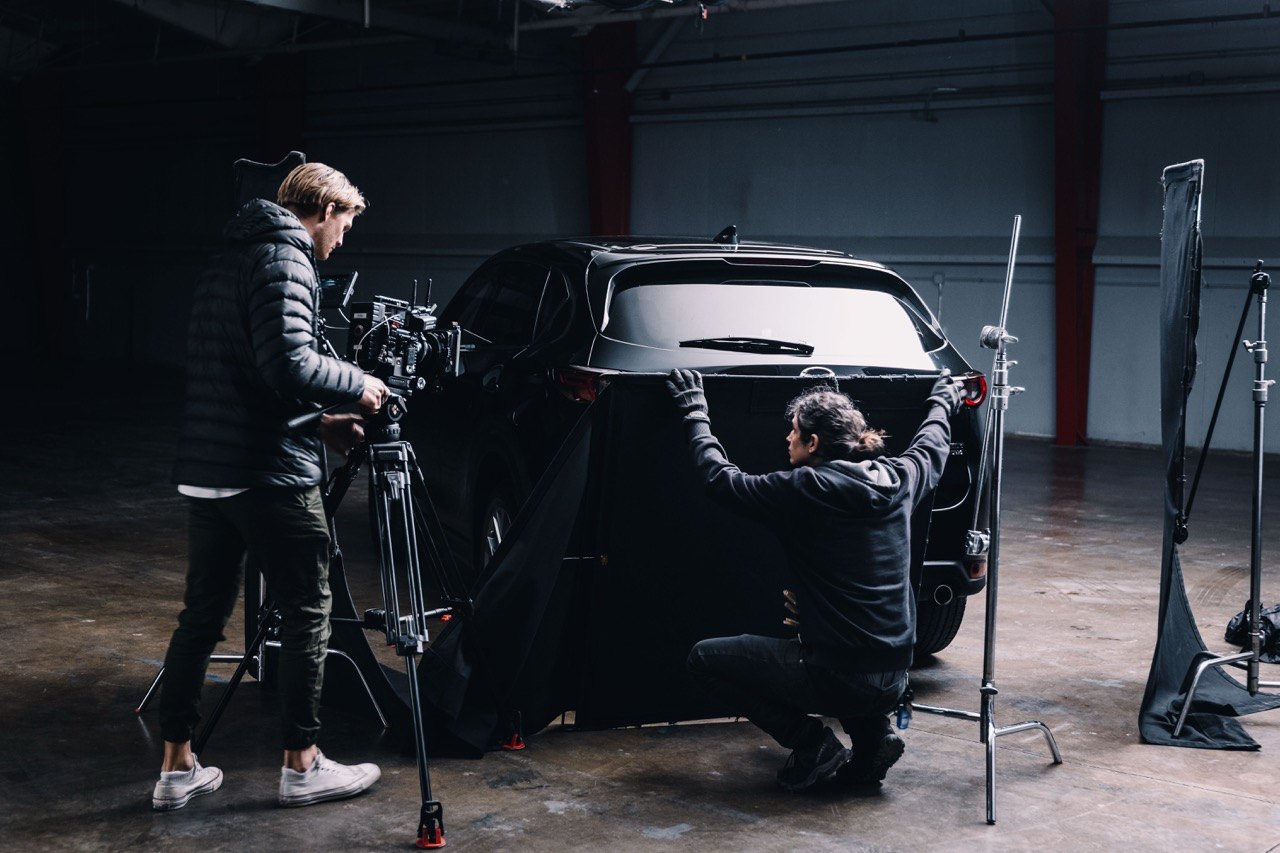
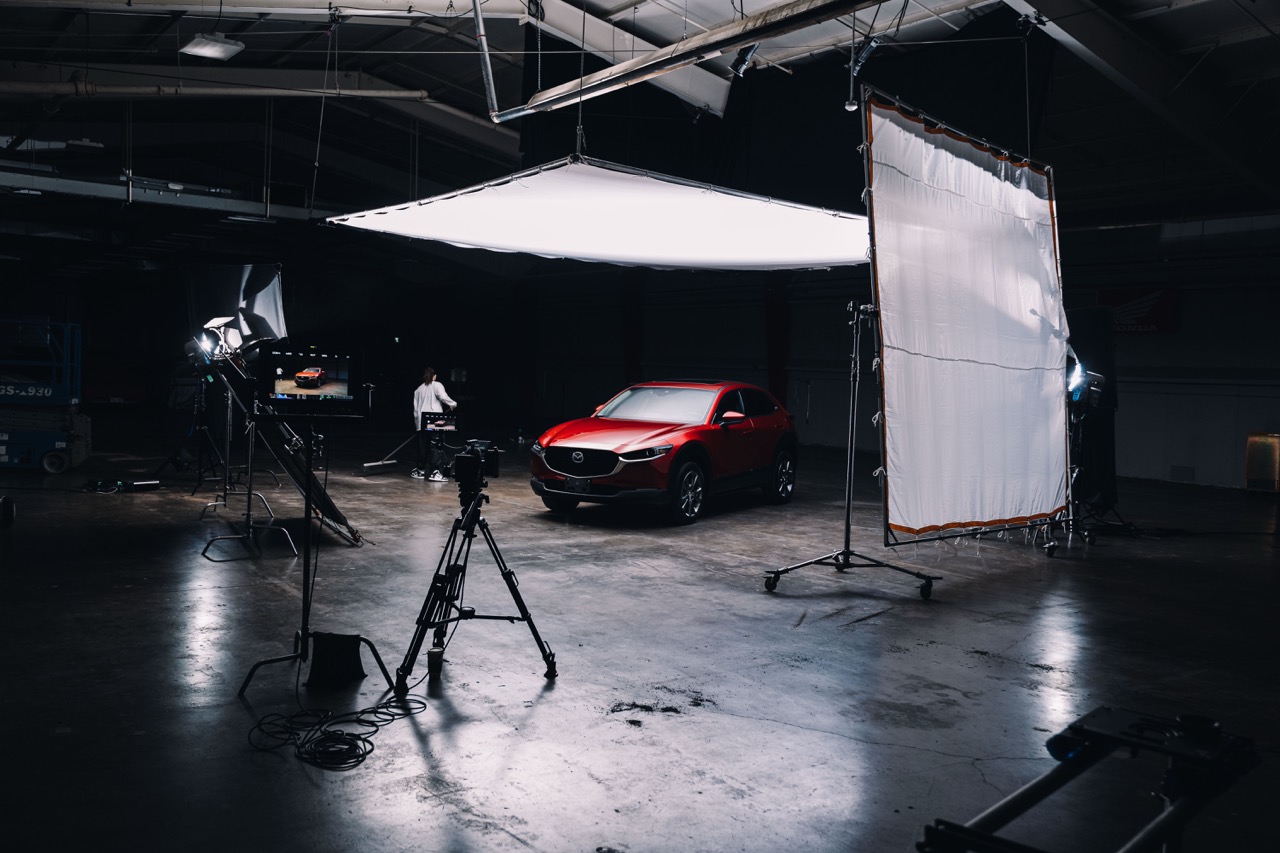
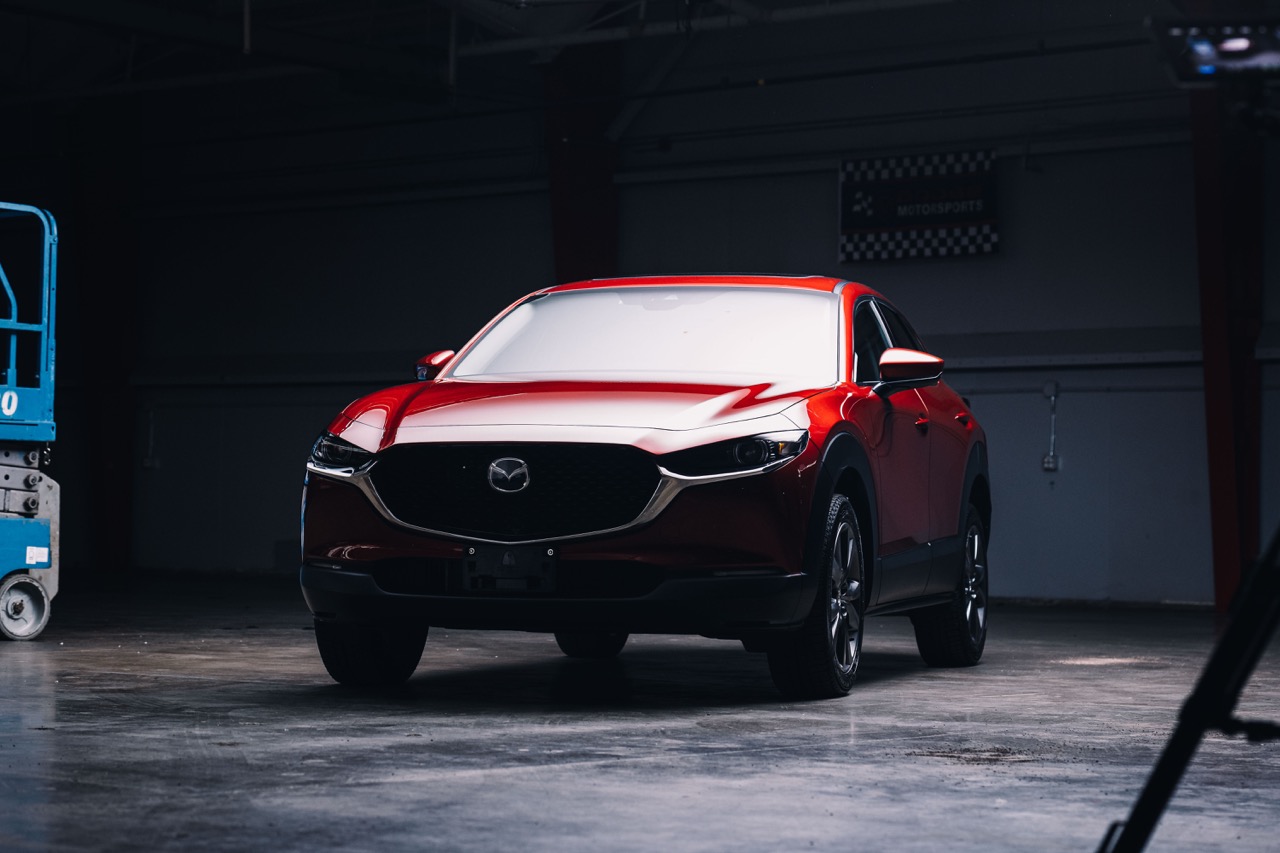
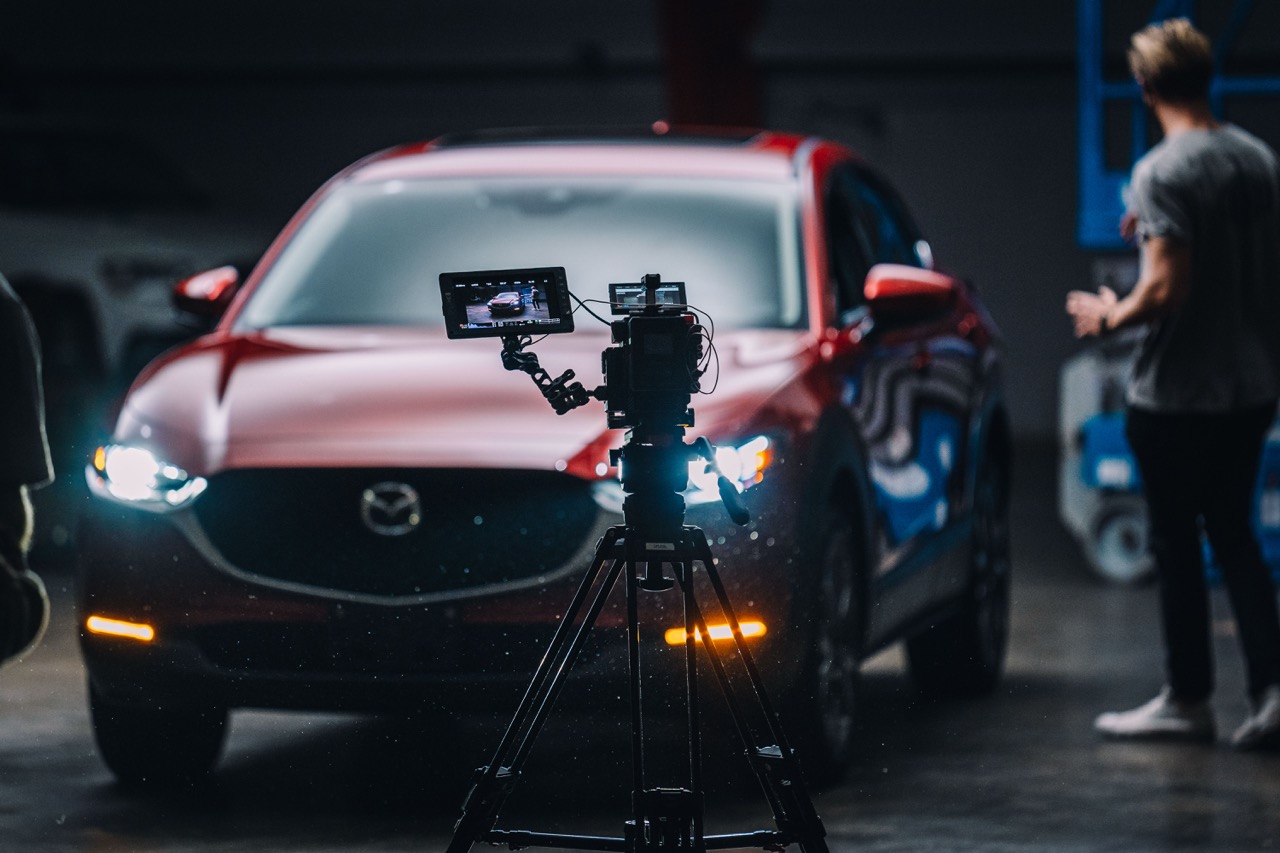
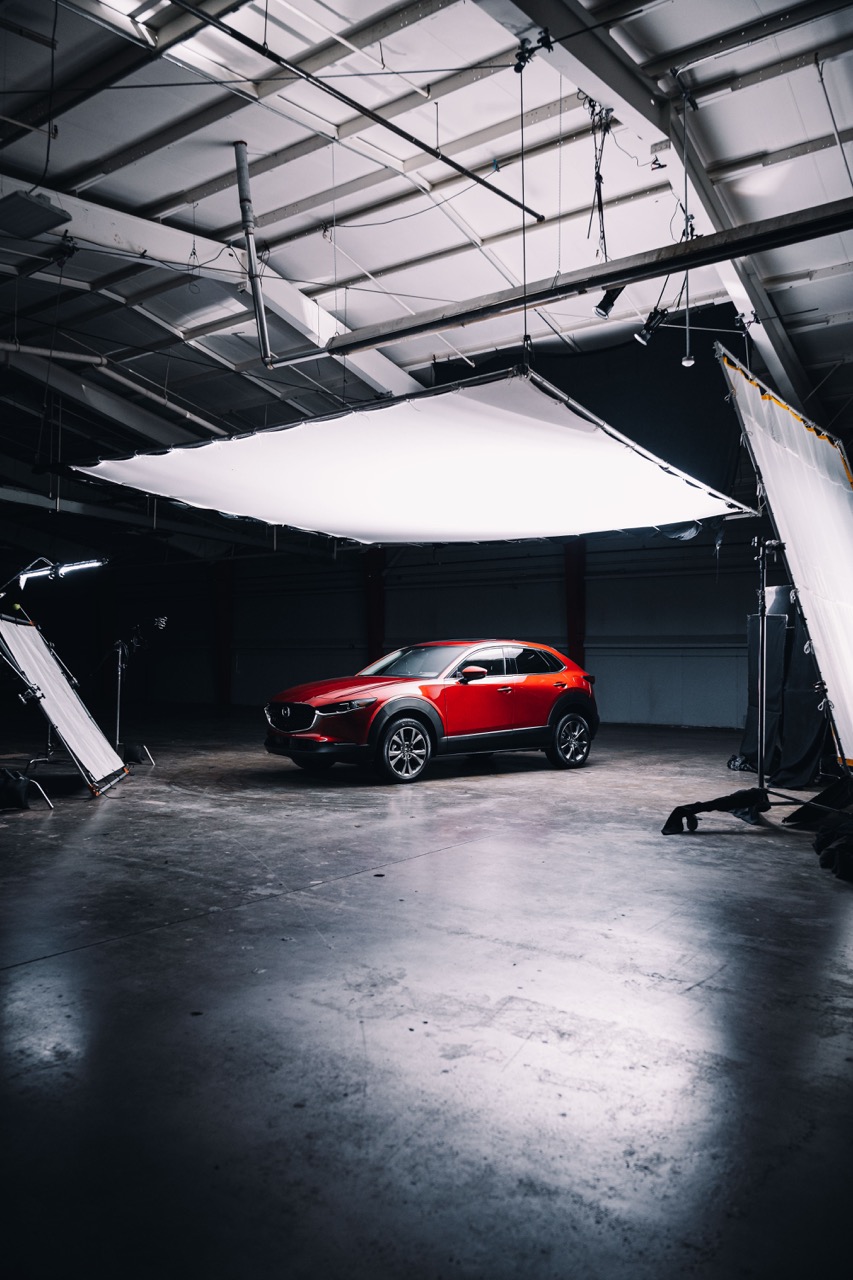
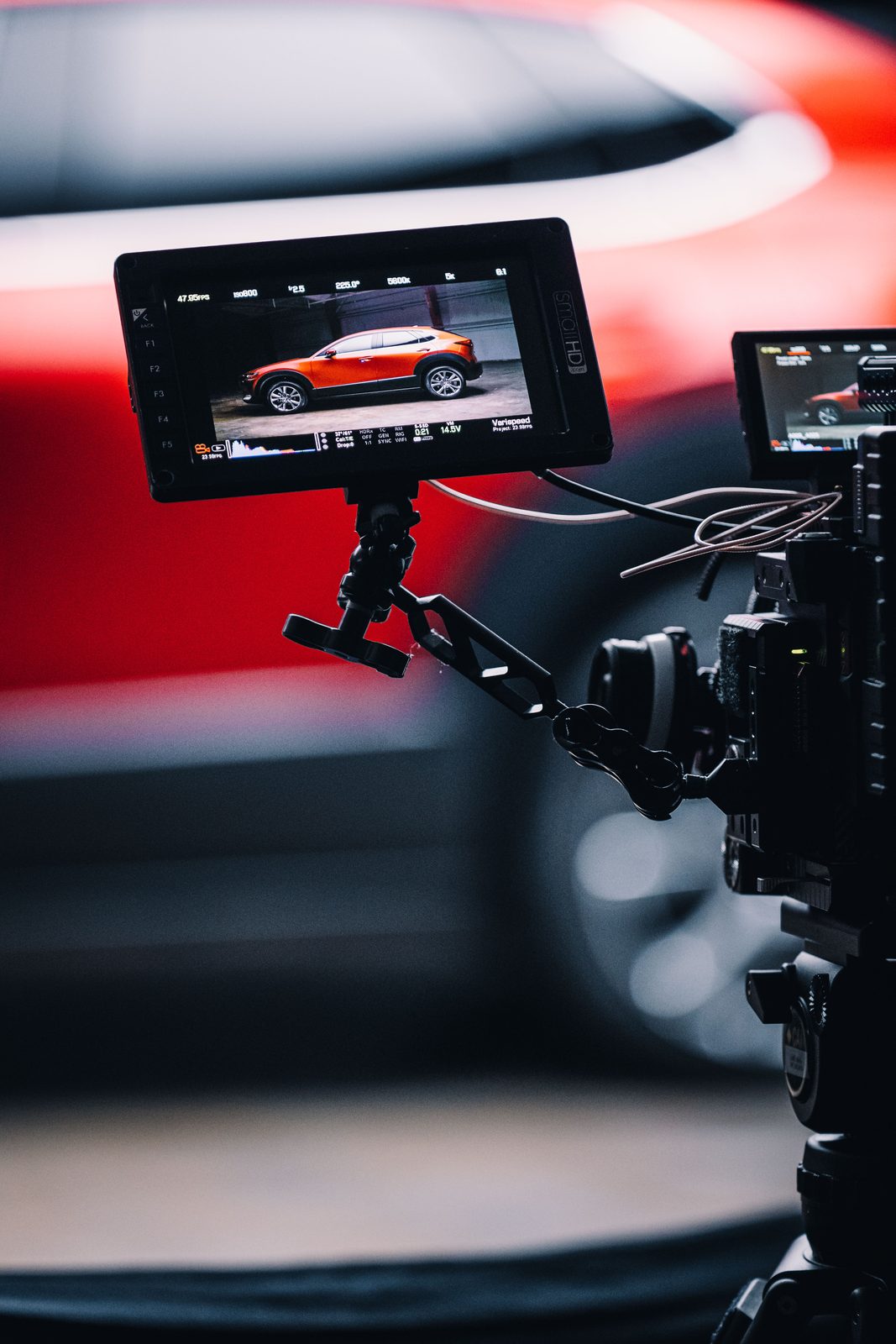
Mazda’s finishes behave like mirrors, so large diffusion, precise angles and flags turned each highlight into a clean line instead of glare. On a body like this, the highlight is the line.
Shaped by the dark
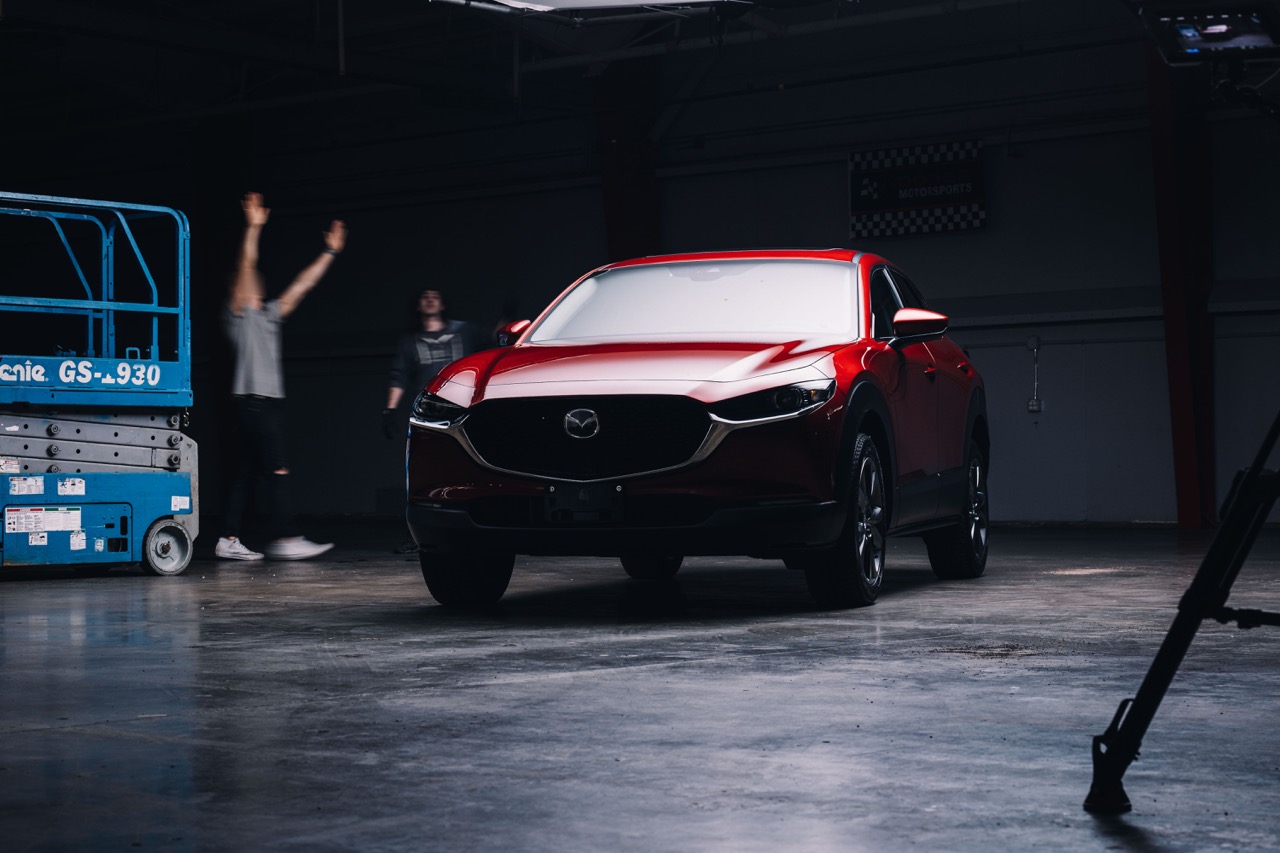
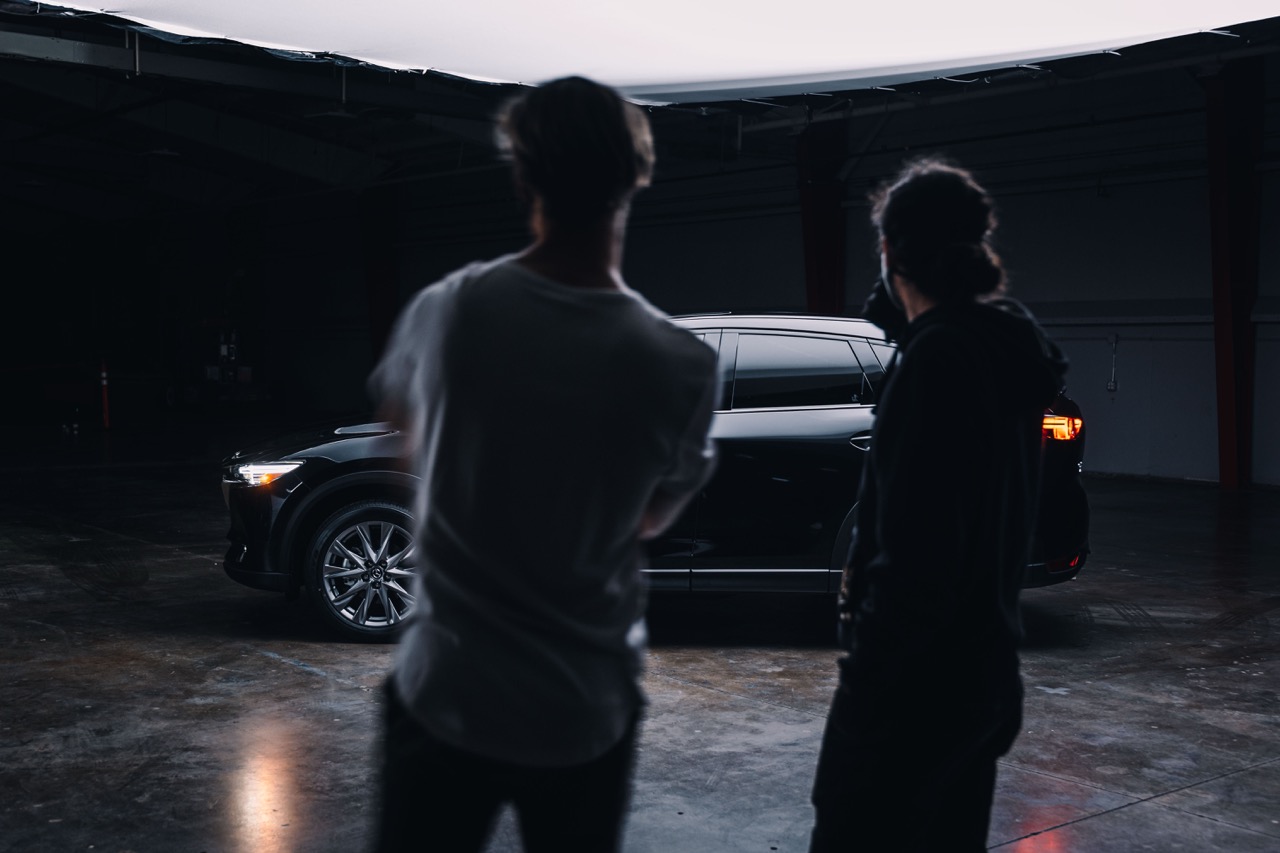
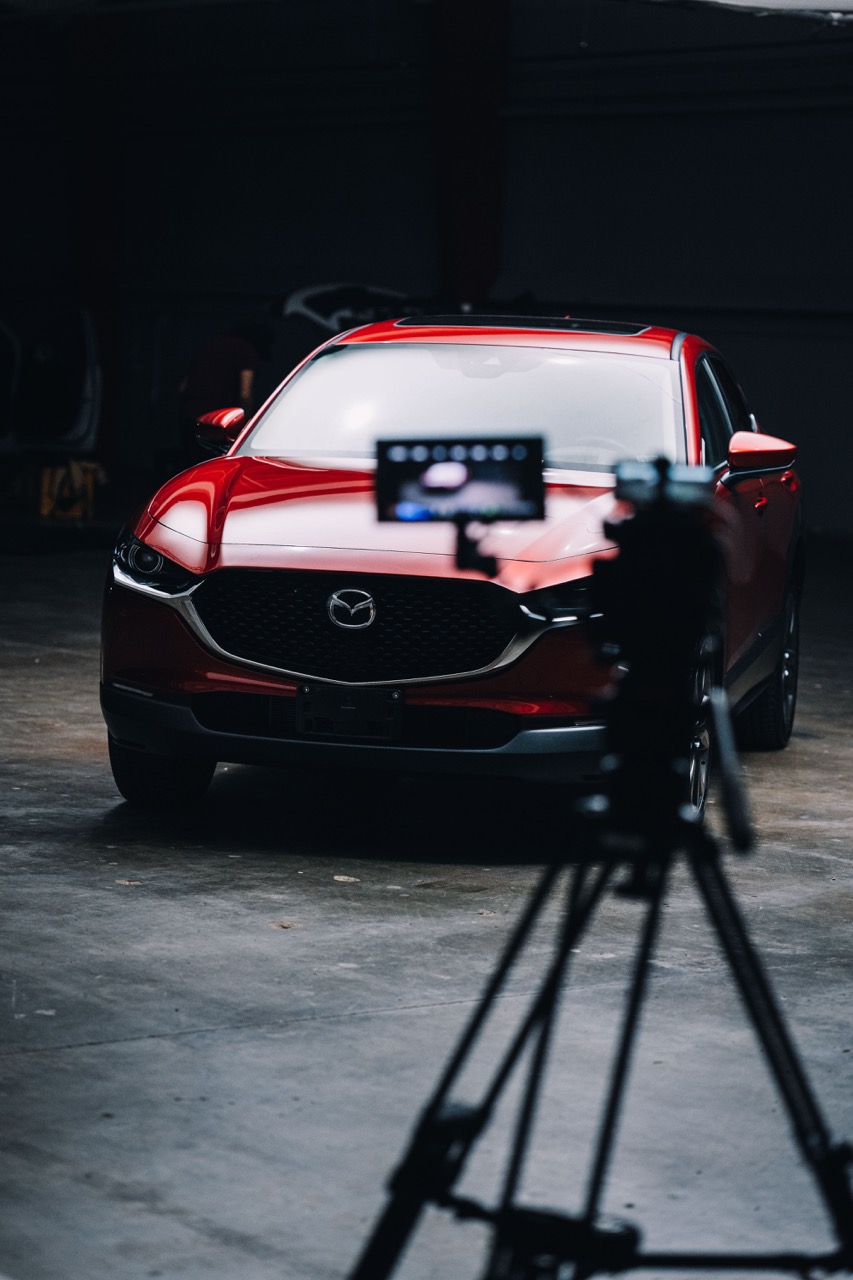
Mazda’s own Kuro Edition models set the reference: deep black, sharp highlights, nothing competing with the shape. Darkness gave the light something to cut against, so every line read clearly.


True to Mazda
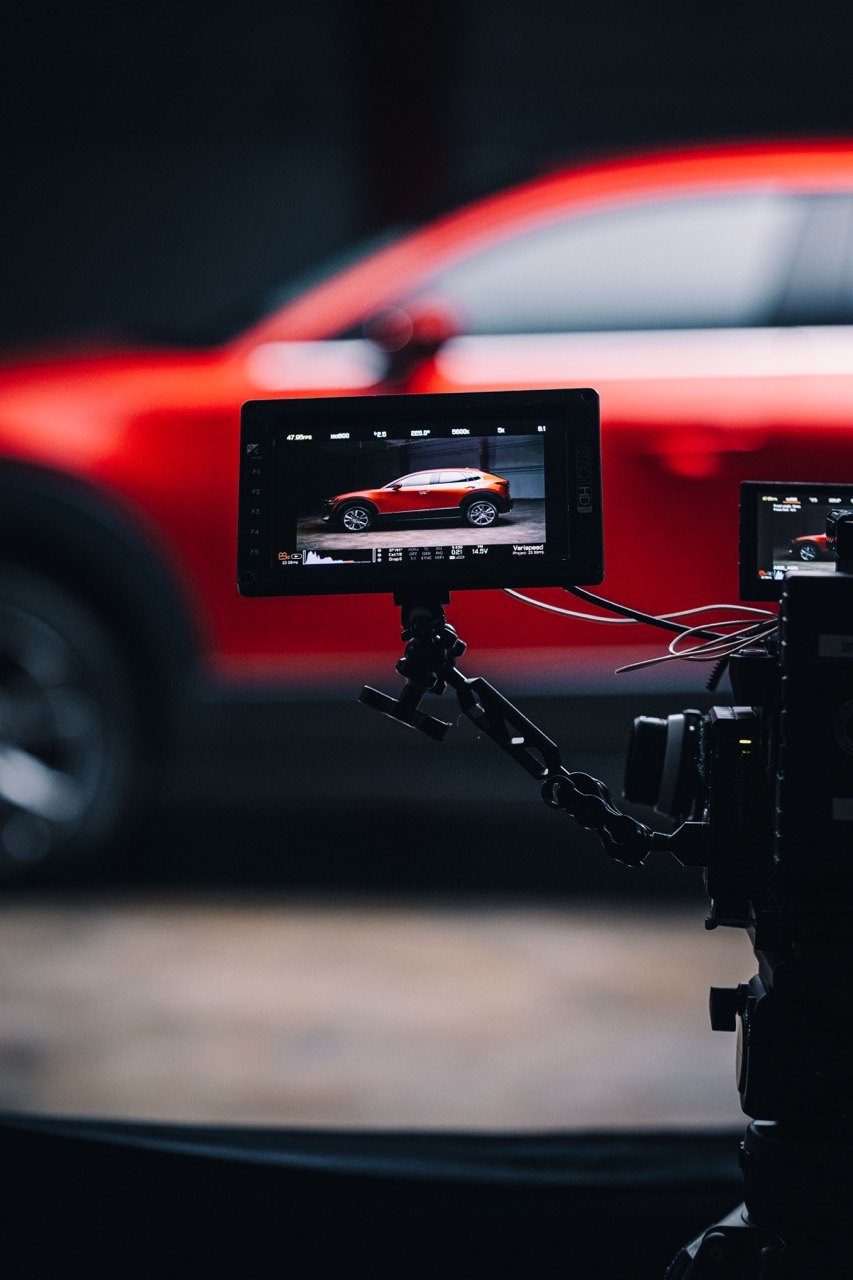
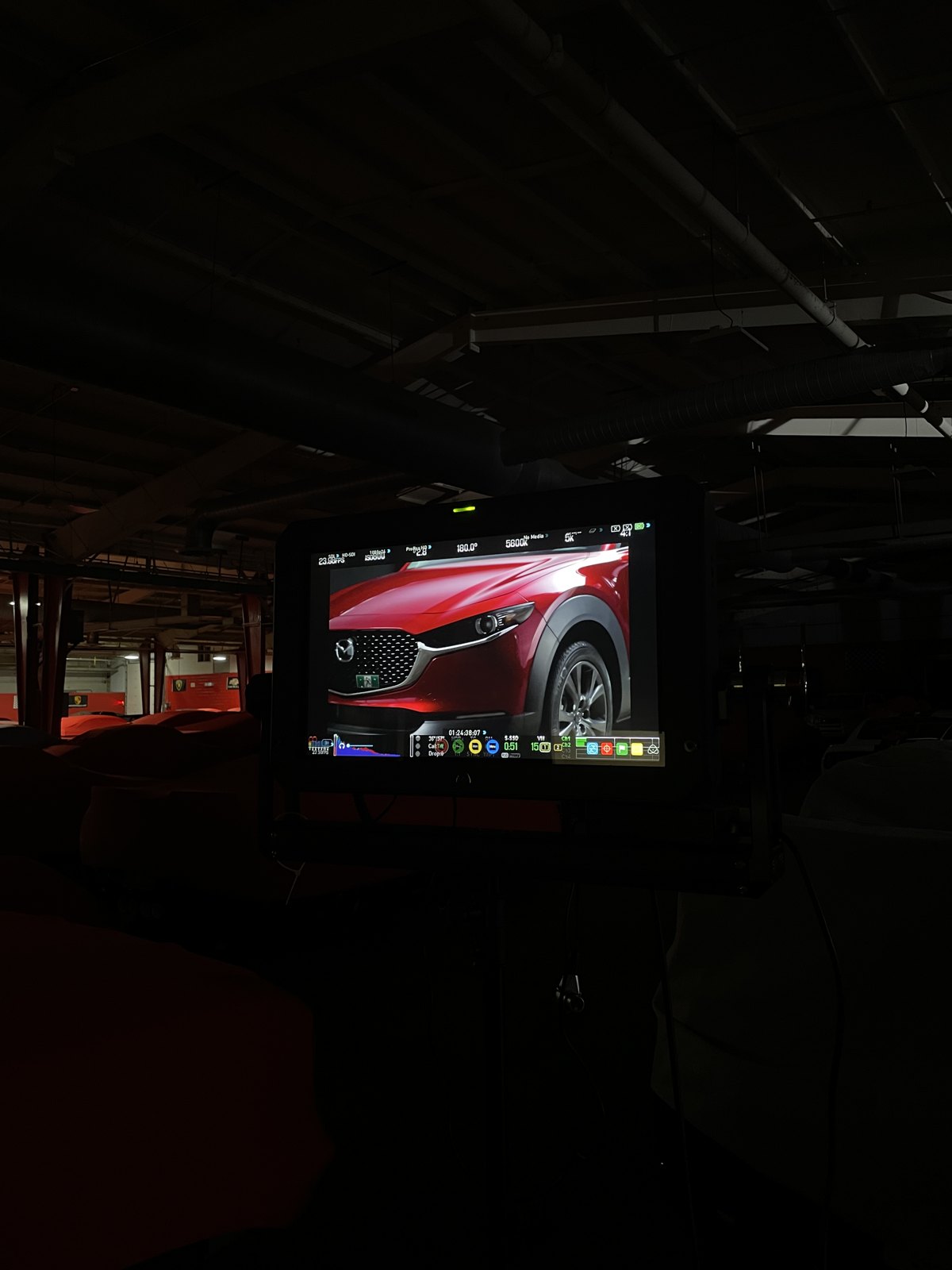
The CX-30’s red had to read as Soul Red Crystal, Mazda’s own colour, and every badge, reflection and screen was finished in post to Mazda’s standard. The motion was graded to match the stills, so the two read as one set wherever the audience met them.

A room with texture
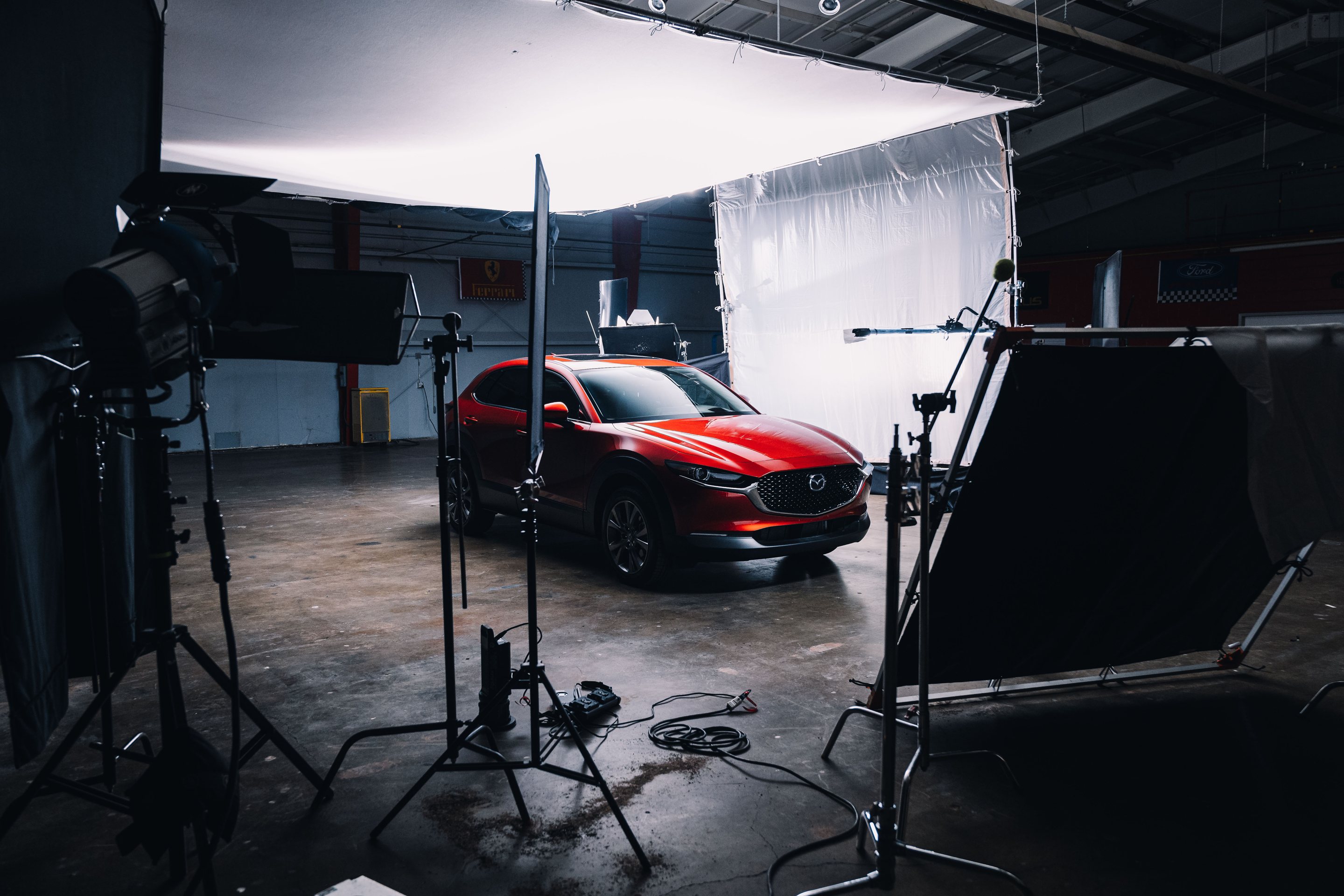
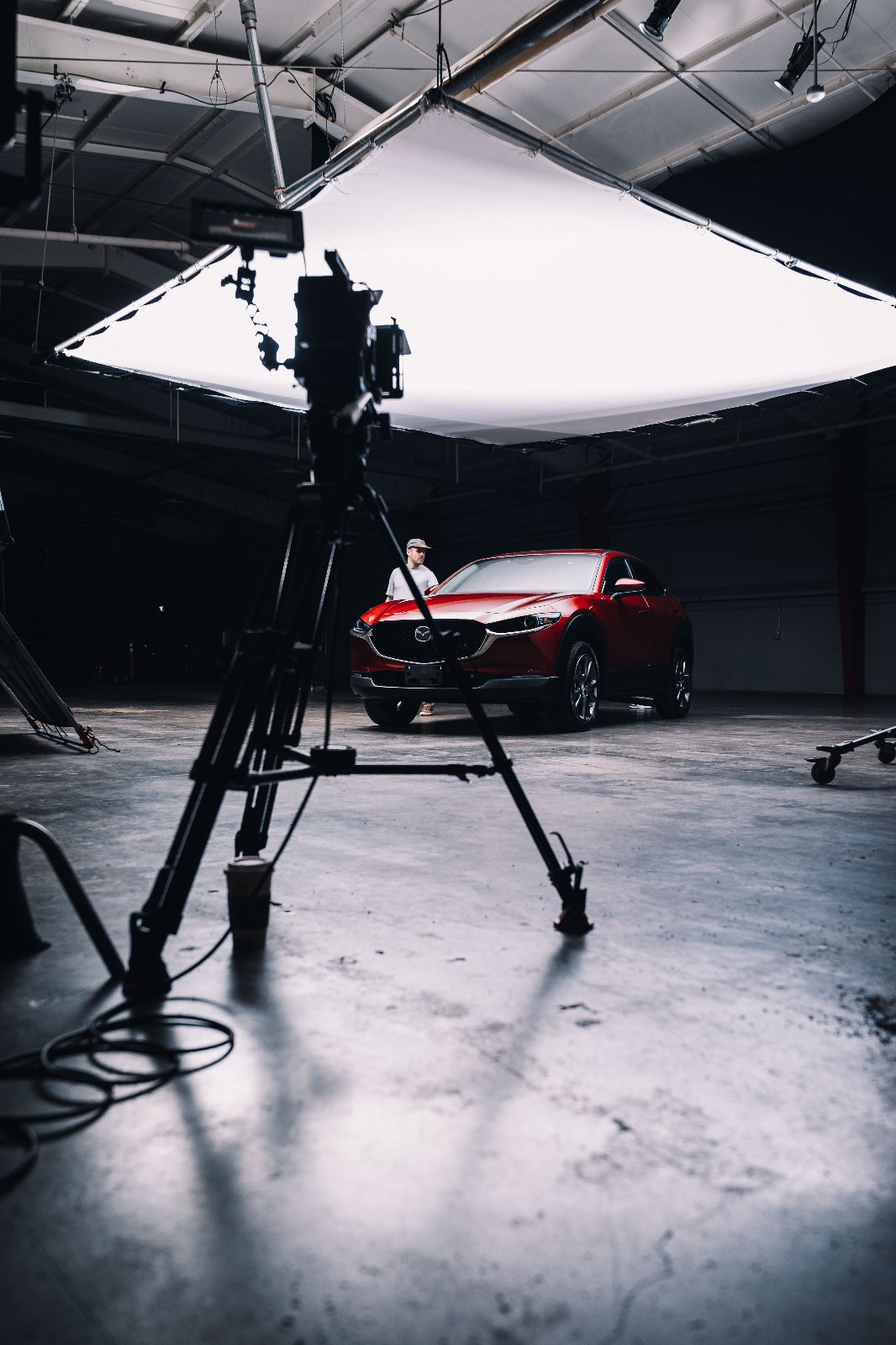
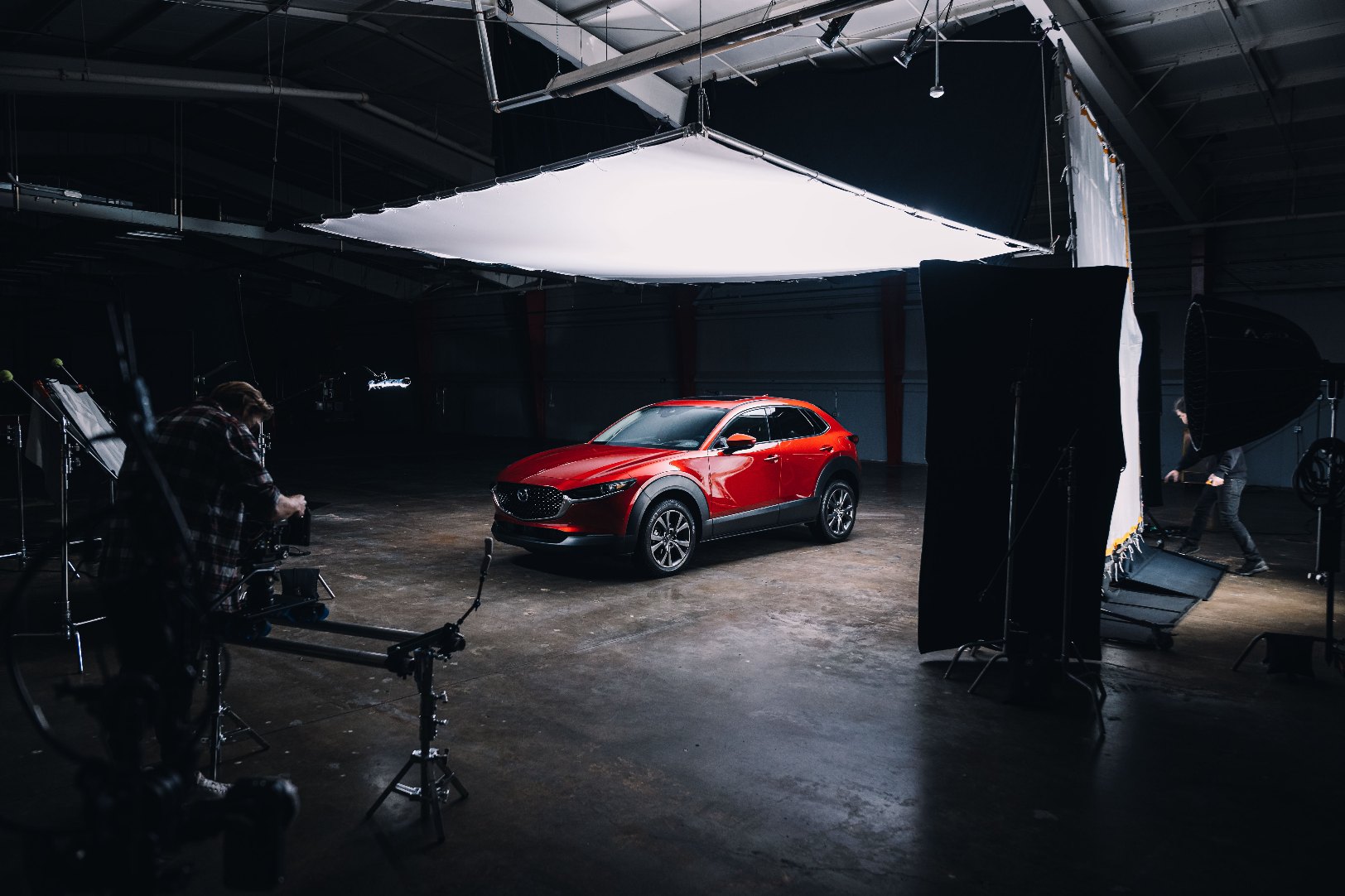
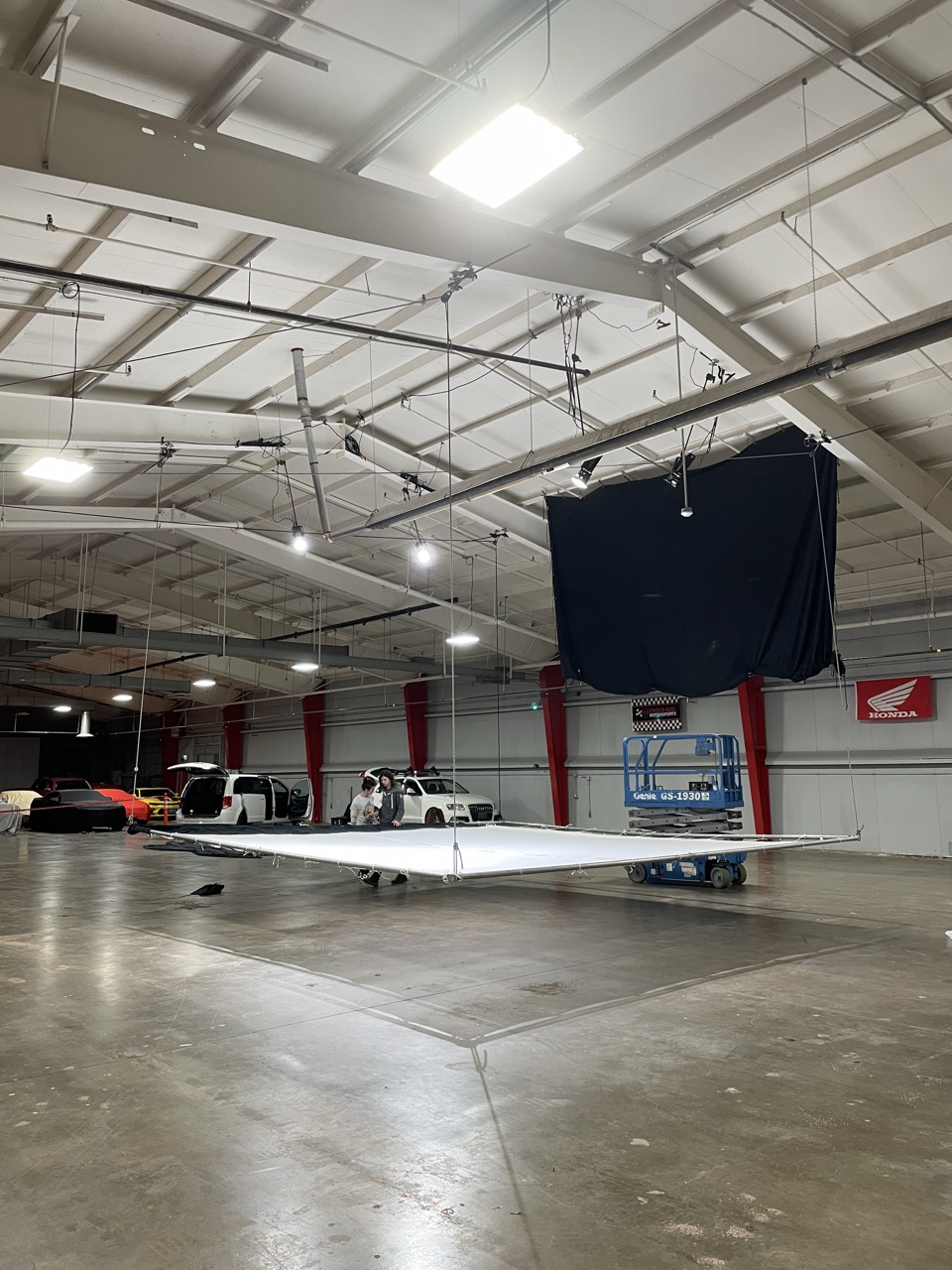
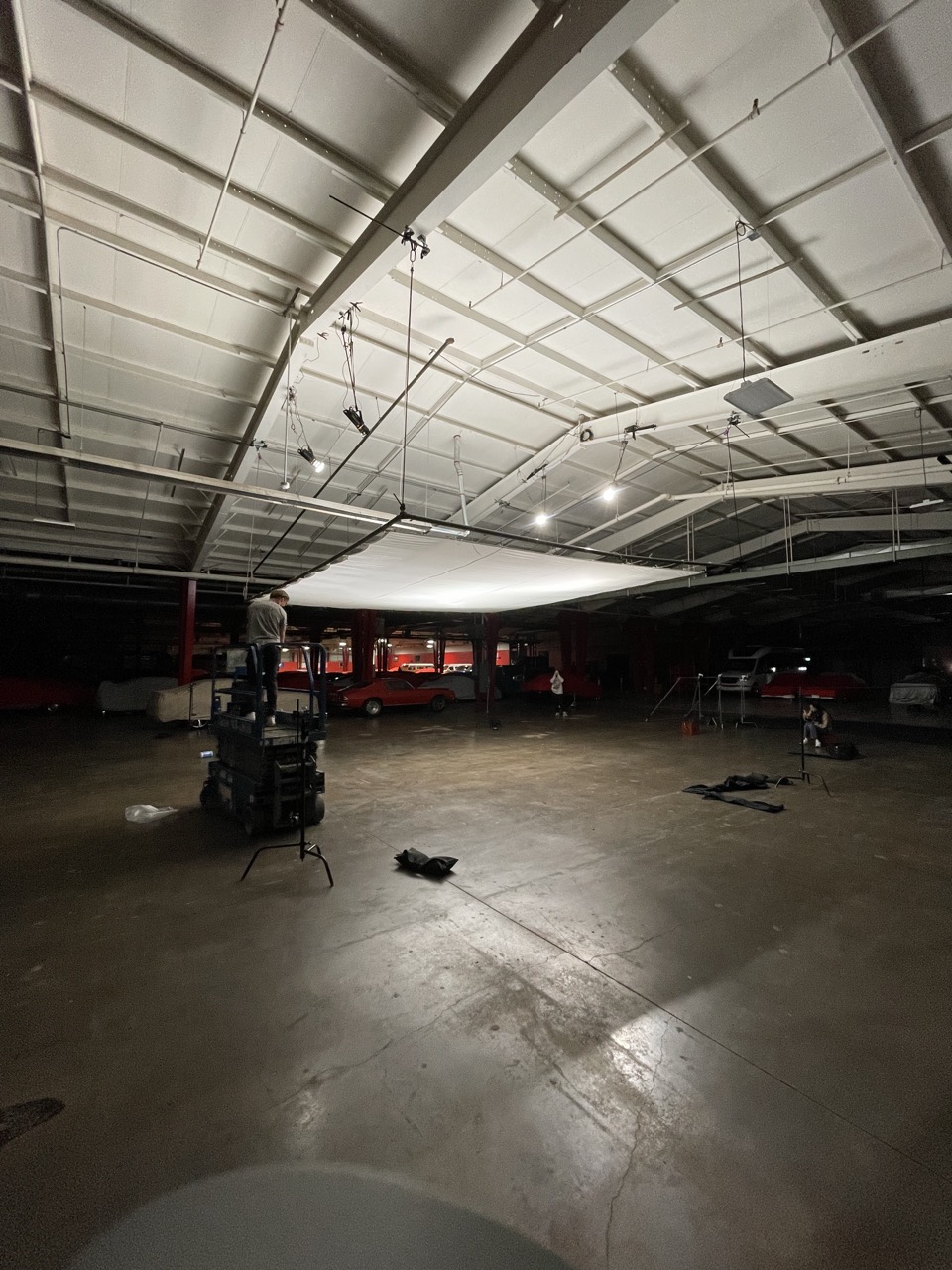
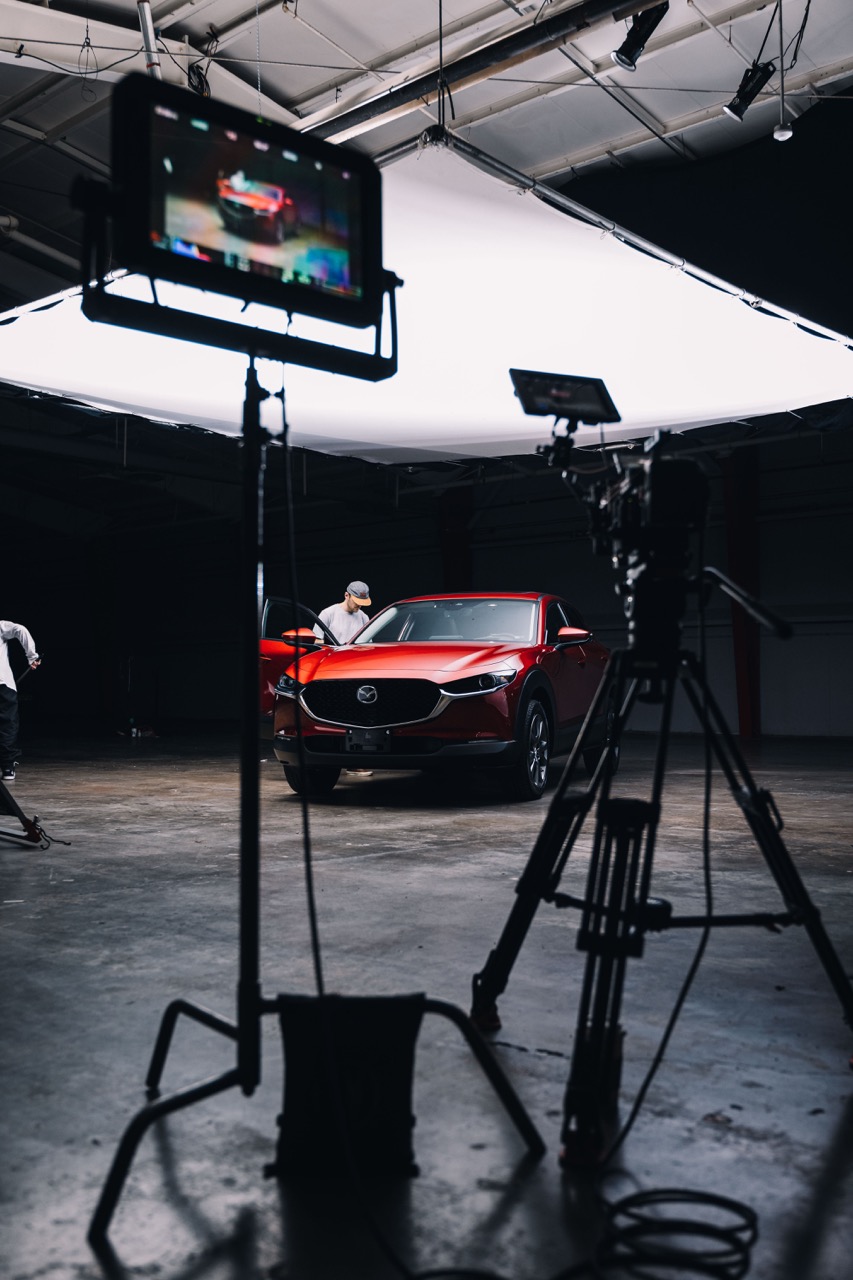
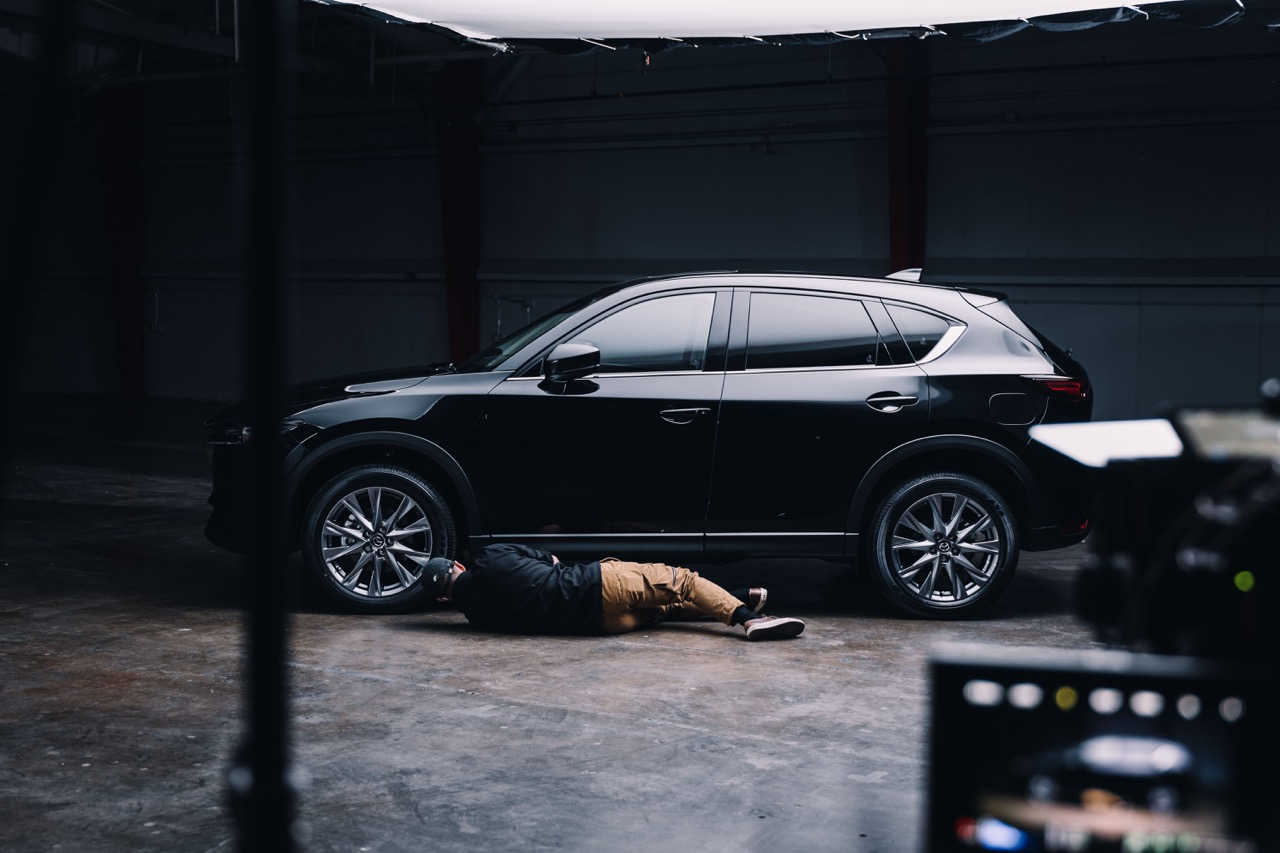
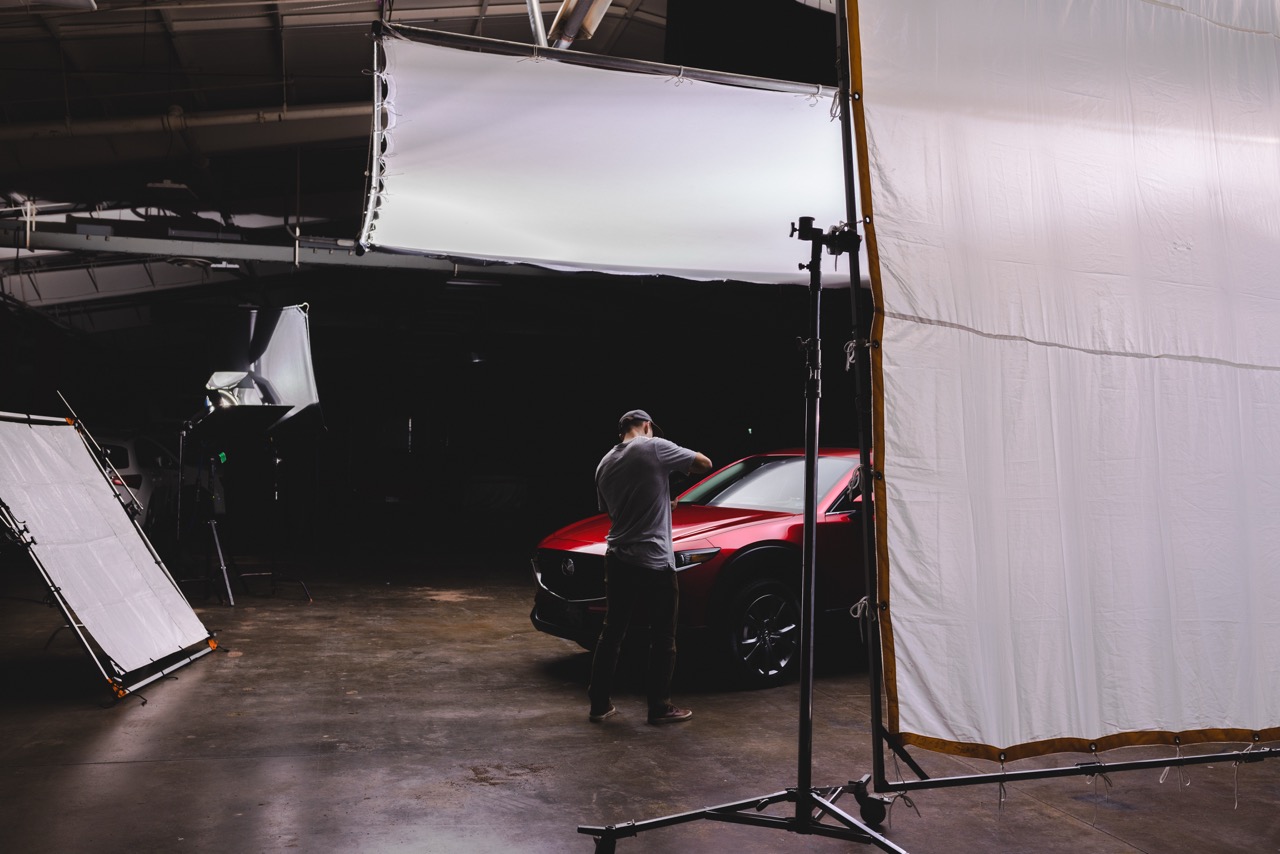
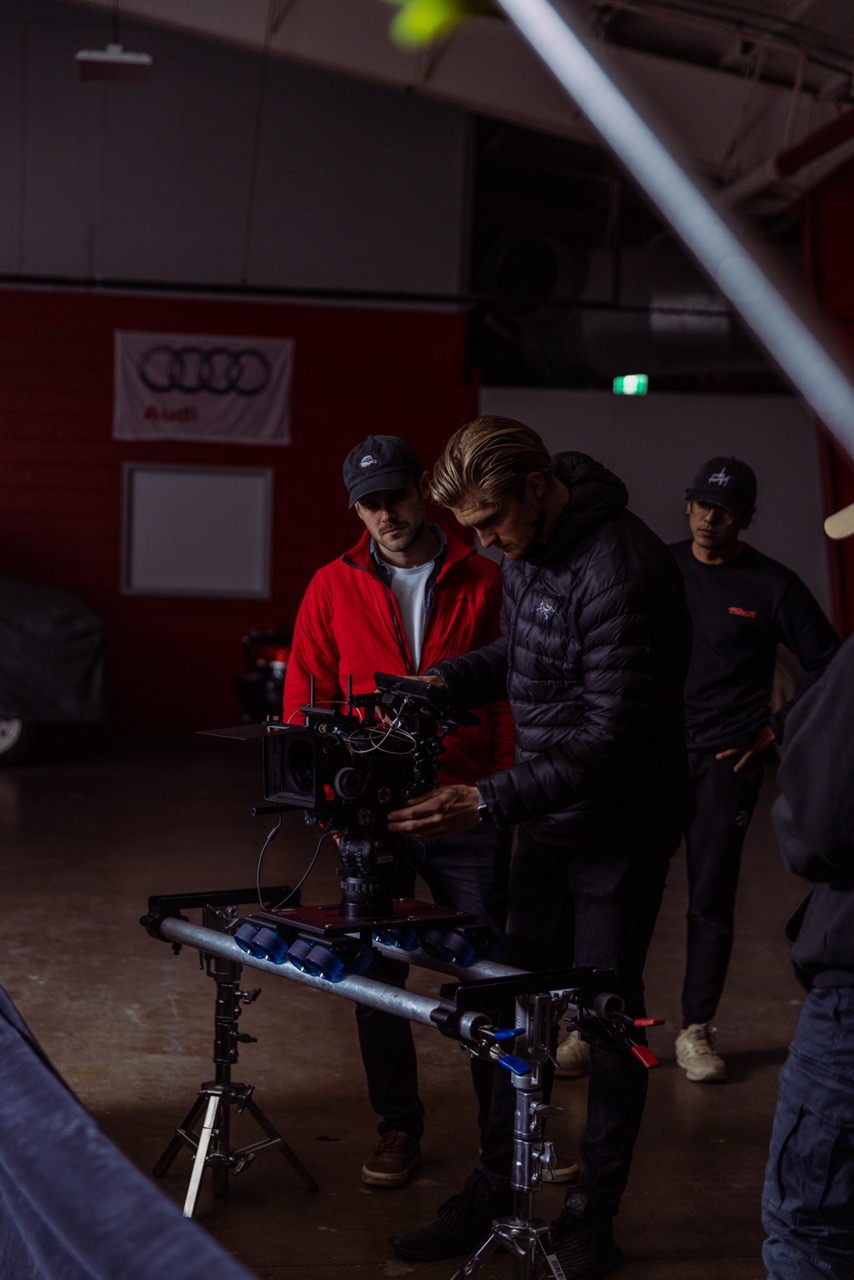
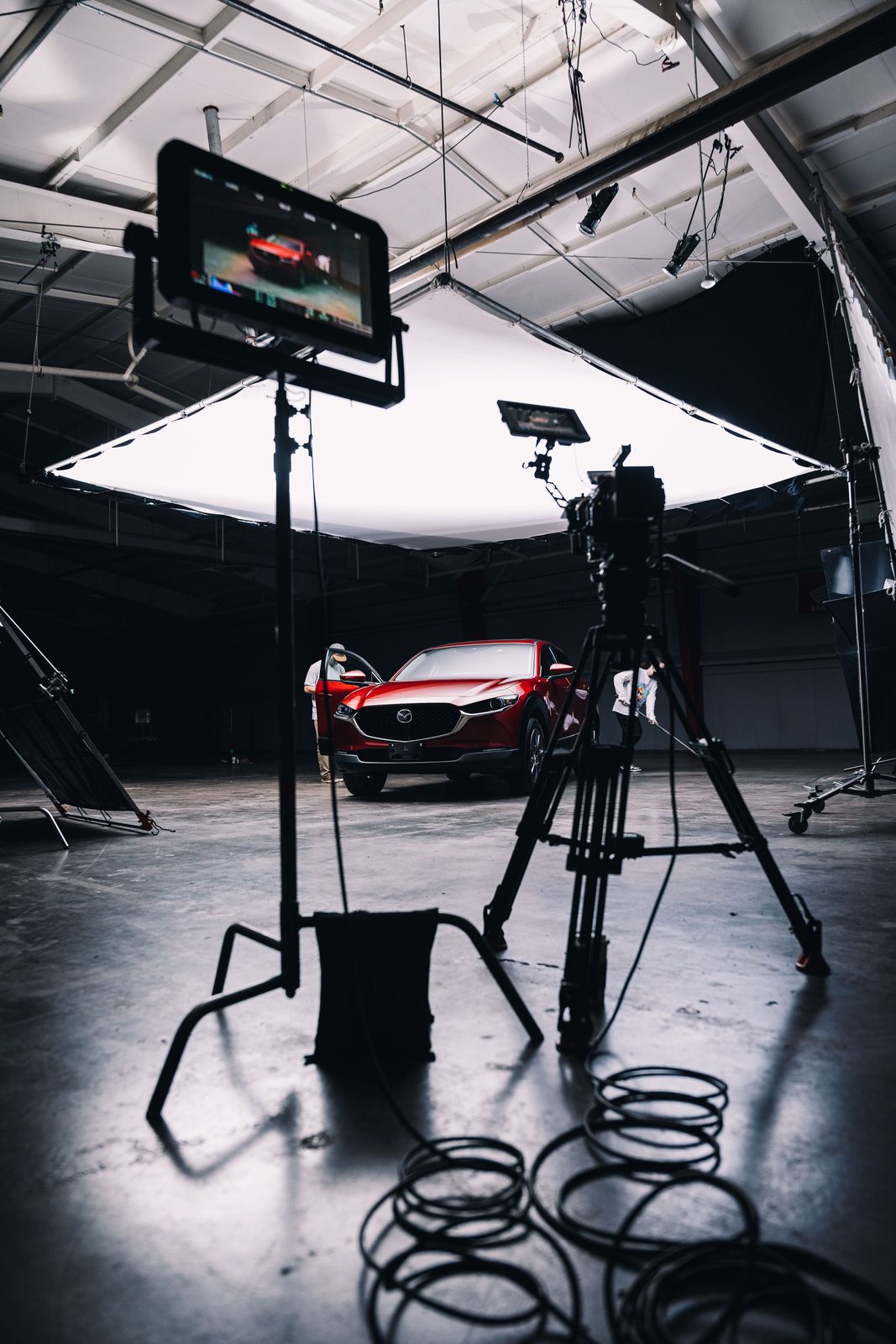
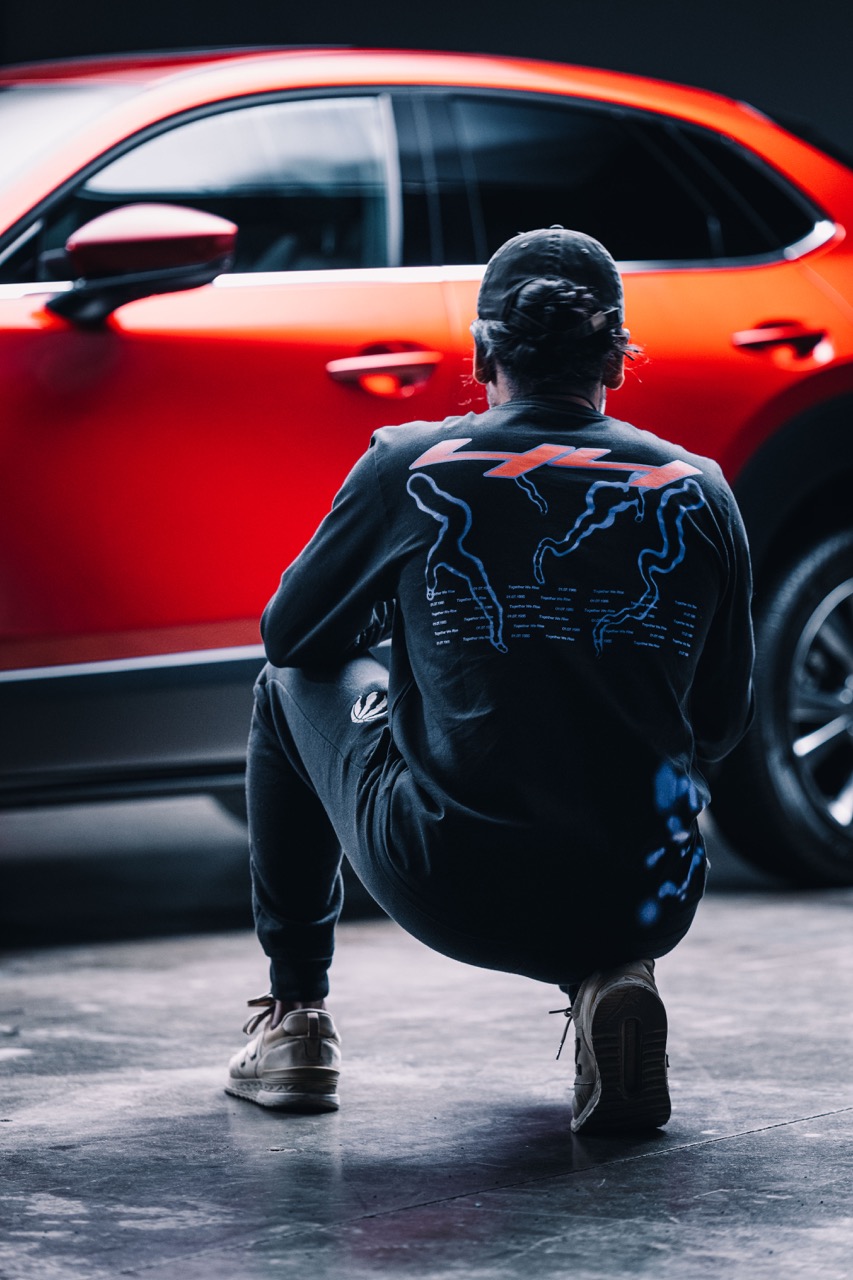
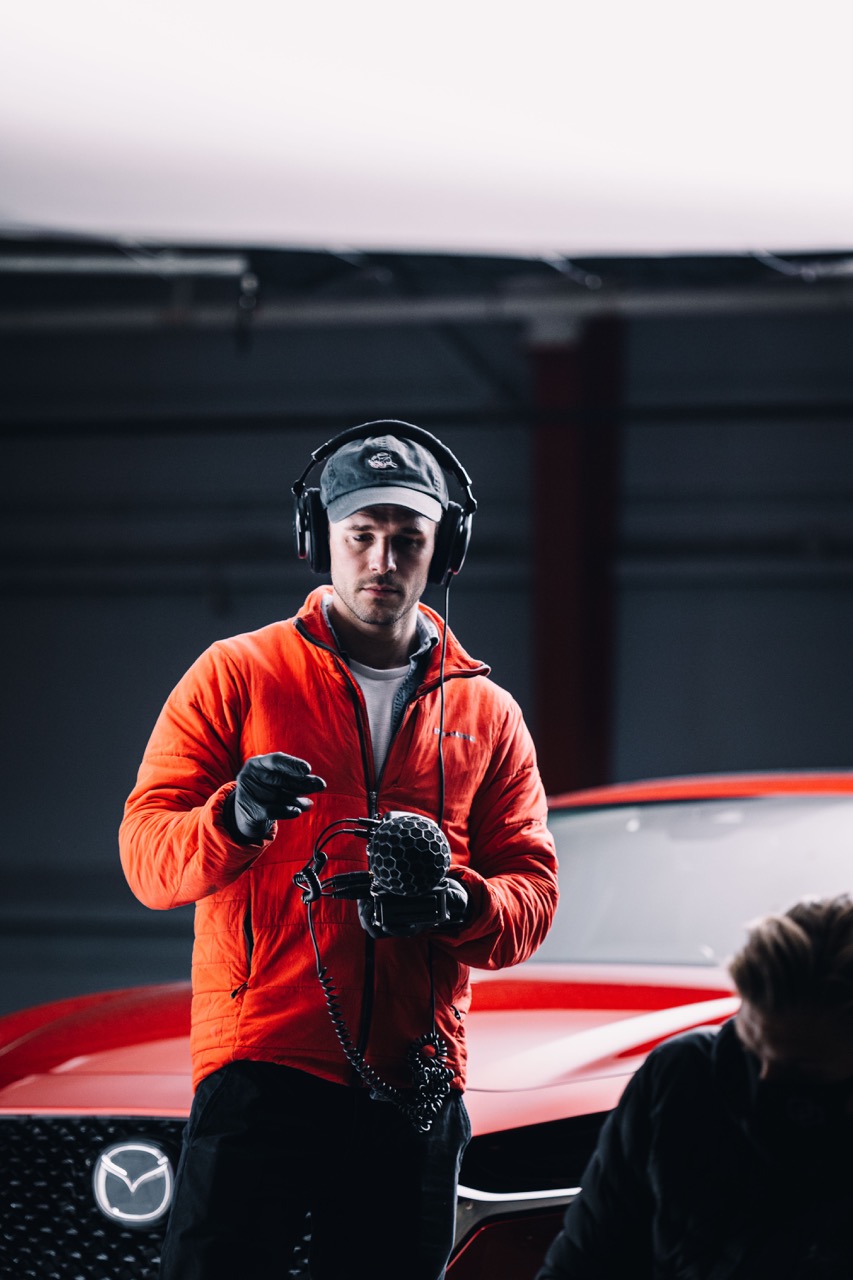
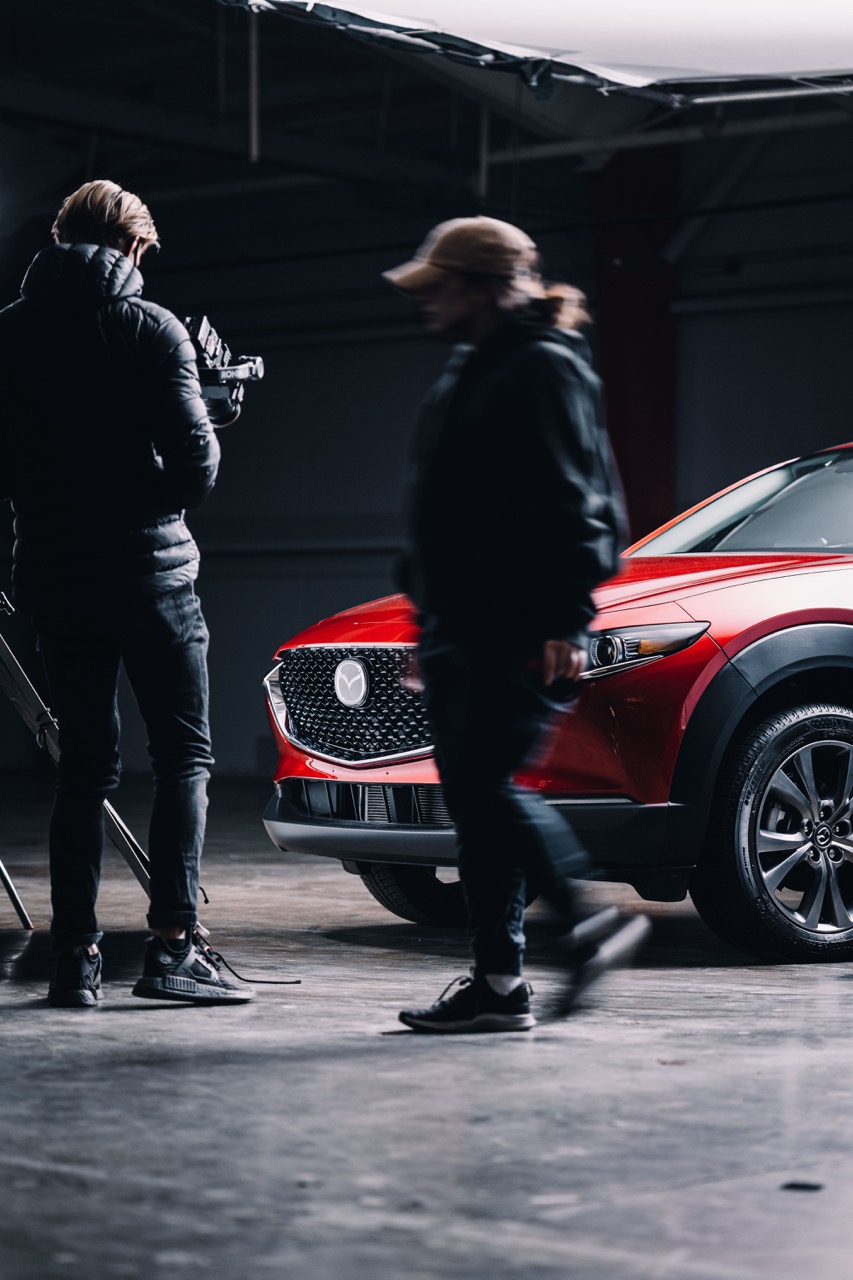
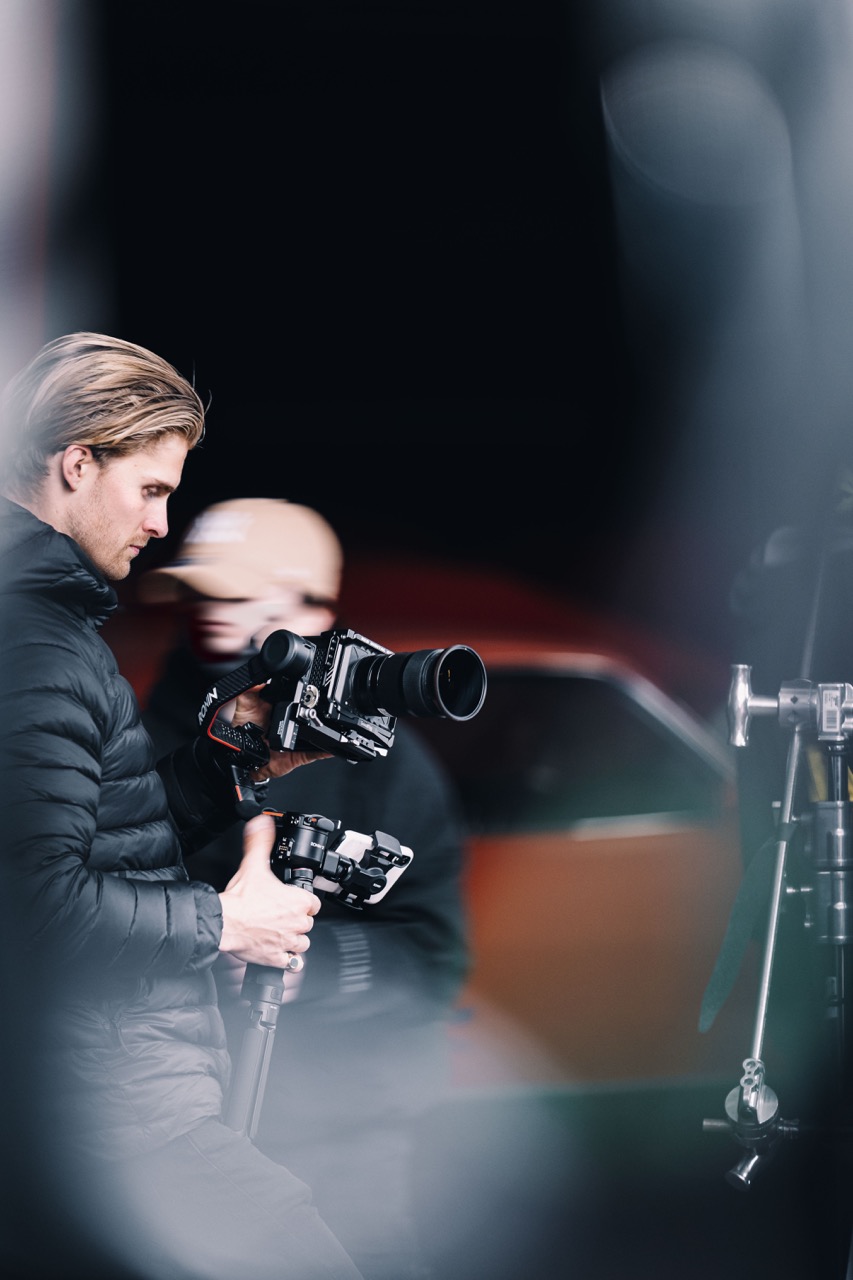
We chose a space where we controlled every source of light, with a semi-polished concrete floor that gave the reflections a subtle surface rather than the blankness of a studio wall. The frames feel like a place, not a set.


Built to loop
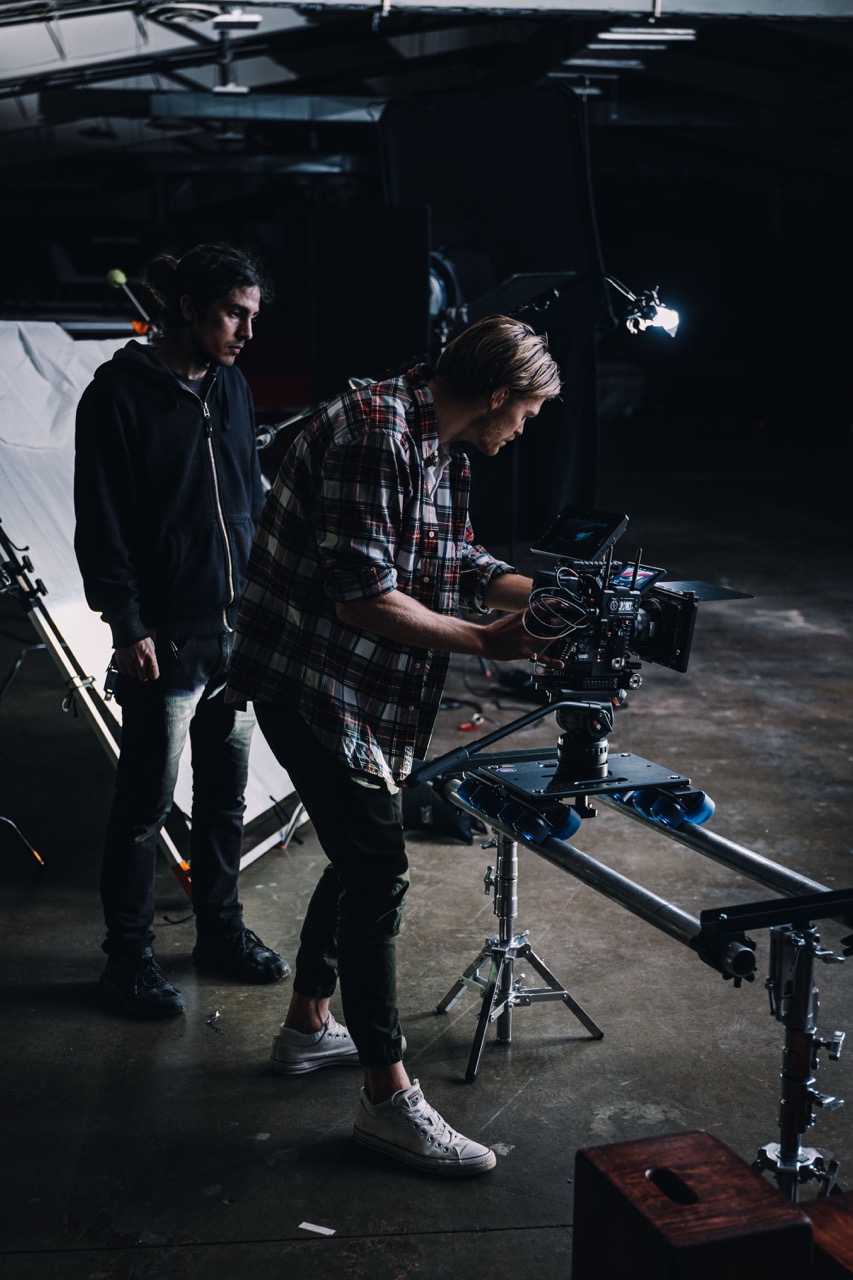
Every pass of light and every camera move was planned at the storyboard to finish where it started, so the films loop without a visible join. Where a single take couldn’t close, a transition was built to hide it.
The work became the campaign. Nineteen looping films and twenty-one stills ran through both features, the landing page and a set of cinemagraphs for social, carrying Mazda’s design to its audience on every screen, mobile included.
Have a challenge you’re solving? We’re here to talk through it.
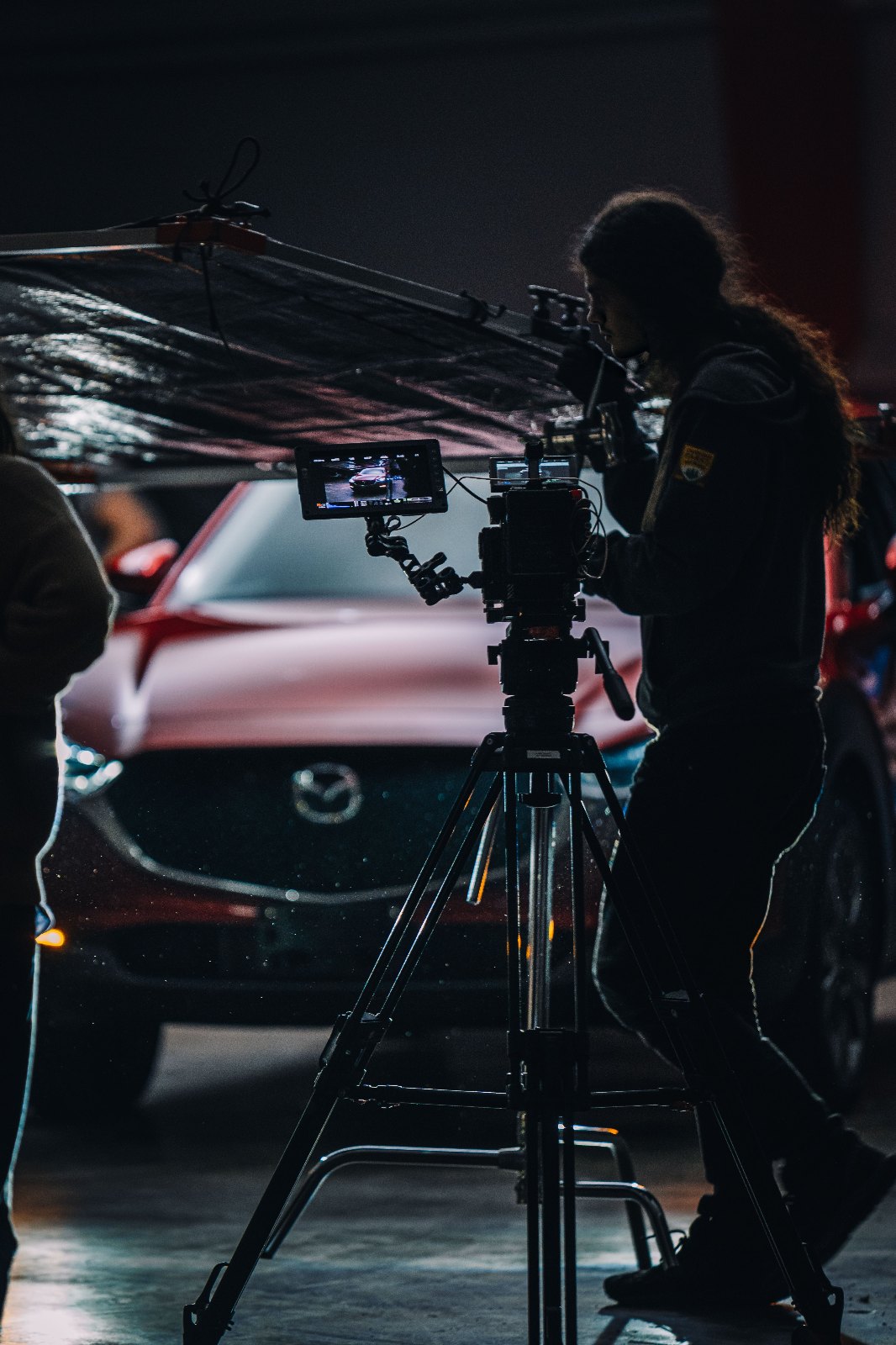
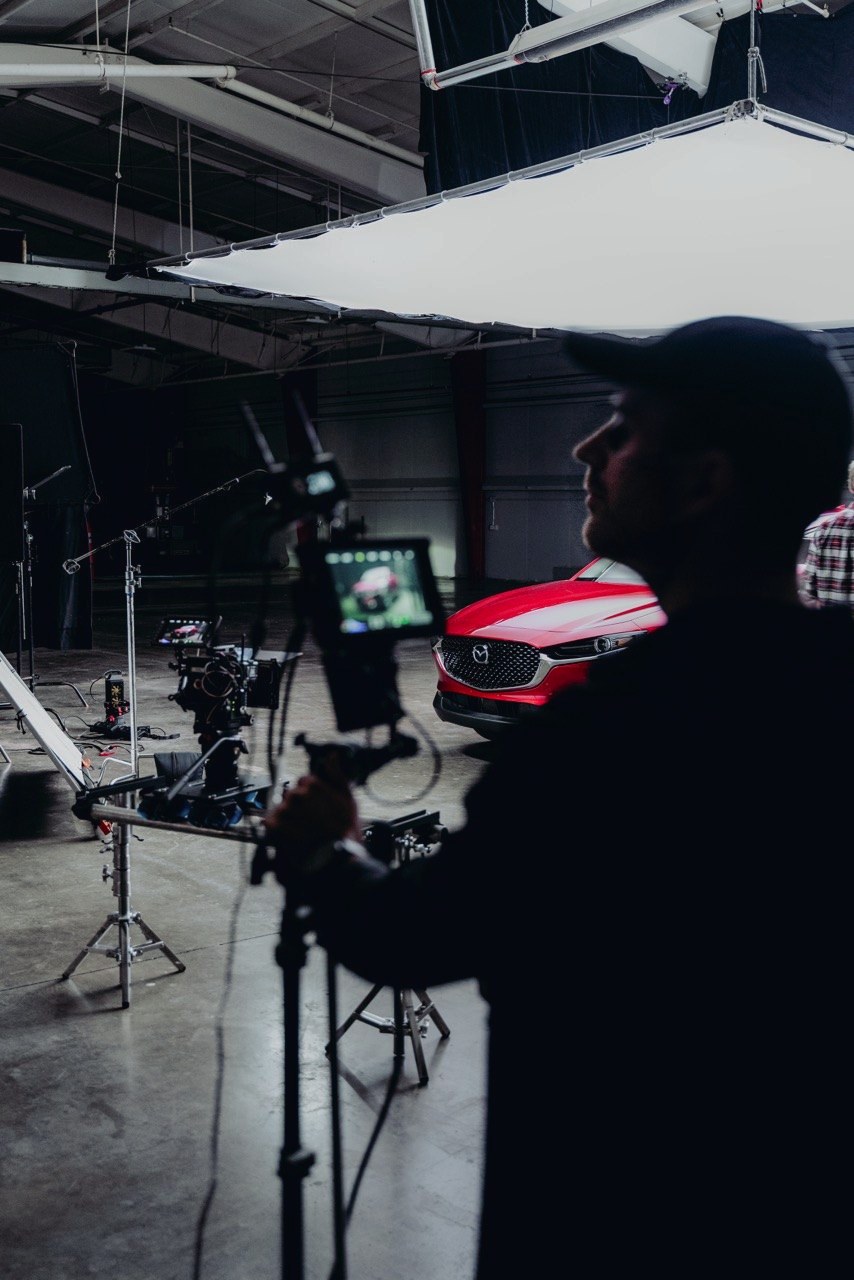
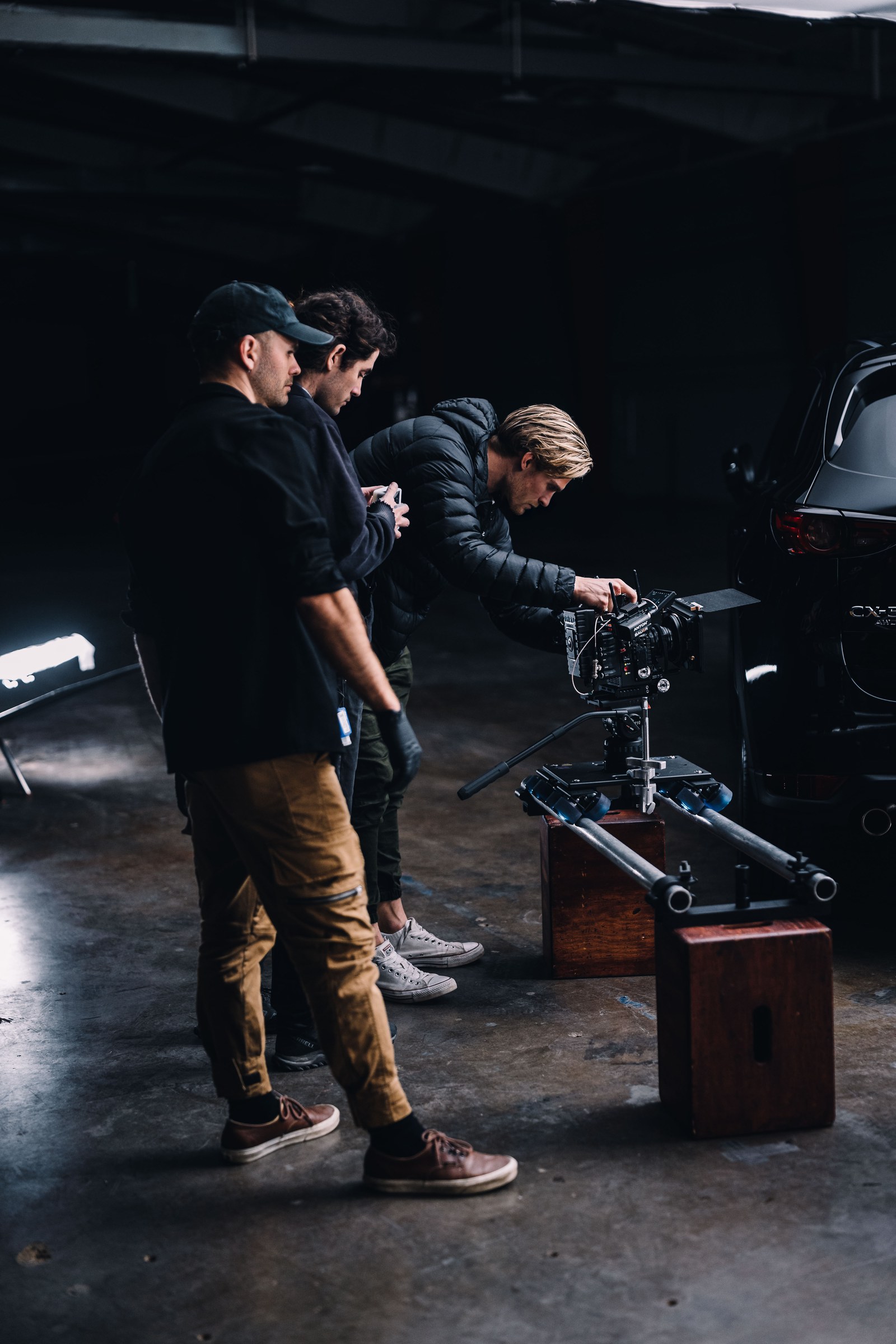
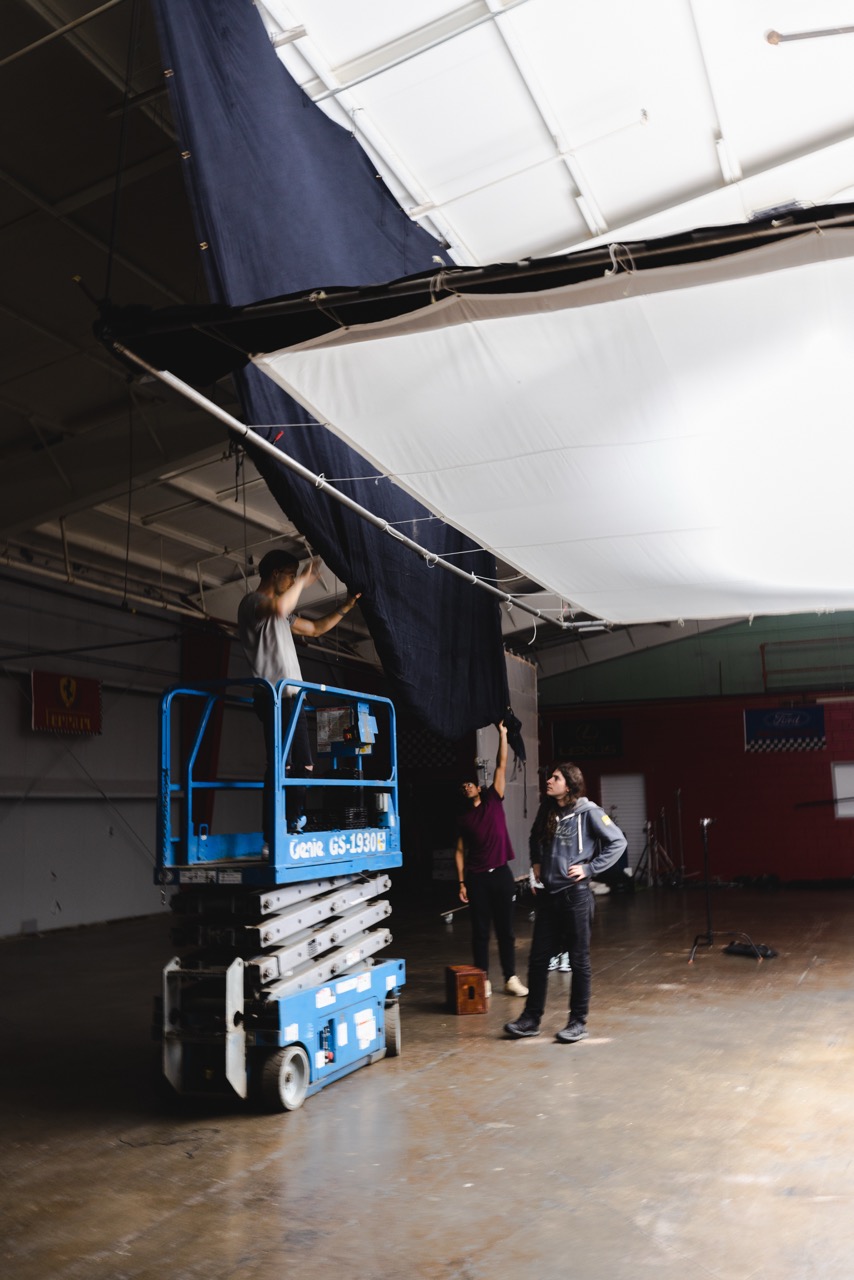
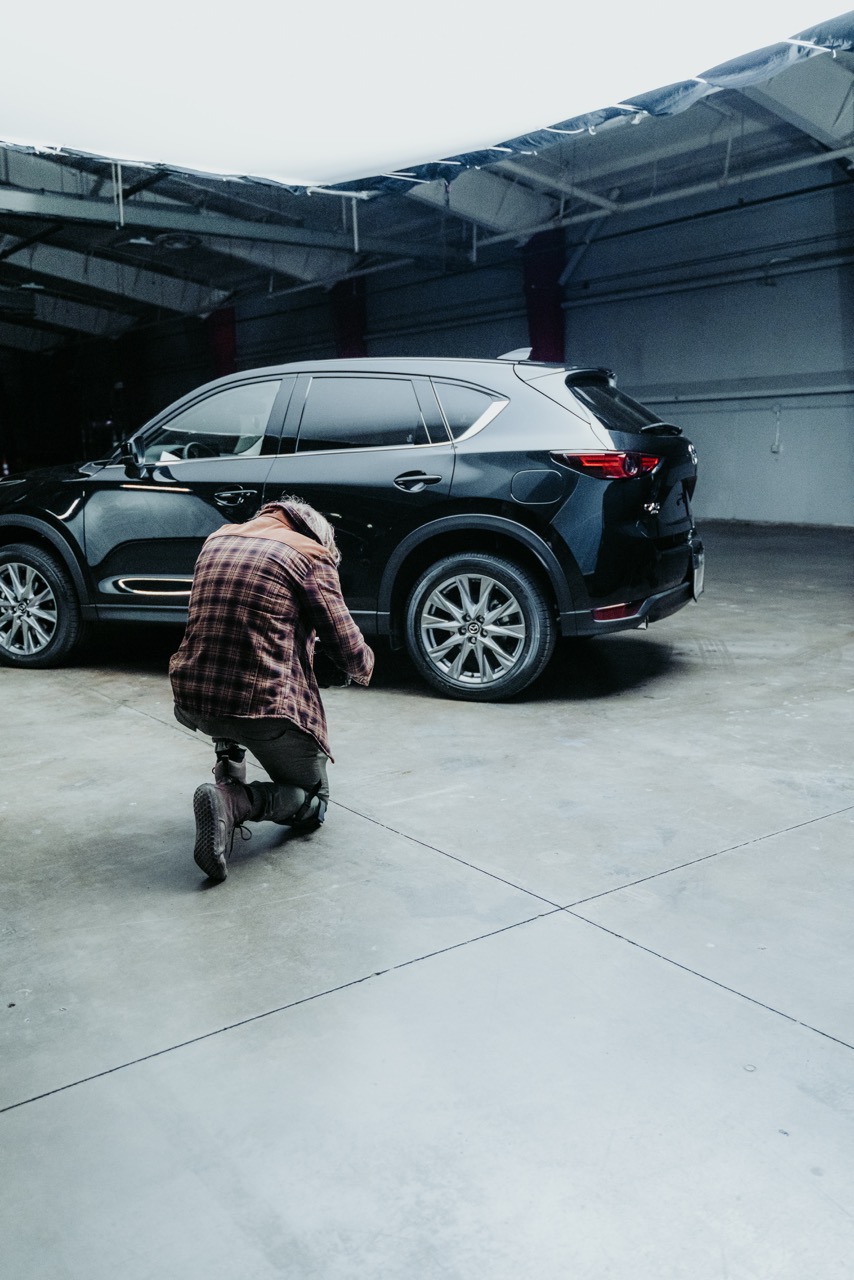
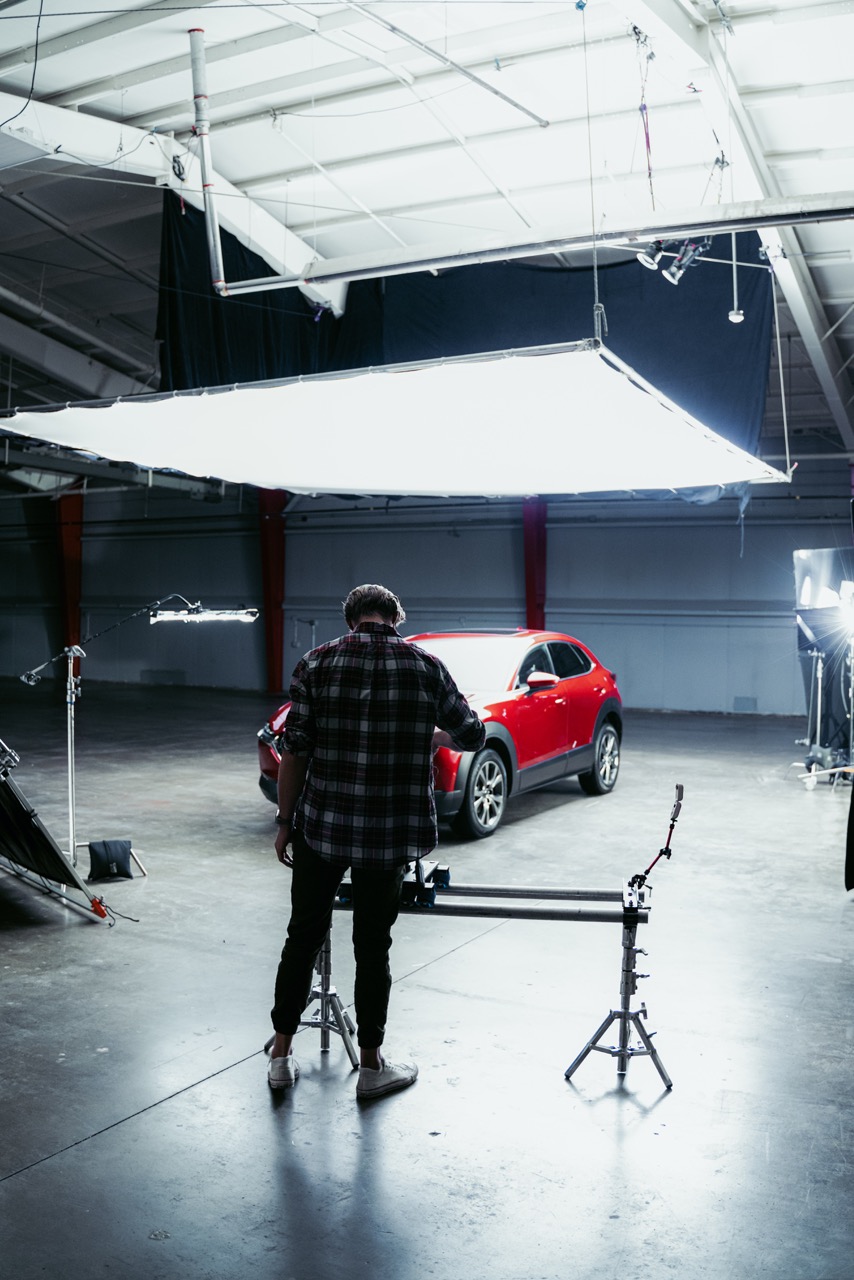
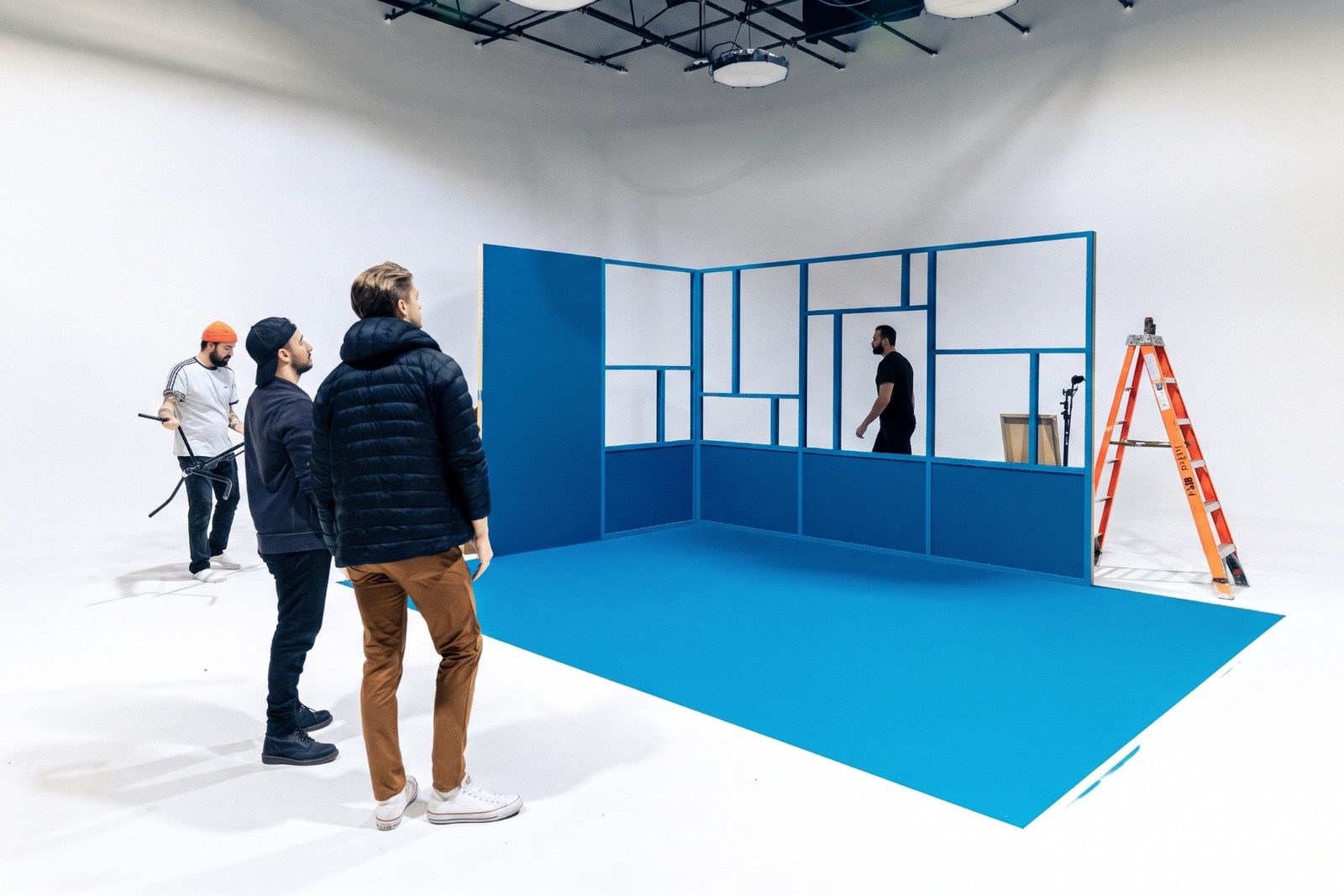
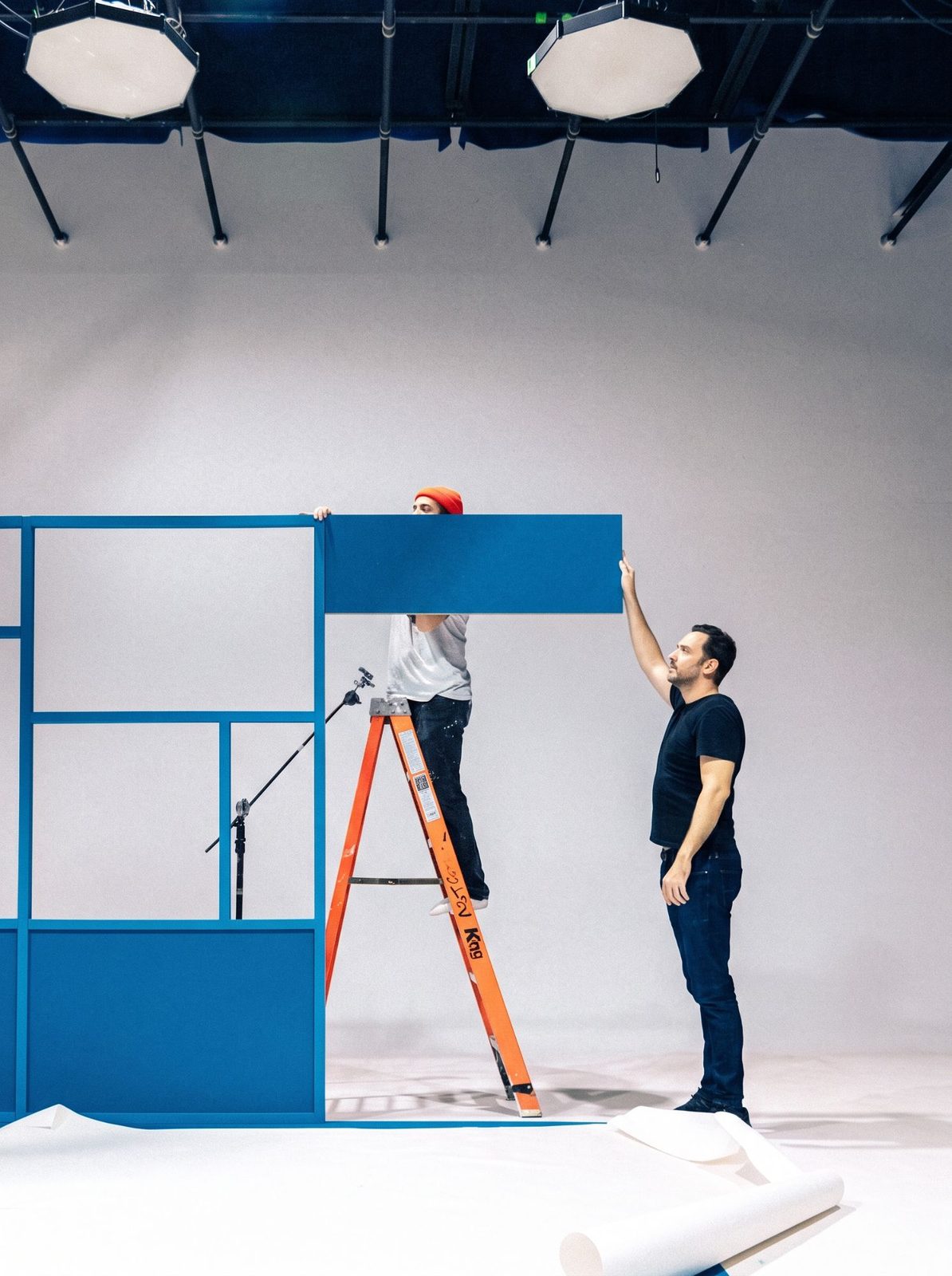
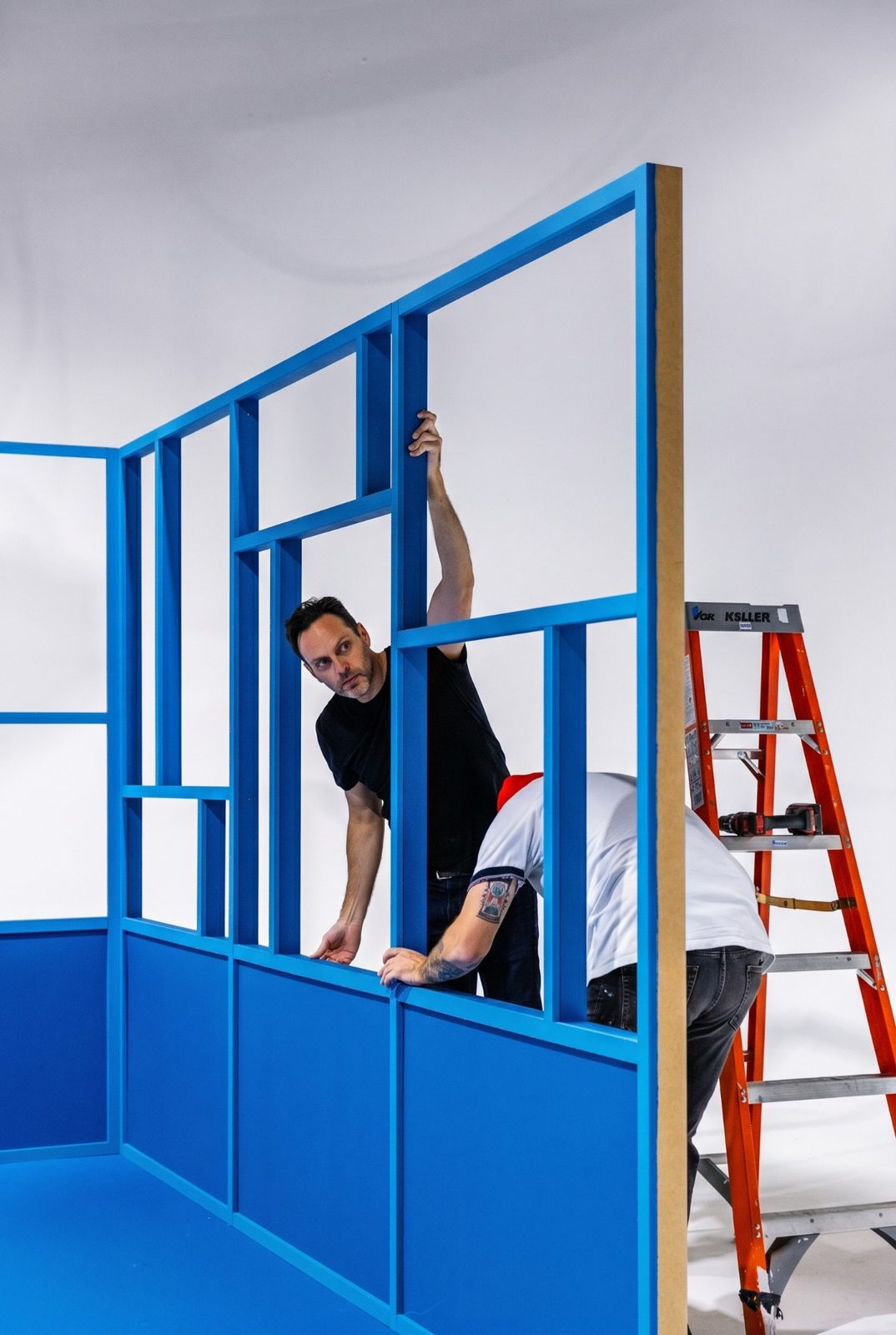
Start a project ↗A studio wasn’t going to cut it. We needed high ceilings for the light to behave the way we wanted and the location to match. So we built the world ourselves.


“REFLECTION!” was heard a lot on set.


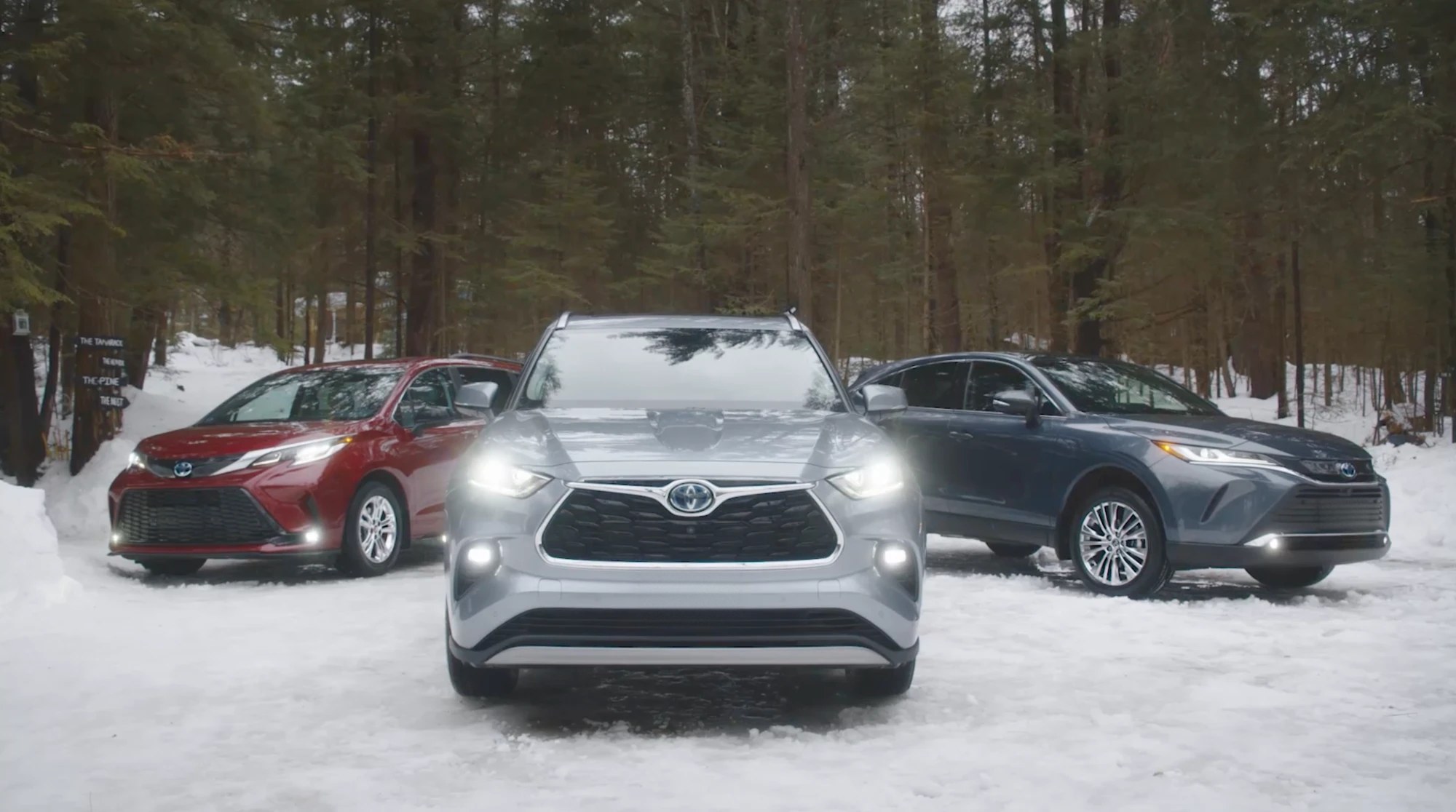
Three families,
Three Toyota Hybrids,
Tested for their lifestyles.
The dependable choice.
Most people shopping for a family vehicle already have Toyota at the top of their list. Reliable, efficient, built for families. So the real question is which Toyota fits their family’s lifestyle. AutoTrader built its branded content for people at that moment, close to a decision and past the spec sheet. Toyota wanted them to see that its hybrid lineup has a match for every lifestyle.
■ ChallengeDoes it fit?
In the eyes of drivers, Toyota had already earned the hardest part, Trust. A family that already believes in the brand still has to decide which Toyota fits their lives, and that’s a hard question to answer before trying them out. There’s a Toyota for everyone, but showing families how it fits their specific needs was the challenge. Toyota’s hybrid lineup covers the spectrum, three vehicles, different kinds of families, and a viewer had to see their life and a Toyota in it.

Find the families, hand them the keys, and follow their day.
The idea was almost too simple. Take real families, give each a Toyota to live with, and document what happens. People trust what they work out for themselves. A viewer close to a buying decision gets to do exactly that: watch a family discover how a vehicle fits a life, and see their own life with a Toyota in it.
The Fitzpatricks, Toyota Sienna
A hockey family who were already Toyota owners, with a week built around the rink. The Sienna took them to the place their family spends most of its time.
The Nickies, Toyota Highlander
Growing up on a farm, Shannon Nickie wanted to share the joy of riding horses with her family. The Highlander took them out to the stables for a day on horseback.
Troy and Neil, Toyota Venza
Busy, always on the move, and overdue for a getaway. The Venza took this couple to an overnight wellness stay, a night to slow down.
Believe someone like them.
People believe what they hear from someone like them, so the work began with people. Three families were found for who they were, each with a Toyota in mind, then given the freedom to decide what their day would be. The films stayed close from departure to destination, so a prospective buyer heard how a Toyota fits a life from someone actually living it.
Find the families
We searched for real families and got to know them and their needs. We selected families based on their lifestyles, and the fit within the Toyota lineup was clear.
Choose your adventure
With a Toyota already in mind, what the destination would be and how far they’d go was completely up to them.
Toyota, in their world
Each family spent the day with their Toyota and got to experience how it fits in their lives. The features came up in the course of their day.
Pick your Toyota
The lineup was the choice. Viewers could compare three families and three Toyotas, then follow the one closest to their own life.
For someone close to deciding, the campaign did the one job that mattered. Prospective buyers saw a family whose lifestyle looked like theirs and were given a window into how Toyota could become part of the family.
Advice isn’t one path.
Training shouldn’t be either.
Educate through empathy.
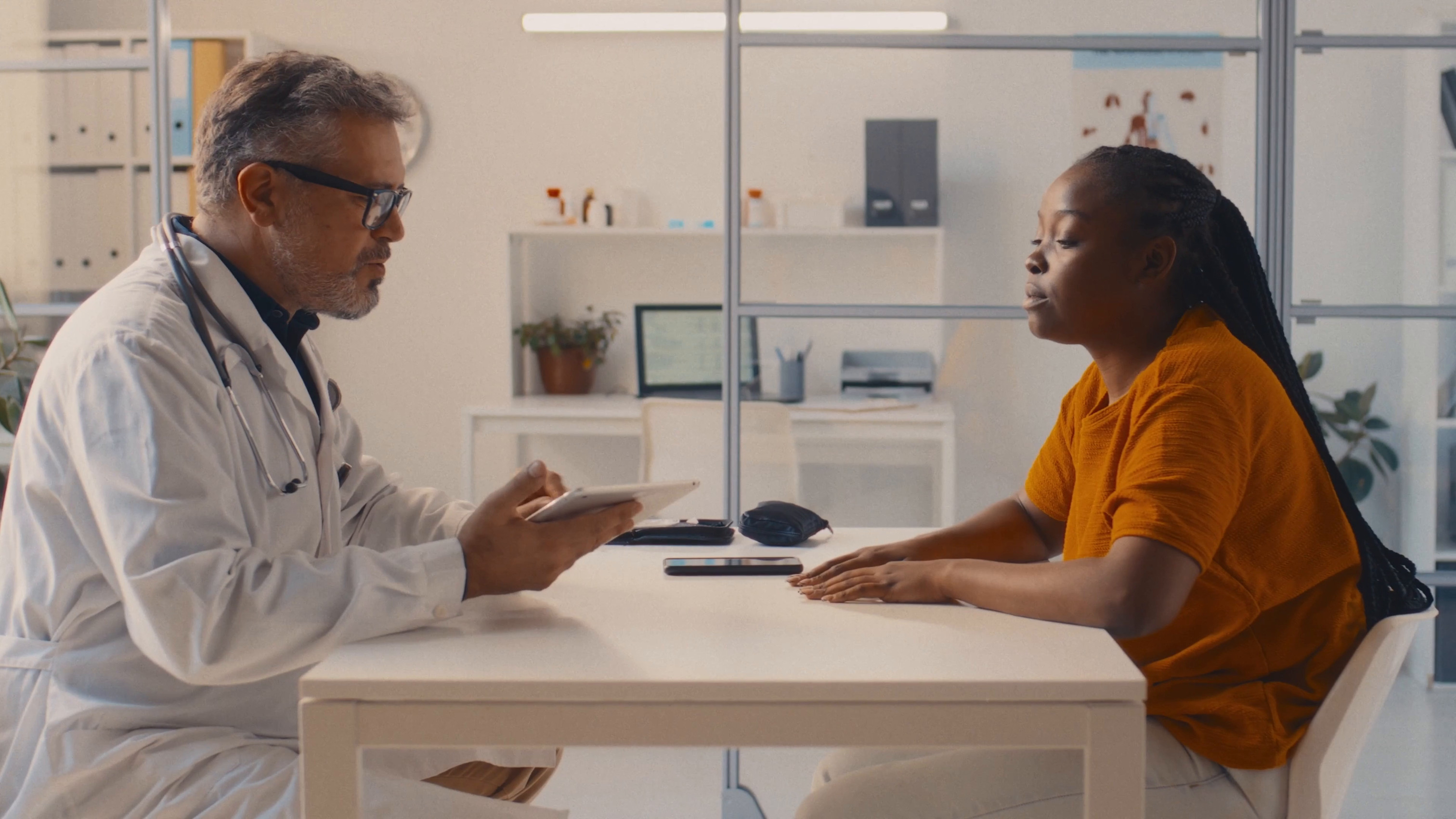
Imagine being handed a score for how you are with money, and then having someone walk you through it: what you spend, save, owe, and your future plans. Picture that meeting. Money is a sensitive topic that needs to be handled with care.
That’s the conversation Meridian’s advisors have with customers. The advisor has to turn that number into a conversation about this person’s life without making them feel judged. Meridian, one of Canada’s largest credit unions, wanted to prepare its advisors for that conversation with a training video.
■ ChallengeBuilding a mindset, one choice at a time.
Meridian’s goal was simple to say and hard to do: help advisors have better conversations with customers, leading with empathy. Nobody becomes more empathetic by being told to. They get there by practising somewhere it’s safe to get it wrong. A training video can’t do that on its own. Engagement can.


Don’t show it, run it.
Most training tells you the right answer and asks you to remember it. We made Meridian’s advisors find it instead. Through an interactive series, the viewer runs the conversation, choosing what the advisor says at each turn. We kept it light and fun because a lesson about empathy shouldn’t feel patronizing.
Built on evidence.
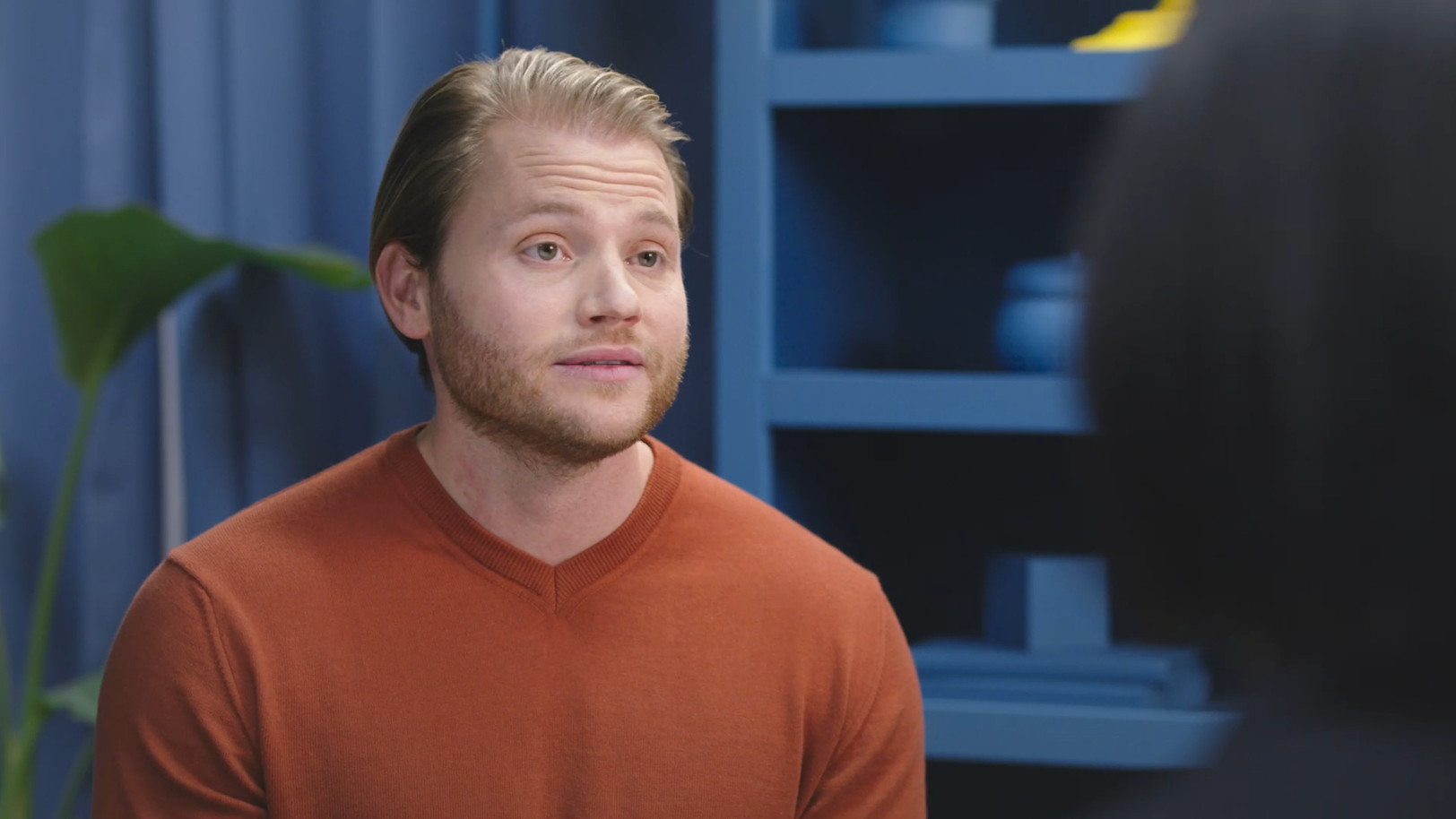
You can’t practise empathy on a type. Meridian had researched its customers, so we built the character and the script on a real one: mid-twenties, two jobs, renting, debt he can manage, nothing put away. Every line is said to him. The viewer isn’t choosing a right answer. They’re choosing what to say to a person.

Scripting Interactivity.
An interactive series has every script, not one. Each choice opens a path, each path needs a scene, and all of them have to meet again without a seam. So every path was written in full, read with the cast until it sounded like a meeting, and walked through on the finished set the day before we shot. Interactive logic fails in the gaps. We wanted it to fail on the rehearsal day, not the shoot day.
Explore what
financial resilience
means…and doesn’t.
Explore what
financial resilience
means…and doesn’t.
The Meridian World.
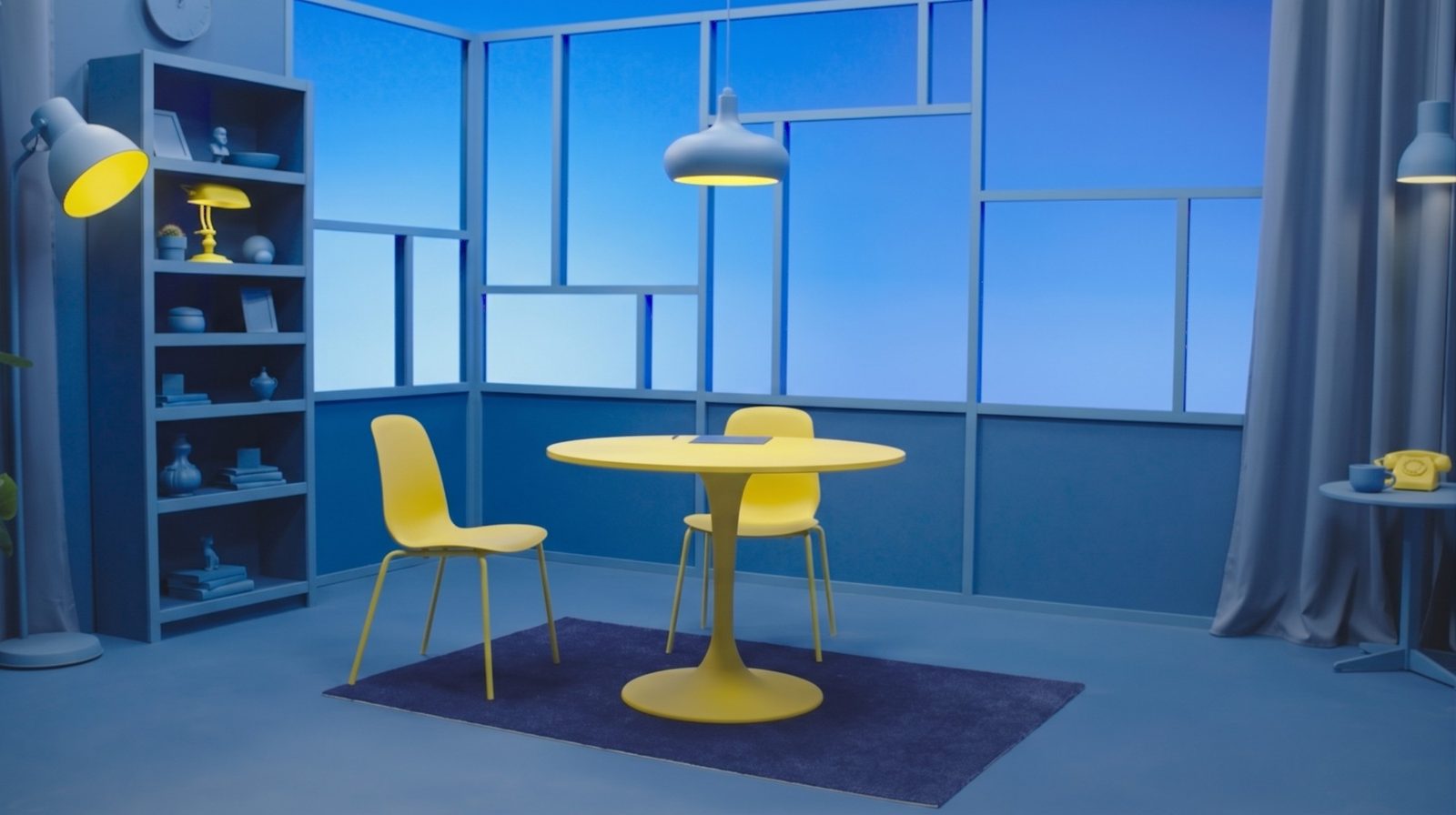
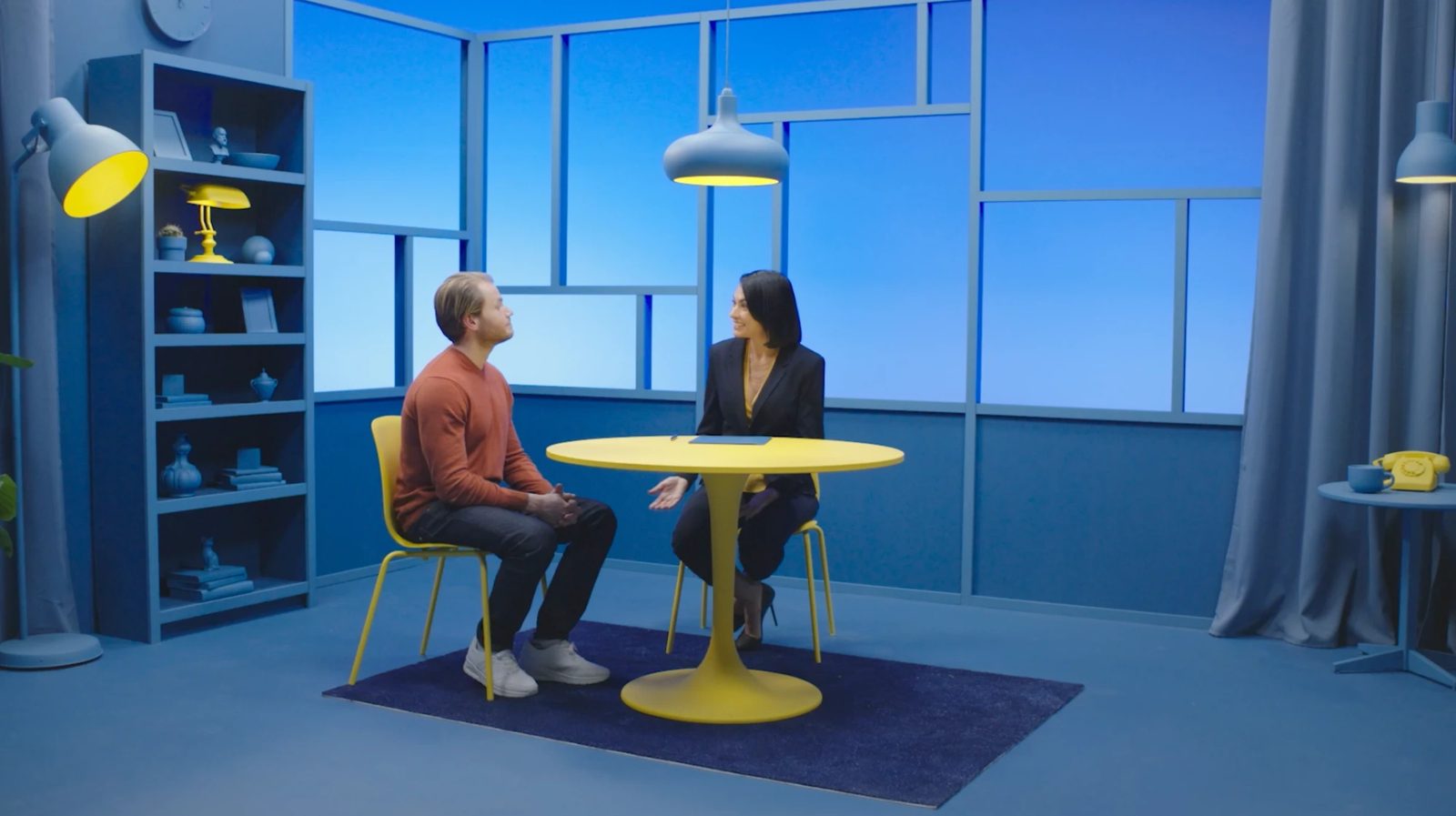
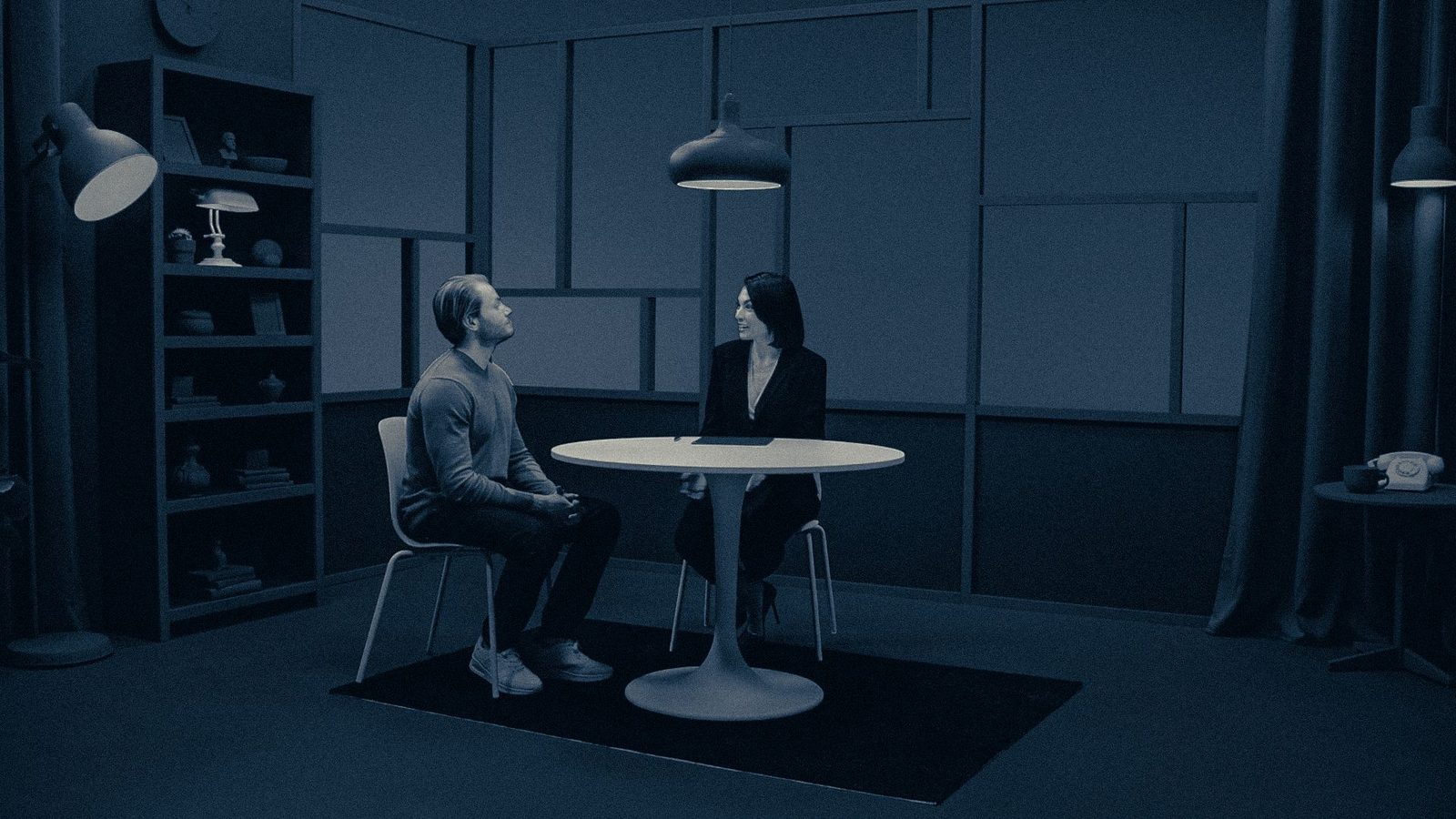
We built an abstract Meridian world: a set in the brand’s own blues and yellows, so the advisor is immersed in Meridian for the whole series and the brand lives in the picture, not on a title card. A room we built was a room we could control, and that let the room answer: practical lights that turn green when a response lands and red when it misses. The customer reacts, the room reacts, nobody has to say a word.


Coach, don’t judge.
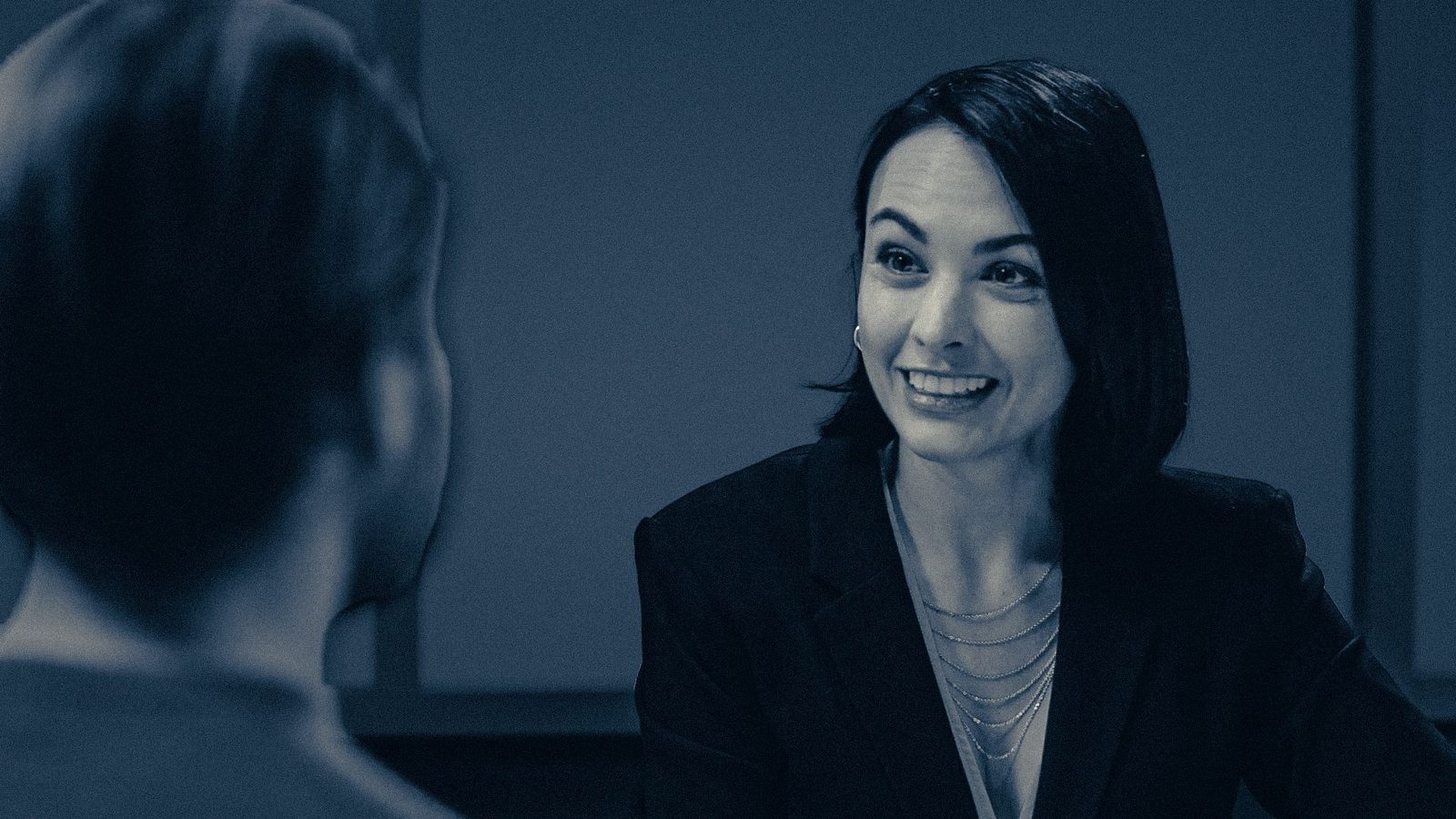
Between beats, a presenter steps in from outside the scene, a seasoned advisor who explains why a choice missed and sends you back in. Most actors read her as an examiner. We held a live audition to find a mentor. The series treats the advisor the way the advisor is meant to treat the customer.
The test of training is whether people do it, and whether it changes how they act once they’re in the room. Meridian’s staff went through the series. They practised the conversation before they had it for real, and Meridian kept it as the way it trains that moment.
Have a challenge you’re solving? We’re here to talk through it.
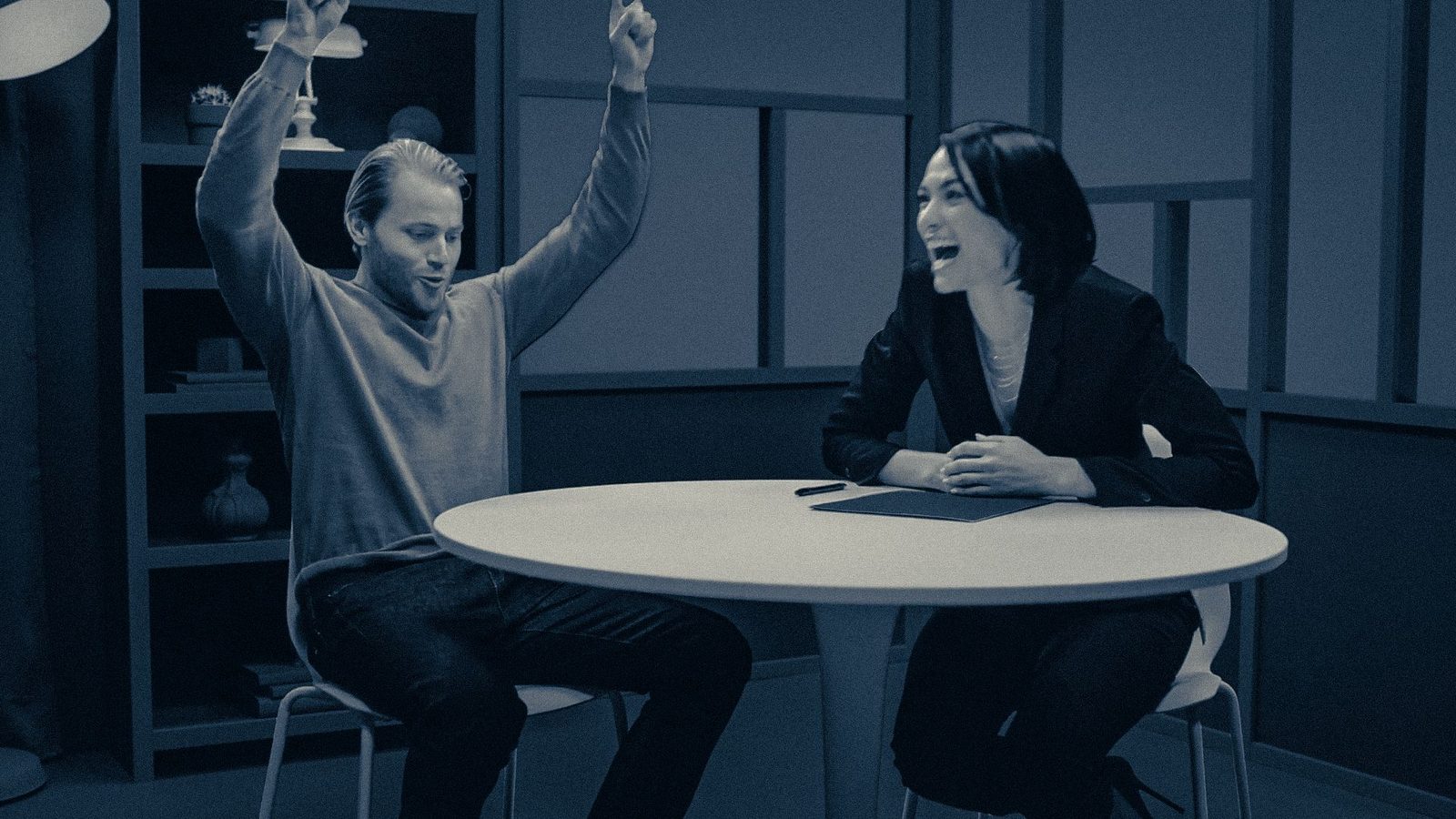
Start a project ↗Get it right. Now wrong. Now more wrong. Perfect.
Our advisor had the strangest job on set: be wonderful, then be terrible, then be terrible in a slightly different way. Our customer had to look hurt on cue, every time. And our presenter waited just off to the side, like a driving instructor with her foot over the brake.
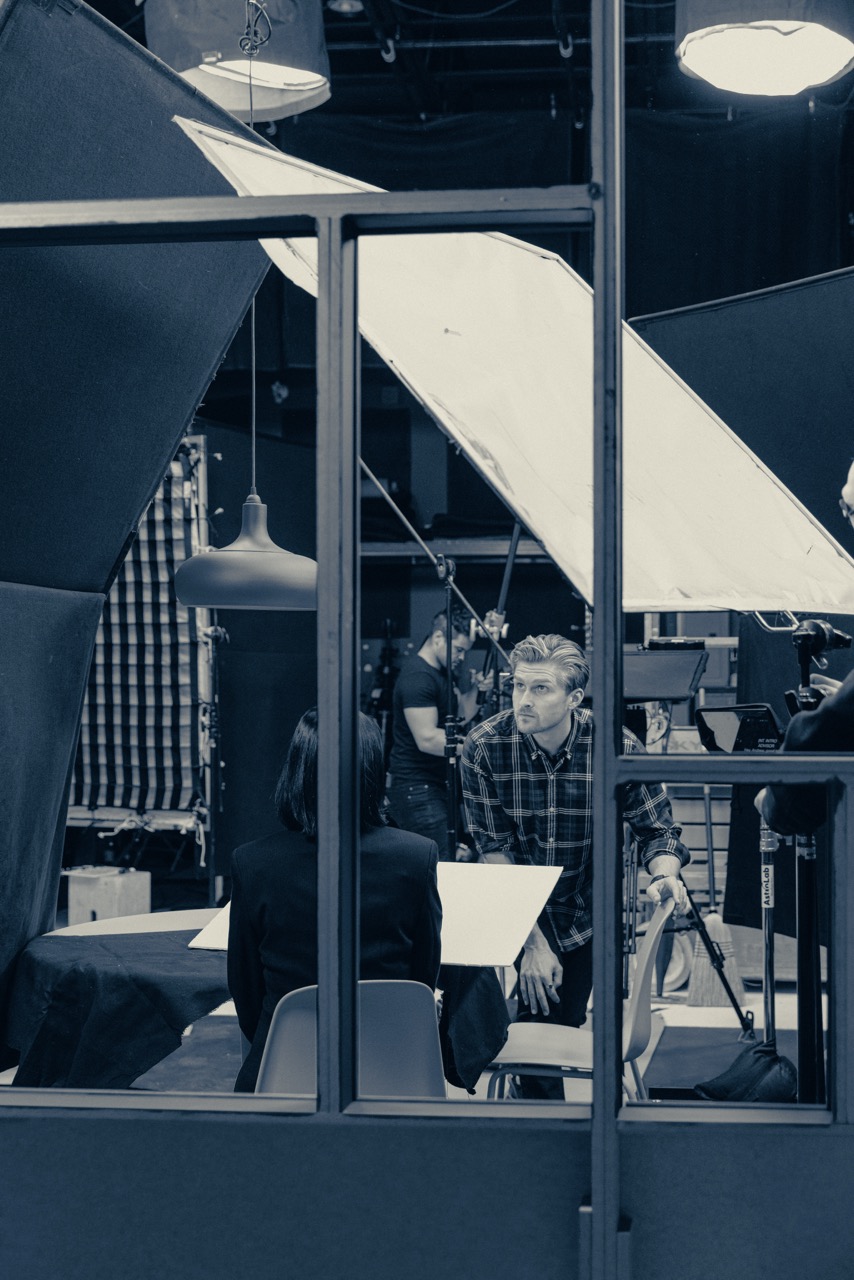
It’s not every day actors get completely opposite directions for the same scene.
Sorry.


Neither can the IT behind the people behind the cure.
Behind the cure
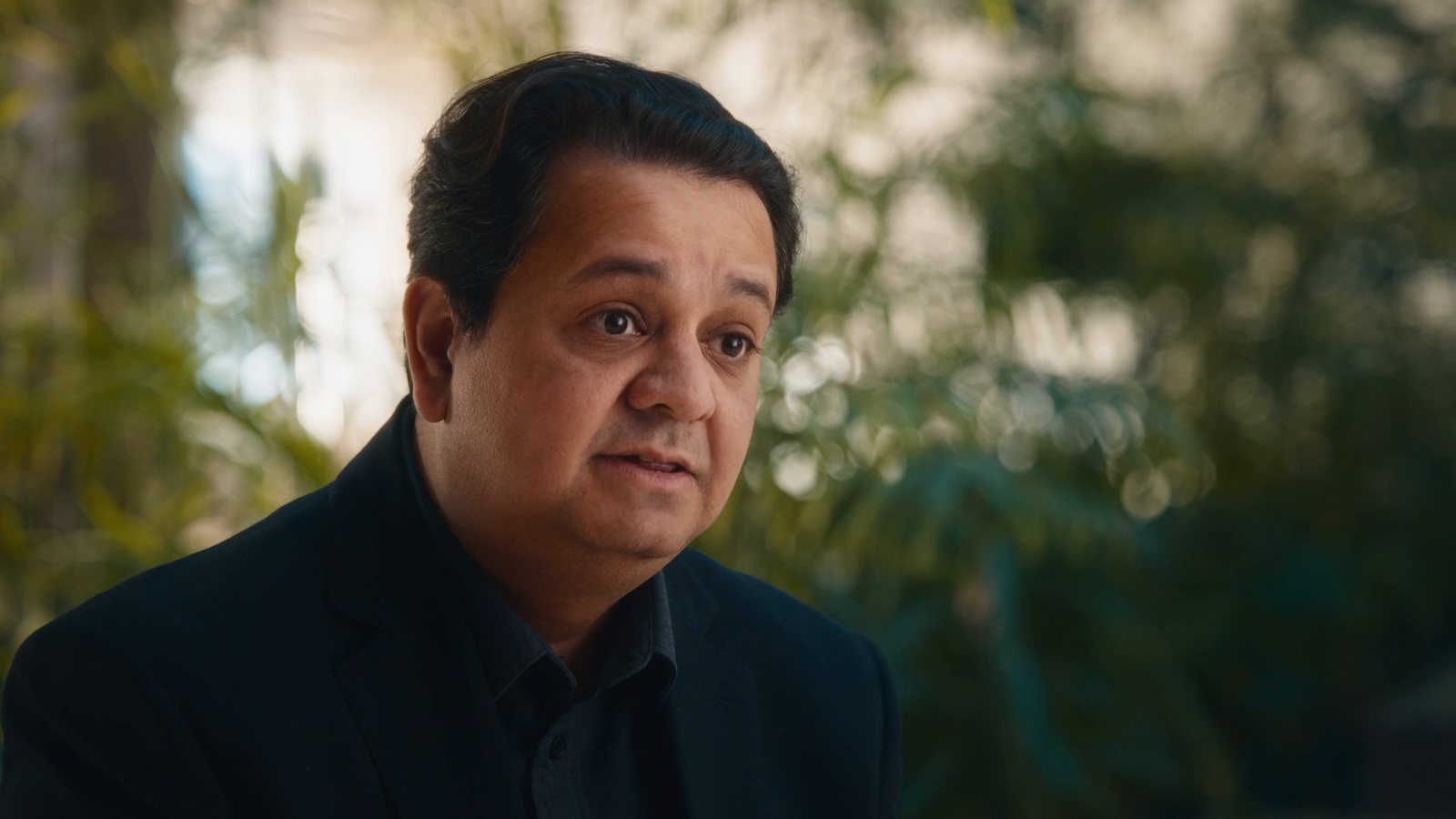
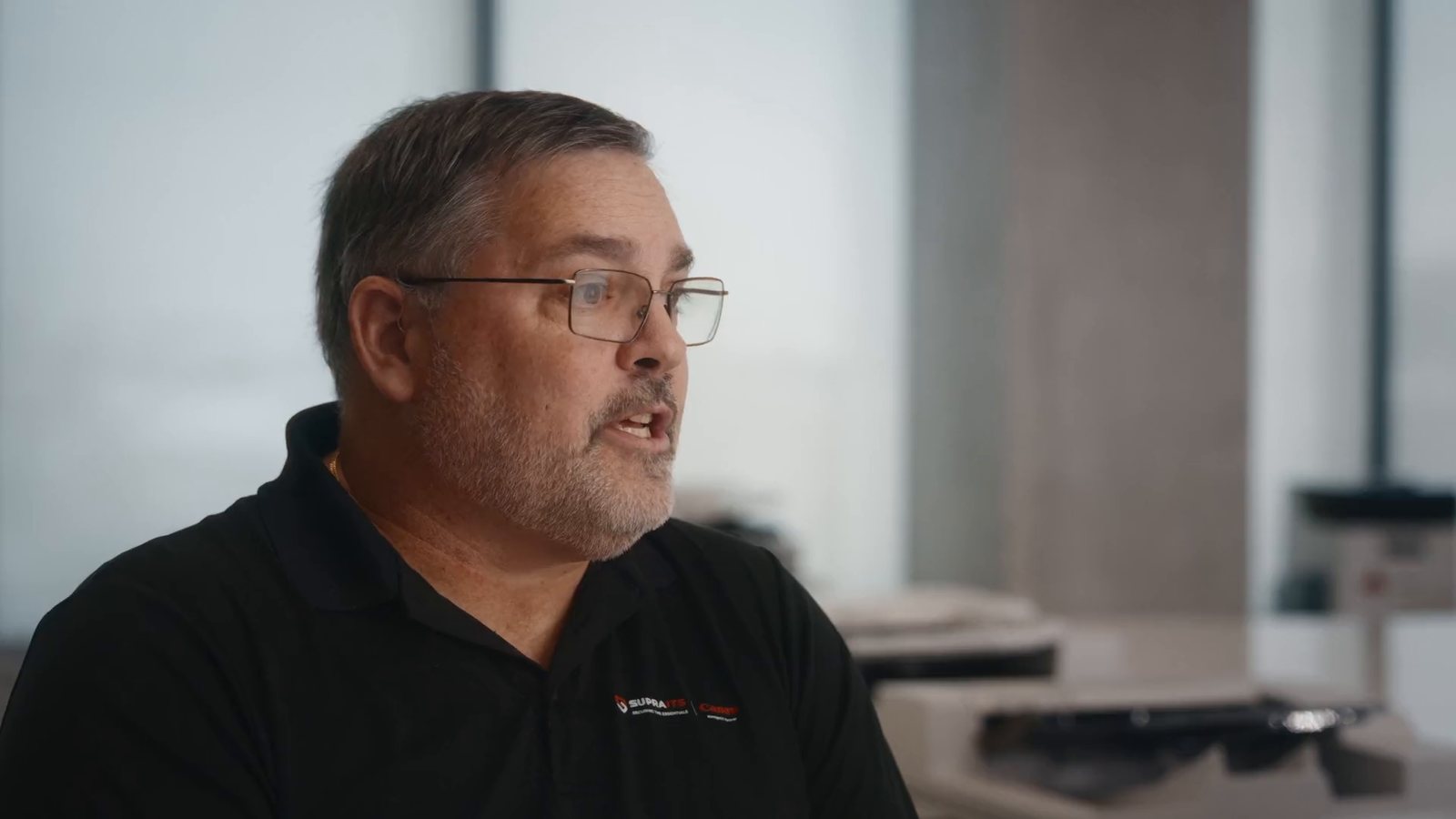
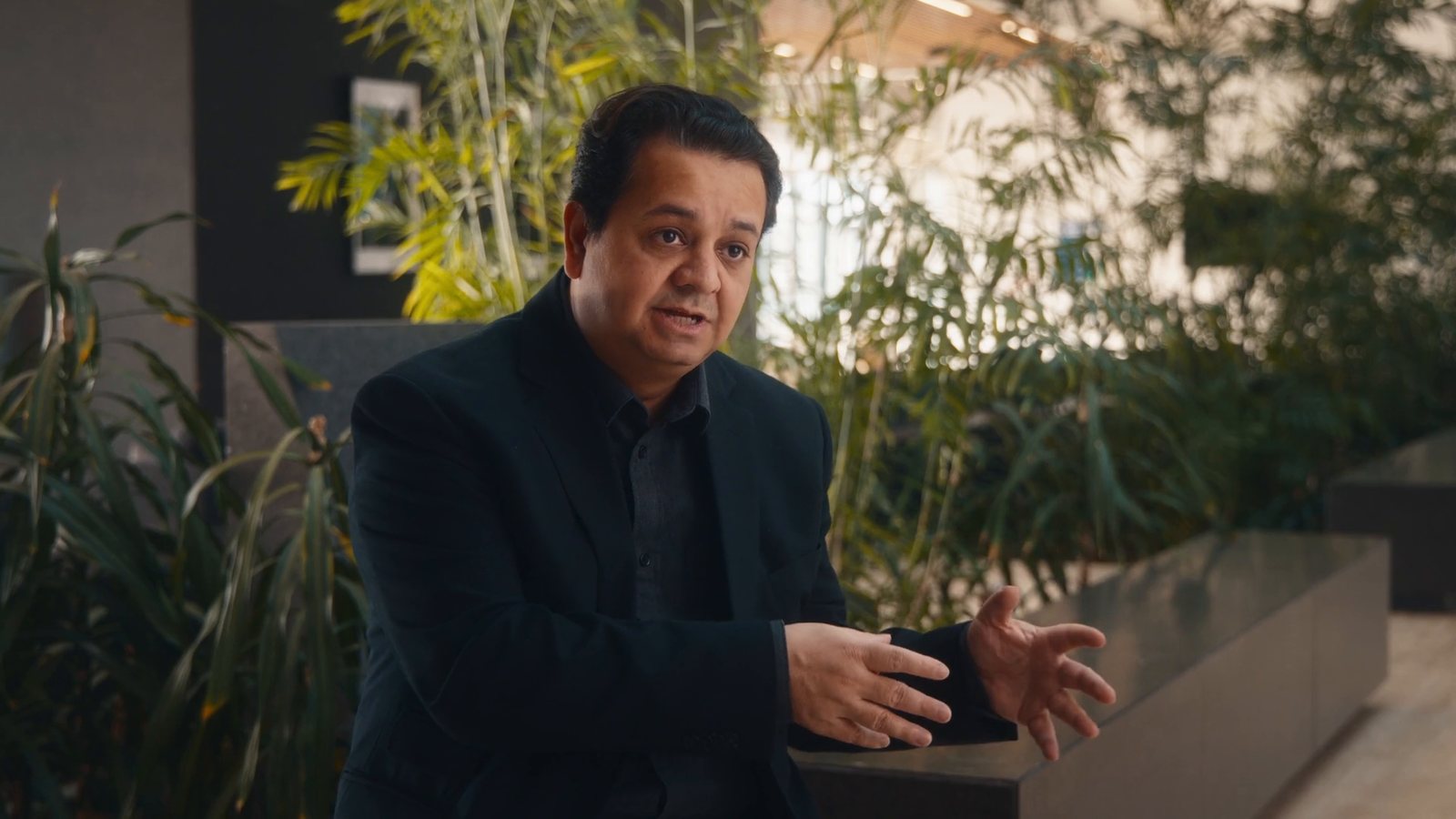
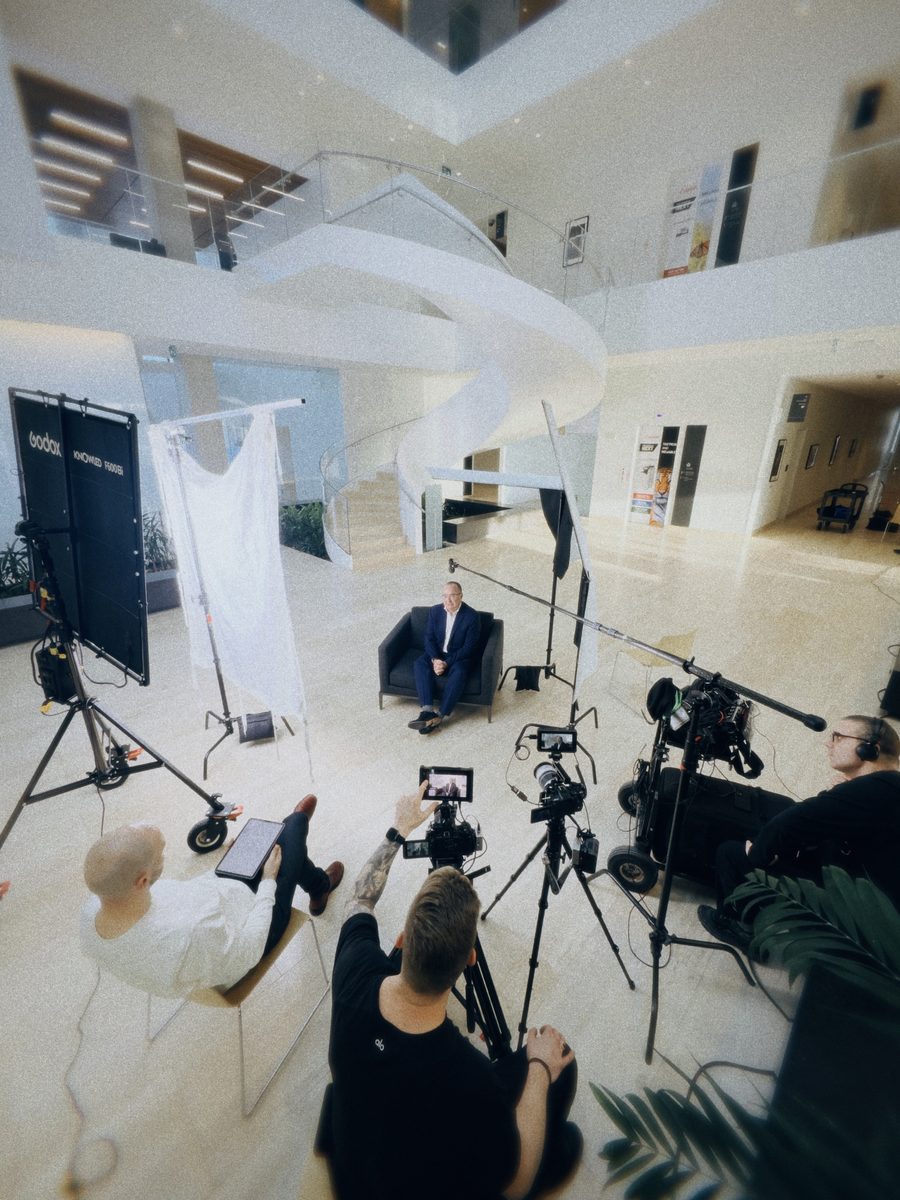
For Breakthrough T1D, the leading global funder of Type 1 diabetes research, keeping IT running isn’t an operational concern. It’s the lifeline to a cure. Canon and Supra ITS have supported that lifeline for years. They wanted to share this partnership. What we saw was a human story, about who IT affects.
■ ChallengeOut of sight, out of mind.
IT is the backbone of so many organizations. It’s forgivable to forget it affects the people it connects. For Breakthrough T1D it’s clear: the people living with Type 1 diabetes. How do you communicate how vital IT infrastructure is to those people?

Humanizing IT
Start with who IT affects, not what. Told from the side of those living with Type 1 diabetes, through Breakthrough T1D, the partnership has context because of who it’s serving.
Understand it ourselves.
You can’t humanize what you don’t understand. We knew as little about Type 1 diabetes as the person who’d watch this. So we closed that gap first: we learned Type 1 diabetes from the inside, by reading and sitting with people who live with it, until we could feel the stakes instead of reciting them.
Meet the people first.
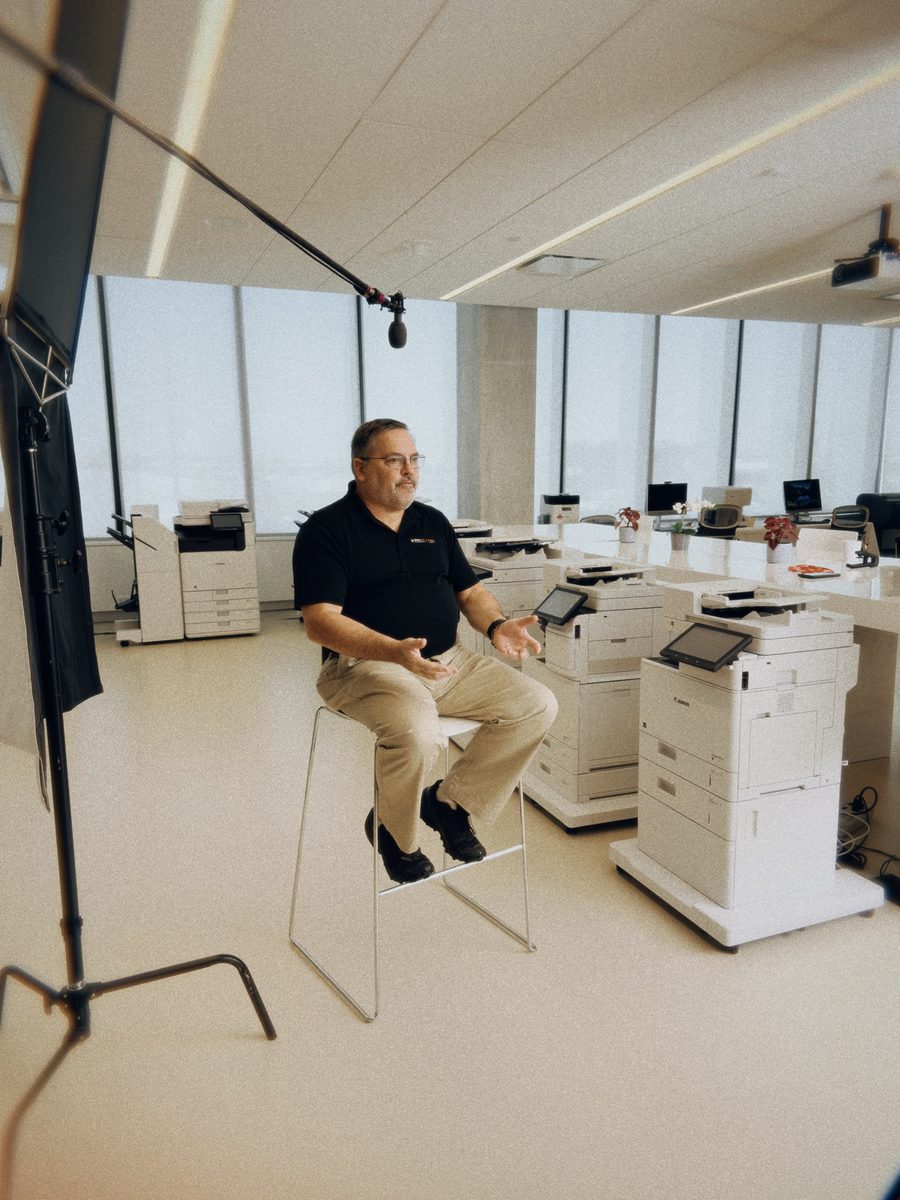
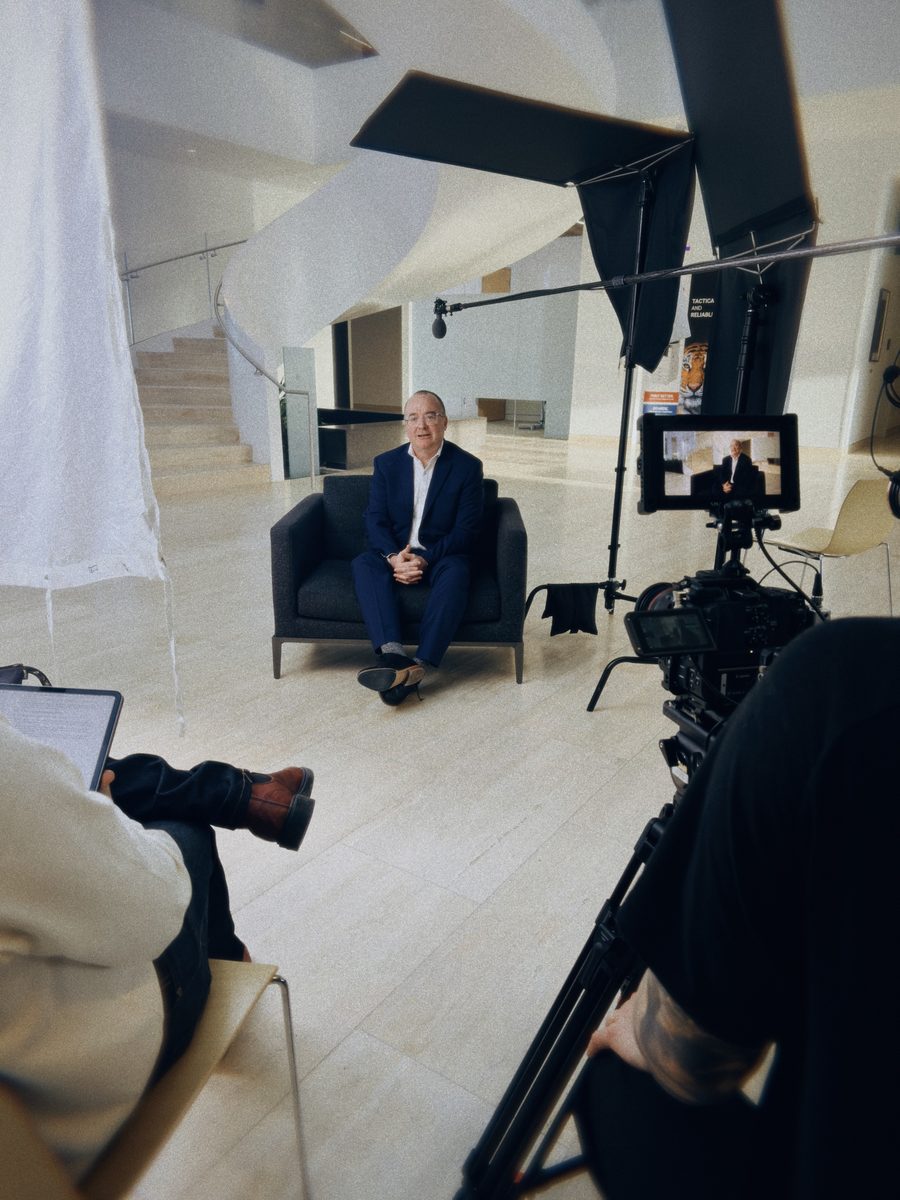
Pre-interviews with Breakthrough T1D’s team and with the Canon and Supra ITS people who support them, to understand what each needs from the other and why it matters. Two worlds, each describing the other, which is where the connection showed itself.

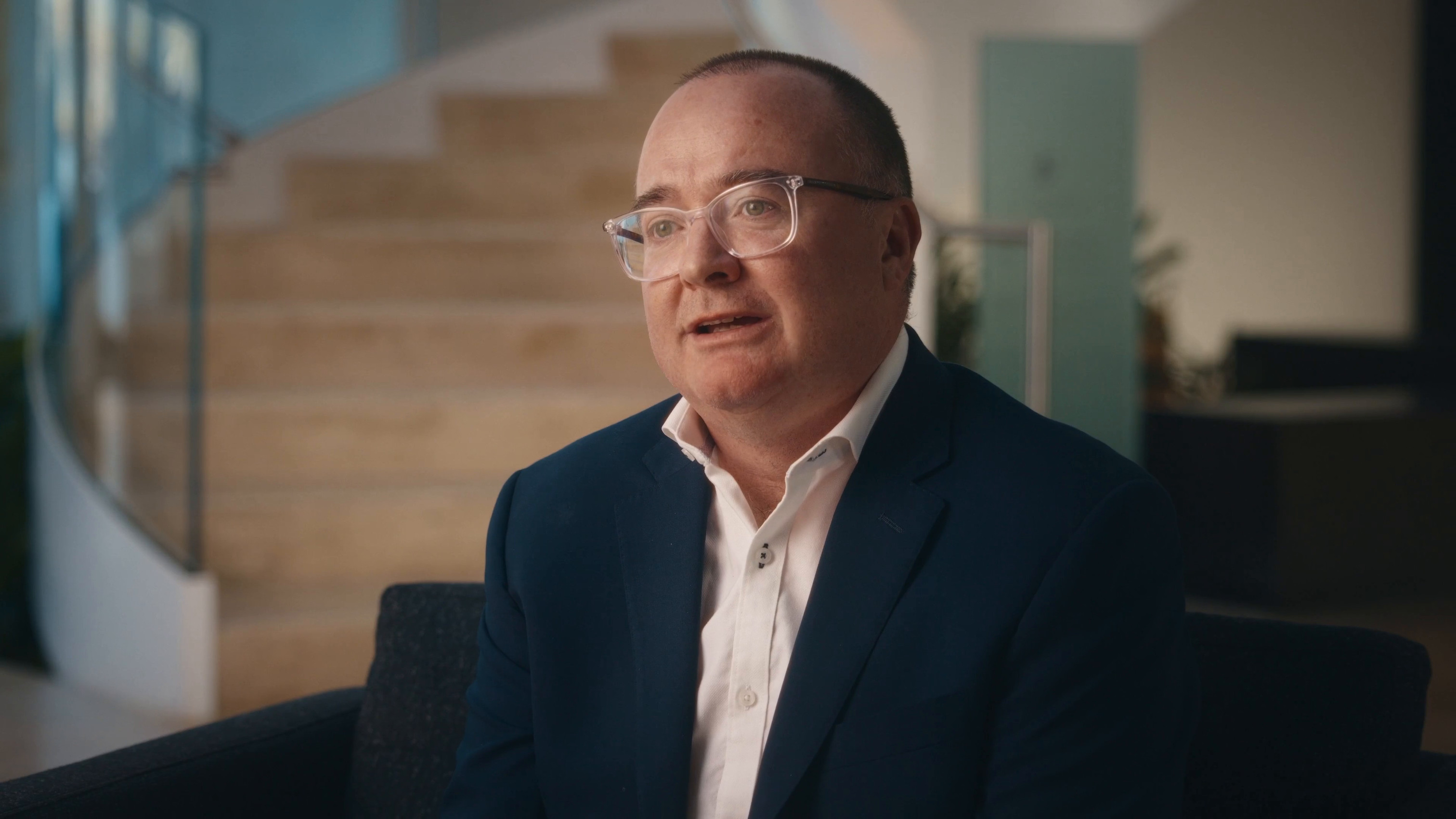
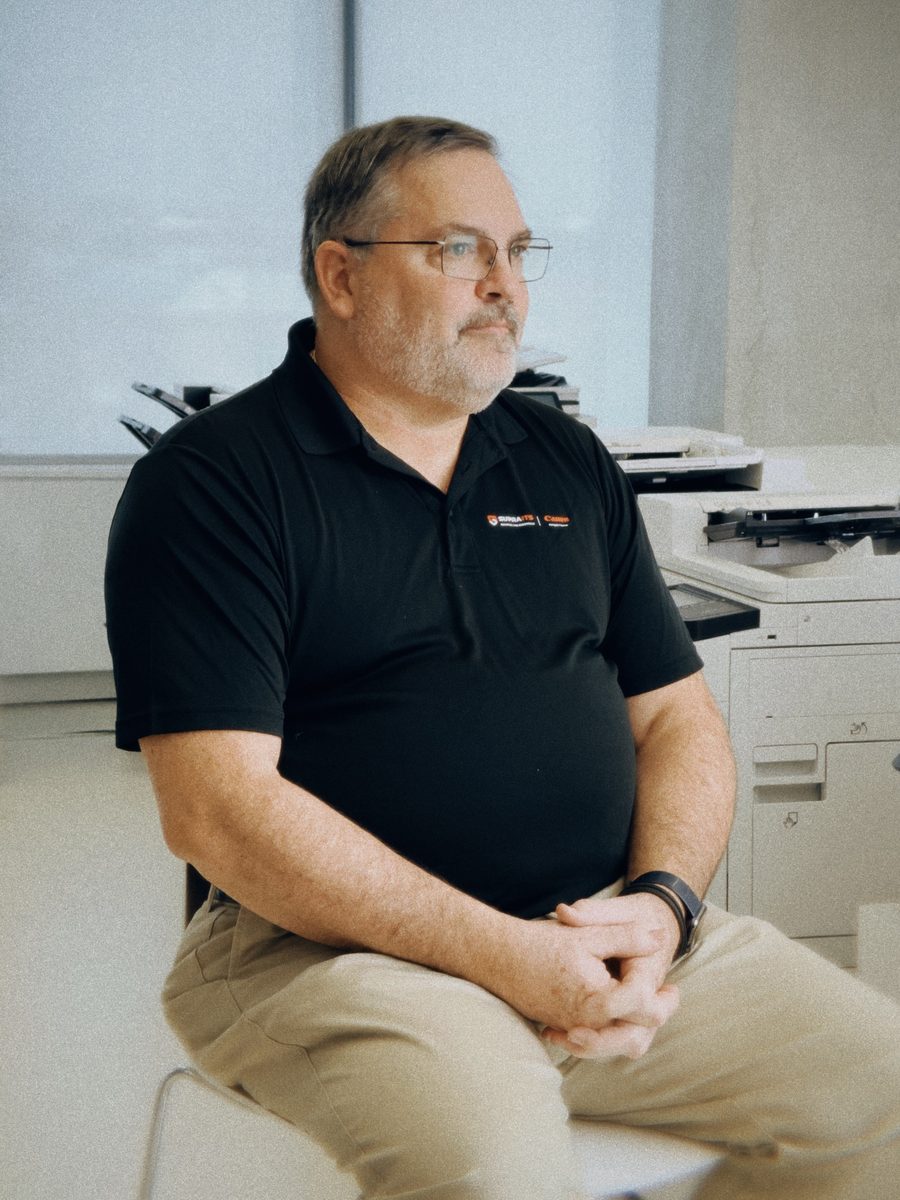
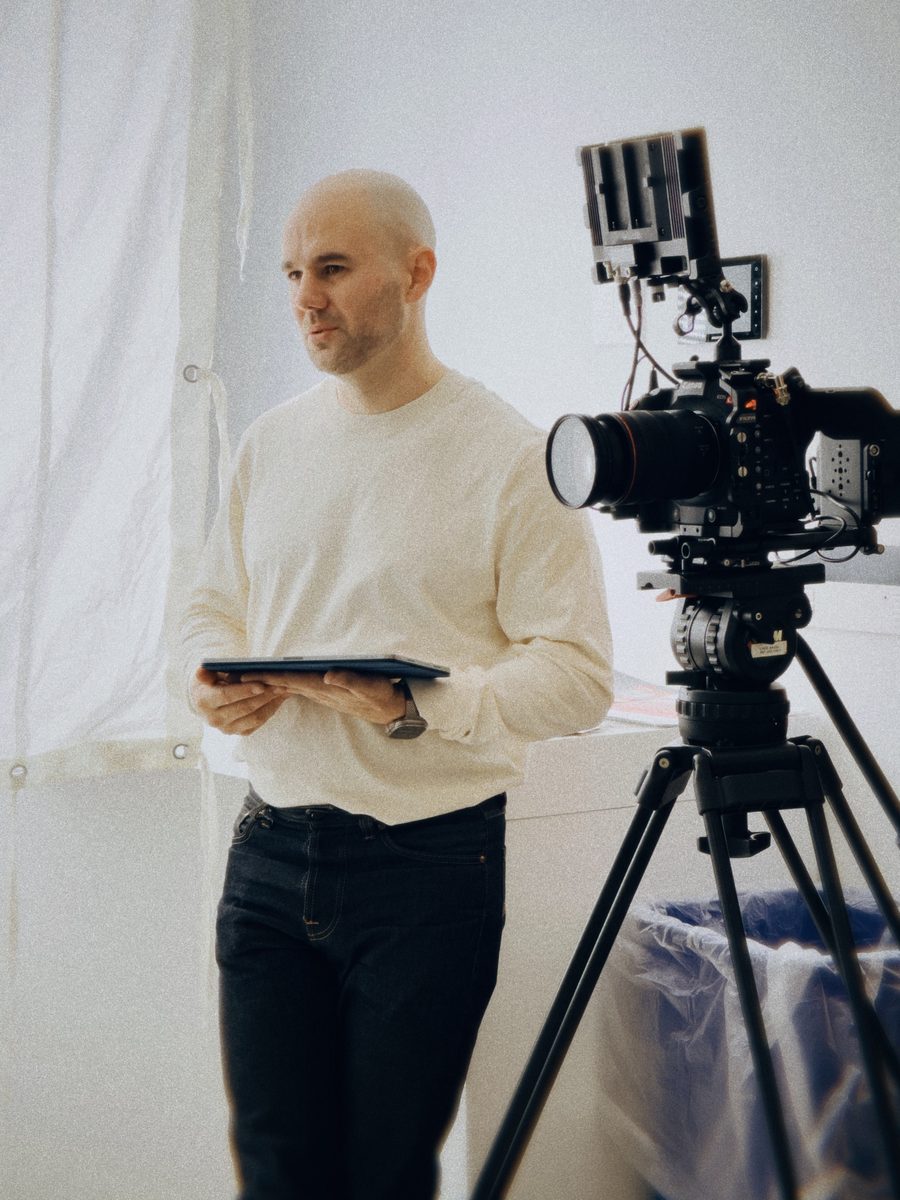
Alan Burvill
CFO, Breakthrough T1D
Avi Garrett
ED of IT, Breakthrough T1D
Ron Lemon
Client IT Manager, Supra ITS
Justin Folkerts
CTO, Supra ITSDraw the connection.
Not from the deliverable. The narrative was built around what we’d heard: a mission that can’t stop, and the partnership that keeps it moving.

The partnership in their voice.
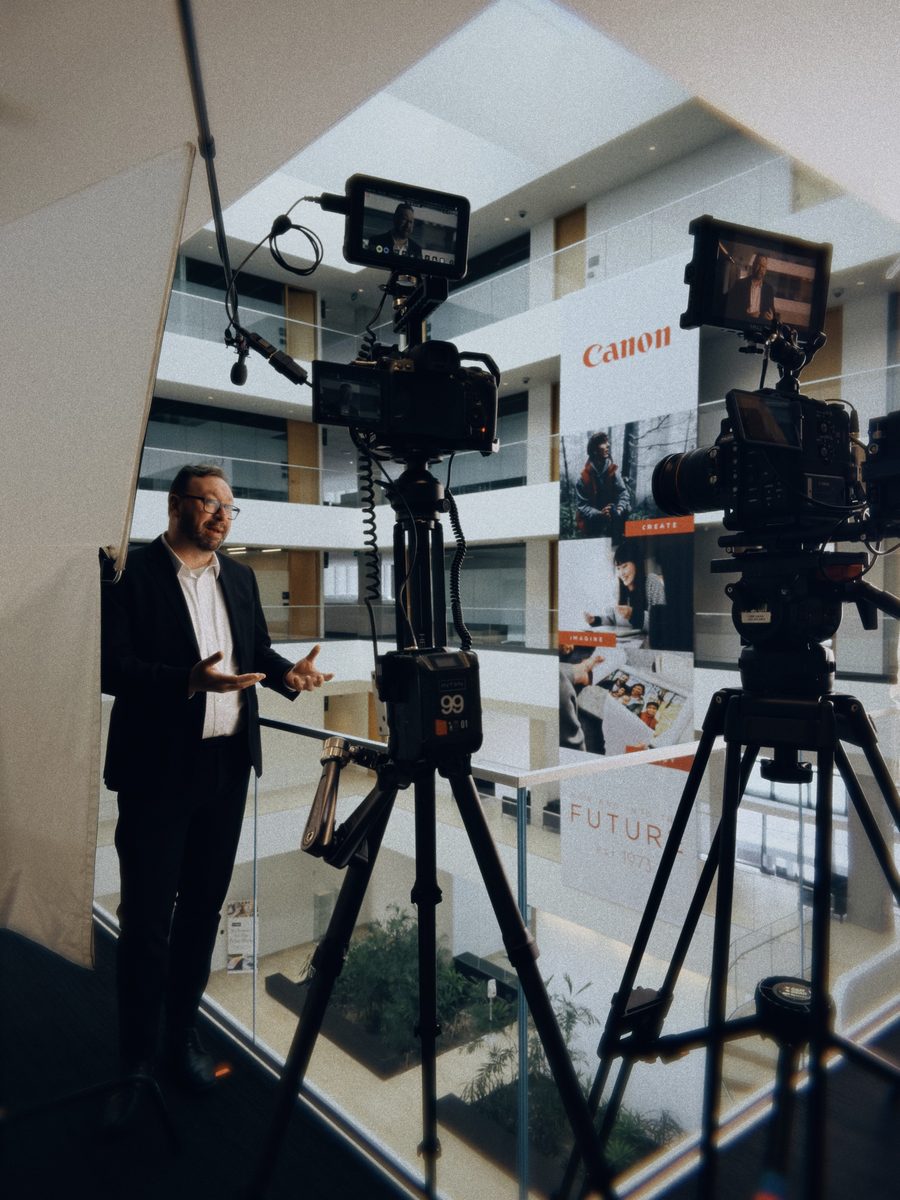
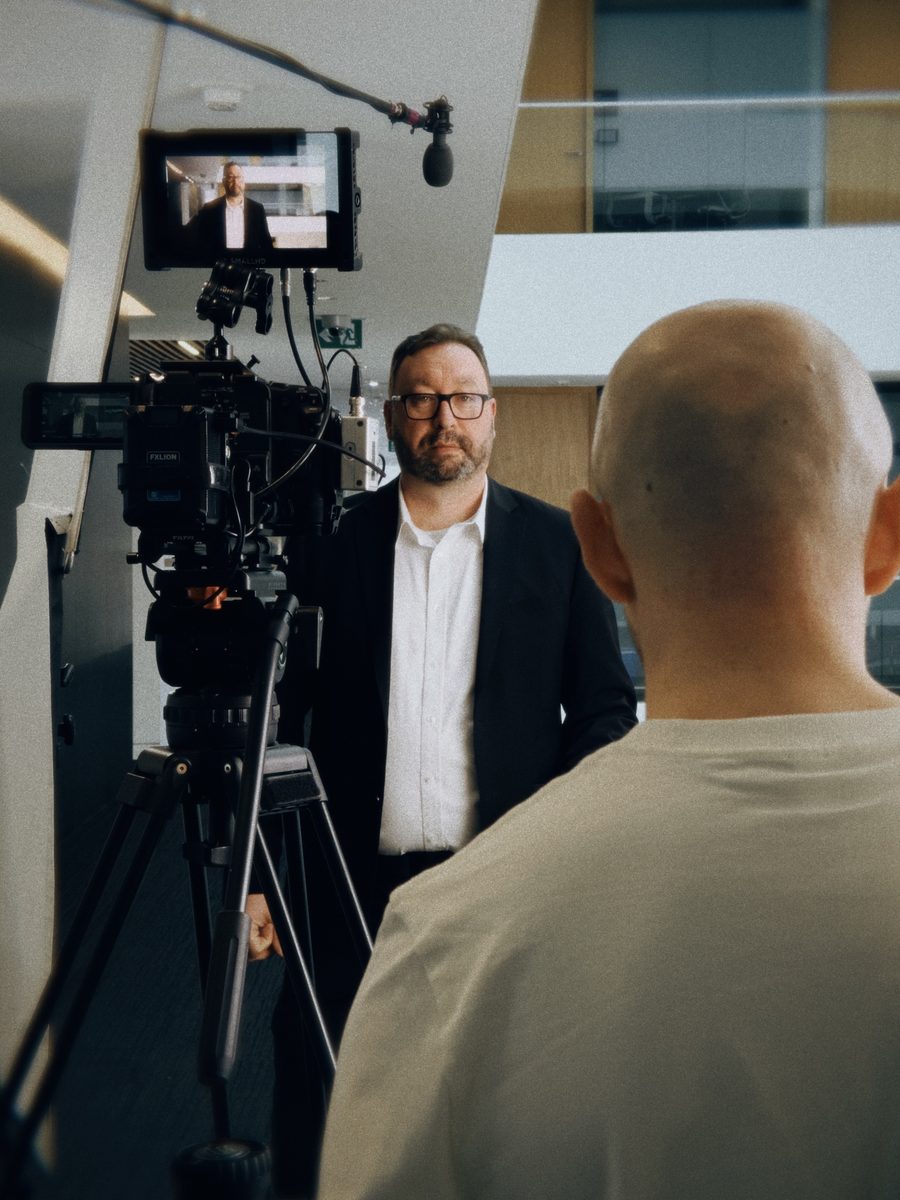
The medium followed the message. Our job was the order, the questions, and getting out of the way. Let the subjects raise the stakes in their own words and the partnership is earned rather than presented.
It gave the partnership what it was missing: a reason for anyone outside it to care. Canon and Supra ITS now have a story that explains what they do by showing who it’s for.
Have a challenge you’re solving? We’re here to talk through it.
Start a project ↗Sometimes, the story is right there waiting to be told.


The real work, was building the narrative in post and doing it justice.


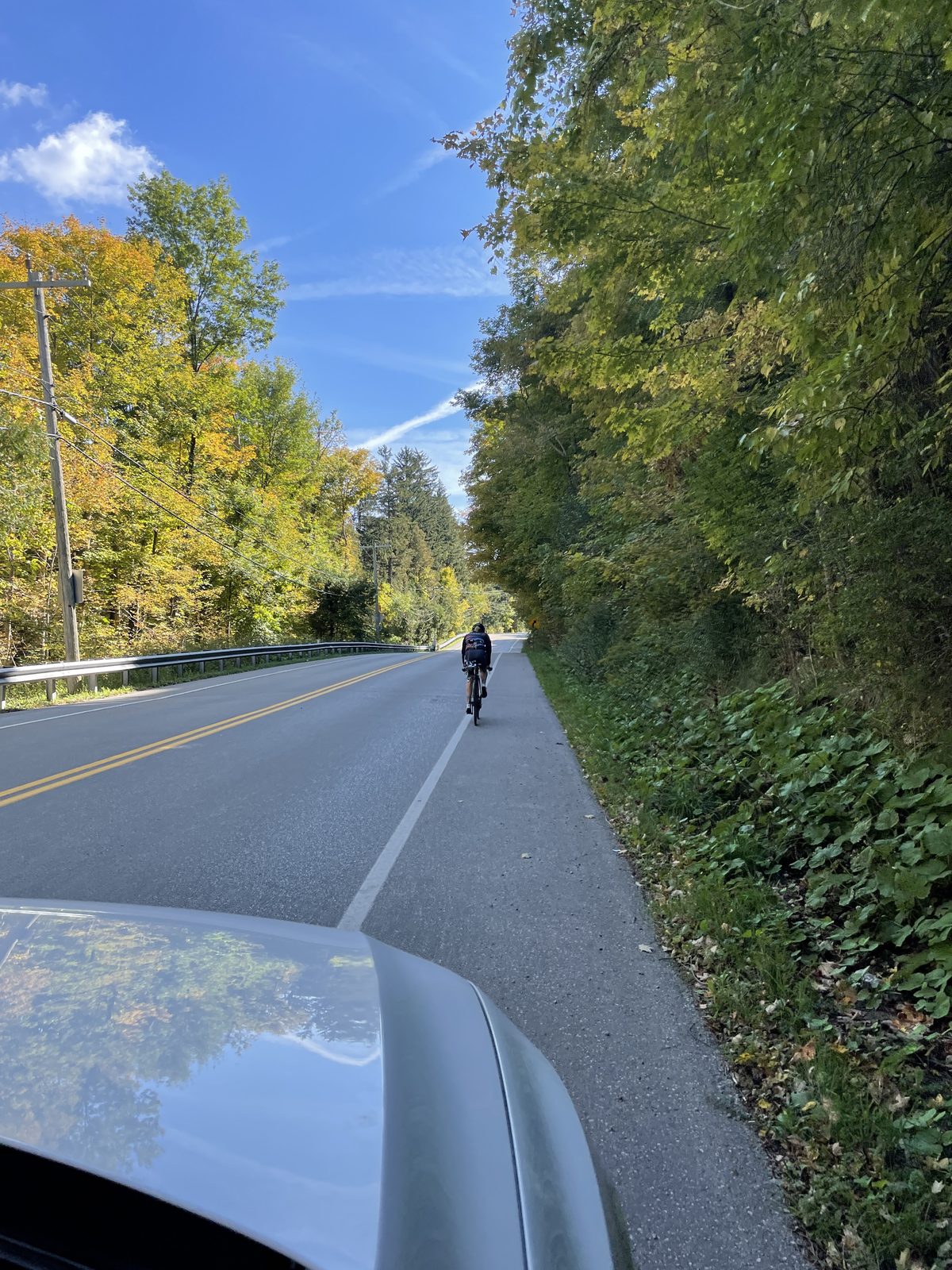
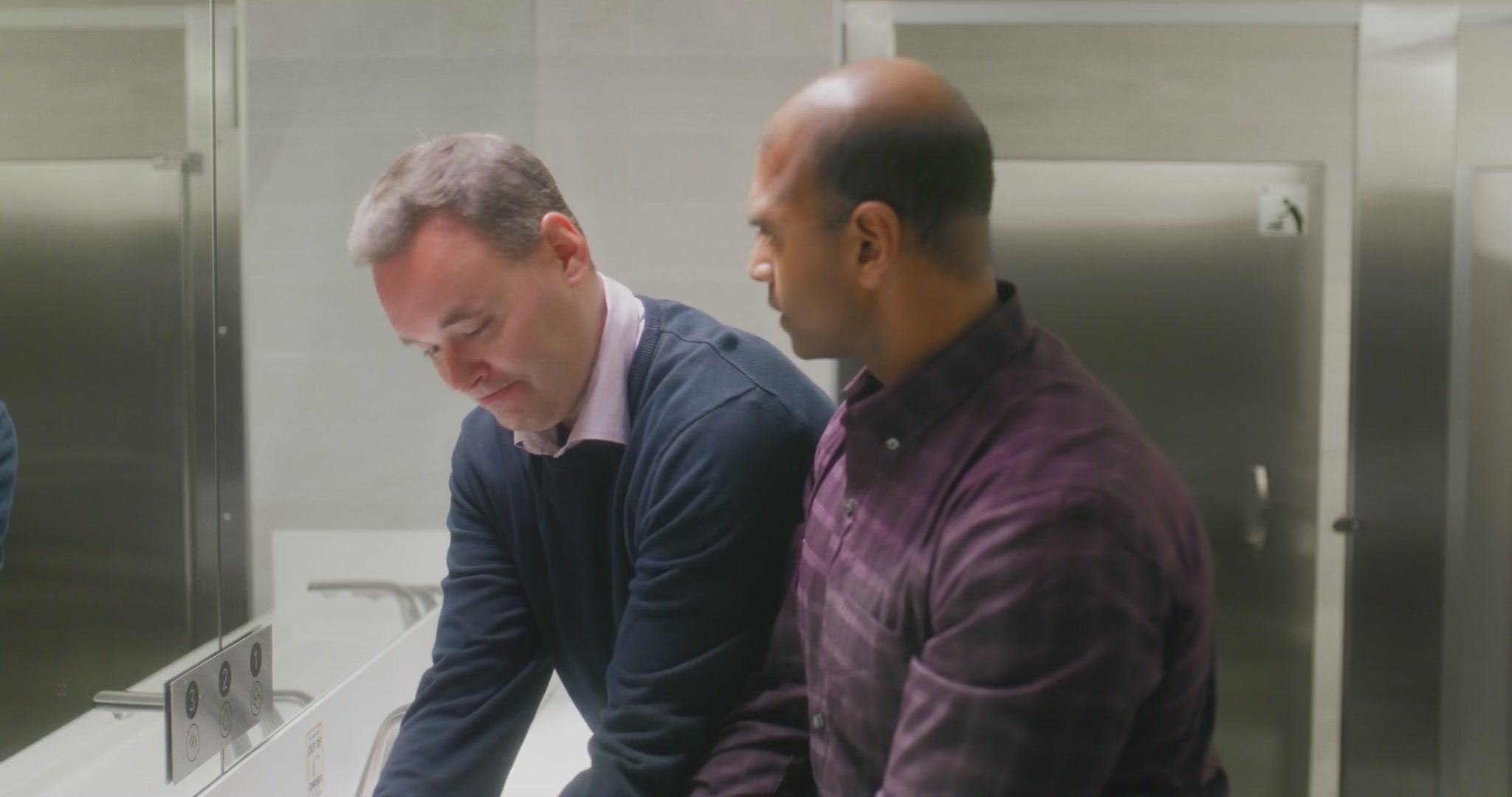
Getting too close can be awkward,
it can also be deadly.
Too close for comfort
Anyone who rides a bike on a road knows the feeling: a car goes by close enough to touch. Most drivers never notice they did it. Share the Road, a cycling advocacy organization, has spent years trying to close that gap. The law already says one metre. The job was getting drivers to feel why.
■ ChallengeThe distance drivers don’t feel.
But cyclists do. It’s not intentional, drivers usually don’t pass a cyclist too close on purpose. The moment it sounds like cyclists against drivers, it’s over. Shaming drivers lands as a lecture to the unintentional driver, and the message about keeping everyone on the road safe is lost. The film had to get under that, to a feeling the driver already has, before they knew it was about them.

Personal space, invaded.
Everyone has met that person completely oblivious to the world. The discomfort of someone in your space is universal. The idea was to translate those uncomfortable yet harmless moments to something with real stakes.
Earn their attention first
Audiences switch off a PSA that comes on too strong. We needed to keep their attention until it mattered.


That awkward moment
A feeling they already know, exaggerated enough to be fun, without putting them off.

Build Intrigue
Let them wonder where this is going. The audience keeps watching until the exact moment it stops being one.
The Turn
The same pattern of behaviour. The difference is when it’s behind the wheel.
The Impact
Let the audience make the connection, so the message lands as something they already believed, not something they were told.
The Law
Answer the question they’re now asking. How much space is enough? One metre.
Did anyone change how they drive? That can’t be measured. What can: a message about personal space became a discussion about how drivers treat cyclists and a campaign that’s been running for two consecutive years.
Have a challenge you’re solving? We’re here to talk through it.
Start a project ↗